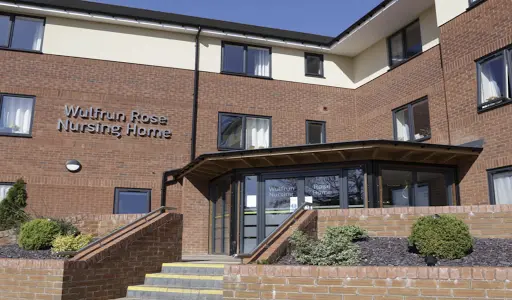
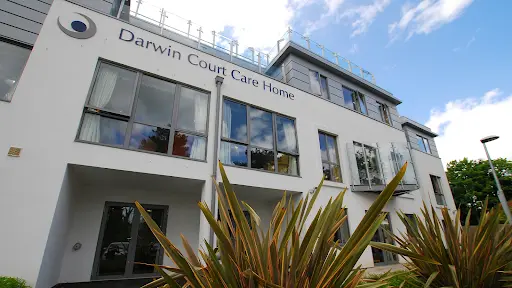
Newford Nursing Home
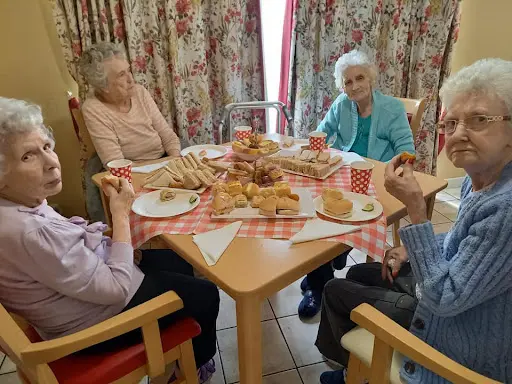
At a Glance
The information you need to decide whether this home warrants a closer look.
Nursing homes
Staff warmth score
of reviewers answered yes
Good to know
- Registered beds41
- SpecialismsCaring for adults over 65 yrs, Dementia, Mental health conditions, Physical disabilities
- Last inspected2017-11-01
Save Newford Nursing Home to your shortlist
Keep a running list, add visit notes, and compare homes side-by-side. Free account — it takes a minute.
STAGE 4 — RESEARCHING CARE HOMES
Visit homes. Compare them side by side. Choose with confidence.
Most of us will view care homes the way we view houses, impression, atmosphere, the feeling in the corridor. We go home, try to remember what we saw, and make a permanent decision from a blurred memory.

The DCC shortlist gives every home you visit a structured record: the same twelve questions, answered the same way, every time. When you’re ready to choose, pull any two homes side by side and compare them directly. Same criteria, same evidence, your notes and your scores.
The Evidence
What the review data, the inspection reports, and the dementia-care evidence base tell us about this home.
What families say
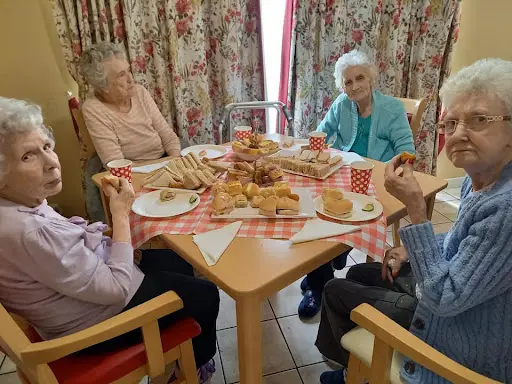
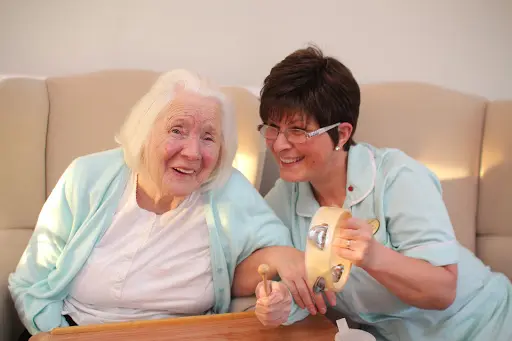
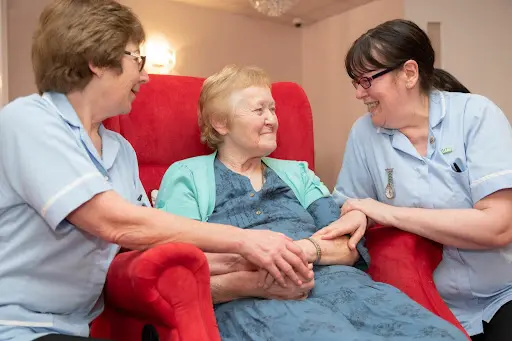
Families describe seeing their loved ones looking comfortable and well-rested, with staff who genuinely respond when care needs change. The home runs daily activities that keep residents engaged, from entertainment to hobbies matched to what each person enjoys. People mention how staff help residents maintain their independence while providing the support they need.
The eight family priority themes
- Staff warmth72
- Compassion & dignity72
- Cleanliness70
- Activities & engagement60
- Food quality60
- Healthcare70
- Management & leadership70
- Resident happiness68
What inspectors found
Inspected 2017-11-01
Is this home safe?
Is the care effective?
The home was rated Good for effectiveness at its October 2017 inspection. The published summary does not describe care plan content, how dementia training is delivered, how GP or specialist access is arranged, or how food and nutrition are managed. The home is registered to support people with dementia and mental health conditions alongside physical disabilities, which implies a need for specialist knowledge among the staff team. No specific examples of effective practice were recorded in the published summary available for this report.Is this home caring?
The home was rated Good for caring at its October 2017 inspection. No inspector observations, resident quotes, or relative testimony are included in the published summary for this domain. Staff warmth, use of preferred names, response to distress, and unhurried care are the behaviours families most want to see, but none of these are described in the available record. The caring rating reflects the inspectors' overall judgement at the time of that visit.Is the home responsive?
The home was rated Good for responsiveness at its October 2017 inspection. No specific information about the activities programme, how individual preferences are recorded and acted on, or how the home responds to complaints is included in the published summary. The home cares for people with dementia, mental health conditions, and physical disabilities, meaning responsive care requires tailoring to a wide range of needs and abilities. No resident or family feedback on responsiveness is recorded in the available findings.Is the home well-led?
The home was rated Good for leadership at its October 2017 inspection, improved from a previous Requires Improvement rating. The nominated individual is named as Dr Hamid Sarwar and the operating organisation is Newford Ltd. No detail about the registered manager's tenure, how staff are supported, how the home handles complaints, or what governance systems are in place is included in the published summary. The improvement from Requires Improvement is meaningful but the published record does not explain what changed or why.
Source: CQC inspection report →
What the evidence base says
The home cares for people over 65 with various needs including dementia, mental health conditions, and physical disabilities. For residents living with dementia, the team understands the importance of familiar routines and patient support. Staff work closely with families to understand each person's history and preferences, helping create a sense of security and continuity. All areas worth probing directly during a visit.
The DCC Verdict
Our editorial view, built from the three lenses: what families tell us, what inspectors record, and how the home sits against good dementia-care practice.
DCC Family Score
Newford Nursing Home holds a Good rating across all five inspection domains, improved from Requires Improvement, which is a meaningful positive step. However, the inspection was carried out in October 2017, making it over seven years old, so scores reflect the rating category rather than detailed observed evidence.
Homes in West Midlands typically score 68–82.The three-lens summary
What families tell us
Families describe seeing their loved ones looking comfortable and well-rested, with staff who genuinely respond when care needs change. The home runs daily activities that keep residents engaged, from entertainment to hobbies matched to what each person enjoys. People mention how staff help residents maintain their independence while providing the support they need.
What inspectors have recorded
What stands out is how the team listens. When families raise concerns or suggest adjustments to care, staff act on them quickly — and families see real improvements in their relatives' wellbeing. The open visiting policy means you can check in whenever you need to, outside of mealtimes.
How it sits against good practice
If you'd like to see Newford for yourself, they welcome visitors — just pop in when it suits you, and see firsthand how they care for their residents.
Worth a visit
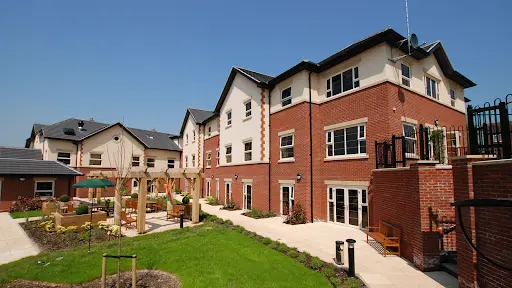
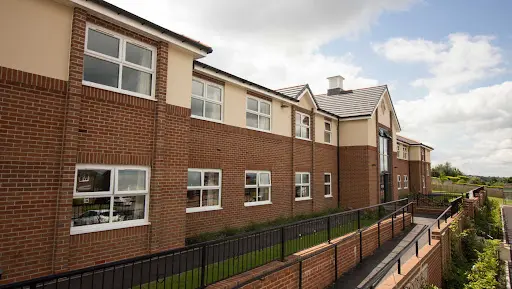
Newford Nursing Home on Newford Crescent in Stoke-on-Trent holds a Good rating across all five inspection domains, awarded at its October 2017 inspection. Importantly, this was an improvement from a previous Requires Improvement rating, and a monitoring review in July 2023 found no evidence that the rating needed to change. The home is a 41-bed nursing home registered to support people over 65 with dementia, mental health conditions, and physical disabilities, meaning qualified nurses should be present alongside care staff. The central caution here is the age of the evidence. The inspection took place in October 2017, which means the detailed findings are now more than seven years old. A monitoring review in 2023 is reassuring but is not the same as a full on-site inspection. Before making any decision, visit the home in person, ask to see the staffing rota for the past two weeks (including night shifts and agency use), and ask the manager directly what has changed since 2017 and what the most recent feedback from families has been.
The three questions to ask when you visitSave this home. Compare it against your shortlist.
Let our analysis show you how Newford Nursing Home measures up against the other homes you’re considering. Free account.
In Their Own Words
How Newford Nursing Home describes itself — collected from its own website. DCC has not edited or independently verified the content in this tab.
Where families find reassurance through openness and genuine care
Nursing home in Stoke On Trent: True Peace of Mind
When you're looking for the right care, sometimes it's the small details that tell you everything. Newford Nursing Home in Stoke On Trent welcomes families to drop by whenever they like — no appointments needed. This openness speaks volumes about their confidence in the care they provide, and families say it makes all the difference when you're navigating such a difficult transition.
Who they care for
The home cares for people over 65 with various needs including dementia, mental health conditions, and physical disabilities.
For residents living with dementia, the team understands the importance of familiar routines and patient support. Staff work closely with families to understand each person's history and preferences, helping create a sense of security and continuity.
“If you'd like to see Newford for yourself, they welcome visitors — just pop in when it suits you, and see firsthand how they care for their residents.”
DCC does not edit or curate content in this tab. For independently curated information, see The Evidence and DCC Verdict.
The DCC Verdict
Our editorial view, built from the three lenses: what families tell us, what inspectors record, and how the home sits against good dementia-care practice.
DCC Family Score
Newford Nursing Home holds a Good rating across all five inspection domains, improved from Requires Improvement, which is a meaningful positive step. However, the inspection was carried out in October 2017, making it over seven years old, so scores reflect the rating category rather than detailed observed evidence.
Homes in West Midlands typically score 68–82.The three-lens summary
What families tell us
Families describe seeing their loved ones looking comfortable and well-rested, with staff who genuinely respond when care needs change. The home runs daily activities that keep residents engaged, from entertainment to hobbies matched to what each person enjoys. People mention how staff help residents maintain their independence while providing the support they need.
What inspectors have recorded
What stands out is how the team listens. When families raise concerns or suggest adjustments to care, staff act on them quickly — and families see real improvements in their relatives' wellbeing. The open visiting policy means you can check in whenever you need to, outside of mealtimes.
How it sits against good practice
If you'd like to see Newford for yourself, they welcome visitors — just pop in when it suits you, and see firsthand how they care for their residents.
Worth a visit
Newford Nursing Home on Newford Crescent in Stoke-on-Trent holds a Good rating across all five inspection domains, awarded at its October 2017 inspection. Importantly, this was an improvement from a previous Requires Improvement rating, and a monitoring review in July 2023 found no evidence that the rating needed to change. The home is a 41-bed nursing home registered to support people over 65 with dementia, mental health conditions, and physical disabilities, meaning qualified nurses should be present alongside care staff. The central caution here is the age of the evidence. The inspection took place in October 2017, which means the detailed findings are now more than seven years old. A monitoring review in 2023 is reassuring but is not the same as a full on-site inspection. Before making any decision, visit the home in person, ask to see the staffing rota for the past two weeks (including night shifts and agency use), and ask the manager directly what has changed since 2017 and what the most recent feedback from families has been.
The three questions to ask when you visitSave this home. Compare it against your shortlist.
Let our analysis show you how Newford Nursing Home measures up against the other homes you’re considering. Free account.
In Their Own Words
How Newford Nursing Home describes itself — collected from its own website. DCC has not edited or independently verified the content in this tab.
Where families find reassurance through openness and genuine care
Nursing home in Stoke On Trent: True Peace of Mind
When you're looking for the right care, sometimes it's the small details that tell you everything. Newford Nursing Home in Stoke On Trent welcomes families to drop by whenever they like — no appointments needed. This openness speaks volumes about their confidence in the care they provide, and families say it makes all the difference when you're navigating such a difficult transition.
Who they care for
The home cares for people over 65 with various needs including dementia, mental health conditions, and physical disabilities.
For residents living with dementia, the team understands the importance of familiar routines and patient support. Staff work closely with families to understand each person's history and preferences, helping create a sense of security and continuity.
Management & ethos
What stands out is how the team listens. When families raise concerns or suggest adjustments to care, staff act on them quickly — and families see real improvements in their relatives' wellbeing. The open visiting policy means you can check in whenever you need to, outside of mealtimes.
The home & environment
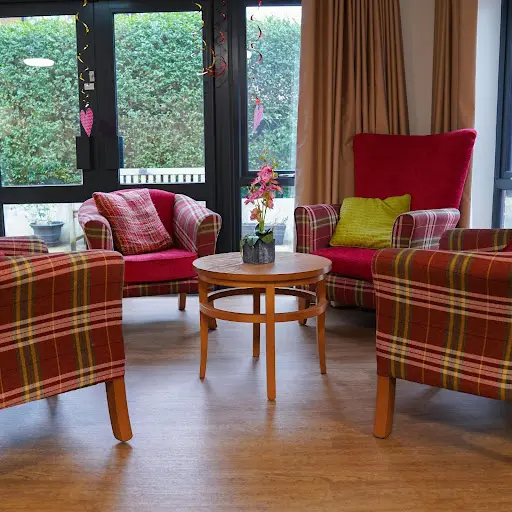
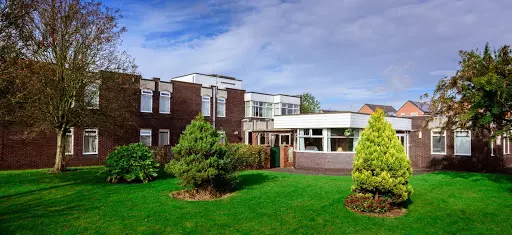
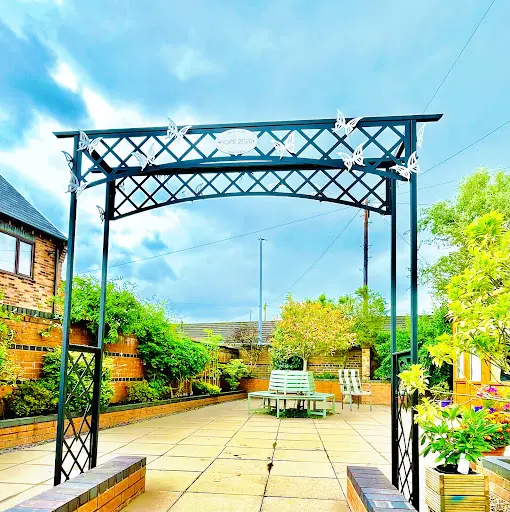
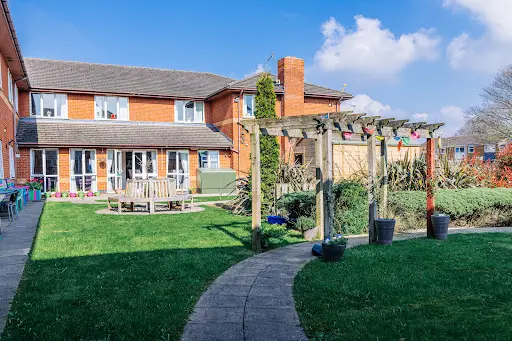
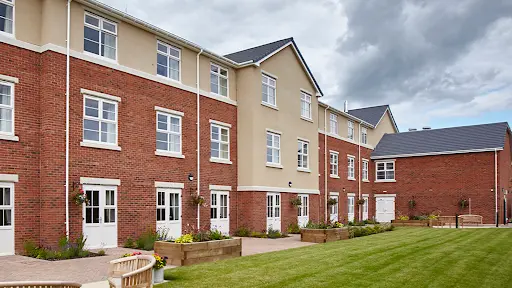
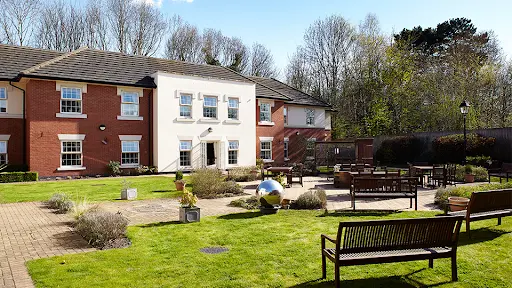
The home maintains high standards of cleanliness throughout, with families consistently noting fresh, odour-free environments and well-kept resident rooms. The kitchen serves quality meals that suit elderly residents' needs and preferences. There's been recent refurbishment work too, keeping spaces bright and welcoming.
“If you'd like to see Newford for yourself, they welcome visitors — just pop in when it suits you, and see firsthand how they care for their residents.”
DCC does not edit or curate content in this tab. For independently curated information, see The Evidence and DCC Verdict.