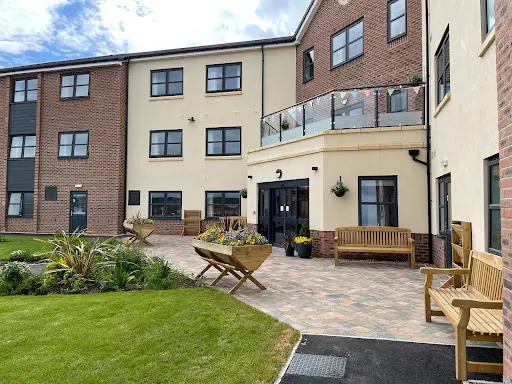
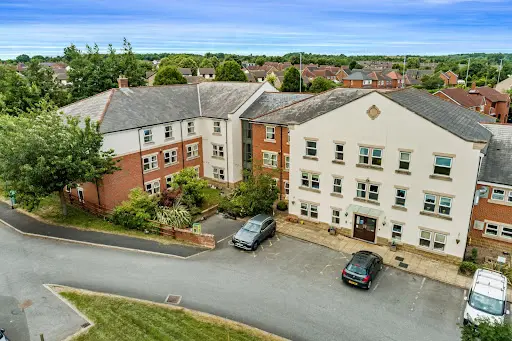
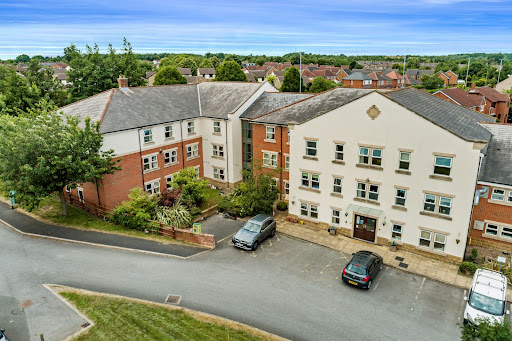
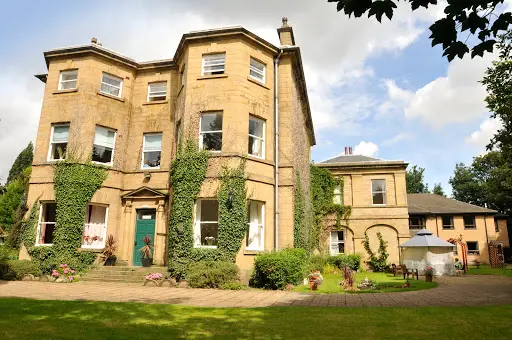
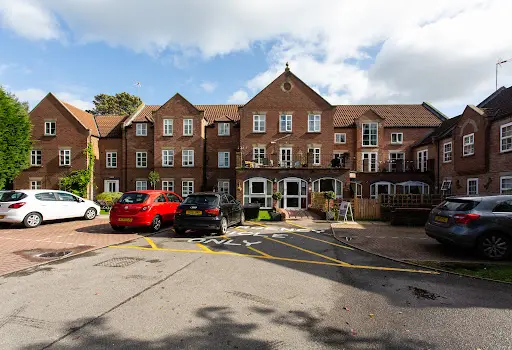
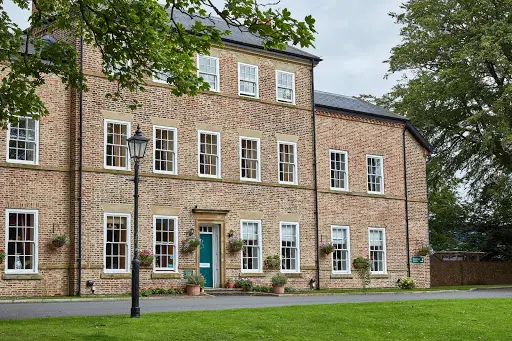
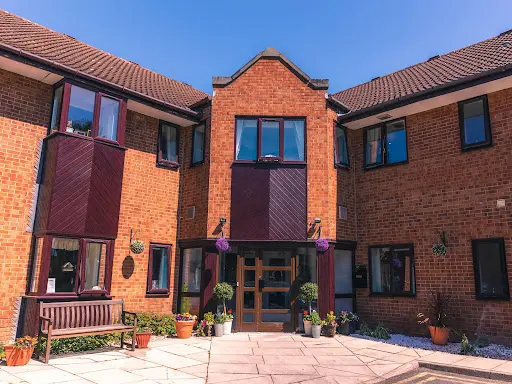
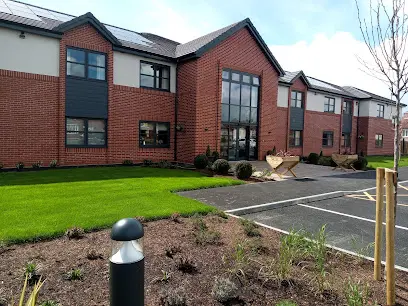
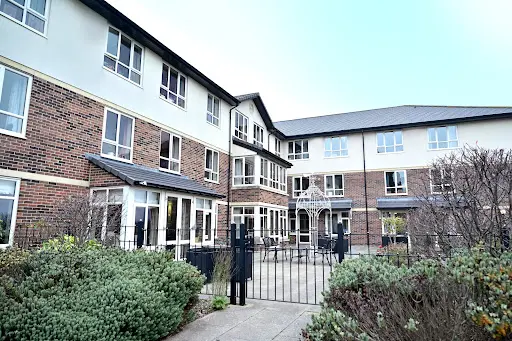
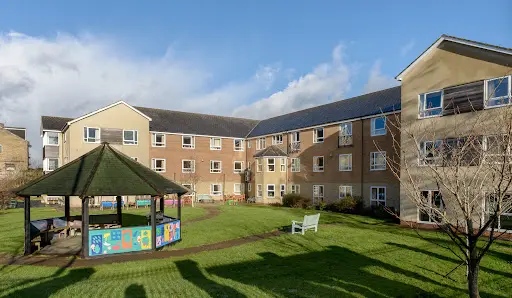
Victoria House Residential & Nursing Home
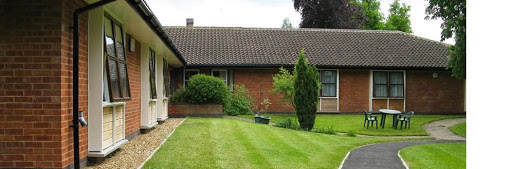
At a Glance
The information you need to decide whether this home warrants a closer look.
Nursing homes
Staff warmth score
of reviewers answered yes
Good to know
- Registered beds30
- SpecialismsCaring for adults over 65 yrs, Dementia
- Last inspected2023-03-07
Save Victoria House Residential & Nursing Home to your shortlist
Keep a running list, add visit notes, and compare homes side-by-side. Free account — it takes a minute.
STAGE 4 — RESEARCHING CARE HOMES
Visit homes. Compare them side by side. Choose with confidence.
Most of us will view care homes the way we view houses, impression, atmosphere, the feeling in the corridor. We go home, try to remember what we saw, and make a permanent decision from a blurred memory.

The DCC shortlist gives every home you visit a structured record: the same twelve questions, answered the same way, every time. When you’re ready to choose, pull any two homes side by side and compare them directly. Same criteria, same evidence, your notes and your scores.
The Evidence
What the review data, the inspection reports, and the dementia-care evidence base tell us about this home.
What families say
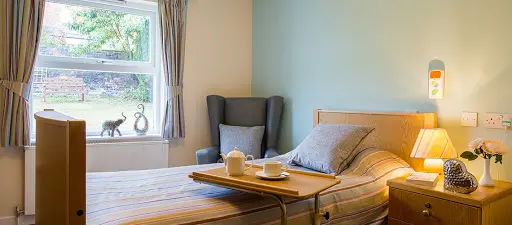
Families talk about walking into comfortable bedrooms filled with familiar photographs and personal belongings, creating spaces that feel lived-in rather than clinical. Several people mentioned how quickly the home responded when they needed urgent help, making room for their loved ones during difficult times.
The eight family priority themes
- Staff warmth52
- Compassion & dignity55
- Cleanliness55
- Activities & engagement50
- Food quality45
- Healthcare45
- Management & leadership65
- Resident happiness52
What inspectors found
Inspected 2023-03-07
Is this home safe?
Is the care effective?
The Effective domain was rated Requires Improvement at the February 2023 inspection. This is the only domain not to achieve a Good rating and is a significant finding for any family considering this home for a parent with dementia. The Effective domain covers whether care plans are detailed and regularly reviewed, whether staff have adequate dementia training, whether healthcare professionals are involved appropriately, and whether food and nutrition meet individual needs. The published summary does not explain which specific aspects were found to be insufficient.Is this home caring?
The Caring domain was rated Good at the February 2023 inspection. This domain assesses whether staff treat people with kindness, whether privacy and dignity are respected, and whether your parent is supported to maintain independence wherever possible. The published summary does not include direct inspector observations or resident and relative quotes to illustrate what Good caring looks like at Victoria House specifically.Is the home responsive?
The Responsive domain was rated Good at the February 2023 inspection. This domain covers whether the home offers activities that are meaningful to individuals, whether it responds to changing needs, and whether end-of-life care is planned. The published summary does not describe the activity programme, confirm whether one-to-one engagement is available for people who cannot join group activities, or detail how the home handles complaints or feedback.Is the home well-led?
The Well-led domain was rated Good at the February 2023 inspection, an improvement on the previous rating. The home is run by Care Homes UK Ltd, with Mrs Tina Rowley as Registered Manager and Mr Stephen Smith as Nominated Individual. A Well-led rating covers governance, staff culture, how the home responds to feedback, and whether leadership creates an environment where concerns can be raised openly. The published summary does not detail how long Mrs Rowley has been in post or describe specific governance systems in use.
Source: CQC inspection report →
What the evidence base says
The home welcomes adults over 65 and has specific experience supporting people living with dementia. For residents with dementia, the focus remains on maintaining their identity and preferences, with staff taking time to learn what brings each person comfort and joy. All areas worth probing directly during a visit.
The DCC Verdict
Our editorial view, built from the three lenses: what families tell us, what inspectors record, and how the home sits against good dementia-care practice.
DCC Family Score
Victoria House scores 68 out of 100, reflecting a home that has genuinely improved from its previous Requires Improvement rating and holds a Good overall, but where the Effective domain remains Requires Improvement, meaning the inspection found gaps in areas like training, care planning, or healthcare that families need to probe directly before making a decision.
Homes in Yorkshire & Humberside typically score 68–82.The three-lens summary
What families tell us
Families talk about walking into comfortable bedrooms filled with familiar photographs and personal belongings, creating spaces that feel lived-in rather than clinical. Several people mentioned how quickly the home responded when they needed urgent help, making room for their loved ones during difficult times.
What inspectors have recorded
Staff are described as knowing each resident well, from their favourite activities to how they prefer to spend their afternoons. Several families particularly valued the support they received during their loved one's final days, with staff providing comfort to both residents and relatives through those hardest moments.
How it sits against good practice
While experiences vary, as they do in any care setting, many families speak of finding real support here during some of life's most challenging transitions.
Worth a visit
Victoria House, a 30-bed nursing home in Wakefield specialising in dementia care for adults over 65, was rated Good overall at its inspection in February 2023, an improvement on its previous Requires Improvement rating. The inspection found the home to be Good in four of five domains: Safe, Caring, Responsive, and Well-led. This upward trend is a positive signal, suggesting the leadership team, registered manager Mrs Tina Rowley and nominated individual Mr Stephen Smith, have addressed the concerns that led to the earlier lower rating. The one area that must not be overlooked is the Effective domain, which remained at Requires Improvement. This domain covers care planning, dementia training, healthcare access, food and nutrition, and whether the home acts on what it knows about your parent's individual needs. The published report does not give specific detail about what was found lacking, so you need to ask the manager directly: what specifically was rated Requires Improvement in Effective, what actions were taken after March 2023, and what evidence exists that those gaps have been closed. Observe the premises, the pace of staff interactions, and the activity offer yourself when you visit.
The three questions to ask when you visitSave this home. Compare it against your shortlist.
Let our analysis show you how Victoria House Residential & Nursing Home measures up against the other homes you’re considering. Free account.
In Their Own Words
How Victoria House Residential & Nursing Home describes itself — collected from its own website. DCC has not edited or independently verified the content in this tab.
Personal care that families remember in Wakefield
Victoria House – Your Trusted nursing home
When families share their experiences of Victoria House in Wakefield, they often describe moments of genuine connection — staff who remember how someone likes their tea, or who stay late to comfort a worried daughter. This care home for people over 65, including those living with dementia, has built its reputation on treating residents as individuals rather than room numbers.
Who they care for
The home welcomes adults over 65 and has specific experience supporting people living with dementia.
For residents with dementia, the focus remains on maintaining their identity and preferences, with staff taking time to learn what brings each person comfort and joy.
“While experiences vary, as they do in any care setting, many families speak of finding real support here during some of life's most challenging transitions.”
DCC does not edit or curate content in this tab. For independently curated information, see The Evidence and DCC Verdict.
The DCC Verdict
Our editorial view, built from the three lenses: what families tell us, what inspectors record, and how the home sits against good dementia-care practice.
DCC Family Score
Victoria House scores 68 out of 100, reflecting a home that has genuinely improved from its previous Requires Improvement rating and holds a Good overall, but where the Effective domain remains Requires Improvement, meaning the inspection found gaps in areas like training, care planning, or healthcare that families need to probe directly before making a decision.
Homes in Yorkshire & Humberside typically score 68–82.The three-lens summary
What families tell us
Families talk about walking into comfortable bedrooms filled with familiar photographs and personal belongings, creating spaces that feel lived-in rather than clinical. Several people mentioned how quickly the home responded when they needed urgent help, making room for their loved ones during difficult times.
What inspectors have recorded
Staff are described as knowing each resident well, from their favourite activities to how they prefer to spend their afternoons. Several families particularly valued the support they received during their loved one's final days, with staff providing comfort to both residents and relatives through those hardest moments.
How it sits against good practice
While experiences vary, as they do in any care setting, many families speak of finding real support here during some of life's most challenging transitions.
Worth a visit
Victoria House, a 30-bed nursing home in Wakefield specialising in dementia care for adults over 65, was rated Good overall at its inspection in February 2023, an improvement on its previous Requires Improvement rating. The inspection found the home to be Good in four of five domains: Safe, Caring, Responsive, and Well-led. This upward trend is a positive signal, suggesting the leadership team, registered manager Mrs Tina Rowley and nominated individual Mr Stephen Smith, have addressed the concerns that led to the earlier lower rating. The one area that must not be overlooked is the Effective domain, which remained at Requires Improvement. This domain covers care planning, dementia training, healthcare access, food and nutrition, and whether the home acts on what it knows about your parent's individual needs. The published report does not give specific detail about what was found lacking, so you need to ask the manager directly: what specifically was rated Requires Improvement in Effective, what actions were taken after March 2023, and what evidence exists that those gaps have been closed. Observe the premises, the pace of staff interactions, and the activity offer yourself when you visit.
The three questions to ask when you visitSave this home. Compare it against your shortlist.
Let our analysis show you how Victoria House Residential & Nursing Home measures up against the other homes you’re considering. Free account.
In Their Own Words
How Victoria House Residential & Nursing Home describes itself — collected from its own website. DCC has not edited or independently verified the content in this tab.
Personal care that families remember in Wakefield
Victoria House – Your Trusted nursing home
When families share their experiences of Victoria House in Wakefield, they often describe moments of genuine connection — staff who remember how someone likes their tea, or who stay late to comfort a worried daughter. This care home for people over 65, including those living with dementia, has built its reputation on treating residents as individuals rather than room numbers.
Who they care for
The home welcomes adults over 65 and has specific experience supporting people living with dementia.
For residents with dementia, the focus remains on maintaining their identity and preferences, with staff taking time to learn what brings each person comfort and joy.
Management & ethos
Staff are described as knowing each resident well, from their favourite activities to how they prefer to spend their afternoons. Several families particularly valued the support they received during their loved one's final days, with staff providing comfort to both residents and relatives through those hardest moments.
The home & environment
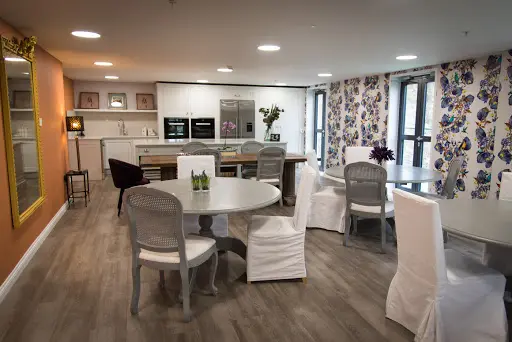
The dining experience gets particular mention, with meals adapted for different dietary needs — whether that's softer textures for swallowing difficulties or careful attention to medical requirements. Families appreciate being invited to share meals too, extending that sense of belonging beyond just the resident.
“While experiences vary, as they do in any care setting, many families speak of finding real support here during some of life's most challenging transitions.”
DCC does not edit or curate content in this tab. For independently curated information, see The Evidence and DCC Verdict.