Inwood House Residential Home

At a Glance
The information you need to decide whether this home warrants a closer look.
Residential homes
Staff warmth score
of reviewers answered yes
Good to know
- Registered beds55
- SpecialismsCaring for adults over 65 yrs, Caring for adults under 65 yrs, Dementia, Mental health conditions, Physical disabilities
- Last inspected2022-08-05
Save Inwood House Residential Home to your shortlist
Keep a running list, add visit notes, and compare homes side-by-side. Free account — it takes a minute.
STAGE 4 — RESEARCHING CARE HOMES
Visit homes. Compare them side by side. Choose with confidence.
Most of us will view care homes the way we view houses, impression, atmosphere, the feeling in the corridor. We go home, try to remember what we saw, and make a permanent decision from a blurred memory.

The DCC shortlist gives every home you visit a structured record: the same twelve questions, answered the same way, every time. When you’re ready to choose, pull any two homes side by side and compare them directly. Same criteria, same evidence, your notes and your scores.
The Evidence
What the review data, the inspection reports, and the dementia-care evidence base tell us about this home.
What families say
What strikes visitors most is how the team greets everyone — residents and families alike — with real warmth. People describe an inclusive atmosphere where residents help shape their own care decisions, and where even those who initially seem reluctant to join in find themselves drawn into activities. The dedication shows particularly during difficult times, with families noting how sensitively the team handles end-of-life care.
The eight family priority themes
- Staff warmth72
- Compassion & dignity72
- Cleanliness70
- Activities & engagement68
- Food quality68
- Healthcare70
- Management & leadership72
- Resident happiness70
What inspectors found
Inspected 2022-08-05
Is this home safe?
Is the care effective?
Inwood House was rated Good for Effective at the July 2022 inspection. The home supports people with dementia, mental health conditions, and physical disabilities, all of which require tailored, evidence-informed care approaches. The published inspection text does not describe specific care planning practices, GP access arrangements, or the content of staff dementia training. No concerns about the effectiveness of care were flagged.Is this home caring?
Inwood House was rated Good for Caring at the July 2022 inspection. This domain covers staff warmth, respect for dignity and privacy, and whether people are treated as individuals. No specific inspector observations of staff interactions were included in the published summary, and no resident or relative quotes were recorded. The Good rating indicates inspectors were satisfied with the standard of caring at the time of the visit.Is the home responsive?
Inwood House was rated Good for Responsive at the July 2022 inspection. This domain covers whether activities are meaningful and tailored, whether individual preferences shape daily life, and whether end-of-life planning is in place. The published summary does not describe specific activities, one-to-one engagement for residents who cannot join groups, or how individual histories inform daily routines. No concerns were flagged in this domain.Is the home well-led?
Inwood House was rated Good for Well-led at the July 2022 inspection, having previously been rated Requires Improvement. The nominated individual is Mrs Katie Payne. The published summary does not describe the manager's visibility on the floor, how long the current management team has been in post, or how the home handles staff concerns and complaints. The improvement from Requires Improvement to Good across all domains suggests that leadership changes or governance improvements have been made since the previous inspection.
Source: CQC inspection report →
What the evidence base says
Inwood House supports adults of all ages with dementia, mental health conditions, and physical disabilities. The team has particular experience helping people through short-term respite stays and rehabilitation, with several families noting how well their relatives recovered here before returning home. For residents living with dementia, the inclusive approach means people stay involved in decisions about their care wherever possible. The varied activity programme adapts to different cognitive abilities, ensuring everyone finds ways to connect and engage. All areas worth probing directly during a visit.
The DCC Verdict
Our editorial view, built from the three lenses: what families tell us, what inspectors record, and how the home sits against good dementia-care practice.
DCC Family Score
Inwood House has improved from Requires Improvement to Good across all five inspection domains, which is a meaningful step forward. However, the published inspection text contains very little specific detail, so most scores reflect the rating itself rather than direct observations or testimony.
Homes in Yorkshire & Humberside typically score 68–82.The three-lens summary
What families tell us
What strikes visitors most is how the team greets everyone — residents and families alike — with real warmth. People describe an inclusive atmosphere where residents help shape their own care decisions, and where even those who initially seem reluctant to join in find themselves drawn into activities. The dedication shows particularly during difficult times, with families noting how sensitively the team handles end-of-life care.
What inspectors have recorded
The activities programme stands out as something special — residents across all abilities find ways to participate, whether that's joining group entertainment or receiving one-to-one engagement in their rooms. The Activities Coordinator ensures nobody gets left out. Though one family did report finding initial phone enquiries less welcoming than the in-person experience, once people visit, they consistently describe staff who balance friendliness with real professional skill.
How it sits against good practice
Sometimes the right care home is one where recovery actually happens — where people don't just maintain, but improve.
Worth a visit
Inwood House, on Wakefield Road, was rated Good across all five inspection domains at its most recent inspection in July 2022. Importantly, this follows a previous rating of Requires Improvement, meaning the home has made genuine progress rather than simply maintaining an existing standard. The home supports up to 55 people and caters for a wide range of needs including dementia, mental health conditions, and physical disabilities. The main limitation here is that the published inspection text contains very little specific detail. There are no direct observations of staff interactions, no resident or relative quotes, and no description of what daily life looks like inside the home. A Good rating is a positive foundation, but it tells you the minimum, not the full picture. On your visit, arrive at a mealtime if you can, walk through communal areas unescorted if the manager agrees, and ask to see the staffing rota for the previous week so you can check permanent versus agency cover on night shifts.
The three questions to ask when you visitSave this home. Compare it against your shortlist.
Let our analysis show you how Inwood House Residential Home measures up against the other homes you’re considering. Free account.
In Their Own Words
How Inwood House Residential Home describes itself — collected from its own website. DCC has not edited or independently verified the content in this tab.
Where recovering residents rediscover their independence through genuine care
Inwood House – Your Trusted residential home
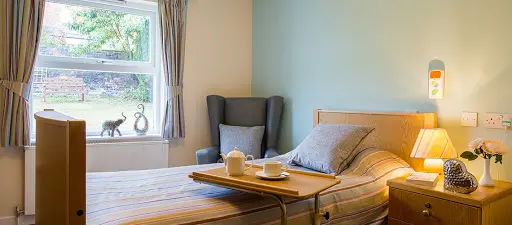
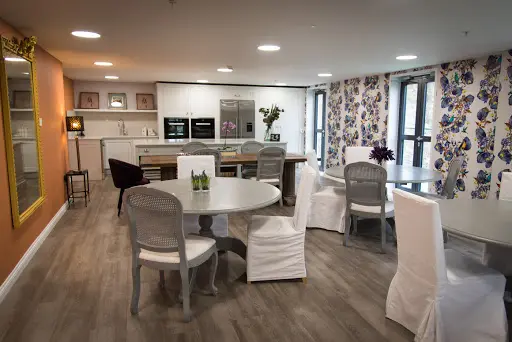
Families choosing Inwood House in Wakefield often talk about watching their relatives come back to life here. Whether someone needs short-term support after hospital or longer-term care, this Yorkshire home creates an environment where people genuinely thrive. From the bright café serving homemade treats to the newly refurbished bedrooms, the whole place feels designed around helping residents feel comfortable and engaged.
Who they care for
Inwood House supports adults of all ages with dementia, mental health conditions, and physical disabilities. The team has particular experience helping people through short-term respite stays and rehabilitation, with several families noting how well their relatives recovered here before returning home.
For residents living with dementia, the inclusive approach means people stay involved in decisions about their care wherever possible. The varied activity programme adapts to different cognitive abilities, ensuring everyone finds ways to connect and engage.
“Sometimes the right care home is one where recovery actually happens — where people don't just maintain, but improve.”
DCC does not edit or curate content in this tab. For independently curated information, see The Evidence and DCC Verdict.
The DCC Verdict
Our editorial view, built from the three lenses: what families tell us, what inspectors record, and how the home sits against good dementia-care practice.
DCC Family Score
Inwood House has improved from Requires Improvement to Good across all five inspection domains, which is a meaningful step forward. However, the published inspection text contains very little specific detail, so most scores reflect the rating itself rather than direct observations or testimony.
Homes in Yorkshire & Humberside typically score 68–82.The three-lens summary
What families tell us
What strikes visitors most is how the team greets everyone — residents and families alike — with real warmth. People describe an inclusive atmosphere where residents help shape their own care decisions, and where even those who initially seem reluctant to join in find themselves drawn into activities. The dedication shows particularly during difficult times, with families noting how sensitively the team handles end-of-life care.
What inspectors have recorded
The activities programme stands out as something special — residents across all abilities find ways to participate, whether that's joining group entertainment or receiving one-to-one engagement in their rooms. The Activities Coordinator ensures nobody gets left out. Though one family did report finding initial phone enquiries less welcoming than the in-person experience, once people visit, they consistently describe staff who balance friendliness with real professional skill.
How it sits against good practice
Sometimes the right care home is one where recovery actually happens — where people don't just maintain, but improve.
Worth a visit
Inwood House, on Wakefield Road, was rated Good across all five inspection domains at its most recent inspection in July 2022. Importantly, this follows a previous rating of Requires Improvement, meaning the home has made genuine progress rather than simply maintaining an existing standard. The home supports up to 55 people and caters for a wide range of needs including dementia, mental health conditions, and physical disabilities. The main limitation here is that the published inspection text contains very little specific detail. There are no direct observations of staff interactions, no resident or relative quotes, and no description of what daily life looks like inside the home. A Good rating is a positive foundation, but it tells you the minimum, not the full picture. On your visit, arrive at a mealtime if you can, walk through communal areas unescorted if the manager agrees, and ask to see the staffing rota for the previous week so you can check permanent versus agency cover on night shifts.
The three questions to ask when you visitSave this home. Compare it against your shortlist.
Let our analysis show you how Inwood House Residential Home measures up against the other homes you’re considering. Free account.
In Their Own Words
How Inwood House Residential Home describes itself — collected from its own website. DCC has not edited or independently verified the content in this tab.
Where recovering residents rediscover their independence through genuine care
Inwood House – Your Trusted residential home
Families choosing Inwood House in Wakefield often talk about watching their relatives come back to life here. Whether someone needs short-term support after hospital or longer-term care, this Yorkshire home creates an environment where people genuinely thrive. From the bright café serving homemade treats to the newly refurbished bedrooms, the whole place feels designed around helping residents feel comfortable and engaged.
Who they care for
Inwood House supports adults of all ages with dementia, mental health conditions, and physical disabilities. The team has particular experience helping people through short-term respite stays and rehabilitation, with several families noting how well their relatives recovered here before returning home.
For residents living with dementia, the inclusive approach means people stay involved in decisions about their care wherever possible. The varied activity programme adapts to different cognitive abilities, ensuring everyone finds ways to connect and engage.
Management & ethos
The activities programme stands out as something special — residents across all abilities find ways to participate, whether that's joining group entertainment or receiving one-to-one engagement in their rooms. The Activities Coordinator ensures nobody gets left out. Though one family did report finding initial phone enquiries less welcoming than the in-person experience, once people visit, they consistently describe staff who balance friendliness with real professional skill.
The home & environment
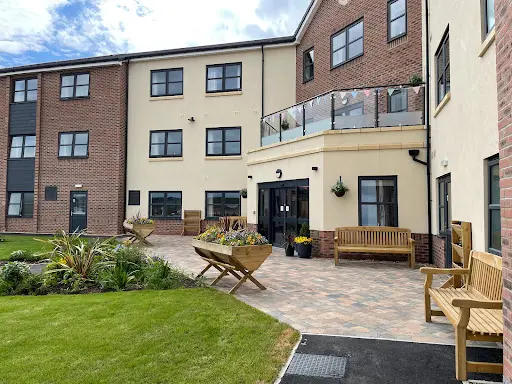
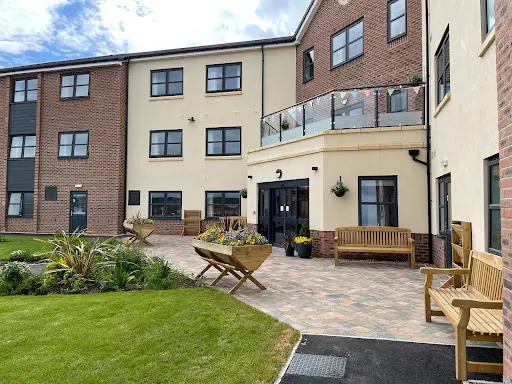
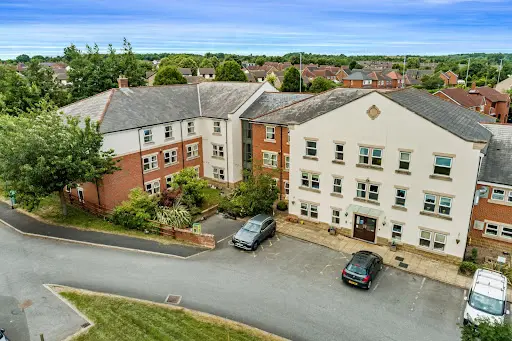
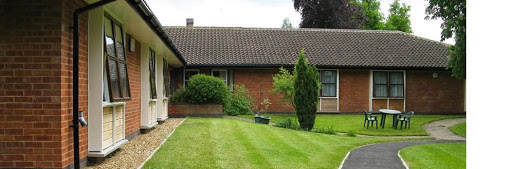
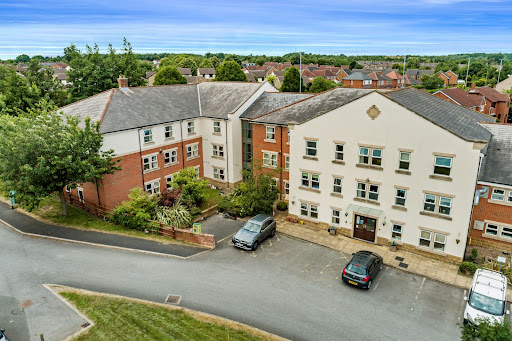
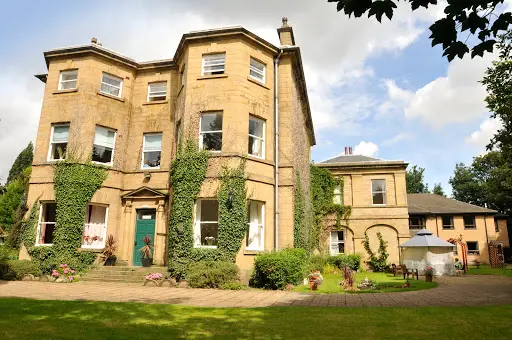
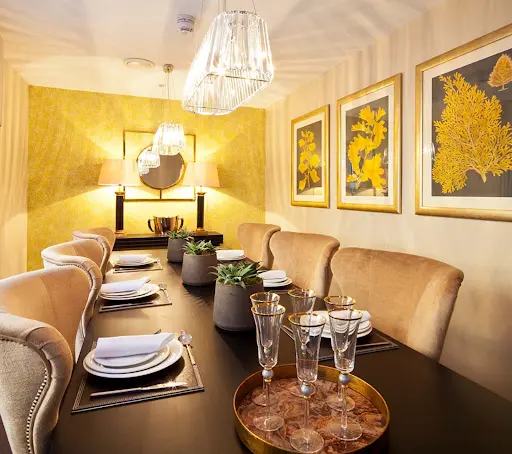
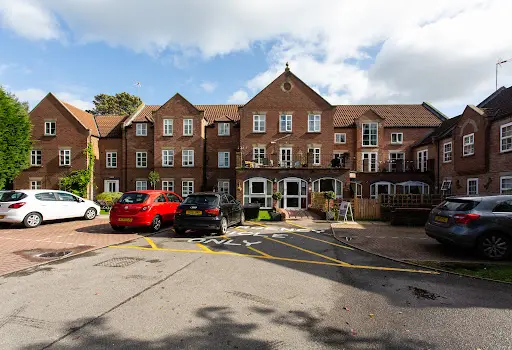
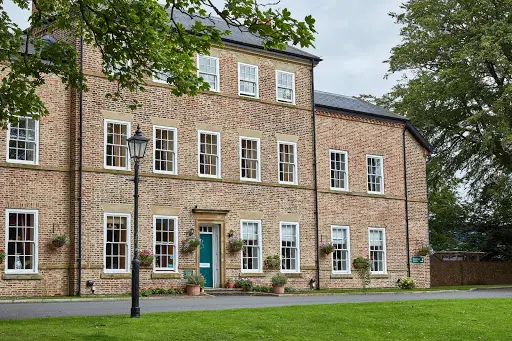
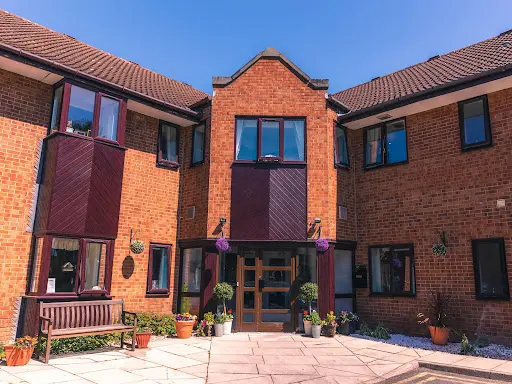
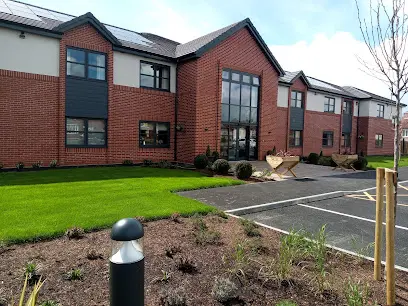
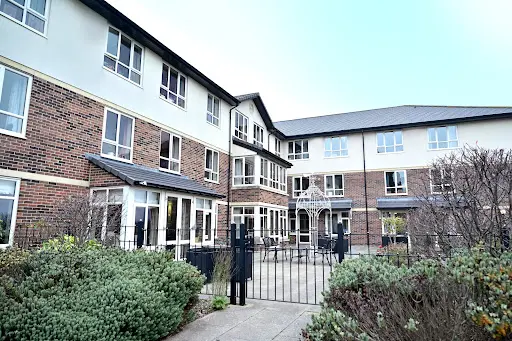
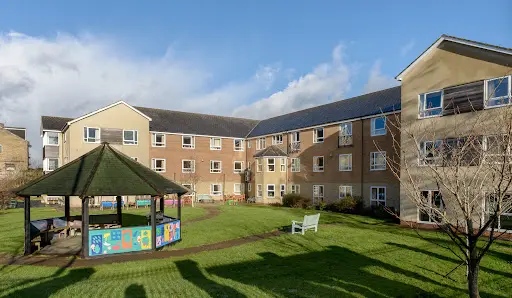
The physical spaces here feel genuinely welcoming, from bright communal areas to the popular café corner where residents and visitors gather over homemade refreshments. Bedrooms have been recently refurbished to create comfortable personal spaces. Throughout the building, there's a sense of life and energy that families say makes visiting feel natural rather than institutional.
“Sometimes the right care home is one where recovery actually happens — where people don't just maintain, but improve.”
DCC does not edit or curate content in this tab. For independently curated information, see The Evidence and DCC Verdict.