The Old Vicarage Care Home
At a Glance
The information you need to decide whether this home warrants a closer look.
Residential homes
Staff warmth score
of reviewers answered yes
Good to know
- Registered beds41
- SpecialismsCaring for adults over 65 yrs, Dementia
- Last inspected2023-08-09
Save The Old Vicarage Care Home to your shortlist
Keep a running list, add visit notes, and compare homes side-by-side. Free account — it takes a minute.
STAGE 4 — RESEARCHING CARE HOMES
Visit homes. Compare them side by side. Choose with confidence.
Most of us will view care homes the way we view houses, impression, atmosphere, the feeling in the corridor. We go home, try to remember what we saw, and make a permanent decision from a blurred memory.

The DCC shortlist gives every home you visit a structured record: the same twelve questions, answered the same way, every time. When you’re ready to choose, pull any two homes side by side and compare them directly. Same criteria, same evidence, your notes and your scores.
The Evidence
What the review data, the inspection reports, and the dementia-care evidence base tell us about this home.
What families say
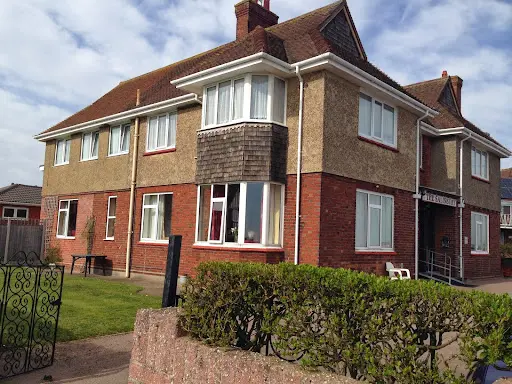
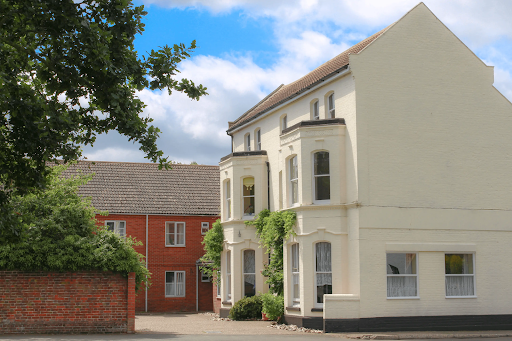
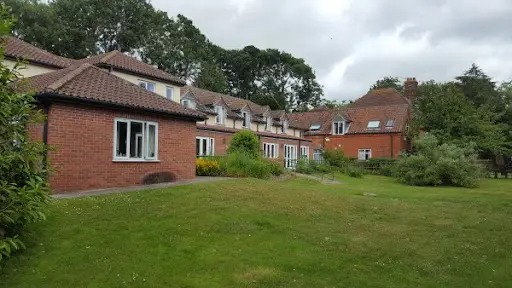
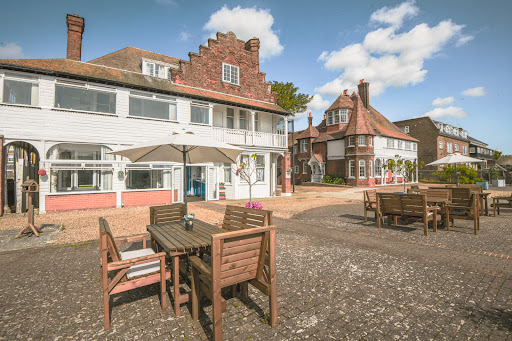
Some residents have found contentment here, with one family noting how well their relative has settled into what they now consider their home. The grounds and building itself have real character, offering spacious surroundings that can feel less institutional than newer builds.
The eight family priority themes
- Staff warmth25
- Compassion & dignity25
- Cleanliness30
- Activities & engagement20
- Food quality20
- Healthcare25
- Management & leadership20
- Resident happiness20
What inspectors found
Inspected 2023-08-09
Is this home safe?
Is the care effective?
The effective domain was not individually rated at the August 2023 inspection. The published findings contain no specific observations about care plan quality, GP access, dementia training, or nutrition and hydration. There is no evidence of how frequently care plans are reviewed or whether families are routinely included. The absence of recorded detail prevents any confident assessment of how well the home understands and meets individual care needs.Is this home caring?
The caring domain was not individually rated at the August 2023 inspection. The published findings contain no direct observations of staff interactions, no testimony from residents or relatives about kindness or dignity, and no specific evidence about how privacy is maintained. Staff warmth and compassion are the two most frequently cited themes in positive family reviews across our dataset (57.3% and 55.2% respectively), which makes the absence of any recorded evidence in this domain particularly significant.Is the home responsive?
The responsive domain was not individually rated at the August 2023 inspection. The published findings contain no description of the activity programme, no evidence of one-to-one engagement for people who cannot join groups, and no testimony about whether the people who live here feel that their individual preferences and routines are honoured. For a home specialising in dementia care, the responsive domain covers some of the most important quality-of-life questions, and the absence of evidence here is a significant gap.Is the home well-led?
The well-led domain was not individually rated at the August 2023 inspection. The overall Inadequate rating, combined with the decline from a previous Good rating, suggests that leadership and governance have been a significant concern. The published findings do not record specific observations about the manager's visibility, staff culture, or how the home handles complaints and incidents. The registered provider is Hewitt-Hill Limited, with Ms Christine Mary Skellham as the nominated individual.
Source: CQC inspection report →
What the evidence base says
The Old Vicarage provides residential care for adults over 65, with particular experience in supporting those living with dementia. Supporting someone with dementia requires specialized understanding and approaches. While the home lists dementia care as a specialism, some observations suggest their practices in this area may benefit from closer examination when you visit. All areas worth probing directly during a visit.
The DCC Verdict
Our editorial view, built from the three lenses: what families tell us, what inspectors record, and how the home sits against good dementia-care practice.
DCC Family Score
This home received an overall Inadequate rating at its August 2023 inspection, with no domain-level scores recorded, meaning the inspection found serious concerns serious enough to warrant the lowest possible rating. The published findings do not provide enough specific detail to score individual themes with confidence, and every theme is therefore scored to reflect that absence of reassuring evidence.
Homes in East typically score 68–82.The three-lens summary
What families tell us
Some residents have found contentment here, with one family noting how well their relative has settled into what they now consider their home. The grounds and building itself have real character, offering spacious surroundings that can feel less institutional than newer builds.
What inspectors have recorded
How it sits against good practice
Every family's experience differs, so visiting and asking specific questions about staffing, supervision and daily routines will help you understand if this is the right place for your loved one.
Worth a visit
The care home on Norwich Road, Great Yarmouth was rated Inadequate at its August 2023 inspection. This is the lowest rating the official inspection body issues, and it represents a significant decline from the previous rating of Good. The published report provides very limited specific detail about what inspectors found, and no domain-level scores were recorded, which means it is not possible to identify particular strengths to balance against the concerns. The most important thing to understand is that an Inadequate rating places a home under heightened scrutiny, and the provider is required to make improvements or face further regulatory action. Before visiting, check whether a more recent inspection report has been published (a report dated December 2024 appears to exist but was not included in the findings provided). Ask the manager directly what improvements have been made since August 2023, request evidence of those changes, and ask whether the home is currently under any conditions or requirements. On your visit, pay close attention to how staff interact with the people who live there in unplanned moments, in corridors and communal areas, not only in formal introductions.
The three questions to ask when you visitSave this home. Compare it against your shortlist.
Let our analysis show you how The Old Vicarage Care Home measures up against the other homes you’re considering. Free account.
In Their Own Words
How The Old Vicarage Care Home describes itself — collected from its own website. DCC has not edited or independently verified the content in this tab.
Dementia care in characterful Great Yarmouth setting with mixed experiences
The Old Vicarage – Expert Care in Great Yarmouth
Choosing dementia care means weighing many factors, and The Old Vicarage in Great Yarmouth presents both positives and concerns worth considering. This converted period building offers care for those over 65, including specialized dementia support. While some families report their relatives have settled well here, others have raised questions about staffing and care practices that deserve your attention.
Who they care for
The Old Vicarage provides residential care for adults over 65, with particular experience in supporting those living with dementia.
Supporting someone with dementia requires specialized understanding and approaches. While the home lists dementia care as a specialism, some observations suggest their practices in this area may benefit from closer examination when you visit.
“Every family's experience differs, so visiting and asking specific questions about staffing, supervision and daily routines will help you understand if this is the right place for your loved one.”
DCC does not edit or curate content in this tab. For independently curated information, see The Evidence and DCC Verdict.
The DCC Verdict
Our editorial view, built from the three lenses: what families tell us, what inspectors record, and how the home sits against good dementia-care practice.
DCC Family Score
This home received an overall Inadequate rating at its August 2023 inspection, with no domain-level scores recorded, meaning the inspection found serious concerns serious enough to warrant the lowest possible rating. The published findings do not provide enough specific detail to score individual themes with confidence, and every theme is therefore scored to reflect that absence of reassuring evidence.
Homes in East typically score 68–82.The three-lens summary
What families tell us
Some residents have found contentment here, with one family noting how well their relative has settled into what they now consider their home. The grounds and building itself have real character, offering spacious surroundings that can feel less institutional than newer builds.
What inspectors have recorded
How it sits against good practice
Every family's experience differs, so visiting and asking specific questions about staffing, supervision and daily routines will help you understand if this is the right place for your loved one.
Worth a visit
The care home on Norwich Road, Great Yarmouth was rated Inadequate at its August 2023 inspection. This is the lowest rating the official inspection body issues, and it represents a significant decline from the previous rating of Good. The published report provides very limited specific detail about what inspectors found, and no domain-level scores were recorded, which means it is not possible to identify particular strengths to balance against the concerns. The most important thing to understand is that an Inadequate rating places a home under heightened scrutiny, and the provider is required to make improvements or face further regulatory action. Before visiting, check whether a more recent inspection report has been published (a report dated December 2024 appears to exist but was not included in the findings provided). Ask the manager directly what improvements have been made since August 2023, request evidence of those changes, and ask whether the home is currently under any conditions or requirements. On your visit, pay close attention to how staff interact with the people who live there in unplanned moments, in corridors and communal areas, not only in formal introductions.
The three questions to ask when you visitSave this home. Compare it against your shortlist.
Let our analysis show you how The Old Vicarage Care Home measures up against the other homes you’re considering. Free account.
In Their Own Words
How The Old Vicarage Care Home describes itself — collected from its own website. DCC has not edited or independently verified the content in this tab.
Dementia care in characterful Great Yarmouth setting with mixed experiences
The Old Vicarage – Expert Care in Great Yarmouth
Choosing dementia care means weighing many factors, and The Old Vicarage in Great Yarmouth presents both positives and concerns worth considering. This converted period building offers care for those over 65, including specialized dementia support. While some families report their relatives have settled well here, others have raised questions about staffing and care practices that deserve your attention.
Who they care for
The Old Vicarage provides residential care for adults over 65, with particular experience in supporting those living with dementia.
Supporting someone with dementia requires specialized understanding and approaches. While the home lists dementia care as a specialism, some observations suggest their practices in this area may benefit from closer examination when you visit.
The home & environment
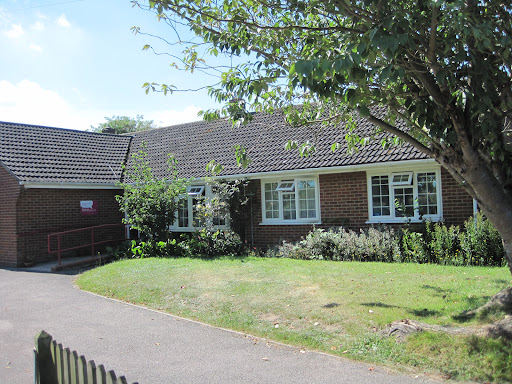
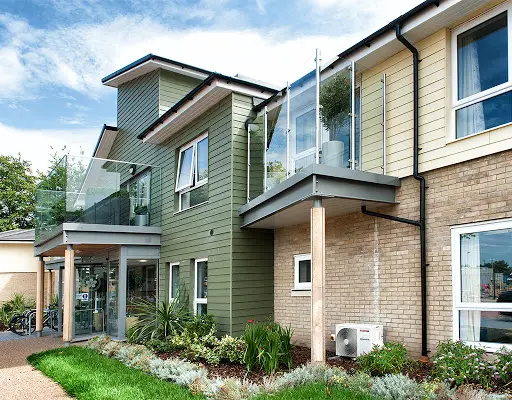
The home has both older and newer sections, which means room quality varies depending on where someone is placed. The newer wing offers better accommodation, though steep slopes between different areas can make it challenging for residents who aren't fully mobile to get around independently.
“Every family's experience differs, so visiting and asking specific questions about staffing, supervision and daily routines will help you understand if this is the right place for your loved one.”
DCC does not edit or curate content in this tab. For independently curated information, see The Evidence and DCC Verdict.