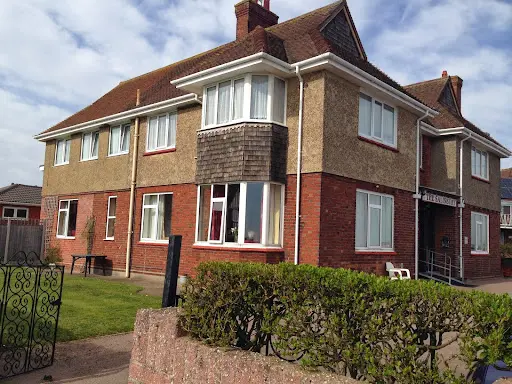
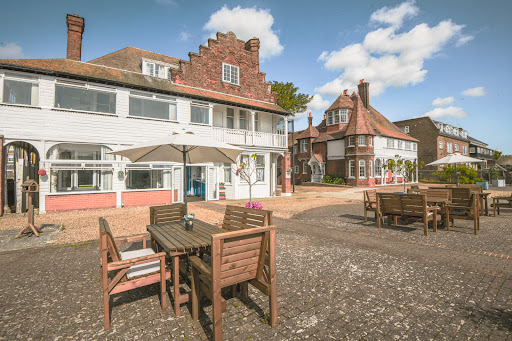
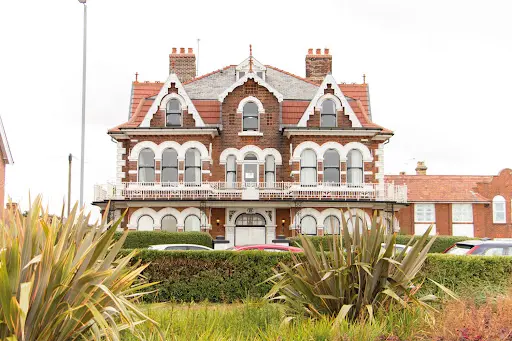
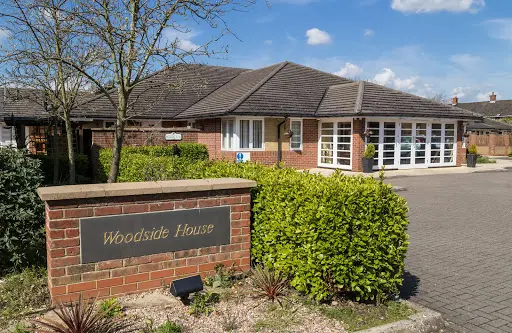
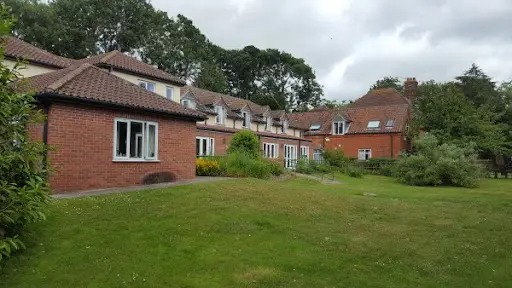
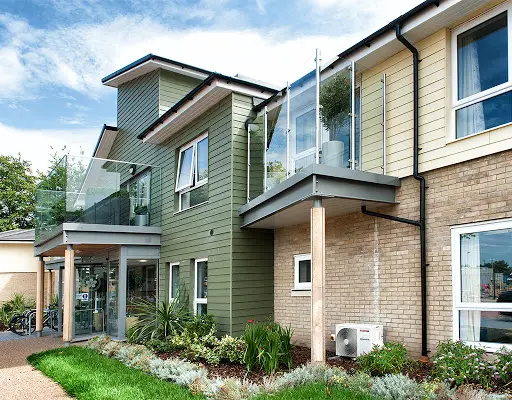
Lydia Eva Court Residential Care Home

At a Glance
The information you need to decide whether this home warrants a closer look.
Residential homes
Staff warmth score
of reviewers answered yes
Good to know
- Registered beds89
- SpecialismsCaring for adults over 65 yrs, Dementia
- Last inspected2018-03-22
Save Lydia Eva Court Residential Care Home to your shortlist
Keep a running list, add visit notes, and compare homes side-by-side. Free account — it takes a minute.
STAGE 4 — RESEARCHING CARE HOMES
Visit homes. Compare them side by side. Choose with confidence.
Most of us will view care homes the way we view houses, impression, atmosphere, the feeling in the corridor. We go home, try to remember what we saw, and make a permanent decision from a blurred memory.

The DCC shortlist gives every home you visit a structured record: the same twelve questions, answered the same way, every time. When you’re ready to choose, pull any two homes side by side and compare them directly. Same criteria, same evidence, your notes and your scores.
The Evidence
What the review data, the inspection reports, and the dementia-care evidence base tell us about this home.
What families say
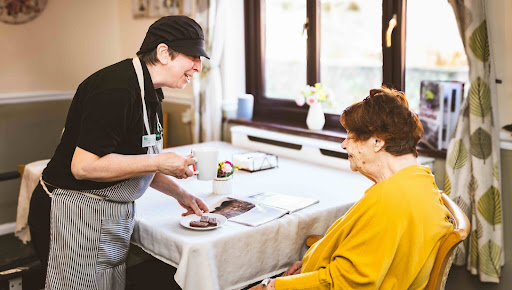
Visitors often comment on how well-presented residents look — clean, comfortable and cared for in ways that matter. The summer fair and regular themed entertainment create moments of genuine enjoyment, with staff making sure everyone can participate safely. There's a cheerfulness here that families notice, from the warm greetings at the door to the way staff chat naturally with residents throughout the day.
The eight family priority themes
- Staff warmth55
- Compassion & dignity55
- Cleanliness55
- Activities & engagement50
- Food quality50
- Healthcare50
- Management & leadership60
- Resident happiness55
What inspectors found
Inspected 2018-03-22
Is this home safe?
Is the care effective?
The home received a Good rating for Effective at the January 2018 inspection. This domain covers training, care planning, nutrition, and access to healthcare. No specific detail about dementia training content, care plan quality, GP access arrangements, or mealtime observations is recorded in the published summary. Dementia is listed as a specialism, which implies the home has dedicated expertise, but the extent and recency of staff training cannot be confirmed from the available text.Is this home caring?
The home was rated Good for Caring at the January 2018 inspection. This domain covers staff warmth, dignity, respect for privacy, and whether residents are treated as individuals. No inspector observations about corridor interactions, use of preferred names, or resident testimony are recorded in the published summary. The Good rating indicates inspectors were satisfied with what they saw, but the absence of specific detail means families cannot verify what that satisfaction was based on.Is the home responsive?
The home was rated Good for Responsive at the January 2018 inspection. This domain covers activities, individual engagement, complaints handling, and end-of-life care. No specific activity programmes, examples of tailored individual engagement, or details about how the home handles complaints are recorded in the published summary. The home's dementia specialism suggests some level of tailored provision, but the nature and variety of activities cannot be confirmed from the available text.Is the home well-led?
The home was rated Good for Well-led at the January 2018 inspection, having previously been rated Requires Improvement. A registered manager, Mrs Lisa Utting, was in post, and a nominated individual, Ms Joanna Huxtable, is named. The improvement from Requires Improvement to Good in this domain is a meaningful positive sign, suggesting the leadership team addressed whatever concerns were previously identified. No detail about management visibility, staff culture, governance systems, or how the home handles feedback is recorded in the published summary.
Source: CQC inspection report →
What the evidence base says
The home provides specialist dementia care alongside general support for older adults. With experience caring for residents at different stages of their journey, the team understands the importance of adapting their approach to each person's changing needs. For residents living with dementia, the structured activities programme helps maintain social connections and stimulation. Staff work to preserve dignity through all stages of the condition, paying attention to personal care and appearance in ways that help residents feel like themselves. All areas worth probing directly during a visit.
The DCC Verdict
Our editorial view, built from the three lenses: what families tell us, what inspectors record, and how the home sits against good dementia-care practice.
DCC Family Score
Lydia Eva Court holds a Good rating across all five domains following an inspection in January 2018, which is a positive sign, but the published report text contains very little specific detail about what inspectors actually observed. The score reflects that Good rating while honestly acknowledging the limited evidence available to families.
Homes in East typically score 68–82.The three-lens summary
What families tell us
Visitors often comment on how well-presented residents look — clean, comfortable and cared for in ways that matter. The summer fair and regular themed entertainment create moments of genuine enjoyment, with staff making sure everyone can participate safely. There's a cheerfulness here that families notice, from the warm greetings at the door to the way staff chat naturally with residents throughout the day.
What inspectors have recorded
Staff here show real warmth in their daily interactions, taking time to know each resident as an individual. When families visit, they find staff who are approachable and willing to chat about their loved one's day. The team works to maintain routines that help residents feel secure and cared for.
How it sits against good practice
Sometimes the smallest details — a favourite meal, a familiar routine, a moment of laughter — make all the difference in feeling truly cared for.
Worth a visit
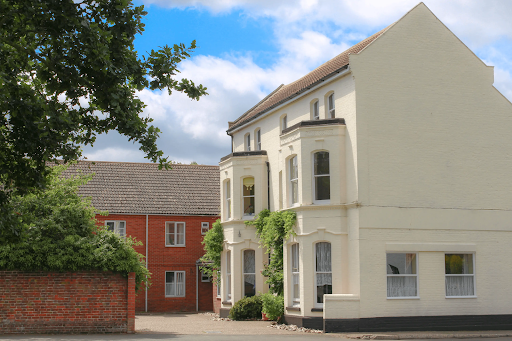
Lydia Eva Court, on Peterhouse Avenue in Great Yarmouth, was rated Good across all five inspection domains following an official inspection in January 2018. That rating followed a previous Requires Improvement finding, which means the home demonstrated meaningful progress. The home is run by Norse Care (Services) Limited and specialises in dementia care and the care of adults over 65, with 89 beds. A named registered manager was in post at the time of inspection. The main limitation for families reading this report is that the published inspection text contains almost no specific detail about what inspectors actually saw, heard, or recorded. The Good rating is a genuine positive signal, but it dates from January 2018, which is now over six years old. The inspection notes from July 2023 indicate no evidence was found to warrant reassessment, but that is a monitoring review, not a full re-inspection. Before making a decision, visit the home in person, ask to see the most recent staffing rota, request details of how the dementia unit is set up, and ask the manager directly about night staffing numbers, agency staff usage, and how families are kept informed.
The three questions to ask when you visitSave this home. Compare it against your shortlist.
Let our analysis show you how Lydia Eva Court Residential Care Home measures up against the other homes you’re considering. Free account.
In Their Own Words
How Lydia Eva Court Residential Care Home describes itself — collected from its own website. DCC has not edited or independently verified the content in this tab.
Where familiar routines and thoughtful care help residents feel at home
Lydia Eva Court – Expert Care in Great Yarmouth
Families seeking dementia care often worry whether their loved one will keep their sense of self in a care setting. At Lydia Eva Court in Great Yarmouth, the focus on personal dignity and meaningful activities helps residents maintain connections to who they've always been. The home specialises in dementia care for adults over 65, with spacious rooms and gardens that give everyone room to breathe.
Who they care for
The home provides specialist dementia care alongside general support for older adults. With experience caring for residents at different stages of their journey, the team understands the importance of adapting their approach to each person's changing needs.
For residents living with dementia, the structured activities programme helps maintain social connections and stimulation. Staff work to preserve dignity through all stages of the condition, paying attention to personal care and appearance in ways that help residents feel like themselves.
“Sometimes the smallest details — a favourite meal, a familiar routine, a moment of laughter — make all the difference in feeling truly cared for.”
DCC does not edit or curate content in this tab. For independently curated information, see The Evidence and DCC Verdict.
The DCC Verdict
Our editorial view, built from the three lenses: what families tell us, what inspectors record, and how the home sits against good dementia-care practice.
DCC Family Score
Lydia Eva Court holds a Good rating across all five domains following an inspection in January 2018, which is a positive sign, but the published report text contains very little specific detail about what inspectors actually observed. The score reflects that Good rating while honestly acknowledging the limited evidence available to families.
Homes in East typically score 68–82.The three-lens summary
What families tell us
Visitors often comment on how well-presented residents look — clean, comfortable and cared for in ways that matter. The summer fair and regular themed entertainment create moments of genuine enjoyment, with staff making sure everyone can participate safely. There's a cheerfulness here that families notice, from the warm greetings at the door to the way staff chat naturally with residents throughout the day.
What inspectors have recorded
Staff here show real warmth in their daily interactions, taking time to know each resident as an individual. When families visit, they find staff who are approachable and willing to chat about their loved one's day. The team works to maintain routines that help residents feel secure and cared for.
How it sits against good practice
Sometimes the smallest details — a favourite meal, a familiar routine, a moment of laughter — make all the difference in feeling truly cared for.
Worth a visit
Lydia Eva Court, on Peterhouse Avenue in Great Yarmouth, was rated Good across all five inspection domains following an official inspection in January 2018. That rating followed a previous Requires Improvement finding, which means the home demonstrated meaningful progress. The home is run by Norse Care (Services) Limited and specialises in dementia care and the care of adults over 65, with 89 beds. A named registered manager was in post at the time of inspection. The main limitation for families reading this report is that the published inspection text contains almost no specific detail about what inspectors actually saw, heard, or recorded. The Good rating is a genuine positive signal, but it dates from January 2018, which is now over six years old. The inspection notes from July 2023 indicate no evidence was found to warrant reassessment, but that is a monitoring review, not a full re-inspection. Before making a decision, visit the home in person, ask to see the most recent staffing rota, request details of how the dementia unit is set up, and ask the manager directly about night staffing numbers, agency staff usage, and how families are kept informed.
The three questions to ask when you visitSave this home. Compare it against your shortlist.
Let our analysis show you how Lydia Eva Court Residential Care Home measures up against the other homes you’re considering. Free account.
In Their Own Words
How Lydia Eva Court Residential Care Home describes itself — collected from its own website. DCC has not edited or independently verified the content in this tab.
Where familiar routines and thoughtful care help residents feel at home
Lydia Eva Court – Expert Care in Great Yarmouth
Families seeking dementia care often worry whether their loved one will keep their sense of self in a care setting. At Lydia Eva Court in Great Yarmouth, the focus on personal dignity and meaningful activities helps residents maintain connections to who they've always been. The home specialises in dementia care for adults over 65, with spacious rooms and gardens that give everyone room to breathe.
Who they care for
The home provides specialist dementia care alongside general support for older adults. With experience caring for residents at different stages of their journey, the team understands the importance of adapting their approach to each person's changing needs.
For residents living with dementia, the structured activities programme helps maintain social connections and stimulation. Staff work to preserve dignity through all stages of the condition, paying attention to personal care and appearance in ways that help residents feel like themselves.
Management & ethos
Staff here show real warmth in their daily interactions, taking time to know each resident as an individual. When families visit, they find staff who are approachable and willing to chat about their loved one's day. The team works to maintain routines that help residents feel secure and cared for.
The home & environment
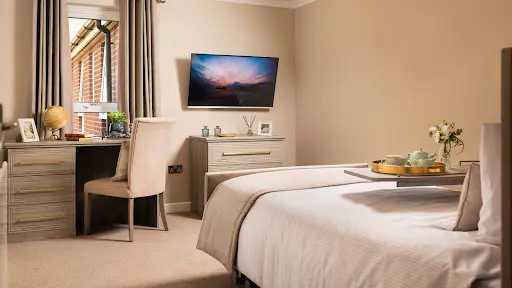
The home serves proper home-cooked meals with plenty of variety, and families appreciate the attention to making sure residents eat and drink well. Each room has its own en-suite bathroom, giving everyone privacy and dignity. The gardens provide peaceful outdoor space, while inside stays comfortably warm through the seasons.
“Sometimes the smallest details — a favourite meal, a familiar routine, a moment of laughter — make all the difference in feeling truly cared for.”
DCC does not edit or curate content in this tab. For independently curated information, see The Evidence and DCC Verdict.