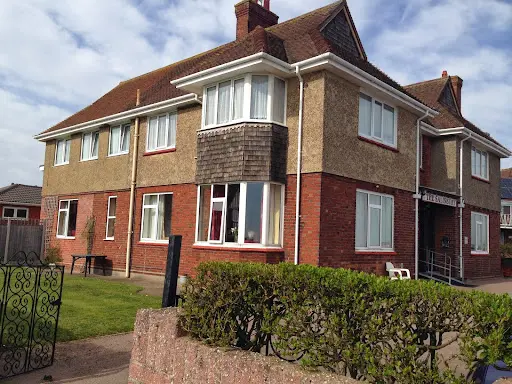
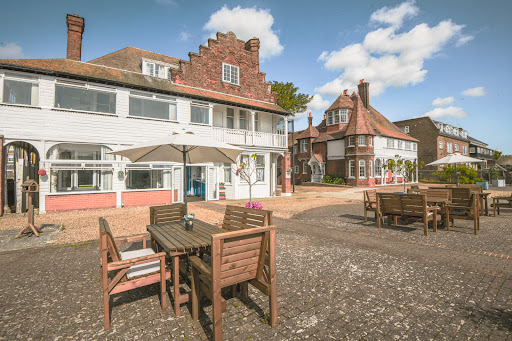
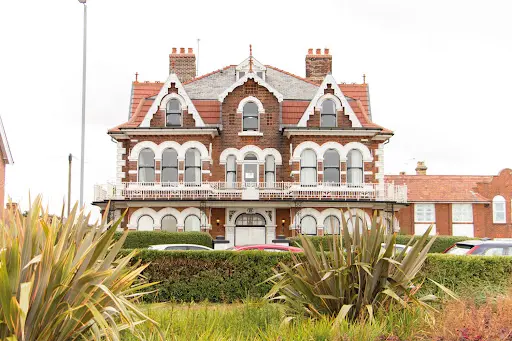
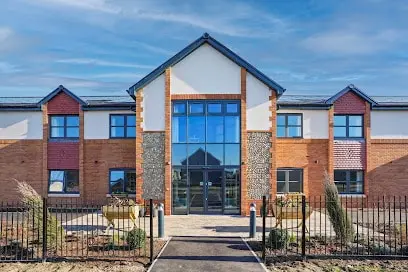
Burgh House
At a Glance
The information you need to decide whether this home warrants a closer look.
Residential homes
Staff warmth score
of reviewers answered yes
Good to know
- Registered beds53
- SpecialismsCaring for adults over 65 yrs, Caring for adults under 65 yrs, Dementia
- Last inspected2018-08-01
Save Burgh House to your shortlist
Keep a running list, add visit notes, and compare homes side-by-side. Free account — it takes a minute.
STAGE 4 — RESEARCHING CARE HOMES
Visit homes. Compare them side by side. Choose with confidence.
Most of us will view care homes the way we view houses, impression, atmosphere, the feeling in the corridor. We go home, try to remember what we saw, and make a permanent decision from a blurred memory.

The DCC shortlist gives every home you visit a structured record: the same twelve questions, answered the same way, every time. When you’re ready to choose, pull any two homes side by side and compare them directly. Same criteria, same evidence, your notes and your scores.
The Evidence
What the review data, the inspection reports, and the dementia-care evidence base tell us about this home.
What families say
The eight family priority themes
- Staff warmth55
- Compassion & dignity55
- Cleanliness55
- Activities & engagement50
- Food quality50
- Healthcare50
- Management & leadership60
- Resident happiness55
What inspectors found
Inspected 2018-08-01
Is this home safe?
Is the care effective?
Effective was rated Good at the August 2018 inspection. For a home specialising in dementia, this domain covers the quality and currency of care plans, access to GPs and specialist services, staff training in dementia care, and how well the home manages nutrition and hydration. A Good rating suggests inspectors were satisfied that staff had the knowledge and systems to deliver effective care. The home's specialism in both over-65 and under-65 dementia care means it should have tailored expertise for different presentations of the condition. Without the full text, whether training was dementia-specific or generic, and how frequently care plans were reviewed, cannot be confirmed.Is this home caring?
Caring was rated Good at the August 2018 inspection. This domain is the one most directly tied to the day-to-day experience of living in the home — whether staff are kind, whether your parent is treated with dignity, whether their independence is supported rather than managed away. A Good rating requires inspectors to observe positive interactions and gather testimony from residents and families. Without the full inspection text, the specific quotes or observations that led to this rating are not available. What can be said is that inspectors judged the standard of care to be good, not merely adequate.Is the home responsive?
Responsive was rated Good at the August 2018 inspection. This domain covers whether the home offers a life worth living — meaningful activities, individual engagement, support for independence, and good end-of-life care. For a dementia-specialist home, responsiveness also means adapting when a person's condition changes and ensuring activities are accessible to those who cannot participate in groups. Without the full inspection text, whether activities were individually tailored, whether one-to-one engagement was offered, or what the end-of-life approach looked like cannot be confirmed.Is the home well-led?
Well-Led was rated Good at the August 2018 inspection, having previously been rated Requires Improvement alongside the overall rating. This is the most significant finding in the available data: the leadership team identified what was not working, made changes, and sustained those changes long enough to satisfy inspectors at the next visit. A Good Well-Led rating typically requires evidence of a clear management culture, staff who feel supported and able to raise concerns, and governance systems that track quality and act on problems. Without the full inspection text, the specific improvements that drove this turnaround cannot be identified.
Source: CQC inspection report →
What the evidence base says
The team here provides residential care for younger adults as well as those over 65, alongside specialist dementia support. This mix of services means they're experienced with different care needs and life stages. For those living with dementia, the home offers specialist care within their residential setting. The team understands the unique challenges and support needed at different stages of the condition. All areas worth probing directly during a visit.
The DCC Verdict
Our editorial view, built from the three lenses: what families tell us, what inspectors record, and how the home sits against good dementia-care practice.
DCC Family Score
This home holds a Good rating across all five inspection domains and has improved from a previous Requires Improvement — a genuinely positive direction of travel — but because the full inspection text is unavailable, no specific observations, quotes, or direct evidence can be verified, which limits how confident we can be in translating those ratings into day-to-day family reassurance.
Homes in East typically score 68–82.Worth a visit
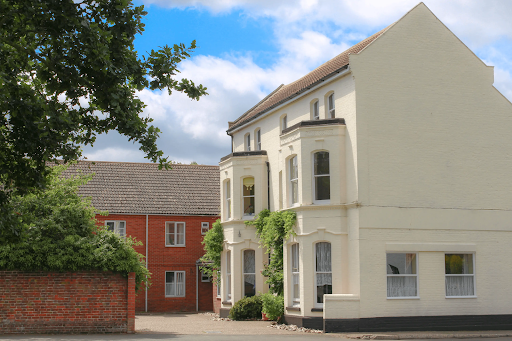
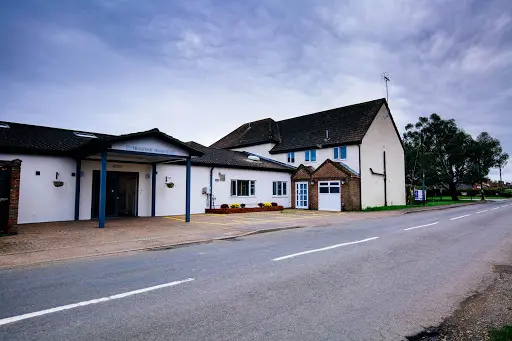
This home on High Road, Great Yarmouth is rated Good across all five inspection domains — safety, effectiveness, caring, responsiveness, and leadership — and has improved from a previous Requires Improvement rating, which is a meaningful positive sign. The home is registered for 53 beds and specialises in dementia care for adults over and under 65. A Good rating following a previous shortfall tells you that something changed: the leadership identified problems and acted on them, and inspectors were satisfied with the result. That trajectory matters. The important caveat is that this inspection took place in August 2018, which means it is now over six years old. Care homes can change significantly in that time — staffing, management, ownership, and the number of people living there can all shift. The full inspection report text is not available for this analysis, so no specific observations, resident quotes, or direct examples of practice can be verified. Before visiting, call the home and ask: who is the current registered manager and how long have they been in post? How many permanent staff work on the dementia unit, and how many agency staff covered shifts in the last month? Ask to visit at a mealtime or during an activity session so you can see daily life — not just the entrance hall.
The three questions to ask when you visitSave this home. Compare it against your shortlist.
Let our analysis show you how Burgh House measures up against the other homes you’re considering. Free account.
In Their Own Words
How Burgh House describes itself — collected from its own website. DCC has not edited or independently verified the content in this tab.
Where professional care meets genuine warmth and welcome
Burgh House Residential Care Home Limited – Expert Care in Great Yarmouth
Finding the right care home can feel overwhelming, but sometimes a place just stands out. Burgh House Residential Care Home Limited in Great Yarmouth offers residential care with a notably friendly atmosphere. The home provides specialist support for people living with dementia, as well as general care for adults both under and over 65.
Who they care for
The team here provides residential care for younger adults as well as those over 65, alongside specialist dementia support. This mix of services means they're experienced with different care needs and life stages.
For those living with dementia, the home offers specialist care within their residential setting. The team understands the unique challenges and support needed at different stages of the condition.
“If you're looking for care options in Great Yarmouth, it might be worth arranging a visit to see if Burgh House feels right for your family.”
DCC does not edit or curate content in this tab. For independently curated information, see The Evidence and DCC Verdict.
The DCC Verdict
Our editorial view, built from the three lenses: what families tell us, what inspectors record, and how the home sits against good dementia-care practice.
DCC Family Score
This home holds a Good rating across all five inspection domains and has improved from a previous Requires Improvement — a genuinely positive direction of travel — but because the full inspection text is unavailable, no specific observations, quotes, or direct evidence can be verified, which limits how confident we can be in translating those ratings into day-to-day family reassurance.
Homes in East typically score 68–82.Worth a visit
This home on High Road, Great Yarmouth is rated Good across all five inspection domains — safety, effectiveness, caring, responsiveness, and leadership — and has improved from a previous Requires Improvement rating, which is a meaningful positive sign. The home is registered for 53 beds and specialises in dementia care for adults over and under 65. A Good rating following a previous shortfall tells you that something changed: the leadership identified problems and acted on them, and inspectors were satisfied with the result. That trajectory matters. The important caveat is that this inspection took place in August 2018, which means it is now over six years old. Care homes can change significantly in that time — staffing, management, ownership, and the number of people living there can all shift. The full inspection report text is not available for this analysis, so no specific observations, resident quotes, or direct examples of practice can be verified. Before visiting, call the home and ask: who is the current registered manager and how long have they been in post? How many permanent staff work on the dementia unit, and how many agency staff covered shifts in the last month? Ask to visit at a mealtime or during an activity session so you can see daily life — not just the entrance hall.
The three questions to ask when you visitSave this home. Compare it against your shortlist.
Let our analysis show you how Burgh House measures up against the other homes you’re considering. Free account.
In Their Own Words
How Burgh House describes itself — collected from its own website. DCC has not edited or independently verified the content in this tab.
Where professional care meets genuine warmth and welcome
Burgh House Residential Care Home Limited – Expert Care in Great Yarmouth
Finding the right care home can feel overwhelming, but sometimes a place just stands out. Burgh House Residential Care Home Limited in Great Yarmouth offers residential care with a notably friendly atmosphere. The home provides specialist support for people living with dementia, as well as general care for adults both under and over 65.
Who they care for
The team here provides residential care for younger adults as well as those over 65, alongside specialist dementia support. This mix of services means they're experienced with different care needs and life stages.
For those living with dementia, the home offers specialist care within their residential setting. The team understands the unique challenges and support needed at different stages of the condition.
“If you're looking for care options in Great Yarmouth, it might be worth arranging a visit to see if Burgh House feels right for your family.”
DCC does not edit or curate content in this tab. For independently curated information, see The Evidence and DCC Verdict.