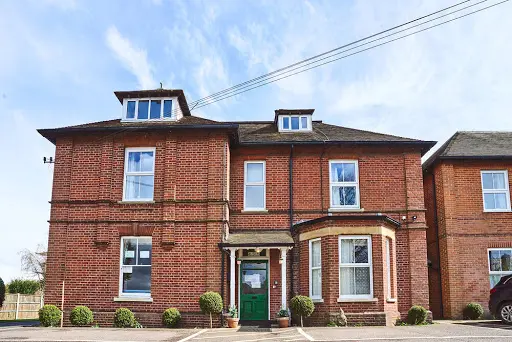
Wyndham House
At a Glance
The information you need to decide whether this home warrants a closer look.
Residential homes
Staff warmth score
of reviewers answered yes
Good to know
- Registered beds44
- SpecialismsCaring for adults over 65 yrs, Caring for adults under 65 yrs, Dementia, Physical disabilities, Sensory impairment
- Last inspected2021-05-07
Save Wyndham House to your shortlist
Keep a running list, add visit notes, and compare homes side-by-side. Free account — it takes a minute.
STAGE 4 — RESEARCHING CARE HOMES
Visit homes. Compare them side by side. Choose with confidence.
Most of us will view care homes the way we view houses, impression, atmosphere, the feeling in the corridor. We go home, try to remember what we saw, and make a permanent decision from a blurred memory.

The DCC shortlist gives every home you visit a structured record: the same twelve questions, answered the same way, every time. When you’re ready to choose, pull any two homes side by side and compare them directly. Same criteria, same evidence, your notes and your scores.
The Evidence
What the review data, the inspection reports, and the dementia-care evidence base tell us about this home.
What families say
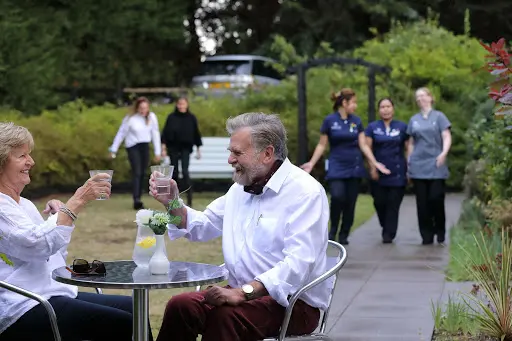
Families talk about the calm, positive atmosphere that greets them whenever they visit. It's not just that residents seem settled and engaged — it's the little things, like seeing their loved ones chatting with staff or joining in with activities they actually enjoy. The sense of inclusion extends to visitors too, with families feeling genuinely welcomed rather than just tolerated during visits.
The eight family priority themes
- Staff warmth55
- Compassion & dignity58
- Cleanliness55
- Activities & engagement35
- Food quality50
- Healthcare55
- Management & leadership65
- Resident happiness52
What inspectors found
Inspected 2021-05-07
Is this home safe?
Is the care effective?
Inspectors rated this domain Good at the April 2021 inspection. This covers training, care planning, healthcare access, and how well the home understands and meets each person's needs. A Good rating here suggests that care plans were in place and that staff had adequate training and access to healthcare professionals. No specific detail about dementia training content, GP visit frequency, or care plan review processes is included in the published summary. The home lists dementia as a specialism, which sets an expectation of staff competence beyond basic care.Is this home caring?
Inspectors rated this domain Good at the April 2021 inspection. This domain covers staff warmth, dignity, respect, and whether residents are treated as individuals. A Good rating indicates inspectors did not find concerning practice in this area. No specific observations about staff interactions, preferred names, unhurried pace, or response to distress are reproduced in the published summary. Staff warmth is the single highest-weighted theme in our family review data, cited in 57.3% of positive reviews.Is the home responsive?
Inspectors rated this domain Requires Improvement at the April 2021 inspection. This domain covers activities, engagement, individuality, and how well the home responds to each person's changing needs. It is the only domain that did not reach a Good standard, and it remains an area of concern. No specific detail about what was found to be lacking is included in the published summary. The home supports people with dementia and sensory impairment, for whom meaningful, tailored activity is not optional but a core part of good care.Is the home well-led?
Inspectors rated this domain Good at the April 2021 inspection. A named registered manager, Mrs Michelle Margaret Freebairn, and a nominated individual, Mr Viktor Zak, were identified as the leadership structure. A Good rating here indicates that governance, accountability, and management culture were assessed as meeting the required standard. The home had previously been rated Requires Improvement overall, and a Good Well-led rating suggests that improvements were being driven by a stable leadership team. No specific detail about manager visibility, staff culture, or how the home acted on feedback is included in the published summary.
Source: CQC inspection report →
What the evidence base says
Wyndham House supports people with dementia, physical disabilities and sensory impairments, caring for adults both under and over 65. This mix of specialisms means they're equipped to handle complex care needs while maintaining a supportive environment for all residents. The dementia care here follows person-centred principles, with staff adapting their approach to each resident's needs and preferences. Families see this in action through the way staff engage residents in meaningful activities and conversations that respect their individuality. All areas worth probing directly during a visit.
The DCC Verdict
Our editorial view, built from the three lenses: what families tell us, what inspectors record, and how the home sits against good dementia-care practice.
DCC Family Score
Wyndham House scores in the mid-range, reflecting a genuine improvement from its previous Requires Improvement rating to Good overall, but the Responsive domain remains Requires Improvement, and the published inspection text provides limited specific detail to give families high confidence across most themes.
Homes in East typically score 68–82.The three-lens summary
What families tell us
Families talk about the calm, positive atmosphere that greets them whenever they visit. It's not just that residents seem settled and engaged — it's the little things, like seeing their loved ones chatting with staff or joining in with activities they actually enjoy. The sense of inclusion extends to visitors too, with families feeling genuinely welcomed rather than just tolerated during visits.
What inspectors have recorded
What stands out is how staff combine real warmth with professional care standards. They take time to understand each resident as an individual, engaging with them in ways that preserve dignity while building genuine connections. Families particularly value how approachable the team is — there's always someone ready to chat about their loved one's day or address any concerns.
How it sits against good practice
Sometimes the best recommendation comes from seeing how content residents seem in their daily lives — and that's what families consistently notice here.
Worth a visit
Wyndham House in Kings Lynn was rated Good overall at its inspection in April 2021, an improvement on its previous Requires Improvement rating. Inspectors rated the home Good for Safe, Effective, Caring, and Well-led, which covers the core areas of safety, training, kindness, and management. The home supports up to 44 people, including those living with dementia, physical disabilities, and sensory impairment, and has a named registered manager in post. The one area of concern is the Responsive domain, which remains rated Requires Improvement. This covers activities, engagement, individuality, and how well the home responds to what each person needs to have a good daily life. The published inspection text is brief and does not provide the specific observations, quotes, or examples that would allow a confident assessment of day-to-day life here. Before you visit, ask the manager directly what has changed in activities and engagement since the inspection, request to see the current activities timetable, and ask how one-to-one time is provided for residents who cannot join group activities.
The three questions to ask when you visitSave this home. Compare it against your shortlist.
Let our analysis show you how Wyndham House measures up against the other homes you’re considering. Free account.
In Their Own Words
How Wyndham House describes itself — collected from its own website. DCC has not edited or independently verified the content in this tab.
Where dementia care feels genuinely personal in Kings Lynn
Residential home in Kings Lynn: True Peace of Mind
Finding the right dementia care can feel overwhelming, but families visiting Wyndham House Care in Kings Lynn often describe a sense of relief. The care here goes beyond meeting basic needs — it's about helping people with dementia stay connected to who they are. From the structured daily activities to the way staff take time to really know each resident, there's a thoughtful approach that families notice straight away.
Who they care for
Wyndham House supports people with dementia, physical disabilities and sensory impairments, caring for adults both under and over 65. This mix of specialisms means they're equipped to handle complex care needs while maintaining a supportive environment for all residents.
The dementia care here follows person-centred principles, with staff adapting their approach to each resident's needs and preferences. Families see this in action through the way staff engage residents in meaningful activities and conversations that respect their individuality.
“Sometimes the best recommendation comes from seeing how content residents seem in their daily lives — and that's what families consistently notice here.”
DCC does not edit or curate content in this tab. For independently curated information, see The Evidence and DCC Verdict.
The DCC Verdict
Our editorial view, built from the three lenses: what families tell us, what inspectors record, and how the home sits against good dementia-care practice.
DCC Family Score
Wyndham House scores in the mid-range, reflecting a genuine improvement from its previous Requires Improvement rating to Good overall, but the Responsive domain remains Requires Improvement, and the published inspection text provides limited specific detail to give families high confidence across most themes.
Homes in East typically score 68–82.The three-lens summary
What families tell us
Families talk about the calm, positive atmosphere that greets them whenever they visit. It's not just that residents seem settled and engaged — it's the little things, like seeing their loved ones chatting with staff or joining in with activities they actually enjoy. The sense of inclusion extends to visitors too, with families feeling genuinely welcomed rather than just tolerated during visits.
What inspectors have recorded
What stands out is how staff combine real warmth with professional care standards. They take time to understand each resident as an individual, engaging with them in ways that preserve dignity while building genuine connections. Families particularly value how approachable the team is — there's always someone ready to chat about their loved one's day or address any concerns.
How it sits against good practice
Sometimes the best recommendation comes from seeing how content residents seem in their daily lives — and that's what families consistently notice here.
Worth a visit
Wyndham House in Kings Lynn was rated Good overall at its inspection in April 2021, an improvement on its previous Requires Improvement rating. Inspectors rated the home Good for Safe, Effective, Caring, and Well-led, which covers the core areas of safety, training, kindness, and management. The home supports up to 44 people, including those living with dementia, physical disabilities, and sensory impairment, and has a named registered manager in post. The one area of concern is the Responsive domain, which remains rated Requires Improvement. This covers activities, engagement, individuality, and how well the home responds to what each person needs to have a good daily life. The published inspection text is brief and does not provide the specific observations, quotes, or examples that would allow a confident assessment of day-to-day life here. Before you visit, ask the manager directly what has changed in activities and engagement since the inspection, request to see the current activities timetable, and ask how one-to-one time is provided for residents who cannot join group activities.
The three questions to ask when you visitSave this home. Compare it against your shortlist.
Let our analysis show you how Wyndham House measures up against the other homes you’re considering. Free account.
In Their Own Words
How Wyndham House describes itself — collected from its own website. DCC has not edited or independently verified the content in this tab.
Where dementia care feels genuinely personal in Kings Lynn
Residential home in Kings Lynn: True Peace of Mind
Finding the right dementia care can feel overwhelming, but families visiting Wyndham House Care in Kings Lynn often describe a sense of relief. The care here goes beyond meeting basic needs — it's about helping people with dementia stay connected to who they are. From the structured daily activities to the way staff take time to really know each resident, there's a thoughtful approach that families notice straight away.
Who they care for
Wyndham House supports people with dementia, physical disabilities and sensory impairments, caring for adults both under and over 65. This mix of specialisms means they're equipped to handle complex care needs while maintaining a supportive environment for all residents.
The dementia care here follows person-centred principles, with staff adapting their approach to each resident's needs and preferences. Families see this in action through the way staff engage residents in meaningful activities and conversations that respect their individuality.
Management & ethos
What stands out is how staff combine real warmth with professional care standards. They take time to understand each resident as an individual, engaging with them in ways that preserve dignity while building genuine connections. Families particularly value how approachable the team is — there's always someone ready to chat about their loved one's day or address any concerns.
The home & environment
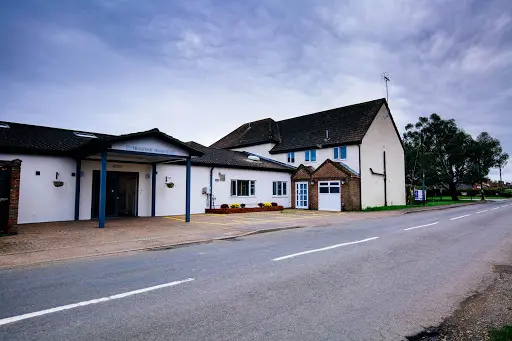
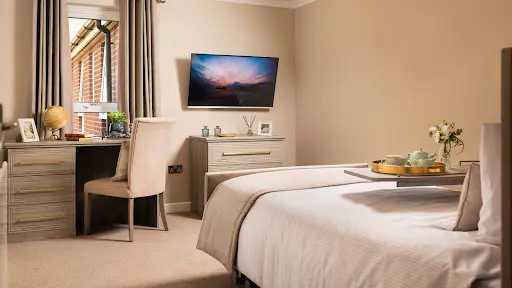
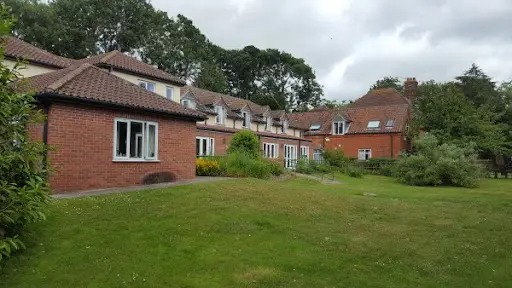
The kitchen team prepares everything fresh each day, and families mention how their loved ones actually look forward to mealtimes. There's proper variety in the activities too — from crafts and gardening to bingo and music sessions. The home maintains good standards of cleanliness throughout, and when things need fixing, they're sorted quickly.
“Sometimes the best recommendation comes from seeing how content residents seem in their daily lives — and that's what families consistently notice here.”
DCC does not edit or curate content in this tab. For independently curated information, see The Evidence and DCC Verdict.