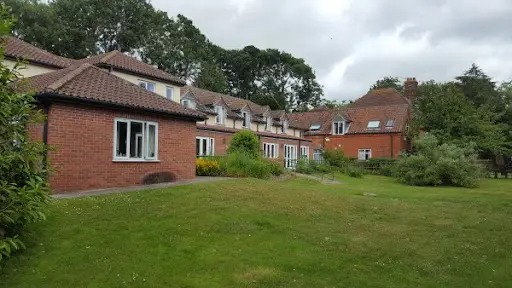
Ivy Court
At a Glance
The information you need to decide whether this home warrants a closer look.
Nursing homes
Staff warmth score
of reviewers answered yes
Good to know
- Registered beds71
- SpecialismsCaring for adults over 65 yrs, Caring for adults under 65 yrs, Dementia, Physical disabilities
- Last inspected2023-07-01
Save Ivy Court to your shortlist
Keep a running list, add visit notes, and compare homes side-by-side. Free account — it takes a minute.
STAGE 4 — RESEARCHING CARE HOMES
Visit homes. Compare them side by side. Choose with confidence.
Most of us will view care homes the way we view houses, impression, atmosphere, the feeling in the corridor. We go home, try to remember what we saw, and make a permanent decision from a blurred memory.

The DCC shortlist gives every home you visit a structured record: the same twelve questions, answered the same way, every time. When you’re ready to choose, pull any two homes side by side and compare them directly. Same criteria, same evidence, your notes and your scores.
The Evidence
What the review data, the inspection reports, and the dementia-care evidence base tell us about this home.
What families say
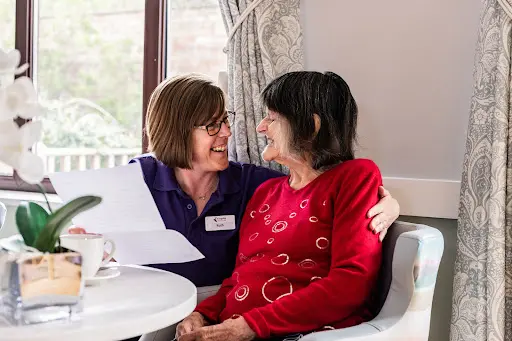
Families talk about staff who genuinely engage — not just with residents, but with visitors too. There's a sense of anticipation here, with residents actively looking forward to the next craft session, exercise class, or pamper day. The activity programme keeps days varied and meaningful, whether that's entertainment, outings, or simply creating moments that matter.
The eight family priority themes
- Staff warmth30
- Compassion & dignity30
- Cleanliness35
- Activities & engagement25
- Food quality25
- Healthcare30
- Management & leadership25
- Resident happiness25
What inspectors found
Inspected 2023-07-01
Is this home safe?
Is the care effective?
The effective domain was not individually rated at the July 2023 inspection. No specific findings about care plan quality, dementia training, GP access, nutrition, or health monitoring are available in the published text. Without this information, it is not possible to say whether staff understood how to care for people with dementia, whether care plans reflected individual needs, or whether healthcare needs were being met consistently.Is this home caring?
The caring domain was not individually rated at the July 2023 inspection. No inspector observations, resident testimony, or relative feedback about staff warmth, dignity, or respect are available in the published text. Staff warmth and compassion are the single biggest drivers of family satisfaction in our review data, accounting for 57.3% of positive Google reviews across more than 5,000 UK care homes. The absence of any recorded evidence in this area, combined with an Inadequate overall rating, means you cannot assume these standards were met.Is the home responsive?
The responsive domain was not individually rated at the July 2023 inspection. No specific findings about activities, individual engagement, or how the home responds to the particular needs and preferences of residents are available. For a home caring for people with dementia and physical disabilities, responsiveness to individual need is critical: group activities alone are insufficient for people who cannot participate, and everyday meaningful occupation matters as much as formal programming.Is the home well-led?
The well-led domain was not individually rated at the July 2023 inspection. The home is operated by Aria Healthcare Group Ltd, with a registered manager and a nominated individual named in the registration details. The overall Inadequate rating strongly suggests that governance and leadership failings were a significant factor, since an Inadequate rating typically reflects systemic rather than isolated problems. Leadership stability is one of the strongest predictors of quality trajectory in care homes.
Source: CQC inspection report →
What the evidence base says
The home cares for younger adults under 65 as well as older residents, supporting people with physical disabilities alongside those living with dementia. This range means they're experienced with complex needs and different stages of care. For residents with dementia, the home provides structured support within their broader care approach. Staff work to maintain engagement and dignity for people at different stages of their dementia journey. All areas worth probing directly during a visit.
The DCC Verdict
Our editorial view, built from the three lenses: what families tell us, what inspectors record, and how the home sits against good dementia-care practice.
DCC Family Score
This home was rated Inadequate at its July 2023 inspection, a decline from Requires Improvement. Because none of the five individual domains were rated at that inspection, there is almost no specific evidence to draw on, and scores reflect the serious concerns implied by an Inadequate overall rating rather than any positive findings.
Homes in East typically score 68–82.The three-lens summary
What families tell us
Families talk about staff who genuinely engage — not just with residents, but with visitors too. There's a sense of anticipation here, with residents actively looking forward to the next craft session, exercise class, or pamper day. The activity programme keeps days varied and meaningful, whether that's entertainment, outings, or simply creating moments that matter.
What inspectors have recorded
Staff accessibility stands out here — families mention how questions get answered promptly and concerns are heard. During life's hardest moments, including end-of-life care, families have found the support both dignified and compassionate. While there have been serious concerns raised about care standards that require attention, many families with loved ones here for years express sustained confidence in the team.
How it sits against good practice
If you're weighing up options for someone you love, visiting Ivy Court could help you understand whether it feels right for your family's needs.
Worth a visit
The home on Ivy Road in Norwich, which operates as a 71-bed nursing home caring for people with dementia, physical disabilities, and other needs, was rated Inadequate at its most recent inspection in July 2023. This is the lowest possible rating and represents a decline from the previous rating of Requires Improvement. Because no individual domain ratings were published alongside this overall rating, there is very little specific inspection evidence available to draw on, which itself is a serious concern. An Inadequate rating means the official inspectors found significant failings that put people at risk or that fell well below acceptable standards. You should not rely on this report alone to make a decision. Before visiting, check whether a more recent inspection has been published, since the inspection report data here references a latest assessment from September 2024 with improved domain ratings under what may be new management. Ask the home directly about what has changed since 2023, request evidence of improvements, and read any updated inspection report carefully before proceeding.
The three questions to ask when you visitSave this home. Compare it against your shortlist.
Let our analysis show you how Ivy Court measures up against the other homes you’re considering. Free account.
In Their Own Words
How Ivy Court describes itself — collected from its own website. DCC has not edited or independently verified the content in this tab.
Where families find reassurance through life's toughest transitions
Dedicated nursing home Support in Norwich
When you're searching for the right care in Norwich, Ivy Court offers something many families describe as genuinely reassuring — a place where staff take time to stop and chat, where residents look forward to tomorrow's activities, and where dignity matters through every stage of care. This established home supports people with dementia, physical disabilities, and complex needs, with families often staying connected for five years or more.
Who they care for
The home cares for younger adults under 65 as well as older residents, supporting people with physical disabilities alongside those living with dementia. This range means they're experienced with complex needs and different stages of care.
For residents with dementia, the home provides structured support within their broader care approach. Staff work to maintain engagement and dignity for people at different stages of their dementia journey.
“If you're weighing up options for someone you love, visiting Ivy Court could help you understand whether it feels right for your family's needs.”
DCC does not edit or curate content in this tab. For independently curated information, see The Evidence and DCC Verdict.
The DCC Verdict
Our editorial view, built from the three lenses: what families tell us, what inspectors record, and how the home sits against good dementia-care practice.
DCC Family Score
This home was rated Inadequate at its July 2023 inspection, a decline from Requires Improvement. Because none of the five individual domains were rated at that inspection, there is almost no specific evidence to draw on, and scores reflect the serious concerns implied by an Inadequate overall rating rather than any positive findings.
Homes in East typically score 68–82.The three-lens summary
What families tell us
Families talk about staff who genuinely engage — not just with residents, but with visitors too. There's a sense of anticipation here, with residents actively looking forward to the next craft session, exercise class, or pamper day. The activity programme keeps days varied and meaningful, whether that's entertainment, outings, or simply creating moments that matter.
What inspectors have recorded
Staff accessibility stands out here — families mention how questions get answered promptly and concerns are heard. During life's hardest moments, including end-of-life care, families have found the support both dignified and compassionate. While there have been serious concerns raised about care standards that require attention, many families with loved ones here for years express sustained confidence in the team.
How it sits against good practice
If you're weighing up options for someone you love, visiting Ivy Court could help you understand whether it feels right for your family's needs.
Worth a visit
The home on Ivy Road in Norwich, which operates as a 71-bed nursing home caring for people with dementia, physical disabilities, and other needs, was rated Inadequate at its most recent inspection in July 2023. This is the lowest possible rating and represents a decline from the previous rating of Requires Improvement. Because no individual domain ratings were published alongside this overall rating, there is very little specific inspection evidence available to draw on, which itself is a serious concern. An Inadequate rating means the official inspectors found significant failings that put people at risk or that fell well below acceptable standards. You should not rely on this report alone to make a decision. Before visiting, check whether a more recent inspection has been published, since the inspection report data here references a latest assessment from September 2024 with improved domain ratings under what may be new management. Ask the home directly about what has changed since 2023, request evidence of improvements, and read any updated inspection report carefully before proceeding.
The three questions to ask when you visitSave this home. Compare it against your shortlist.
Let our analysis show you how Ivy Court measures up against the other homes you’re considering. Free account.
In Their Own Words
How Ivy Court describes itself — collected from its own website. DCC has not edited or independently verified the content in this tab.
Where families find reassurance through life's toughest transitions
Dedicated nursing home Support in Norwich
When you're searching for the right care in Norwich, Ivy Court offers something many families describe as genuinely reassuring — a place where staff take time to stop and chat, where residents look forward to tomorrow's activities, and where dignity matters through every stage of care. This established home supports people with dementia, physical disabilities, and complex needs, with families often staying connected for five years or more.
Who they care for
The home cares for younger adults under 65 as well as older residents, supporting people with physical disabilities alongside those living with dementia. This range means they're experienced with complex needs and different stages of care.
For residents with dementia, the home provides structured support within their broader care approach. Staff work to maintain engagement and dignity for people at different stages of their dementia journey.
Management & ethos
Staff accessibility stands out here — families mention how questions get answered promptly and concerns are heard. During life's hardest moments, including end-of-life care, families have found the support both dignified and compassionate. While there have been serious concerns raised about care standards that require attention, many families with loved ones here for years express sustained confidence in the team.
The home & environment
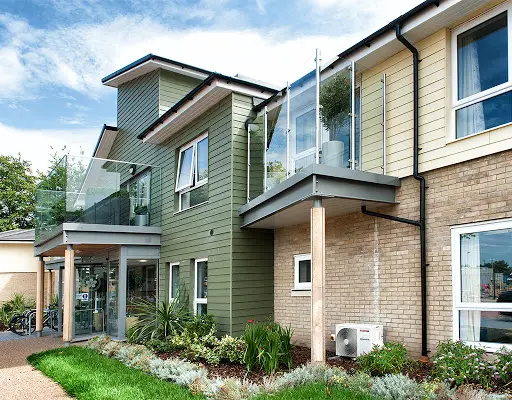
The home maintains spotless facilities with wide corridors and pleasant décor that families appreciate during visits. Garden spaces and bistro areas create comfortable spots for spending time together. The chef consults with residents about menu preferences, working to accommodate different dietary needs.
“If you're weighing up options for someone you love, visiting Ivy Court could help you understand whether it feels right for your family's needs.”
DCC does not edit or curate content in this tab. For independently curated information, see The Evidence and DCC Verdict.