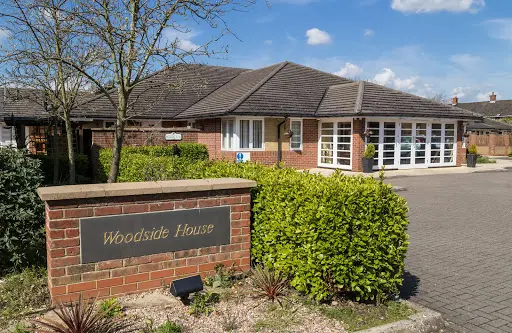
Barchester – Woodside House Care Home
At a Glance
The information you need to decide whether this home warrants a closer look.
Nursing homes
Staff warmth score
of reviewers answered yes
Good to know
- Registered beds58
- SpecialismsCaring for adults over 65 yrs, Caring for adults under 65 yrs, Dementia, Physical disabilities
- Last inspected2017-07-20
Save Barchester – Woodside House Care Home to your shortlist
Keep a running list, add visit notes, and compare homes side-by-side. Free account — it takes a minute.
STAGE 4 — RESEARCHING CARE HOMES
Visit homes. Compare them side by side. Choose with confidence.
Most of us will view care homes the way we view houses, impression, atmosphere, the feeling in the corridor. We go home, try to remember what we saw, and make a permanent decision from a blurred memory.

The DCC shortlist gives every home you visit a structured record: the same twelve questions, answered the same way, every time. When you’re ready to choose, pull any two homes side by side and compare them directly. Same criteria, same evidence, your notes and your scores.
The Evidence
What the review data, the inspection reports, and the dementia-care evidence base tell us about this home.
What families say
Families talk about seeing their relatives participate in activities with real purpose, not just passing time. The stability here stands out — people mention recognising the same staff members month after month, which brings continuity that matters for residents with dementia. There's a sense that everyone, from nurses to housekeeping staff, understands their role in creating a supportive environment.
The eight family priority themes
- Staff warmth72
- Compassion & dignity72
- Cleanliness65
- Activities & engagement65
- Food quality65
- Healthcare55
- Management & leadership72
- Resident happiness68
What inspectors found
Inspected 2017-07-20
Is this home safe?
Is the care effective?
The Effective domain was rated Good. This domain covers training, care planning, healthcare access, nutrition, and how well the home understands and responds to each person's needs. The home lists dementia as a specialism, which implies some formal training and practice are in place. Beyond the rating itself, the published inspection text does not include specific detail about care plan quality, GP access arrangements, or food provision.Is this home caring?
The Caring domain was rated Good. Inspectors found sufficient evidence of warmth, dignity, and respect to award this rating, though no specific observations, quotes, or examples are reproduced in the published summary. The home specialises in dementia care, meaning staff should be equipped to communicate with residents who cannot always express themselves verbally. A Good Caring rating from Requires Improvement overall suggests this has been a consistent strength.Is the home responsive?
The Responsive domain was rated Good. This domain covers how well the home tailors care and daily life to individual residents, including activities, engagement, choice, and end-of-life planning. The home cares for people with dementia and physical disabilities, two groups for whom individually tailored activity is particularly important. The published text does not describe specific activities, how activities are adapted for different needs, or how end-of-life preferences are recorded.Is the home well-led?
The Well-led domain was rated Good. The home has a named registered manager and a nominated individual recorded on the inspection record. Barchester Healthcare Homes Limited is the registered provider. The previous Requires Improvement overall rating improving to Good suggests leadership has been effective in driving change. No specific detail about management style, staff culture, or governance arrangements is given in the published text.
Source: CQC inspection report →
What the evidence base says
The home cares for adults both under and over 65, including those with physical disabilities alongside dementia support. This mixed community brings together residents with different needs in a setting equipped to handle complex care requirements. The dementia care approach here focuses on maintaining dignity while improving quality of life indicators. Families report seeing their relatives more engaged and content, with staff who understand how to support nutrition, emotional wellbeing, and meaningful daily participation for people living with dementia. All areas worth probing directly during a visit.
The DCC Verdict
Our editorial view, built from the three lenses: what families tell us, what inspectors record, and how the home sits against good dementia-care practice.
DCC Family Score
Woodside House scores 72 out of 100, reflecting a home that has genuinely improved from Requires Improvement to Good overall, with four of five domains rated Good. The score is held back by a current Requires Improvement rating for Safety, which the inspection text does not explain in sufficient detail to fully reassure families.
Homes in East typically score 68–82.The three-lens summary
What families tell us
Families talk about seeing their relatives participate in activities with real purpose, not just passing time. The stability here stands out — people mention recognising the same staff members month after month, which brings continuity that matters for residents with dementia. There's a sense that everyone, from nurses to housekeeping staff, understands their role in creating a supportive environment.
What inspectors have recorded
Leadership here shows through in practical ways — proactive communication with families about care needs, thoughtful approaches to complex situations like swallowing difficulties, and sensitive support during end-of-life care. The team demonstrates systematic approaches to dementia support that families and healthcare professionals recognise as making a real difference to resident outcomes.
How it sits against good practice
Woodside House seems to understand that good dementia care is about more than meeting clinical needs — it's about creating a place where people can still have good days.
Worth a visit
Woodside House, on Woodside Road in Norwich, was rated Good overall at its inspection in January 2022, with Good ratings in the Effective, Caring, Responsive, and Well-led domains. This is a meaningful improvement from its previous Requires Improvement rating, and suggests the management team has worked to address earlier weaknesses. The home is run by Barchester Healthcare Homes Limited, cares for up to 58 people, and specialises in dementia, nursing care, physical disabilities, and care for adults of all ages. The most important uncertainty for families is the current Requires Improvement rating for Safety, which has not been resolved as of the July 2023 review. The published text does not explain what inspectors found, so you cannot assess the risk from this report alone. When you visit, ask the manager directly what the Safety concerns were, what has been done since, and when the home expects its next full inspection. Also ask for last week's actual staffing rota, including night shifts, and ask how many of those shifts were covered by permanent rather than agency staff.
The three questions to ask when you visitSave this home. Compare it against your shortlist.
Let our analysis show you how Barchester – Woodside House Care Home measures up against the other homes you’re considering. Free account.
In Their Own Words
How Barchester – Woodside House Care Home describes itself — collected from its own website. DCC has not edited or independently verified the content in this tab.
Specialist dementia care with staff who genuinely stay and make a difference
Dedicated nursing home Support in Norwich
When dementia changes everything, finding the right support becomes crucial. Woodside House in east Norwich has built something families describe as transformative — a place where residents with dementia show real improvements in engagement and wellbeing. The care here goes deeper than daily routines, creating moments of genuine connection and dignity.
Who they care for
The home cares for adults both under and over 65, including those with physical disabilities alongside dementia support. This mixed community brings together residents with different needs in a setting equipped to handle complex care requirements.
The dementia care approach here focuses on maintaining dignity while improving quality of life indicators. Families report seeing their relatives more engaged and content, with staff who understand how to support nutrition, emotional wellbeing, and meaningful daily participation for people living with dementia.
“Woodside House seems to understand that good dementia care is about more than meeting clinical needs — it's about creating a place where people can still have good days.”
DCC does not edit or curate content in this tab. For independently curated information, see The Evidence and DCC Verdict.
The DCC Verdict
Our editorial view, built from the three lenses: what families tell us, what inspectors record, and how the home sits against good dementia-care practice.
DCC Family Score
Woodside House scores 72 out of 100, reflecting a home that has genuinely improved from Requires Improvement to Good overall, with four of five domains rated Good. The score is held back by a current Requires Improvement rating for Safety, which the inspection text does not explain in sufficient detail to fully reassure families.
Homes in East typically score 68–82.The three-lens summary
What families tell us
Families talk about seeing their relatives participate in activities with real purpose, not just passing time. The stability here stands out — people mention recognising the same staff members month after month, which brings continuity that matters for residents with dementia. There's a sense that everyone, from nurses to housekeeping staff, understands their role in creating a supportive environment.
What inspectors have recorded
Leadership here shows through in practical ways — proactive communication with families about care needs, thoughtful approaches to complex situations like swallowing difficulties, and sensitive support during end-of-life care. The team demonstrates systematic approaches to dementia support that families and healthcare professionals recognise as making a real difference to resident outcomes.
How it sits against good practice
Woodside House seems to understand that good dementia care is about more than meeting clinical needs — it's about creating a place where people can still have good days.
Worth a visit
Woodside House, on Woodside Road in Norwich, was rated Good overall at its inspection in January 2022, with Good ratings in the Effective, Caring, Responsive, and Well-led domains. This is a meaningful improvement from its previous Requires Improvement rating, and suggests the management team has worked to address earlier weaknesses. The home is run by Barchester Healthcare Homes Limited, cares for up to 58 people, and specialises in dementia, nursing care, physical disabilities, and care for adults of all ages. The most important uncertainty for families is the current Requires Improvement rating for Safety, which has not been resolved as of the July 2023 review. The published text does not explain what inspectors found, so you cannot assess the risk from this report alone. When you visit, ask the manager directly what the Safety concerns were, what has been done since, and when the home expects its next full inspection. Also ask for last week's actual staffing rota, including night shifts, and ask how many of those shifts were covered by permanent rather than agency staff.
The three questions to ask when you visitSave this home. Compare it against your shortlist.
Let our analysis show you how Barchester – Woodside House Care Home measures up against the other homes you’re considering. Free account.
In Their Own Words
How Barchester – Woodside House Care Home describes itself — collected from its own website. DCC has not edited or independently verified the content in this tab.
Specialist dementia care with staff who genuinely stay and make a difference
Dedicated nursing home Support in Norwich
When dementia changes everything, finding the right support becomes crucial. Woodside House in east Norwich has built something families describe as transformative — a place where residents with dementia show real improvements in engagement and wellbeing. The care here goes deeper than daily routines, creating moments of genuine connection and dignity.
Who they care for
The home cares for adults both under and over 65, including those with physical disabilities alongside dementia support. This mixed community brings together residents with different needs in a setting equipped to handle complex care requirements.
The dementia care approach here focuses on maintaining dignity while improving quality of life indicators. Families report seeing their relatives more engaged and content, with staff who understand how to support nutrition, emotional wellbeing, and meaningful daily participation for people living with dementia.
Management & ethos
Leadership here shows through in practical ways — proactive communication with families about care needs, thoughtful approaches to complex situations like swallowing difficulties, and sensitive support during end-of-life care. The team demonstrates systematic approaches to dementia support that families and healthcare professionals recognise as making a real difference to resident outcomes.
The home & environment
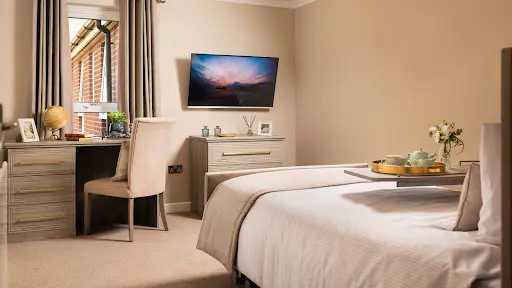
The home maintains consistently high standards of cleanliness and presentation, with recent refreshments keeping spaces bright and welcoming. Mealtimes receive particular attention, with families noting improvements in their relatives' nutrition and enjoyment of food. The daily activity programme includes genuine community engagement that gives residents meaningful ways to spend their time.
“Woodside House seems to understand that good dementia care is about more than meeting clinical needs — it's about creating a place where people can still have good days.”
DCC does not edit or curate content in this tab. For independently curated information, see The Evidence and DCC Verdict.