The Old Rectory

At a Glance
The information you need to decide whether this home warrants a closer look.
Residential homes, Long-term conditions
Staff warmth score
of reviewers answered yes
Good to know
- Registered beds47
- SpecialismsCaring for adults over 65 yrs, Caring for adults under 65 yrs, Dementia, Physical disabilities
- Last inspected2020-06-04
Save The Old Rectory to your shortlist
Keep a running list, add visit notes, and compare homes side-by-side. Free account — it takes a minute.
STAGE 4 — RESEARCHING CARE HOMES
Visit homes. Compare them side by side. Choose with confidence.
Most of us will view care homes the way we view houses, impression, atmosphere, the feeling in the corridor. We go home, try to remember what we saw, and make a permanent decision from a blurred memory.

The DCC shortlist gives every home you visit a structured record: the same twelve questions, answered the same way, every time. When you’re ready to choose, pull any two homes side by side and compare them directly. Same criteria, same evidence, your notes and your scores.
The Evidence
What the review data, the inspection reports, and the dementia-care evidence base tell us about this home.
What families say
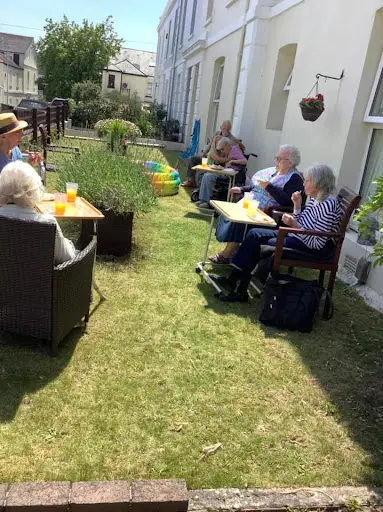
The atmosphere feels more like a relaxed household than a clinical setting. Residents watch TV together and debate the news, while pets wander about bringing smiles to faces. Beach trips and music sessions give structure to the week, but there's room for everyone to join in at their own pace.
The eight family priority themes
- Staff warmth82
- Compassion & dignity84
- Cleanliness70
- Activities & engagement88
- Food quality65
- Healthcare72
- Management & leadership72
- Resident happiness78
What inspectors found
Inspected 2020-06-04
Is this home safe?
Is the care effective?
The effective domain was rated Good at the February 2020 inspection. This covers staff training, care planning, GP access, nutrition, and health monitoring. A Good rating means inspectors found these systems to be working but did not find the level of outstanding practice that would warrant a higher rating. No specific detail on dementia training content, GP visit frequency, or care plan review timescales is provided in the published summary.Is this home caring?
The caring domain was rated Good at the February 2020 inspection. Inspectors found that staff treated the people who live here with respect and dignity, and that interactions were considerate. Privacy was upheld. The published summary does not include specific observed examples of interactions, preferred name use, or responses to distress, but the Good rating confirms these practices were present to a satisfactory standard.Is the home responsive?
The responsive domain was rated Outstanding at the February 2020 inspection. This is the highest possible rating and requires inspectors to find compelling, specific evidence that the home treats each person as an individual and responds to their changing needs. To achieve Outstanding in this domain, inspectors must see strong evidence of tailored activities, meaningful engagement, person-centred end-of-life planning, and effective responses to complaints and feedback. This is the home's strongest area.Is the home well-led?
The well-led domain was rated Good at the February 2020 inspection. A named registered manager, Mrs Kerry Ann Meldon-Dempsey, was in post at the time of inspection, with two nominated individuals also named. Good governance systems were found to be in place. The home is run by Southern Healthcare (Wessex) Ltd. The published summary does not describe the manager's tenure, how visible they are to residents and families, or how staff are supported to raise concerns.
Source: CQC inspection report →
What the evidence base says
The home cares for adults over 65, including those living with dementia and physical disabilities. Staff work with each person's specific needs, whether that's mobility support, managing complex health conditions, or finding ways to keep someone engaged when communication becomes difficult. For residents with dementia, the team focuses on practical support that makes a real difference. Some families have seen improvements in speech and appetite, while staff share helpful strategies for managing challenging moments. All areas worth probing directly during a visit.
The DCC Verdict
Our editorial view, built from the three lenses: what families tell us, what inspectors record, and how the home sits against good dementia-care practice.
DCC Family Score
The Old Rectory Nursing Home scores well above average on the themes families care about most, driven by an Outstanding rating for responsiveness and solid Good ratings across all other domains. The score reflects genuinely strong evidence of person-centred engagement and dignity, offset by limited specific detail on food, cleanliness, and night staffing in the published inspection findings.
Homes in South West typically score 68–82.The three-lens summary
What families tell us
The atmosphere feels more like a relaxed household than a clinical setting. Residents watch TV together and debate the news, while pets wander about bringing smiles to faces. Beach trips and music sessions give structure to the week, but there's room for everyone to join in at their own pace.
What inspectors have recorded
Staff across every department work as equals, from admin to caretaking to hands-on care. They've helped families through some of the hardest times imaginable, arranging adjacent rooms so relatives can stay close, welcoming beloved pets for final visits, and knowing when to step back and let families have their moments.
How it sits against good practice
What matters here are the documented improvements families see — better mobility, renewed appetite, moments of clarity and connection that make each day worthwhile.
Worth a visit
The Old Rectory Nursing Home at 45-46 Old Tiverton Road, Exeter was rated Good overall at its last inspection in February 2020, with an Outstanding rating for responsiveness. That Outstanding responsive rating is the standout finding here: it means inspectors found compelling, specific evidence that the home treats the people who live there as individuals, tailoring activities, care, and engagement to each person rather than running a generic programme. All other domains, covering safety, training, kindness, and leadership, were rated Good. The home is registered and has a named manager in post. One important context to keep in mind: this inspection took place in February 2020, over five years ago, and the overall rating has declined from a previous Outstanding to Good. That downward trend does not mean the home is poor, but it does mean you should treat the published findings as a starting point rather than a current guarantee. On your visit, ask the manager to show you last week's actual staffing rota (not the template) so you can see how many permanent versus agency staff covered nights. Ask specifically how staff support your parent if they cannot join group activities, and spend at least 20 minutes sitting in a communal area to observe whether the atmosphere matches the inspection findings.
The three questions to ask when you visitSave this home. Compare it against your shortlist.
Let our analysis show you how The Old Rectory measures up against the other homes you’re considering. Free account.
In Their Own Words
How The Old Rectory describes itself — collected from its own website. DCC has not edited or independently verified the content in this tab.
Where small moments and daily kindness make all the difference
Compassionate Care in Exeter at The Old Rectory Nursing Home
When families choose The Old Rectory Nursing Home in Exeter, they often notice something different from the start. Staff here take the time to really understand each person's situation, explaining options carefully and helping ease what can be an overwhelming transition. It's this thoughtful approach that seems to set the tone for everything else.
Who they care for
The home cares for adults over 65, including those living with dementia and physical disabilities. Staff work with each person's specific needs, whether that's mobility support, managing complex health conditions, or finding ways to keep someone engaged when communication becomes difficult.
For residents with dementia, the team focuses on practical support that makes a real difference. Some families have seen improvements in speech and appetite, while staff share helpful strategies for managing challenging moments.
“What matters here are the documented improvements families see — better mobility, renewed appetite, moments of clarity and connection that make each day worthwhile.”
DCC does not edit or curate content in this tab. For independently curated information, see The Evidence and DCC Verdict.
The DCC Verdict
Our editorial view, built from the three lenses: what families tell us, what inspectors record, and how the home sits against good dementia-care practice.
DCC Family Score
The Old Rectory Nursing Home scores well above average on the themes families care about most, driven by an Outstanding rating for responsiveness and solid Good ratings across all other domains. The score reflects genuinely strong evidence of person-centred engagement and dignity, offset by limited specific detail on food, cleanliness, and night staffing in the published inspection findings.
Homes in South West typically score 68–82.The three-lens summary
What families tell us
The atmosphere feels more like a relaxed household than a clinical setting. Residents watch TV together and debate the news, while pets wander about bringing smiles to faces. Beach trips and music sessions give structure to the week, but there's room for everyone to join in at their own pace.
What inspectors have recorded
Staff across every department work as equals, from admin to caretaking to hands-on care. They've helped families through some of the hardest times imaginable, arranging adjacent rooms so relatives can stay close, welcoming beloved pets for final visits, and knowing when to step back and let families have their moments.
How it sits against good practice
What matters here are the documented improvements families see — better mobility, renewed appetite, moments of clarity and connection that make each day worthwhile.
Worth a visit
The Old Rectory Nursing Home at 45-46 Old Tiverton Road, Exeter was rated Good overall at its last inspection in February 2020, with an Outstanding rating for responsiveness. That Outstanding responsive rating is the standout finding here: it means inspectors found compelling, specific evidence that the home treats the people who live there as individuals, tailoring activities, care, and engagement to each person rather than running a generic programme. All other domains, covering safety, training, kindness, and leadership, were rated Good. The home is registered and has a named manager in post. One important context to keep in mind: this inspection took place in February 2020, over five years ago, and the overall rating has declined from a previous Outstanding to Good. That downward trend does not mean the home is poor, but it does mean you should treat the published findings as a starting point rather than a current guarantee. On your visit, ask the manager to show you last week's actual staffing rota (not the template) so you can see how many permanent versus agency staff covered nights. Ask specifically how staff support your parent if they cannot join group activities, and spend at least 20 minutes sitting in a communal area to observe whether the atmosphere matches the inspection findings.
The three questions to ask when you visitSave this home. Compare it against your shortlist.
Let our analysis show you how The Old Rectory measures up against the other homes you’re considering. Free account.
In Their Own Words
How The Old Rectory describes itself — collected from its own website. DCC has not edited or independently verified the content in this tab.
Where small moments and daily kindness make all the difference
Compassionate Care in Exeter at The Old Rectory Nursing Home
When families choose The Old Rectory Nursing Home in Exeter, they often notice something different from the start. Staff here take the time to really understand each person's situation, explaining options carefully and helping ease what can be an overwhelming transition. It's this thoughtful approach that seems to set the tone for everything else.
Who they care for
The home cares for adults over 65, including those living with dementia and physical disabilities. Staff work with each person's specific needs, whether that's mobility support, managing complex health conditions, or finding ways to keep someone engaged when communication becomes difficult.
For residents with dementia, the team focuses on practical support that makes a real difference. Some families have seen improvements in speech and appetite, while staff share helpful strategies for managing challenging moments.
Management & ethos
Staff across every department work as equals, from admin to caretaking to hands-on care. They've helped families through some of the hardest times imaginable, arranging adjacent rooms so relatives can stay close, welcoming beloved pets for final visits, and knowing when to step back and let families have their moments.
The home & environment
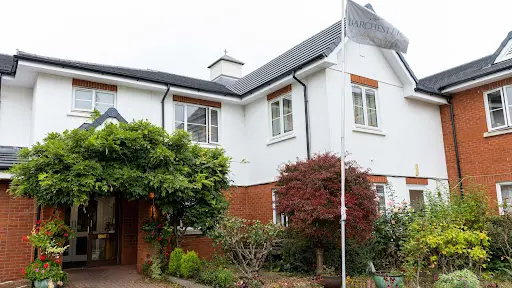
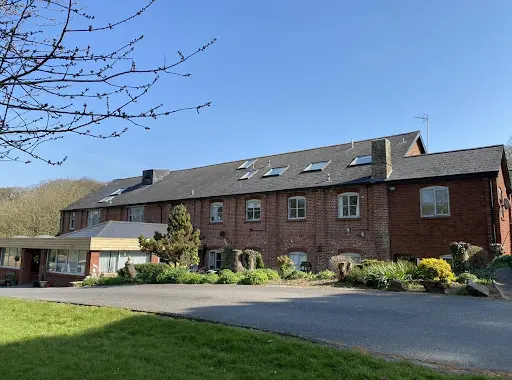
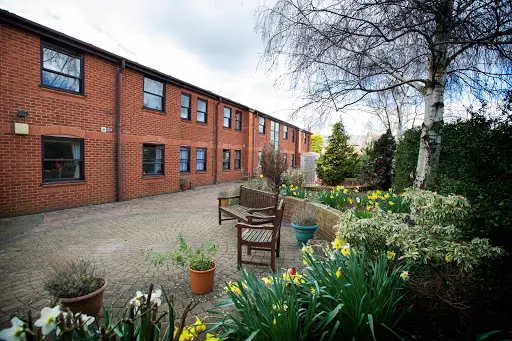
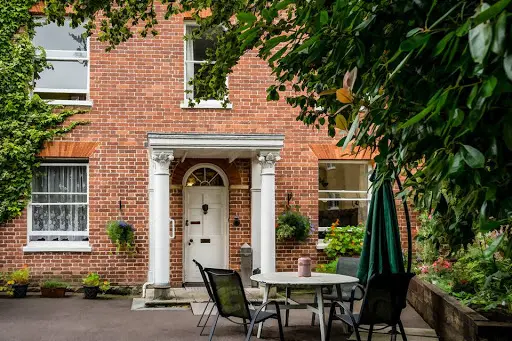
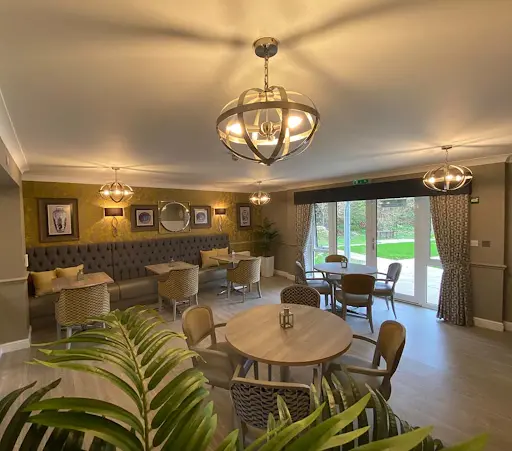
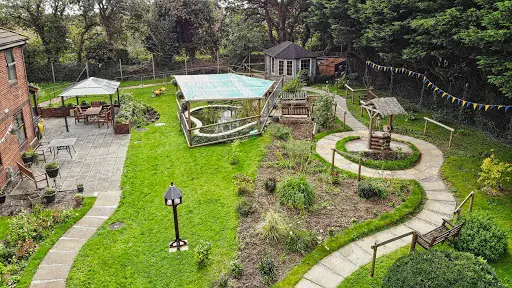
The kitchen team gets just as much appreciation as the care staff, which says something about the food here. The building itself has a comfortable, lived-in quality that families often mention — less institutional, more domestic. There's outdoor space that residents actually use, not just look at through windows.
“What matters here are the documented improvements families see — better mobility, renewed appetite, moments of clarity and connection that make each day worthwhile.”
DCC does not edit or curate content in this tab. For independently curated information, see The Evidence and DCC Verdict.