Aveland Court Care Home – Bliss Care

At a Glance
The information you need to decide whether this home warrants a closer look.
Residential homes
Staff warmth score
of reviewers answered yes
Good to know
- Registered beds30
- SpecialismsCaring for adults over 65 yrs, Dementia, Eating disorders, Physical disabilities, Sensory impairment
- Last inspected2023-03-08
Save Aveland Court Care Home – Bliss Care to your shortlist
Keep a running list, add visit notes, and compare homes side-by-side. Free account — it takes a minute.
STAGE 4 — RESEARCHING CARE HOMES
Visit homes. Compare them side by side. Choose with confidence.
Most of us will view care homes the way we view houses, impression, atmosphere, the feeling in the corridor. We go home, try to remember what we saw, and make a permanent decision from a blurred memory.

The DCC shortlist gives every home you visit a structured record: the same twelve questions, answered the same way, every time. When you’re ready to choose, pull any two homes side by side and compare them directly. Same criteria, same evidence, your notes and your scores.
The Evidence
What the review data, the inspection reports, and the dementia-care evidence base tell us about this home.
What families say
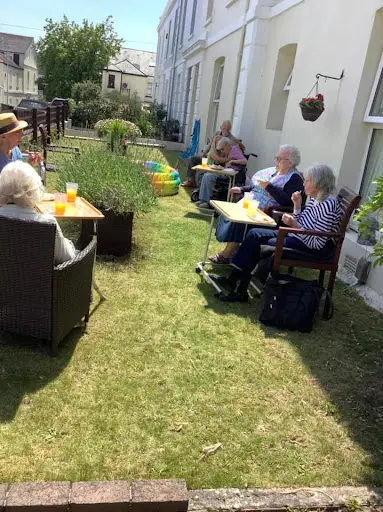
Visitors frequently comment on how content their relatives seem here, noticing them chatting with other residents or joining in activities. The sense of community feels genuine, with staff creating an atmosphere where residents naturally engage with each other. That welcoming feeling extends to families too, who feel comfortable spending time here.
The eight family priority themes
- Staff warmth55
- Compassion & dignity55
- Cleanliness55
- Activities & engagement50
- Food quality50
- Healthcare55
- Management & leadership60
- Resident happiness55
What inspectors found
Inspected 2023-03-08
Is this home safe?
Is the care effective?
The home was rated Good for Effective at its January 2023 inspection. This domain covers training, care planning, healthcare access, and nutrition. The home lists dementia as a specialism, which implies a commitment to dementia-specific practice, but no detail about training content, GP access arrangements, or care plan processes is provided in the published summary. The eating disorders specialism is notable for a residential care home and suggests some specialist nutritional expertise, though this is not elaborated upon.Is this home caring?
The home was rated Good for Caring at its January 2023 inspection. This domain covers staff warmth, dignity, respect, and how well staff know the people they care for as individuals. No direct observations of staff interactions, no resident quotes, and no family testimony are recorded in the published summary. The Good rating confirms inspectors were satisfied, but the level of evidence behind it is not visible in what has been published.Is the home responsive?
The home was rated Good for Responsive at its January 2023 inspection. This domain covers how well the home meets individual needs, the activities programme, complaint handling, and end-of-life planning. The home lists dementia among its specialisms. No specific detail about activities, individual engagement, complaint records, or advance care planning is recorded in the published summary.Is the home well-led?
The home was rated Good for Well-led at its January 2023 inspection. A named registered manager, Miss Cody Lee Marsland, is confirmed in post, alongside a named nominated individual, Mr Isaac Theophilos. The home is operated by Bliss Care Torquay Limited. No specific evidence about management visibility, staff culture, governance processes, or how the home responds to feedback is recorded in the published summary.
Source: CQC inspection report →
What the evidence base says
Aveland Court provides specialist support for residents with dementia, sensory impairments, physical disabilities and eating disorders. The home focuses on caring for adults over 65, with staff trained to handle complex care needs. For residents living with dementia, the home provides specialised care approaches tailored to individual needs. The engaging activities programme and warm staff interactions help create a supportive environment where residents with dementia can maintain connections and enjoy daily life. All areas worth probing directly during a visit.
The DCC Verdict
Our editorial view, built from the three lenses: what families tell us, what inspectors record, and how the home sits against good dementia-care practice.
DCC Family Score
Aveland Court Care Home was rated Good across all five inspection domains, which is a positive baseline. However, the published report contains very little specific detail, direct observations, or resident and family testimony, so scores reflect the Good rating rather than strong confirming evidence.
Homes in South West typically score 68–82.The three-lens summary
What families tell us
Visitors frequently comment on how content their relatives seem here, noticing them chatting with other residents or joining in activities. The sense of community feels genuine, with staff creating an atmosphere where residents naturally engage with each other. That welcoming feeling extends to families too, who feel comfortable spending time here.
What inspectors have recorded
The care team here shows genuine warmth in their daily interactions, taking time to understand each resident's needs and preferences. Families notice how staff respond quickly when needed while maintaining that personal touch. The recent management changes have brought noticeable improvements to how the home operates, creating a more positive atmosphere throughout.
How it sits against good practice
The combination of professional care and genuine warmth makes Aveland Court worth considering for families navigating this difficult decision.
Worth a visit
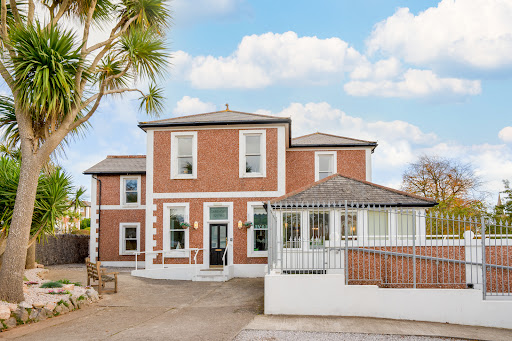
Aveland Court Care Home on Aveland Road in Torquay was rated Good across all five inspection domains following an inspection in January 2023, with the rating confirmed as stable at a monitoring review in July 2023. The home is registered for 30 residents and lists dementia, physical disabilities, sensory impairment, and eating disorders among its specialisms. A named registered manager is confirmed in post, which is a positive structural indicator. The main limitation of this report is that the published summary contains very little specific detail: no direct inspector observations, no quotes from residents or families, and no concrete examples of practice are recorded. This means a Good rating is confirmed but not evidenced in the granular way that would give you real confidence. On a visit, ask the manager to show you last week's actual staffing rota to check permanent versus agency cover, particularly on night shifts. Observe how staff interact with residents in corridors and communal areas, specifically whether they use preferred names and move at an unhurried pace. These are the observable signals that tell you what the rating alone cannot.
The three questions to ask when you visitSave this home. Compare it against your shortlist.
Let our analysis show you how Aveland Court Care Home – Bliss Care measures up against the other homes you’re considering. Free account.
In Their Own Words
How Aveland Court Care Home – Bliss Care describes itself — collected from its own website. DCC has not edited or independently verified the content in this tab.
Where warmth meets professional care in coastal Torquay
Aveland Court Care Home – Your Trusted residential home
There's something reassuring about walking into Aveland Court Care Home in Torquay and feeling that immediate sense of warmth. Families visiting loved ones here often mention how the atmosphere puts them at ease from the moment they arrive. The home has seen positive changes recently, with new leadership bringing fresh energy to both the environment and the care approach.
Who they care for
Aveland Court provides specialist support for residents with dementia, sensory impairments, physical disabilities and eating disorders. The home focuses on caring for adults over 65, with staff trained to handle complex care needs.
For residents living with dementia, the home provides specialised care approaches tailored to individual needs. The engaging activities programme and warm staff interactions help create a supportive environment where residents with dementia can maintain connections and enjoy daily life.
“The combination of professional care and genuine warmth makes Aveland Court worth considering for families navigating this difficult decision.”
DCC does not edit or curate content in this tab. For independently curated information, see The Evidence and DCC Verdict.
The DCC Verdict
Our editorial view, built from the three lenses: what families tell us, what inspectors record, and how the home sits against good dementia-care practice.
DCC Family Score
Aveland Court Care Home was rated Good across all five inspection domains, which is a positive baseline. However, the published report contains very little specific detail, direct observations, or resident and family testimony, so scores reflect the Good rating rather than strong confirming evidence.
Homes in South West typically score 68–82.The three-lens summary
What families tell us
Visitors frequently comment on how content their relatives seem here, noticing them chatting with other residents or joining in activities. The sense of community feels genuine, with staff creating an atmosphere where residents naturally engage with each other. That welcoming feeling extends to families too, who feel comfortable spending time here.
What inspectors have recorded
The care team here shows genuine warmth in their daily interactions, taking time to understand each resident's needs and preferences. Families notice how staff respond quickly when needed while maintaining that personal touch. The recent management changes have brought noticeable improvements to how the home operates, creating a more positive atmosphere throughout.
How it sits against good practice
The combination of professional care and genuine warmth makes Aveland Court worth considering for families navigating this difficult decision.
Worth a visit
Aveland Court Care Home on Aveland Road in Torquay was rated Good across all five inspection domains following an inspection in January 2023, with the rating confirmed as stable at a monitoring review in July 2023. The home is registered for 30 residents and lists dementia, physical disabilities, sensory impairment, and eating disorders among its specialisms. A named registered manager is confirmed in post, which is a positive structural indicator. The main limitation of this report is that the published summary contains very little specific detail: no direct inspector observations, no quotes from residents or families, and no concrete examples of practice are recorded. This means a Good rating is confirmed but not evidenced in the granular way that would give you real confidence. On a visit, ask the manager to show you last week's actual staffing rota to check permanent versus agency cover, particularly on night shifts. Observe how staff interact with residents in corridors and communal areas, specifically whether they use preferred names and move at an unhurried pace. These are the observable signals that tell you what the rating alone cannot.
The three questions to ask when you visitSave this home. Compare it against your shortlist.
Let our analysis show you how Aveland Court Care Home – Bliss Care measures up against the other homes you’re considering. Free account.
In Their Own Words
How Aveland Court Care Home – Bliss Care describes itself — collected from its own website. DCC has not edited or independently verified the content in this tab.
Where warmth meets professional care in coastal Torquay
Aveland Court Care Home – Your Trusted residential home
There's something reassuring about walking into Aveland Court Care Home in Torquay and feeling that immediate sense of warmth. Families visiting loved ones here often mention how the atmosphere puts them at ease from the moment they arrive. The home has seen positive changes recently, with new leadership bringing fresh energy to both the environment and the care approach.
Who they care for
Aveland Court provides specialist support for residents with dementia, sensory impairments, physical disabilities and eating disorders. The home focuses on caring for adults over 65, with staff trained to handle complex care needs.
For residents living with dementia, the home provides specialised care approaches tailored to individual needs. The engaging activities programme and warm staff interactions help create a supportive environment where residents with dementia can maintain connections and enjoy daily life.
Management & ethos
The care team here shows genuine warmth in their daily interactions, taking time to understand each resident's needs and preferences. Families notice how staff respond quickly when needed while maintaining that personal touch. The recent management changes have brought noticeable improvements to how the home operates, creating a more positive atmosphere throughout.
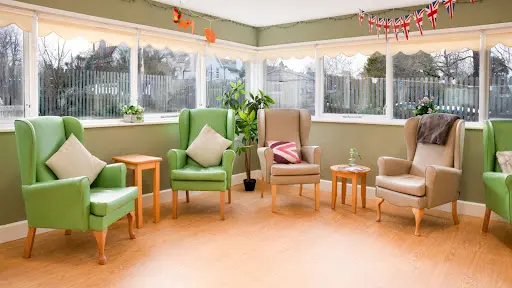
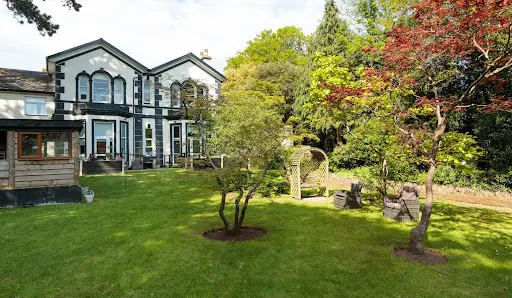
The home & environment
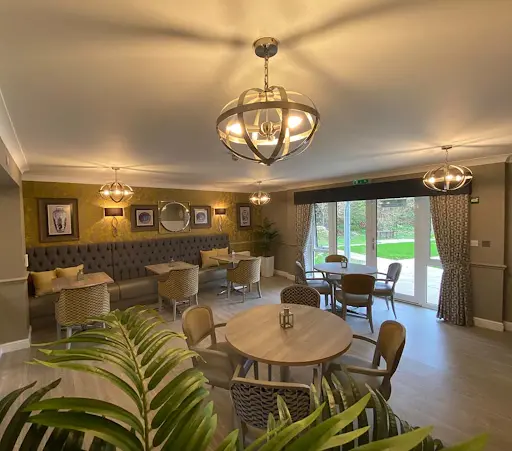
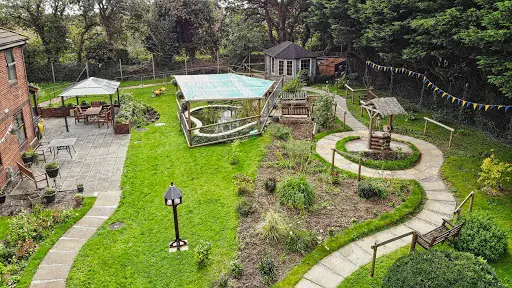
The home maintains impressively high standards of cleanliness throughout, something families consistently appreciate. There's a programme of activities that keeps residents engaged, including visits from therapy dogs and rabbits that bring real joy. The home coordinates medical services thoughtfully alongside daily activities, ensuring practical needs are met without overshadowing quality of life.
“The combination of professional care and genuine warmth makes Aveland Court worth considering for families navigating this difficult decision.”
DCC does not edit or curate content in this tab. For independently curated information, see The Evidence and DCC Verdict.