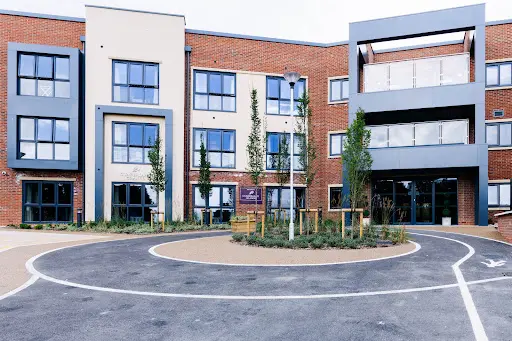
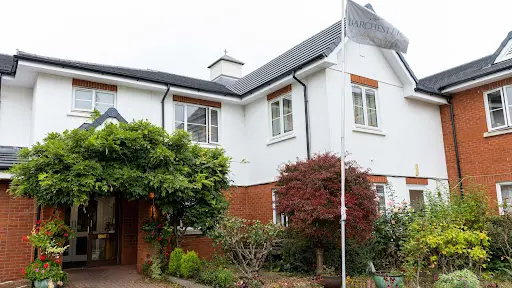
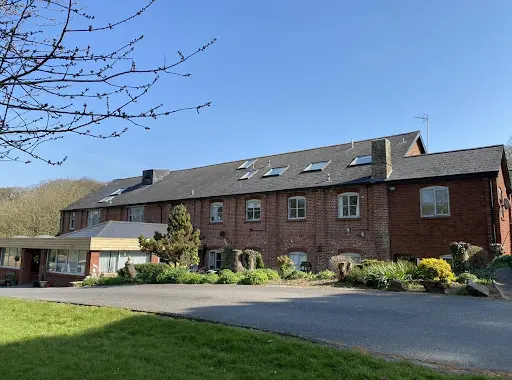
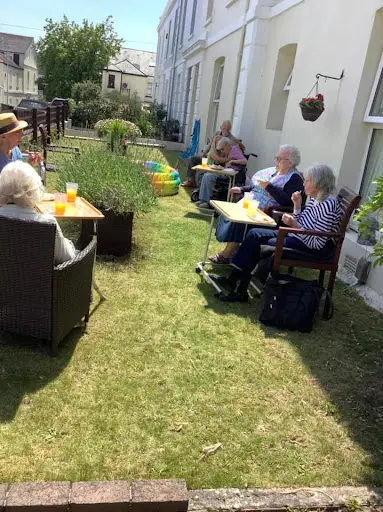
Cadogan Court

At a Glance
The information you need to decide whether this home warrants a closer look.
Nursing homes
Staff warmth score
of reviewers answered yes
Good to know
- Registered beds70
- SpecialismsCaring for adults over 65 yrs, Caring for adults under 65 yrs, Dementia
- Last inspected2019-11-28
Save Cadogan Court to your shortlist
Keep a running list, add visit notes, and compare homes side-by-side. Free account — it takes a minute.
STAGE 4 — RESEARCHING CARE HOMES
Visit homes. Compare them side by side. Choose with confidence.
Most of us will view care homes the way we view houses, impression, atmosphere, the feeling in the corridor. We go home, try to remember what we saw, and make a permanent decision from a blurred memory.

The DCC shortlist gives every home you visit a structured record: the same twelve questions, answered the same way, every time. When you’re ready to choose, pull any two homes side by side and compare them directly. Same criteria, same evidence, your notes and your scores.
The Evidence
What the review data, the inspection reports, and the dementia-care evidence base tell us about this home.
What families say
The eight family priority themes
- Staff warmth55
- Compassion & dignity60
- Cleanliness60
- Activities & engagement50
- Food quality50
- Healthcare60
- Management & leadership45
- Resident happiness55
What inspectors found
Inspected 2019-11-28
Is this home safe?
Is the care effective?
The Effective domain was rated Good at the February 2022 inspection. This covers training, care planning, healthcare access, and nutrition. The published summary does not include specific observations about how care plans are written, how frequently they are reviewed, or what dementia training staff receive. For a home with dementia as a listed specialism, the depth and currency of staff training is particularly important. No concerns in the Effective domain were identified in the available findings.Is this home caring?
The Caring domain was rated Good at the February 2022 inspection. This domain covers staff warmth, dignity, respect, and how well residents' independence is supported. The published summary does not include specific inspector observations, such as whether staff used preferred names, whether interactions were unhurried, or how staff responded when residents were distressed. Staff warmth is the single biggest driver of family satisfaction in our review data, mentioned in 57.3% of positive reviews, so the absence of detail here is a genuine gap in the available evidence.Is the home responsive?
The Responsive domain was rated Good at the February 2022 inspection. This domain covers whether the home meets individual needs, provides varied and meaningful activities, and plans appropriately for end of life. The published summary contains no specific detail about the activities programme, how it is tailored to individuals, or how end-of-life wishes are recorded and honoured. For a home with a dementia specialism, the quality of individual engagement, particularly for residents who cannot join group activities, is a key consideration that the available findings do not address.Is the home well-led?
Well-Led was rated Requires Improvement at the February 2022 inspection, making it the one domain that fell below Good. This is a notable finding in an otherwise Good-rated home. The published summary does not specify what the governance or leadership shortfalls were, but a Requires Improvement in this domain typically indicates concerns about oversight, audit processes, staff culture, or accountability systems. The home has a named registered manager and a nominated individual from The Royal Masonic Benevolent Institution Care Company, but the inspection report does not confirm how long the current manager has been in post or what steps have been taken since the inspection to address the identified shortfalls.
Source: CQC inspection report →
What the evidence base says
The team supports both younger adults under 65 and older residents, with specialist knowledge in dementia care. This mixed-age community means the home understands the different needs and perspectives of residents at various life stages. Dementia affects people of all ages, and Cadogan Court's experience with both younger and older residents brings valuable perspective to their approach. The team understands that dementia care needs vary significantly depending on life stage and personal circumstances. All areas worth probing directly during a visit.
The DCC Verdict
Our editorial view, built from the three lenses: what families tell us, what inspectors record, and how the home sits against good dementia-care practice.
DCC Family Score
Cadogan Court scores in the mid-range overall, reflecting solid Good ratings across care, safety, and effectiveness, but held back by a Requires Improvement in Well-Led. The inspection report provided very limited specific detail, so many scores reflect general compliance rather than rich, observed evidence.
Homes in South West typically score 68–82.Worth a visit
Cadogan Court, on Barley Lane in Exeter, was rated Good overall at its most recent inspection in February 2022, an improvement from a previous Requires Improvement rating. Inspectors rated Safe, Effective, Caring, and Responsive as Good. The home is registered for up to 70 beds and lists dementia care as a specialism, alongside care for adults both over and under 65. The important caveat is that Well-Led was rated Requires Improvement at that same inspection, meaning leadership and governance had shortfalls that inspectors identified as unresolved. This is worth taking seriously, because strong leadership is one of the clearest predictors of consistent care quality over time. The inspection report published online contains very limited specific detail, so it is not possible to say exactly what the Well-Led concerns were or whether they have since been addressed. On a visit, ask the manager directly what the Requires Improvement findings were, what changes were made, and what evidence exists that those changes have held. Also confirm the current registered manager and how long they have been in post.
The three questions to ask when you visitSave this home. Compare it against your shortlist.
Let our analysis show you how Cadogan Court measures up against the other homes you’re considering. Free account.
In Their Own Words
How Cadogan Court describes itself — collected from its own website. DCC has not edited or independently verified the content in this tab.
Specialist dementia care for different generations in Exeter
Nursing home in Exeter: True Peace of Mind
Cadogan Court in Exeter brings together younger and older adults who need specialist support, creating a community that crosses traditional age boundaries. The care home welcomes people under 65 alongside older residents, with particular expertise in dementia care. This thoughtful approach recognises that care needs don't always follow conventional patterns.
Who they care for
The team supports both younger adults under 65 and older residents, with specialist knowledge in dementia care. This mixed-age community means the home understands the different needs and perspectives of residents at various life stages.
Dementia affects people of all ages, and Cadogan Court's experience with both younger and older residents brings valuable perspective to their approach. The team understands that dementia care needs vary significantly depending on life stage and personal circumstances.
“If you're looking for specialist care that doesn't fit the usual mould, Cadogan Court might be worth exploring.”
DCC does not edit or curate content in this tab. For independently curated information, see The Evidence and DCC Verdict.
The DCC Verdict
Our editorial view, built from the three lenses: what families tell us, what inspectors record, and how the home sits against good dementia-care practice.
DCC Family Score
Cadogan Court scores in the mid-range overall, reflecting solid Good ratings across care, safety, and effectiveness, but held back by a Requires Improvement in Well-Led. The inspection report provided very limited specific detail, so many scores reflect general compliance rather than rich, observed evidence.
Homes in South West typically score 68–82.Worth a visit
Cadogan Court, on Barley Lane in Exeter, was rated Good overall at its most recent inspection in February 2022, an improvement from a previous Requires Improvement rating. Inspectors rated Safe, Effective, Caring, and Responsive as Good. The home is registered for up to 70 beds and lists dementia care as a specialism, alongside care for adults both over and under 65. The important caveat is that Well-Led was rated Requires Improvement at that same inspection, meaning leadership and governance had shortfalls that inspectors identified as unresolved. This is worth taking seriously, because strong leadership is one of the clearest predictors of consistent care quality over time. The inspection report published online contains very limited specific detail, so it is not possible to say exactly what the Well-Led concerns were or whether they have since been addressed. On a visit, ask the manager directly what the Requires Improvement findings were, what changes were made, and what evidence exists that those changes have held. Also confirm the current registered manager and how long they have been in post.
The three questions to ask when you visitSave this home. Compare it against your shortlist.
Let our analysis show you how Cadogan Court measures up against the other homes you’re considering. Free account.
In Their Own Words
How Cadogan Court describes itself — collected from its own website. DCC has not edited or independently verified the content in this tab.
Specialist dementia care for different generations in Exeter
Nursing home in Exeter: True Peace of Mind
Cadogan Court in Exeter brings together younger and older adults who need specialist support, creating a community that crosses traditional age boundaries. The care home welcomes people under 65 alongside older residents, with particular expertise in dementia care. This thoughtful approach recognises that care needs don't always follow conventional patterns.
Who they care for
The team supports both younger adults under 65 and older residents, with specialist knowledge in dementia care. This mixed-age community means the home understands the different needs and perspectives of residents at various life stages.
Dementia affects people of all ages, and Cadogan Court's experience with both younger and older residents brings valuable perspective to their approach. The team understands that dementia care needs vary significantly depending on life stage and personal circumstances.
“If you're looking for specialist care that doesn't fit the usual mould, Cadogan Court might be worth exploring.”
DCC does not edit or curate content in this tab. For independently curated information, see The Evidence and DCC Verdict.