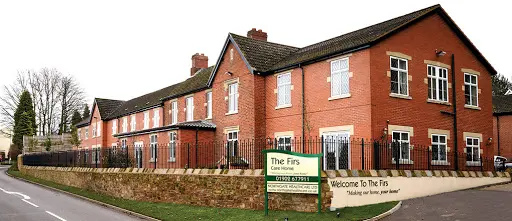
The Firs Residential Care Home
At a Glance
The information you need to decide whether this home warrants a closer look.
Residential homes
Staff warmth score
of reviewers answered yes
Good to know
- Registered beds38
- SpecialismsCaring for adults over 65 yrs, Dementia, Physical disabilities
- Last inspected2022-12-20
Save The Firs Residential Care Home to your shortlist
Keep a running list, add visit notes, and compare homes side-by-side. Free account — it takes a minute.
STAGE 4 — RESEARCHING CARE HOMES
Visit homes. Compare them side by side. Choose with confidence.
Most of us will view care homes the way we view houses, impression, atmosphere, the feeling in the corridor. We go home, try to remember what we saw, and make a permanent decision from a blurred memory.

The DCC shortlist gives every home you visit a structured record: the same twelve questions, answered the same way, every time. When you’re ready to choose, pull any two homes side by side and compare them directly. Same criteria, same evidence, your notes and your scores.
The Evidence
What the review data, the inspection reports, and the dementia-care evidence base tell us about this home.
What families say
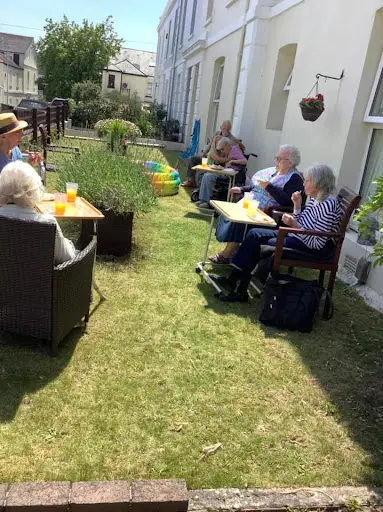
The difference families notice most is how staff take time to know each resident as a person, not just through care tasks. Several relatives describe watching their loved ones, particularly those with dementia, becoming more social and engaged after moving in. The home sends regular photo updates of residents enjoying activities, which helps anxious families feel connected from afar.
The eight family priority themes
- Staff warmth72
- Compassion & dignity72
- Cleanliness70
- Activities & engagement65
- Food quality65
- Healthcare68
- Management & leadership72
- Resident happiness68
What inspectors found
Inspected 2022-12-20
Is this home safe?
Is the care effective?
The home received a Good rating for effectiveness at the November 2022 inspection. This domain covers whether staff have the right training, whether care plans are detailed and up to date, whether residents have regular access to GPs and other health professionals, and whether food meets individual needs. No specific observations, quotes, or examples were published in the inspection text. The Good rating indicates inspectors were satisfied, but the basis for that satisfaction is not visible in the published report.Is this home caring?
The Firs was rated Good for caring at its November 2022 inspection. The Caring domain covers whether staff treat residents with warmth and respect, whether privacy and dignity are upheld, and whether people are supported to remain as independent as possible. The published text does not include inspector observations of staff interactions, resident or relative quotes, or specific examples of dignity-preserving practice. The Good rating signals that inspectors found no significant concerns in this area.Is the home responsive?
The home received a Good rating in the Responsive domain at the November 2022 inspection. This domain covers whether the home provides activities and engagement tailored to individual interests, whether it responds to complaints, and whether end-of-life care is planned and personalised. No specific information about the activity programme, individual engagement, or end-of-life practice was published in the inspection text. The home is registered as a specialist dementia care provider, which implies some commitment to tailored approaches, but the inspection report does not confirm what is actually in place.Is the home well-led?
The Firs was rated Good for being well-led at its November 2022 inspection. The home is operated by West Bank Residential Home Limited, with Mrs Caroline Burchell named as the nominated individual. The Well-Led domain covers whether the management is visible and supportive, whether there is a culture where staff can raise concerns, and whether governance systems are in place to monitor quality and act on problems. The previous Requires Improvement rating suggests there were leadership or governance weaknesses identified earlier; the current Good rating indicates these were resolved. No specific management observations or staff quotes were published.
Source: CQC inspection report →
What the evidence base says
The Firs provides residential care for adults over 65, including those with dementia and physical disabilities. Their approach to dementia care focuses on maintaining engagement through personalised activities. Families of residents with dementia report seeing real improvements in mood and social connection. The structured activity programme seems particularly effective at giving residents with memory conditions a renewed sense of purpose and enjoyment in their days. All areas worth probing directly during a visit.
The DCC Verdict
Our editorial view, built from the three lenses: what families tell us, what inspectors record, and how the home sits against good dementia-care practice.
DCC Family Score
The Firs Residential Home improved from Requires Improvement to a Good rating across all five domains at its November 2022 inspection, which is a meaningful positive signal. However, the published inspection text provides very limited specific detail, so most scores reflect a solid baseline Good rating rather than strong corroborating evidence.
Homes in South West typically score 68–82.The three-lens summary
What families tell us
The difference families notice most is how staff take time to know each resident as a person, not just through care tasks. Several relatives describe watching their loved ones, particularly those with dementia, becoming more social and engaged after moving in. The home sends regular photo updates of residents enjoying activities, which helps anxious families feel connected from afar.
What inspectors have recorded
What strikes families is how genuinely the staff seem to care. They're described as polite and professional, but more importantly, as people who remember the small things that matter to each resident. Families say they can phone anytime for updates, and the current management team has brought a sense of stability and good organisation to the home.
How it sits against good practice
For families facing these difficult decisions, knowing that genuine warmth and engagement await can make all the difference.
Worth a visit
The Firs Residential Home, at 33 West Hill in Budleigh Salterton, was rated Good at its November 2022 inspection across all five domains: safe, effective, caring, responsive, and well-led. Importantly, this represents an improvement from its previous Requires Improvement rating, which is a meaningful signal that the home recognised problems and addressed them. The home is registered for 38 beds and specialises in dementia care, care for adults over 65, and care for people with physical disabilities. The main caution here is that the published inspection text is very thin on specific detail, meaning this report cannot tell you much about what life actually looks like day to day at The Firs. A Good rating is a positive baseline, but it is not a guarantee of quality in the areas families care about most. Before making a decision, visit in person and ask focused questions: how many permanent staff are on overnight for 38 residents, how recently care staff completed dementia-specific training, and whether you would be actively involved in writing and reviewing your parent's care plan.
The three questions to ask when you visitSave this home. Compare it against your shortlist.
Let our analysis show you how The Firs Residential Care Home measures up against the other homes you’re considering. Free account.
In Their Own Words
How The Firs Residential Care Home describes itself — collected from its own website. DCC has not edited or independently verified the content in this tab.
Where thoughtful activities help residents rediscover their spark
The Firs Residential Home – Expert Care in Budleigh Salterton
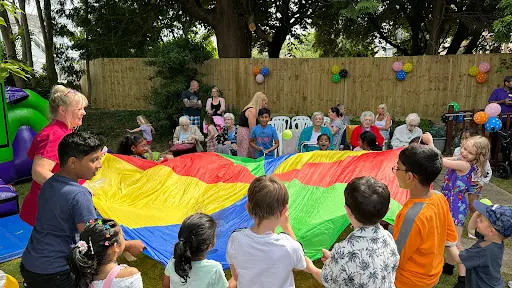
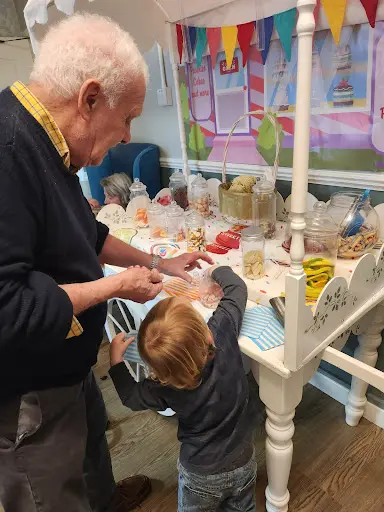
Families searching for dementia care often worry whether their loved one will withdraw or lose interest in life. The Firs Residential Home in Budleigh Salterton seems to understand this fear deeply. Here, residents find themselves drawn into daily activities, from gardening to music sessions, that families say have genuinely rekindled their relatives' sense of purpose.
Who they care for
The Firs provides residential care for adults over 65, including those with dementia and physical disabilities. Their approach to dementia care focuses on maintaining engagement through personalised activities.
Families of residents with dementia report seeing real improvements in mood and social connection. The structured activity programme seems particularly effective at giving residents with memory conditions a renewed sense of purpose and enjoyment in their days.
“For families facing these difficult decisions, knowing that genuine warmth and engagement await can make all the difference.”
DCC does not edit or curate content in this tab. For independently curated information, see The Evidence and DCC Verdict.
The DCC Verdict
Our editorial view, built from the three lenses: what families tell us, what inspectors record, and how the home sits against good dementia-care practice.
DCC Family Score
The Firs Residential Home improved from Requires Improvement to a Good rating across all five domains at its November 2022 inspection, which is a meaningful positive signal. However, the published inspection text provides very limited specific detail, so most scores reflect a solid baseline Good rating rather than strong corroborating evidence.
Homes in South West typically score 68–82.The three-lens summary
What families tell us
The difference families notice most is how staff take time to know each resident as a person, not just through care tasks. Several relatives describe watching their loved ones, particularly those with dementia, becoming more social and engaged after moving in. The home sends regular photo updates of residents enjoying activities, which helps anxious families feel connected from afar.
What inspectors have recorded
What strikes families is how genuinely the staff seem to care. They're described as polite and professional, but more importantly, as people who remember the small things that matter to each resident. Families say they can phone anytime for updates, and the current management team has brought a sense of stability and good organisation to the home.
How it sits against good practice
For families facing these difficult decisions, knowing that genuine warmth and engagement await can make all the difference.
Worth a visit
The Firs Residential Home, at 33 West Hill in Budleigh Salterton, was rated Good at its November 2022 inspection across all five domains: safe, effective, caring, responsive, and well-led. Importantly, this represents an improvement from its previous Requires Improvement rating, which is a meaningful signal that the home recognised problems and addressed them. The home is registered for 38 beds and specialises in dementia care, care for adults over 65, and care for people with physical disabilities. The main caution here is that the published inspection text is very thin on specific detail, meaning this report cannot tell you much about what life actually looks like day to day at The Firs. A Good rating is a positive baseline, but it is not a guarantee of quality in the areas families care about most. Before making a decision, visit in person and ask focused questions: how many permanent staff are on overnight for 38 residents, how recently care staff completed dementia-specific training, and whether you would be actively involved in writing and reviewing your parent's care plan.
The three questions to ask when you visitSave this home. Compare it against your shortlist.
Let our analysis show you how The Firs Residential Care Home measures up against the other homes you’re considering. Free account.
In Their Own Words
How The Firs Residential Care Home describes itself — collected from its own website. DCC has not edited or independently verified the content in this tab.
Where thoughtful activities help residents rediscover their spark
The Firs Residential Home – Expert Care in Budleigh Salterton
Families searching for dementia care often worry whether their loved one will withdraw or lose interest in life. The Firs Residential Home in Budleigh Salterton seems to understand this fear deeply. Here, residents find themselves drawn into daily activities, from gardening to music sessions, that families say have genuinely rekindled their relatives' sense of purpose.
Who they care for
The Firs provides residential care for adults over 65, including those with dementia and physical disabilities. Their approach to dementia care focuses on maintaining engagement through personalised activities.
Families of residents with dementia report seeing real improvements in mood and social connection. The structured activity programme seems particularly effective at giving residents with memory conditions a renewed sense of purpose and enjoyment in their days.
Management & ethos
What strikes families is how genuinely the staff seem to care. They're described as polite and professional, but more importantly, as people who remember the small things that matter to each resident. Families say they can phone anytime for updates, and the current management team has brought a sense of stability and good organisation to the home.
The home & environment
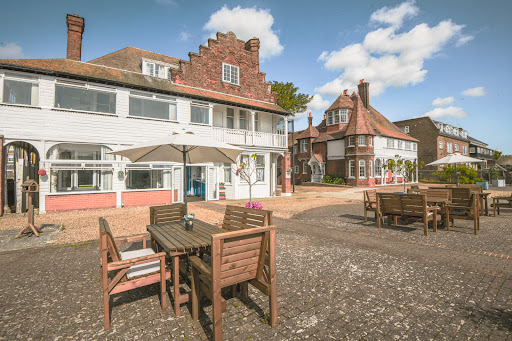
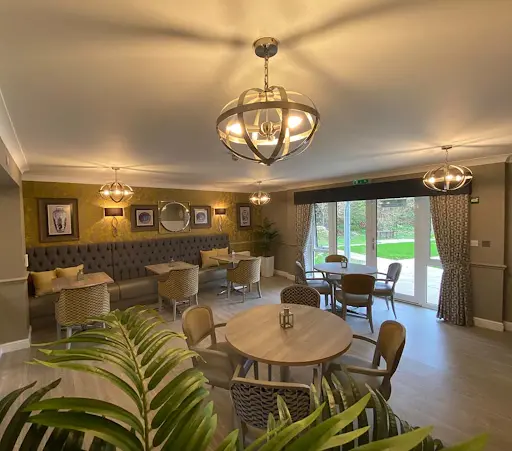
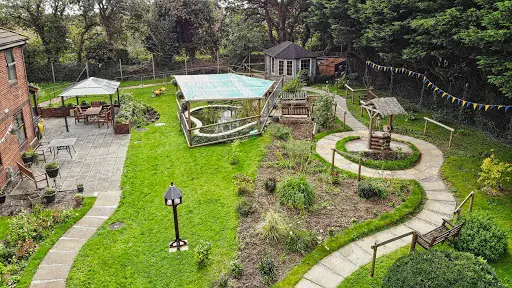
Meals are cooked fresh on-site, and families mention being able to share these with residents during visits. The home sits in a quiet spot with secure grounds that residents can enjoy safely. People describe the environment as calm and comfortable, with clean, well-maintained spaces throughout.
“For families facing these difficult decisions, knowing that genuine warmth and engagement await can make all the difference.”
DCC does not edit or curate content in this tab. For independently curated information, see The Evidence and DCC Verdict.