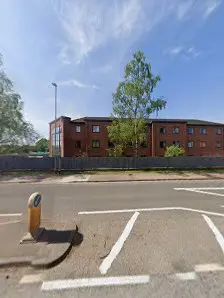
Cloverleaf Care Home
At a Glance
The information you need to decide whether this home warrants a closer look.
Nursing homes
Staff warmth score
of reviewers answered yes
Good to know
- Registered beds72
- SpecialismsCaring for adults over 65 yrs, Caring for adults under 65 yrs, Dementia, Mental health conditions, Physical disabilities, Sensory impairment
- Last inspected2021-08-04
Save Cloverleaf Care Home to your shortlist
Keep a running list, add visit notes, and compare homes side-by-side. Free account — it takes a minute.
STAGE 4 — RESEARCHING CARE HOMES
Visit homes. Compare them side by side. Choose with confidence.
Most of us will view care homes the way we view houses, impression, atmosphere, the feeling in the corridor. We go home, try to remember what we saw, and make a permanent decision from a blurred memory.

The DCC shortlist gives every home you visit a structured record: the same twelve questions, answered the same way, every time. When you’re ready to choose, pull any two homes side by side and compare them directly. Same criteria, same evidence, your notes and your scores.
The Evidence
What the review data, the inspection reports, and the dementia-care evidence base tell us about this home.
What families say
The activities programme gets particular praise from families who see their relatives joining in with music sessions, dancing, crafts and gentle exercise. Several people have commented on how staff take time to listen and offer reassurance to worried visitors, which can make those difficult early visits feel less daunting.
The eight family priority themes
- Staff warmth55
- Compassion & dignity55
- Cleanliness55
- Activities & engagement50
- Food quality50
- Healthcare55
- Management & leadership60
- Resident happiness55
What inspectors found
Inspected 2021-08-04
Is this home safe?
Is the care effective?
The home was rated Good for effectiveness at its July 2021 inspection. Tanglewood Cloverleaf is registered to provide nursing care as well as personal care, which means qualified nurses should be present alongside care staff. The published text does not include specific detail about care plan quality, GP access arrangements, dementia training programmes, or how food quality and dietary needs are managed for people with complex conditions.Is this home caring?
The home was rated Good for caring at its July 2021 inspection. The published text does not include specific inspector observations of staff interactions, direct quotes from residents or relatives, or examples of how dignity and privacy are protected in practice. The rating itself indicates that inspectors did not find concerns in this domain at the time of the visit.Is the home responsive?
The home was rated Good for responsiveness at its July 2021 inspection. Tanglewood Cloverleaf supports a broad range of needs including dementia, mental health conditions, and sensory impairment, which suggests the home is expected to tailor its approach to quite different individuals. The published text does not include specific detail about the activities programme, one-to-one engagement for people who cannot join group activities, or how end-of-life care preferences are recorded and respected.Is the home well-led?
The home was rated Good for well-led at its July 2021 inspection. The registered manager at the time of the inspection was Mrs Jill Packwood, with Mr Daniel Christopher Rowark named as the nominated individual for Tanglewood Care Services Limited. The published text does not include specific detail about management visibility, staff culture, how complaints are handled, or how the home acts on feedback from residents and families.
Source: CQC inspection report →
What the evidence base says
The home cares for people with dementia, mental health conditions, physical disabilities and sensory impairments, accepting both younger adults and those over 65. For residents living with dementia, the structured activity programme and access to secure outdoor spaces seem particularly valued by families. The home's approach appears to focus on maintaining engagement through familiar activities and routines. All areas worth probing directly during a visit.
The DCC Verdict
Our editorial view, built from the three lenses: what families tell us, what inspectors record, and how the home sits against good dementia-care practice.
DCC Family Score
Tanglewood Cloverleaf holds a Good rating across all five inspection domains, which is a positive baseline. However, the published inspection text contains very little specific observational detail, meaning most scores sit in the 50-60 range rather than higher: the rating is confirmed but the evidence behind it is thin.
Homes in East Midlands typically score 68–82.The three-lens summary
What families tell us
The activities programme gets particular praise from families who see their relatives joining in with music sessions, dancing, crafts and gentle exercise. Several people have commented on how staff take time to listen and offer reassurance to worried visitors, which can make those difficult early visits feel less daunting.
What inspectors have recorded
Families describe staff who balance professional nursing care with genuine warmth, keeping relatives updated about their loved ones' wellbeing. While one family raised serious concerns about care standards that would need investigating, the majority of feedback suggests staff who are approachable and attentive to both residents and their families.
How it sits against good practice
If you're considering Tanglewood Cloverleaf, visiting during an activity session might give you a good sense of daily life there.
Worth a visit
Tanglewood Cloverleaf, on Long Leys Road in Lincoln, was rated Good across all five inspection domains at its last inspection in July 2021. The home is registered for up to 72 beds and supports people with a wide range of needs including dementia, mental health conditions, physical disabilities, and sensory impairment. A Good rating across every domain is a meaningful baseline: it means inspectors found no significant failures in safety, care quality, leadership, or responsiveness at the time of the visit. The main uncertainty here is the age of the inspection: July 2021 is now several years ago, and the published report contains very limited specific observational detail, which makes it hard to paint a detailed picture of day-to-day life for your parent. Before visiting, check whether a more recent inspection has been published. On the visit itself, focus your questions on staffing consistency, how staff know your parent as an individual, and what a typical day looks like for someone with your parent's specific needs.
The three questions to ask when you visitSave this home. Compare it against your shortlist.
Let our analysis show you how Cloverleaf Care Home measures up against the other homes you’re considering. Free account.
In Their Own Words
How Cloverleaf Care Home describes itself — collected from its own website. DCC has not edited or independently verified the content in this tab.
Where daily activities and garden chickens bring unexpected moments of joy
Compassionate Care in Lincoln at Tanglewood Cloverleaf
Families visiting Tanglewood Cloverleaf in Lincoln often mention the structured rhythm of daily life that seems to give their loved ones something to look forward to. The care home supports people with various needs, from dementia to physical disabilities, with a particular focus on keeping residents engaged through activities and outdoor time. What strikes many families is how staff make time to chat with visitors, not just residents.
Who they care for
The home cares for people with dementia, mental health conditions, physical disabilities and sensory impairments, accepting both younger adults and those over 65.
For residents living with dementia, the structured activity programme and access to secure outdoor spaces seem particularly valued by families. The home's approach appears to focus on maintaining engagement through familiar activities and routines.
“If you're considering Tanglewood Cloverleaf, visiting during an activity session might give you a good sense of daily life there.”
DCC does not edit or curate content in this tab. For independently curated information, see The Evidence and DCC Verdict.
The DCC Verdict
Our editorial view, built from the three lenses: what families tell us, what inspectors record, and how the home sits against good dementia-care practice.
DCC Family Score
Tanglewood Cloverleaf holds a Good rating across all five inspection domains, which is a positive baseline. However, the published inspection text contains very little specific observational detail, meaning most scores sit in the 50-60 range rather than higher: the rating is confirmed but the evidence behind it is thin.
Homes in East Midlands typically score 68–82.The three-lens summary
What families tell us
The activities programme gets particular praise from families who see their relatives joining in with music sessions, dancing, crafts and gentle exercise. Several people have commented on how staff take time to listen and offer reassurance to worried visitors, which can make those difficult early visits feel less daunting.
What inspectors have recorded
Families describe staff who balance professional nursing care with genuine warmth, keeping relatives updated about their loved ones' wellbeing. While one family raised serious concerns about care standards that would need investigating, the majority of feedback suggests staff who are approachable and attentive to both residents and their families.
How it sits against good practice
If you're considering Tanglewood Cloverleaf, visiting during an activity session might give you a good sense of daily life there.
Worth a visit
Tanglewood Cloverleaf, on Long Leys Road in Lincoln, was rated Good across all five inspection domains at its last inspection in July 2021. The home is registered for up to 72 beds and supports people with a wide range of needs including dementia, mental health conditions, physical disabilities, and sensory impairment. A Good rating across every domain is a meaningful baseline: it means inspectors found no significant failures in safety, care quality, leadership, or responsiveness at the time of the visit. The main uncertainty here is the age of the inspection: July 2021 is now several years ago, and the published report contains very limited specific observational detail, which makes it hard to paint a detailed picture of day-to-day life for your parent. Before visiting, check whether a more recent inspection has been published. On the visit itself, focus your questions on staffing consistency, how staff know your parent as an individual, and what a typical day looks like for someone with your parent's specific needs.
The three questions to ask when you visitSave this home. Compare it against your shortlist.
Let our analysis show you how Cloverleaf Care Home measures up against the other homes you’re considering. Free account.
In Their Own Words
How Cloverleaf Care Home describes itself — collected from its own website. DCC has not edited or independently verified the content in this tab.
Where daily activities and garden chickens bring unexpected moments of joy
Compassionate Care in Lincoln at Tanglewood Cloverleaf
Families visiting Tanglewood Cloverleaf in Lincoln often mention the structured rhythm of daily life that seems to give their loved ones something to look forward to. The care home supports people with various needs, from dementia to physical disabilities, with a particular focus on keeping residents engaged through activities and outdoor time. What strikes many families is how staff make time to chat with visitors, not just residents.
Who they care for
The home cares for people with dementia, mental health conditions, physical disabilities and sensory impairments, accepting both younger adults and those over 65.
For residents living with dementia, the structured activity programme and access to secure outdoor spaces seem particularly valued by families. The home's approach appears to focus on maintaining engagement through familiar activities and routines.
Management & ethos
Families describe staff who balance professional nursing care with genuine warmth, keeping relatives updated about their loved ones' wellbeing. While one family raised serious concerns about care standards that would need investigating, the majority of feedback suggests staff who are approachable and attentive to both residents and their families.
The home & environment
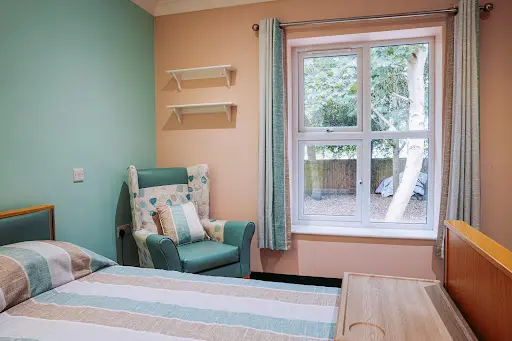
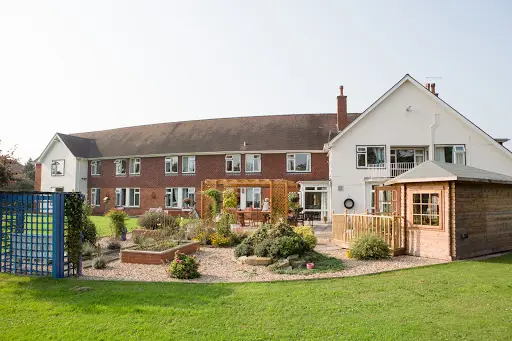
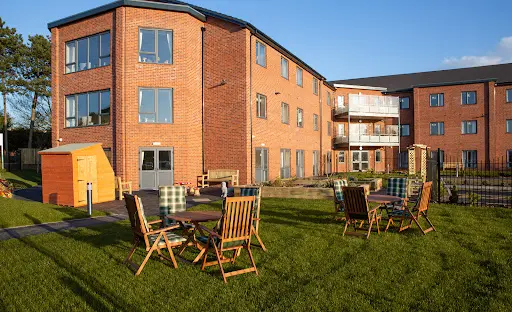
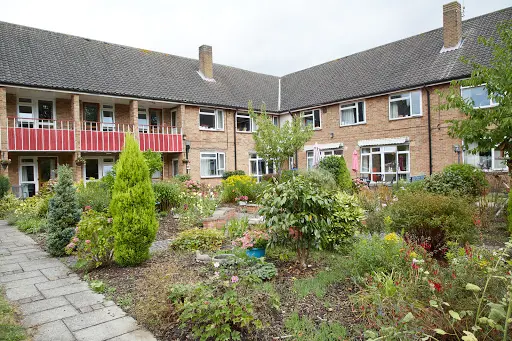
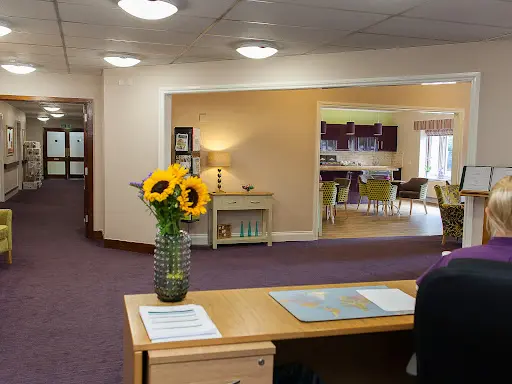
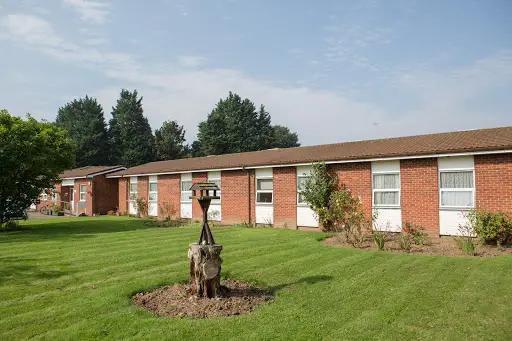
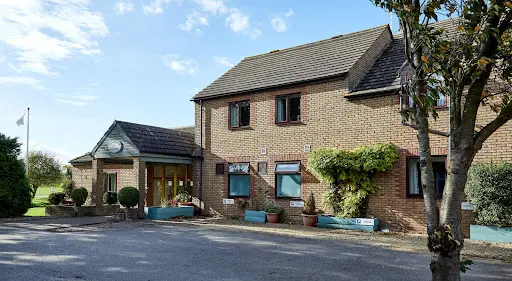
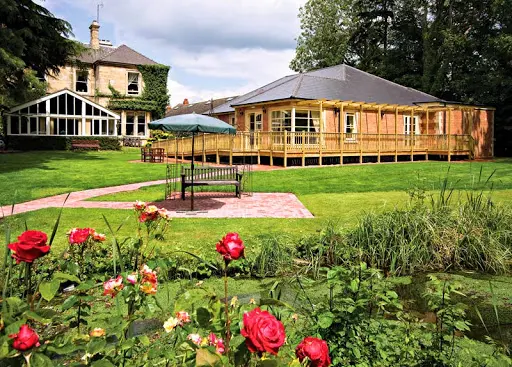
The home keeps its spaces clean and bright, with residents able to spend time in the maintained gardens where they can apparently meet the resident chickens. There's an on-site hairdressing salon and visiting nail specialists, which families appreciate as it means fewer stressful trips out for appointments.
“If you're considering Tanglewood Cloverleaf, visiting during an activity session might give you a good sense of daily life there.”
DCC does not edit or curate content in this tab. For independently curated information, see The Evidence and DCC Verdict.