Bernadette House Care Home

At a Glance
The information you need to decide whether this home warrants a closer look.
Residential homes, Homecare agencies
Staff warmth score
of reviewers answered yes
Good to know
- Registered beds42
- SpecialismsCaring for adults over 65 yrs, Caring for adults under 65 yrs, Dementia, Physical disabilities, Sensory impairment
- Last inspected2021-05-26
Save Bernadette House Care Home to your shortlist
Keep a running list, add visit notes, and compare homes side-by-side. Free account — it takes a minute.
STAGE 4 — RESEARCHING CARE HOMES
Visit homes. Compare them side by side. Choose with confidence.
Most of us will view care homes the way we view houses, impression, atmosphere, the feeling in the corridor. We go home, try to remember what we saw, and make a permanent decision from a blurred memory.

The DCC shortlist gives every home you visit a structured record: the same twelve questions, answered the same way, every time. When you’re ready to choose, pull any two homes side by side and compare them directly. Same criteria, same evidence, your notes and your scores.
The Evidence
What the review data, the inspection reports, and the dementia-care evidence base tell us about this home.
What families say
Families often comment on how genuinely welcoming the staff are here. There's a warmth that goes beyond professional courtesy — people describe feeling like their relatives are truly known and valued. The home has a creative, sensory environment that keeps residents engaged, with artwork and visual interest throughout that adds real character to the space.
The eight family priority themes
- Staff warmth72
- Compassion & dignity72
- Cleanliness68
- Activities & engagement60
- Food quality55
- Healthcare65
- Management & leadership75
- Resident happiness68
What inspectors found
Inspected 2021-05-26
Is this home safe?
Is the care effective?
The home was rated Good for Effective at its May 2021 inspection. This domain covers training, care plans, nutrition and hydration, and access to healthcare professionals. Dementia is listed as a specialism, which implies specific training and care planning approaches should be in place. The published report provides no specific detail about the content of dementia training, how frequently care plans are reviewed, or what GP and specialist access looks like in practice.Is this home caring?
The home was rated Good for Caring at its May 2021 inspection. This domain covers staff warmth, dignity, respect, and support for independence. The previous Requires Improvement rating may have included concerns in this area, and the improvement to Good indicates progress. The published report contains no specific observations of staff interactions, no resident or relative quotes, and no examples of how dignity is upheld in practice.Is the home responsive?
The home was rated Good for Responsive at its May 2021 inspection. This domain covers whether care is tailored to individual needs, whether activities are meaningful, and whether the home responds well to complaints. The home offers care for people with dementia, physical disabilities, and sensory impairments, meaning the activity and engagement offer needs to be genuinely varied. The published report contains no specific detail about the activity programme, one-to-one engagement, or how individual preferences are recorded and acted upon.Is the home well-led?
The home was rated Good for Well-Led at its May 2021 inspection, having previously been rated Requires Improvement. The Registered Manager, Mrs Fay Michelle Partridge, is also the Nominated Individual, indicating direct personal accountability for the home. This dual role means one person carries full responsibility for both day-to-day management and regulatory compliance, which can be a sign of strong hands-on leadership but also places significant demands on a single individual. The published report contains no specific detail about management culture, staff empowerment, or governance processes.
Source: CQC inspection report →
What the evidence base says
The home supports people with dementia, physical disabilities, and sensory impairments, welcoming both younger adults and those over 65. They've developed real experience in adapting their approach to different needs and abilities. For residents living with dementia, the visually rich environment helps with engagement and orientation. The team understands how to use creative activities and sensory experiences to connect with people at different stages of their journey. All areas worth probing directly during a visit.
The DCC Verdict
Our editorial view, built from the three lenses: what families tell us, what inspectors record, and how the home sits against good dementia-care practice.
DCC Family Score
Bernadette House has improved from Requires Improvement to a full Good rating across all five domains, which is a meaningful step forward. However, the published inspection report contains very limited specific detail, so many scores reflect the rating itself rather than observed evidence.
Homes in East Midlands typically score 68–82.The three-lens summary
What families tell us
Families often comment on how genuinely welcoming the staff are here. There's a warmth that goes beyond professional courtesy — people describe feeling like their relatives are truly known and valued. The home has a creative, sensory environment that keeps residents engaged, with artwork and visual interest throughout that adds real character to the space.
What inspectors have recorded
The manager makes themselves properly available to families, particularly during those first anxious weeks. Staff keep relatives informed about health changes without being asked, and there's a visible presence with residents throughout the day. When questions come up, families find they get thoughtful responses rather than rushed answers.
How it sits against good practice
If you're looking for somewhere that sees your loved one as more than just their care needs, Bernadette House could be worth exploring.
Worth a visit
Bernadette House in Lincoln was rated Good at its inspection in May 2021, having improved from a previous Requires Improvement rating. All five domains, covering safety, effectiveness, caring, responsiveness, and leadership, were rated Good. That improvement trajectory is genuinely encouraging: it suggests a management team that identified problems and addressed them. The main limitation of this report is that the published inspection text contains very little specific detail. There are no recorded observations of staff interactions, no quotes from residents or relatives, and no specifics about staffing ratios, activity programmes, or food. This does not mean the care is poor; it means the evidence base for families is thin. On your visit, ask to see last week's actual staffing rota (not the template), observe how staff greet your parent during a tour, and ask the manager what has changed since the previous Requires Improvement rating and what is still being worked on.
The three questions to ask when you visitSave this home. Compare it against your shortlist.
Let our analysis show you how Bernadette House Care Home measures up against the other homes you’re considering. Free account.
In Their Own Words
How Bernadette House Care Home describes itself — collected from its own website. DCC has not edited or independently verified the content in this tab.
Where creativity and genuine care brighten every day
Bernadette House – Expert Care in Lincoln
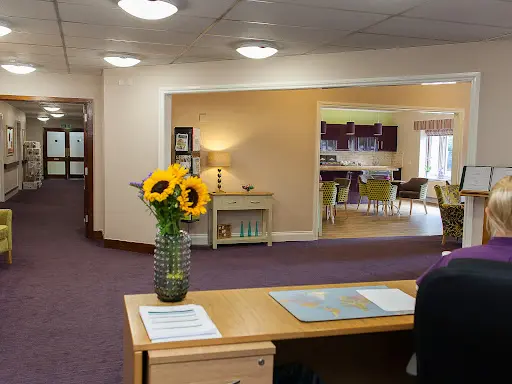
When you walk through Bernadette House in Lincoln, you'll notice something different straight away. The walls are filled with artwork and the atmosphere feels alive with possibility. This care home has built its reputation on understanding that quality of life comes from more than just good care — it comes from creating days worth living.
Who they care for
The home supports people with dementia, physical disabilities, and sensory impairments, welcoming both younger adults and those over 65. They've developed real experience in adapting their approach to different needs and abilities.
For residents living with dementia, the visually rich environment helps with engagement and orientation. The team understands how to use creative activities and sensory experiences to connect with people at different stages of their journey.
“If you're looking for somewhere that sees your loved one as more than just their care needs, Bernadette House could be worth exploring.”
DCC does not edit or curate content in this tab. For independently curated information, see The Evidence and DCC Verdict.
The DCC Verdict
Our editorial view, built from the three lenses: what families tell us, what inspectors record, and how the home sits against good dementia-care practice.
DCC Family Score
Bernadette House has improved from Requires Improvement to a full Good rating across all five domains, which is a meaningful step forward. However, the published inspection report contains very limited specific detail, so many scores reflect the rating itself rather than observed evidence.
Homes in East Midlands typically score 68–82.The three-lens summary
What families tell us
Families often comment on how genuinely welcoming the staff are here. There's a warmth that goes beyond professional courtesy — people describe feeling like their relatives are truly known and valued. The home has a creative, sensory environment that keeps residents engaged, with artwork and visual interest throughout that adds real character to the space.
What inspectors have recorded
The manager makes themselves properly available to families, particularly during those first anxious weeks. Staff keep relatives informed about health changes without being asked, and there's a visible presence with residents throughout the day. When questions come up, families find they get thoughtful responses rather than rushed answers.
How it sits against good practice
If you're looking for somewhere that sees your loved one as more than just their care needs, Bernadette House could be worth exploring.
Worth a visit
Bernadette House in Lincoln was rated Good at its inspection in May 2021, having improved from a previous Requires Improvement rating. All five domains, covering safety, effectiveness, caring, responsiveness, and leadership, were rated Good. That improvement trajectory is genuinely encouraging: it suggests a management team that identified problems and addressed them. The main limitation of this report is that the published inspection text contains very little specific detail. There are no recorded observations of staff interactions, no quotes from residents or relatives, and no specifics about staffing ratios, activity programmes, or food. This does not mean the care is poor; it means the evidence base for families is thin. On your visit, ask to see last week's actual staffing rota (not the template), observe how staff greet your parent during a tour, and ask the manager what has changed since the previous Requires Improvement rating and what is still being worked on.
The three questions to ask when you visitSave this home. Compare it against your shortlist.
Let our analysis show you how Bernadette House Care Home measures up against the other homes you’re considering. Free account.
In Their Own Words
How Bernadette House Care Home describes itself — collected from its own website. DCC has not edited or independently verified the content in this tab.
Where creativity and genuine care brighten every day
Bernadette House – Expert Care in Lincoln
When you walk through Bernadette House in Lincoln, you'll notice something different straight away. The walls are filled with artwork and the atmosphere feels alive with possibility. This care home has built its reputation on understanding that quality of life comes from more than just good care — it comes from creating days worth living.
Who they care for
The home supports people with dementia, physical disabilities, and sensory impairments, welcoming both younger adults and those over 65. They've developed real experience in adapting their approach to different needs and abilities.
For residents living with dementia, the visually rich environment helps with engagement and orientation. The team understands how to use creative activities and sensory experiences to connect with people at different stages of their journey.
Management & ethos
The manager makes themselves properly available to families, particularly during those first anxious weeks. Staff keep relatives informed about health changes without being asked, and there's a visible presence with residents throughout the day. When questions come up, families find they get thoughtful responses rather than rushed answers.
The home & environment
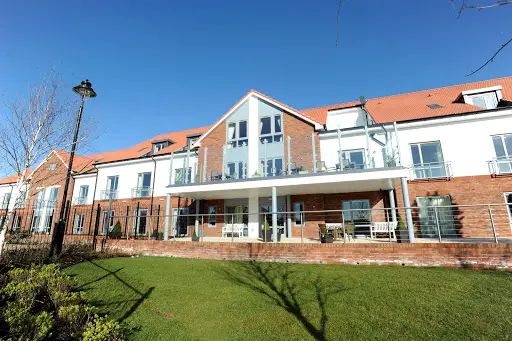
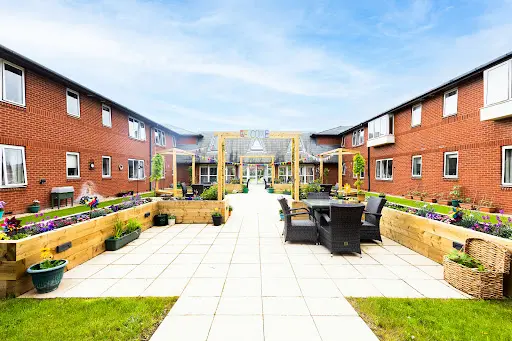
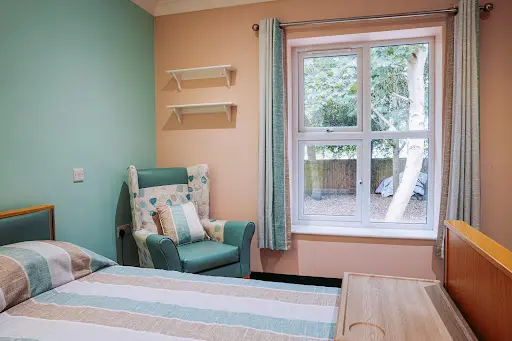
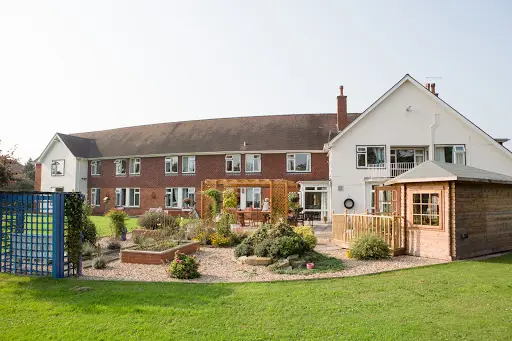
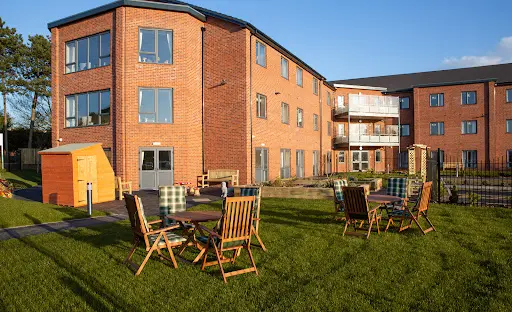
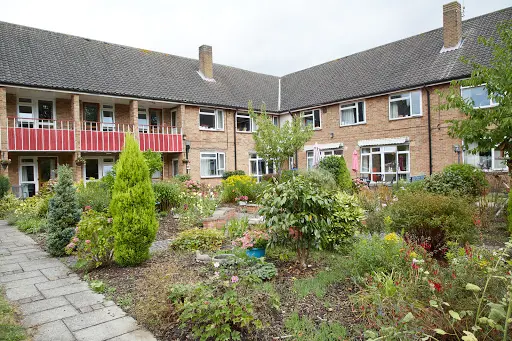
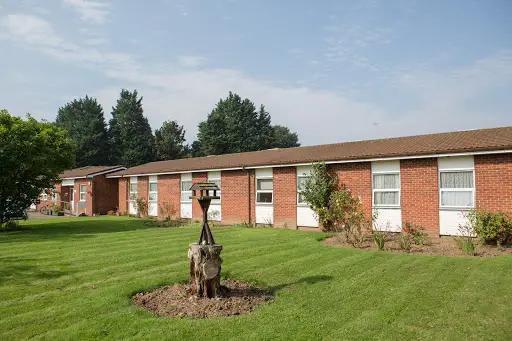
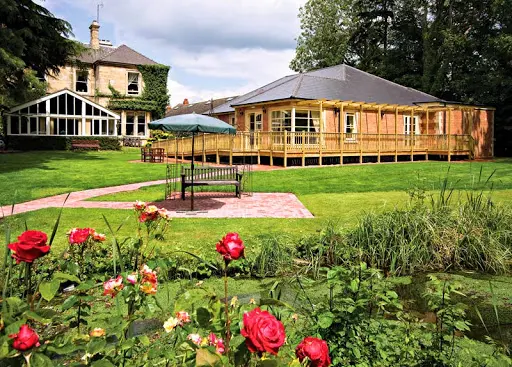
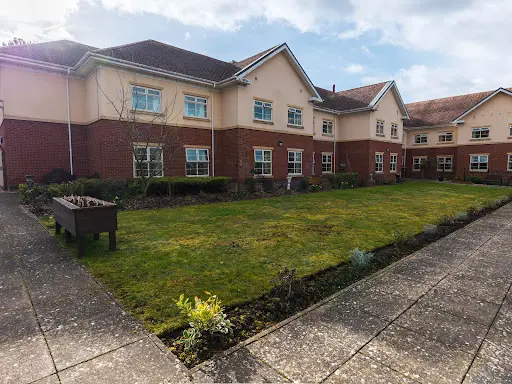
The kitchen team works with local suppliers to create fresh meals that people actually look forward to. Bedrooms are notably spacious and comfortable, while the gardens offer well-kept outdoor spaces for quieter moments. Throughout the home, communal areas feel light and airy, kept spotlessly clean without feeling clinical.
“If you're looking for somewhere that sees your loved one as more than just their care needs, Bernadette House could be worth exploring.”
DCC does not edit or curate content in this tab. For independently curated information, see The Evidence and DCC Verdict.