St Teresa's Care Home
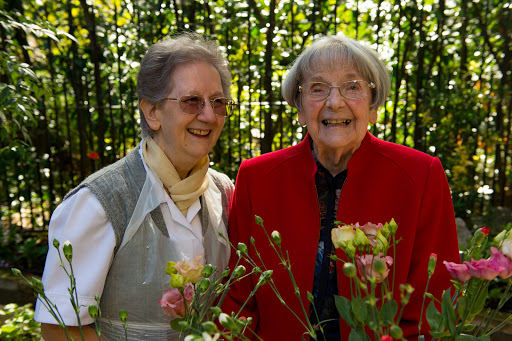
At a Glance
The information you need to decide whether this home warrants a closer look.
Residential homes
Staff warmth score
of reviewers answered yes
Good to know
- Registered beds26
- SpecialismsDementia, Sensory impairment, Substance misuse problems
- Last inspected2020-02-07
Save St Teresa's Care Home to your shortlist
Keep a running list, add visit notes, and compare homes side-by-side. Free account — it takes a minute.
STAGE 4 — RESEARCHING CARE HOMES
Visit homes. Compare them side by side. Choose with confidence.
Most of us will view care homes the way we view houses, impression, atmosphere, the feeling in the corridor. We go home, try to remember what we saw, and make a permanent decision from a blurred memory.

The DCC shortlist gives every home you visit a structured record: the same twelve questions, answered the same way, every time. When you’re ready to choose, pull any two homes side by side and compare them directly. Same criteria, same evidence, your notes and your scores.
The Evidence
What the review data, the inspection reports, and the dementia-care evidence base tell us about this home.
What families say
The eight family priority themes
- Staff warmth72
- Compassion & dignity72
- Cleanliness70
- Activities & engagement60
- Food quality60
- Healthcare68
- Management & leadership74
- Resident happiness68
What inspectors found
Inspected 2020-02-07
Is this home safe?
Is the care effective?
The inspection rated Effective as Good at the assessment on 1 May 2025. This domain covers training, care plan quality, healthcare access, and nutrition. The home lists dementia as a specialism, which implies a requirement for appropriate staff training and environmental adaptation. No specific findings, observations, or records are described in the available published text. The Good rating indicates inspectors were satisfied with what they examined but the detail behind that judgement is not available here.Is this home caring?
The inspection rated Caring as Good at the assessment on 1 May 2025. This domain covers staff warmth, dignity, respect, and how well staff know the individuals they support. No direct observations, quotes from residents or relatives, or specific examples appear in the available published text. A Good rating here indicates inspectors were satisfied with what they saw and heard during the inspection. The home's ethos, run by a religious order with a healthcare mission, may contribute to the culture, but this cannot be confirmed from the inspection text alone.Is the home responsive?
The inspection rated Responsive as Good at the assessment on 1 May 2025. This domain covers activities, how well the home responds to individual preferences, complaints handling, and end-of-life care. The home has a dementia specialism and a relatively small size of 26 beds, which can support more individualised responses. No specific activity programmes, examples of individual engagement, or complaints outcomes are described in the available published text. The Good rating indicates inspectors were satisfied with responsiveness at the time of the assessment.Is the home well-led?
The inspection rated Well-led as Good at the assessment on 1 May 2025. Sister Maria Lourdes Sanz is named as registered manager, and the nominated individual is also identified. The home is run by Sisters Hospitallers of the Sacred Heart of Jesus CIO, a registered charity with a longstanding healthcare mission. The improvement from Requires Improvement to Good across all domains suggests that leadership has driven meaningful change. No specific detail about governance arrangements, staff culture, or management visibility is available in the published text.
Source: CQC inspection report →
What the evidence base says
The home provides specialist support for people living with dementia, sensory impairments, and substance misuse problems. This range of expertise means they're equipped to handle complex care needs with understanding and professionalism. Families describe finding exactly what matters in dementia care here — safety, stability, and contentment for their loved ones. Staff understand that good dementia care goes beyond the basics, creating an environment where residents feel secure and valued despite the challenges they face. All areas worth probing directly during a visit.
The DCC Verdict
Our editorial view, built from the three lenses: what families tell us, what inspectors record, and how the home sits against good dementia-care practice.
DCC Family Score
St Teresa's Care Home scores 73 out of 100, reflecting a solid Good rating achieved after a previous Requires Improvement, which is a meaningful improvement. The score is held back by limited specific detail in the published inspection findings across most themes, meaning the inspection confirms things are broadly positive but does not give enough observable evidence to score higher with confidence.
Homes in London typically score 68–82.Worth a visit
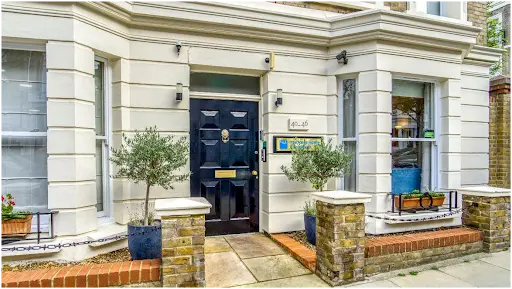
St Teresa's Care Home at 40-46 Roland Gardens, London SW7 3PW was rated Good across all five inspection domains at its most recent assessment, completed on 1 May 2025 and published 22 June 2025. The home is a 26-bed residential home run by Sisters Hospitallers of the Sacred Heart of Jesus, with specialisms in dementia, sensory impairment, and substance misuse. Crucially, this Good rating represents an improvement from a previous Requires Improvement rating, which is a positive signal that the home has addressed earlier concerns. The main uncertainty here is that the published inspection summary contains very limited specific detail. Inspectors confirmed Good ratings across Safe, Effective, Caring, Responsive, and Well-led, but no direct observations, resident or family quotes, or specific examples appear in the available text. That means this report cannot tell you what staff interactions look or feel like, how meals are handled, or what a typical day looks like for your parent. Before choosing this home, visit in person at an unannounced time, ask to see last week's actual staffing rota including night shifts, and ask the manager to explain specifically what changed since the previous Requires Improvement rating and how they know the improvements have been sustained.
The three questions to ask when you visitSave this home. Compare it against your shortlist.
Let our analysis show you how St Teresa's Care Home measures up against the other homes you’re considering. Free account.
In Their Own Words
How St Teresa's Care Home describes itself — collected from its own website. DCC has not edited or independently verified the content in this tab.
Where genuine warmth meets thoughtful dementia care
Compassionate Care in London at St Teresa's Care Home
When families describe the care at St Teresa's Care Home in London, they talk about something deeper than just good service. They notice how staff know each resident personally, treating everyone with real respect and warmth. For families facing dementia's challenges, this kind of genuine care matters enormously.
Who they care for
The home provides specialist support for people living with dementia, sensory impairments, and substance misuse problems. This range of expertise means they're equipped to handle complex care needs with understanding and professionalism.
Families describe finding exactly what matters in dementia care here — safety, stability, and contentment for their loved ones. Staff understand that good dementia care goes beyond the basics, creating an environment where residents feel secure and valued despite the challenges they face.
“Sometimes the smallest observations tell you the most — like families noticing how genuinely happy residents seem here.”
DCC does not edit or curate content in this tab. For independently curated information, see The Evidence and DCC Verdict.
The DCC Verdict
Our editorial view, built from the three lenses: what families tell us, what inspectors record, and how the home sits against good dementia-care practice.
DCC Family Score
St Teresa's Care Home scores 73 out of 100, reflecting a solid Good rating achieved after a previous Requires Improvement, which is a meaningful improvement. The score is held back by limited specific detail in the published inspection findings across most themes, meaning the inspection confirms things are broadly positive but does not give enough observable evidence to score higher with confidence.
Homes in London typically score 68–82.Worth a visit
St Teresa's Care Home at 40-46 Roland Gardens, London SW7 3PW was rated Good across all five inspection domains at its most recent assessment, completed on 1 May 2025 and published 22 June 2025. The home is a 26-bed residential home run by Sisters Hospitallers of the Sacred Heart of Jesus, with specialisms in dementia, sensory impairment, and substance misuse. Crucially, this Good rating represents an improvement from a previous Requires Improvement rating, which is a positive signal that the home has addressed earlier concerns. The main uncertainty here is that the published inspection summary contains very limited specific detail. Inspectors confirmed Good ratings across Safe, Effective, Caring, Responsive, and Well-led, but no direct observations, resident or family quotes, or specific examples appear in the available text. That means this report cannot tell you what staff interactions look or feel like, how meals are handled, or what a typical day looks like for your parent. Before choosing this home, visit in person at an unannounced time, ask to see last week's actual staffing rota including night shifts, and ask the manager to explain specifically what changed since the previous Requires Improvement rating and how they know the improvements have been sustained.
The three questions to ask when you visitSave this home. Compare it against your shortlist.
Let our analysis show you how St Teresa's Care Home measures up against the other homes you’re considering. Free account.
In Their Own Words
How St Teresa's Care Home describes itself — collected from its own website. DCC has not edited or independently verified the content in this tab.
Where genuine warmth meets thoughtful dementia care
Compassionate Care in London at St Teresa's Care Home
When families describe the care at St Teresa's Care Home in London, they talk about something deeper than just good service. They notice how staff know each resident personally, treating everyone with real respect and warmth. For families facing dementia's challenges, this kind of genuine care matters enormously.
Who they care for
The home provides specialist support for people living with dementia, sensory impairments, and substance misuse problems. This range of expertise means they're equipped to handle complex care needs with understanding and professionalism.
Families describe finding exactly what matters in dementia care here — safety, stability, and contentment for their loved ones. Staff understand that good dementia care goes beyond the basics, creating an environment where residents feel secure and valued despite the challenges they face.
“Sometimes the smallest observations tell you the most — like families noticing how genuinely happy residents seem here.”
DCC does not edit or curate content in this tab. For independently curated information, see The Evidence and DCC Verdict.