Alan Morkill House
At a Glance
The information you need to decide whether this home warrants a closer look.
Residential homes
Staff warmth score
of reviewers answered yes
Good to know
- Registered beds49
- SpecialismsCaring for adults over 65 yrs, Caring for adults under 65 yrs, Dementia
- Last inspected2019-05-09
Save Alan Morkill House to your shortlist
Keep a running list, add visit notes, and compare homes side-by-side. Free account — it takes a minute.
STAGE 4 — RESEARCHING CARE HOMES
Visit homes. Compare them side by side. Choose with confidence.
Most of us will view care homes the way we view houses, impression, atmosphere, the feeling in the corridor. We go home, try to remember what we saw, and make a permanent decision from a blurred memory.

The DCC shortlist gives every home you visit a structured record: the same twelve questions, answered the same way, every time. When you’re ready to choose, pull any two homes side by side and compare them directly. Same criteria, same evidence, your notes and your scores.
The Evidence
What the review data, the inspection reports, and the dementia-care evidence base tell us about this home.
What families say
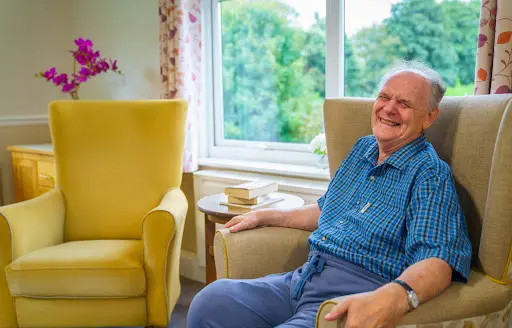
Visitors frequently mention how staff members approach them during visits, introducing themselves and asking about their relative's history and preferences. This proactive engagement extends to the residents themselves, with families observing genuine interactions throughout the day. Several people have noted how content their relatives appear, with some describing real improvements in wellbeing since moving in.
The eight family priority themes
- Staff warmth72
- Compassion & dignity72
- Cleanliness72
- Activities & engagement65
- Food quality65
- Healthcare70
- Management & leadership75
- Resident happiness70
What inspectors found
Inspected 2019-05-09
Is this home safe?
Is the care effective?
The inspection awarded a Good rating for Effectiveness in January 2026. The published summary does not include observations about care plan quality, GP access, dementia-specific training, or food and nutrition. The home supports people living with dementia as one of its stated specialisms, so training and care planning in this area are particularly important to explore. No concerns about effectiveness were recorded in the available findings.Is this home caring?
The inspection awarded a Good rating for Caring in January 2026. This is the domain most closely linked to what families describe as the feel of a home. The published summary contains no direct observations of staff interactions, no quotes from residents or relatives, and no specific examples of dignity being upheld or preferred names being used. A Good rating in this domain is meaningful, but without supporting detail it is difficult to say what specifically was observed.Is the home responsive?
The inspection awarded a Good rating for Responsiveness in January 2026. The published summary does not include any detail about activity programmes, individual engagement, or end-of-life planning. The home lists dementia as a specialism, which means responsiveness to the specific needs of people living with dementia is particularly relevant. No concerns about responsiveness were recorded in the available findings.Is the home well-led?
The inspection awarded a Good rating for Well-led in January 2026, and the home has a named registered manager, Mr Emmanuel Kwadzo Torsoo, confirmed in post. The improvement from Requires Improvement to Good across all domains suggests that leadership has driven meaningful change since the previous inspection. The published summary does not include detail about governance processes, staff culture, how complaints are handled, or how the manager is perceived by staff and residents. A nominated individual, Mr Sunil Cheekoory, is also confirmed.
Source: CQC inspection report →
What the evidence base says
The home provides residential care for adults both under and over 65, with particular expertise in supporting people living with dementia. For those with dementia, the structured daily routines and consistent staff presence seem particularly beneficial. The team's habit of gathering detailed background information from families helps them provide more personalised support as cognitive abilities change. All areas worth probing directly during a visit.
The DCC Verdict
Our editorial view, built from the three lenses: what families tell us, what inspectors record, and how the home sits against good dementia-care practice.
DCC Family Score
Alan Morkill House has improved from Requires Improvement to a Good rating across all five domains at its most recent inspection in January 2026, which is an encouraging sign of progress. However, the published report contains very little specific detail, so most scores reflect the positive direction of travel rather than strong confirming evidence.
Homes in London typically score 68–82.The three-lens summary
What families tell us
Visitors frequently mention how staff members approach them during visits, introducing themselves and asking about their relative's history and preferences. This proactive engagement extends to the residents themselves, with families observing genuine interactions throughout the day. Several people have noted how content their relatives appear, with some describing real improvements in wellbeing since moving in.
What inspectors have recorded
The care team demonstrates strong organisational skills, with visitors observing systematic approaches to everything from visitor sign-ins to detailed care documentation. Staff members show professional confidence in their interactions with both residents and families. While one family did raise concerns about care standards, the overwhelming pattern suggests a well-run home where most requests and needs are accommodated.
How it sits against good practice
If you're weighing up options for someone who might benefit from a well-organised environment with attentive staff, Alan Morkill House could be worth exploring further.
Worth a visit
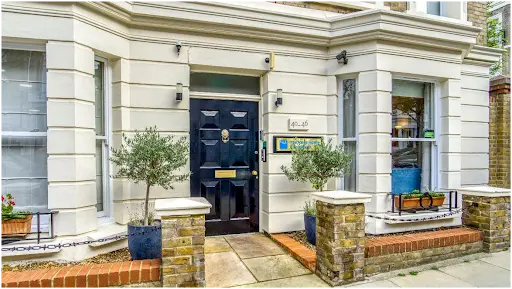
Alan Morkill House, at 88 St Marks Road in West London, was rated Good across all five inspection domains at its most recent assessment in January 2026, with the full report published in February 2026. This is a notable improvement from a previous rating of Requires Improvement, which suggests that the leadership team has made meaningful changes. The home supports up to 49 people, including adults living with dementia, and has a named registered manager in post. The main limitation of this Family View is that the published inspection summary contains very little specific detail. There are no direct observations of staff interactions, no quotes from residents or relatives, and no specifics about staffing ratios, food, activities, or dementia care practice. A Good rating is genuinely positive, but the thin evidence means you should treat a visit as essential before making any decision. When you go, focus on what you can see and hear for yourself: the pace of staff interactions, how staff address your parent by name, and whether the environment feels calm and well-maintained.
The three questions to ask when you visitSave this home. Compare it against your shortlist.
Let our analysis show you how Alan Morkill House measures up against the other homes you’re considering. Free account.
In Their Own Words
How Alan Morkill House describes itself — collected from its own website. DCC has not edited or independently verified the content in this tab.
Where thoughtful routines help residents feel settled and content
Residential home in London: True Peace of Mind
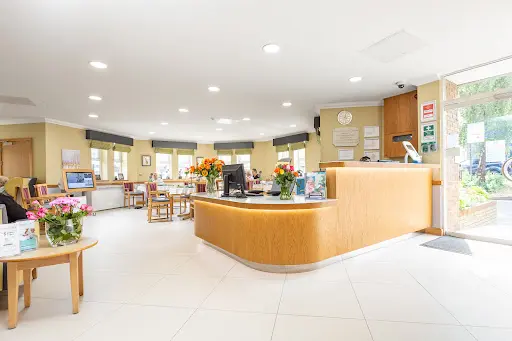
Families visiting Alan Morkill House in London often comment on how well their relatives have settled into the rhythm of life here. The care team's systematic approach — from the guest book at reception to the careful documentation of daily care — creates a predictable environment where residents know what to expect. It's this combination of structure and warmth that seems to help people adjust to their new surroundings.
Who they care for
The home provides residential care for adults both under and over 65, with particular expertise in supporting people living with dementia.
For those with dementia, the structured daily routines and consistent staff presence seem particularly beneficial. The team's habit of gathering detailed background information from families helps them provide more personalised support as cognitive abilities change.
“If you're weighing up options for someone who might benefit from a well-organised environment with attentive staff, Alan Morkill House could be worth exploring further.”
DCC does not edit or curate content in this tab. For independently curated information, see The Evidence and DCC Verdict.
The DCC Verdict
Our editorial view, built from the three lenses: what families tell us, what inspectors record, and how the home sits against good dementia-care practice.
DCC Family Score
Alan Morkill House has improved from Requires Improvement to a Good rating across all five domains at its most recent inspection in January 2026, which is an encouraging sign of progress. However, the published report contains very little specific detail, so most scores reflect the positive direction of travel rather than strong confirming evidence.
Homes in London typically score 68–82.The three-lens summary
What families tell us
Visitors frequently mention how staff members approach them during visits, introducing themselves and asking about their relative's history and preferences. This proactive engagement extends to the residents themselves, with families observing genuine interactions throughout the day. Several people have noted how content their relatives appear, with some describing real improvements in wellbeing since moving in.
What inspectors have recorded
The care team demonstrates strong organisational skills, with visitors observing systematic approaches to everything from visitor sign-ins to detailed care documentation. Staff members show professional confidence in their interactions with both residents and families. While one family did raise concerns about care standards, the overwhelming pattern suggests a well-run home where most requests and needs are accommodated.
How it sits against good practice
If you're weighing up options for someone who might benefit from a well-organised environment with attentive staff, Alan Morkill House could be worth exploring further.
Worth a visit
Alan Morkill House, at 88 St Marks Road in West London, was rated Good across all five inspection domains at its most recent assessment in January 2026, with the full report published in February 2026. This is a notable improvement from a previous rating of Requires Improvement, which suggests that the leadership team has made meaningful changes. The home supports up to 49 people, including adults living with dementia, and has a named registered manager in post. The main limitation of this Family View is that the published inspection summary contains very little specific detail. There are no direct observations of staff interactions, no quotes from residents or relatives, and no specifics about staffing ratios, food, activities, or dementia care practice. A Good rating is genuinely positive, but the thin evidence means you should treat a visit as essential before making any decision. When you go, focus on what you can see and hear for yourself: the pace of staff interactions, how staff address your parent by name, and whether the environment feels calm and well-maintained.
The three questions to ask when you visitSave this home. Compare it against your shortlist.
Let our analysis show you how Alan Morkill House measures up against the other homes you’re considering. Free account.
In Their Own Words
How Alan Morkill House describes itself — collected from its own website. DCC has not edited or independently verified the content in this tab.
Where thoughtful routines help residents feel settled and content
Residential home in London: True Peace of Mind
Families visiting Alan Morkill House in London often comment on how well their relatives have settled into the rhythm of life here. The care team's systematic approach — from the guest book at reception to the careful documentation of daily care — creates a predictable environment where residents know what to expect. It's this combination of structure and warmth that seems to help people adjust to their new surroundings.
Who they care for
The home provides residential care for adults both under and over 65, with particular expertise in supporting people living with dementia.
For those with dementia, the structured daily routines and consistent staff presence seem particularly beneficial. The team's habit of gathering detailed background information from families helps them provide more personalised support as cognitive abilities change.
Management & ethos
The care team demonstrates strong organisational skills, with visitors observing systematic approaches to everything from visitor sign-ins to detailed care documentation. Staff members show professional confidence in their interactions with both residents and families. While one family did raise concerns about care standards, the overwhelming pattern suggests a well-run home where most requests and needs are accommodated.
The home & environment
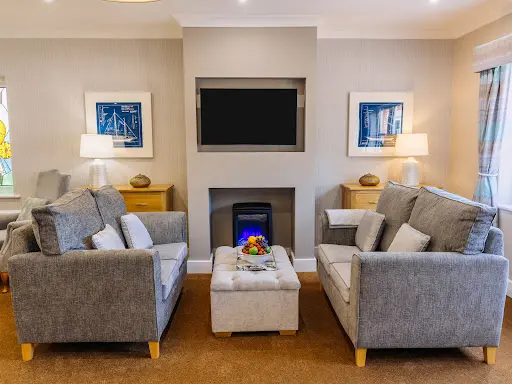
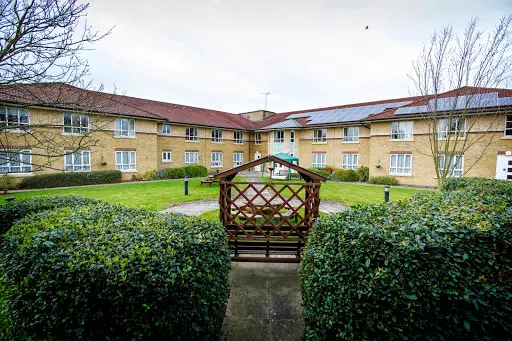
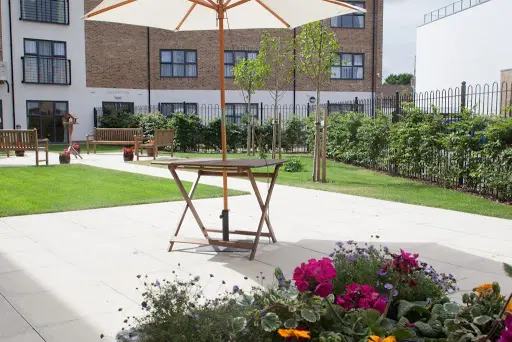
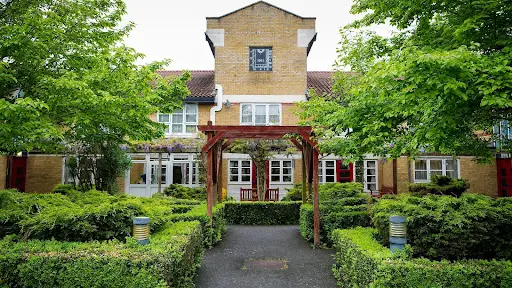
The home maintains consistently high standards of cleanliness, with families regularly commenting on the fresh, well-kept appearance of both private rooms and shared spaces. There's a notable absence of the institutional odours that can sometimes affect care settings. The general environment feels cared for and properly maintained, creating pleasant surroundings for daily life.
“If you're weighing up options for someone who might benefit from a well-organised environment with attentive staff, Alan Morkill House could be worth exploring further.”
DCC does not edit or curate content in this tab. For independently curated information, see The Evidence and DCC Verdict.