Princess Louise of Kensington Nursing Home
At a Glance
The information you need to decide whether this home warrants a closer look.
Nursing homes
Staff warmth score
of reviewers answered yes
Good to know
- Registered beds46
- SpecialismsCaring for adults over 65 yrs, Dementia, Physical disabilities, Sensory impairment
- Last inspected2023-08-15
Save Princess Louise of Kensington Nursing Home to your shortlist
Keep a running list, add visit notes, and compare homes side-by-side. Free account — it takes a minute.
STAGE 4 — RESEARCHING CARE HOMES
Visit homes. Compare them side by side. Choose with confidence.
Most of us will view care homes the way we view houses, impression, atmosphere, the feeling in the corridor. We go home, try to remember what we saw, and make a permanent decision from a blurred memory.

The DCC shortlist gives every home you visit a structured record: the same twelve questions, answered the same way, every time. When you’re ready to choose, pull any two homes side by side and compare them directly. Same criteria, same evidence, your notes and your scores.
The Evidence
What the review data, the inspection reports, and the dementia-care evidence base tell us about this home.
What families say
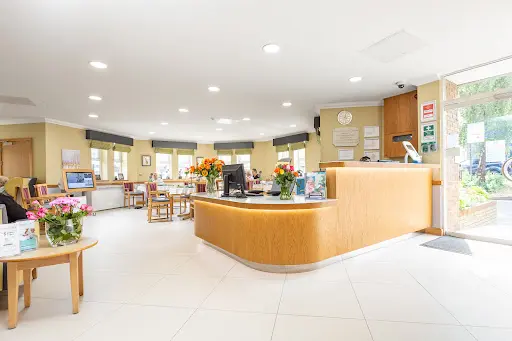
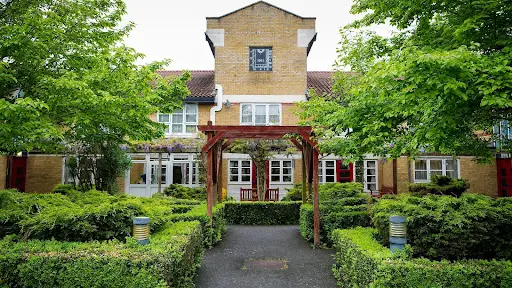
Families often describe the initial welcome as warm and reassuring, with staff showing patience and kindness during those first difficult days of admission. The building itself is clean and bright, with ensuite rooms that families can personalise with familiar items from home. Several people have noted how staff across different departments work together to help new residents settle in.
The eight family priority themes
- Staff warmth72
- Compassion & dignity72
- Cleanliness72
- Activities & engagement65
- Food quality62
- Healthcare70
- Management & leadership75
- Resident happiness70
What inspectors found
Inspected 2023-08-15
Is this home safe?
Is the care effective?
The Effective domain was rated Good at the June 2023 inspection. This covers care planning, staff training, healthcare access, and nutrition. Dementia is listed as a formal specialism of the home, which requires staff to have relevant training and care plans to reflect dementia-specific needs. No detail about GP access frequency, dementia training content, care plan review cycles, or food and hydration monitoring is available in the published summary. The Good rating indicates inspectors were satisfied overall, but the evidence behind that judgement is not visible in the published findings.Is this home caring?
The Caring domain was rated Good at the June 2023 inspection. This domain covers staff warmth, dignity, privacy, respect for independence, and emotional support. A Good rating requires inspectors to have found positive evidence in these areas during their visit. No specific observations, such as staff using preferred names, knocking before entering rooms, or supporting residents to make choices, are recorded in the available published summary. No quotes from residents or relatives are included in the available findings.Is the home responsive?
The Responsive domain was rated Good at the June 2023 inspection. This domain covers whether the home tailors care to individual preferences, offers meaningful activities, supports independence, and has robust processes for complaints and end-of-life planning. The home lists dementia, physical disabilities, and sensory impairments as specialisms, which requires responsiveness to a wide range of individual needs. No detail about the activities programme, one-to-one engagement for people with advanced dementia, or complaints handling is recorded in the available published summary.Is the home well-led?
The Well-led domain was rated Good at the June 2023 inspection, improving from a previous Requires Improvement rating. The home has two registered managers and a nominated individual named in the inspection record, indicating a defined leadership structure. The home is operated by Sanctuary Care Limited. The improvement across all five domains suggests the leadership team has been effective in addressing whatever concerns the previous inspection identified. No detail about management visibility, staff culture, governance systems, or how the home handles complaints and feedback is available in the published summary.
Source: CQC inspection report →
What the evidence base says
The home provides specialist care for older adults with sensory impairments and physical disabilities. They also have experience supporting people living with dementia, adapting their approach to each resident's specific needs. For residents with dementia, the team works to maintain dignity and comfort throughout their stay. The attached rehabilitation unit provides additional clinical support when needed. All areas worth probing directly during a visit.
The DCC Verdict
Our editorial view, built from the three lenses: what families tell us, what inspectors record, and how the home sits against good dementia-care practice.
DCC Family Score
Princess Louise Kensington Nursing Home scores 74 out of 100. The home has improved from Requires Improvement to Good across all five inspection domains, which is a meaningful positive step, but the published report text is thin on specific observations, direct quotes, and concrete detail, so several scores reflect confirmed improvement rather than richly evidenced practice.
Homes in London typically score 68–82.The three-lens summary
What families tell us
Families often describe the initial welcome as warm and reassuring, with staff showing patience and kindness during those first difficult days of admission. The building itself is clean and bright, with ensuite rooms that families can personalise with familiar items from home. Several people have noted how staff across different departments work together to help new residents settle in.
What inspectors have recorded
Some families have found the management team responsive and supportive, particularly during end-of-life care when compassion matters most. However, others have experienced difficulties with communication and feel their concerns weren't addressed as quickly as they'd hoped. This suggests the quality of response may vary depending on the situation or timing.
How it sits against good practice
While experiences at Princess Louise vary, the home's strength in palliative care offers genuine comfort to many families facing loss.
Worth a visit
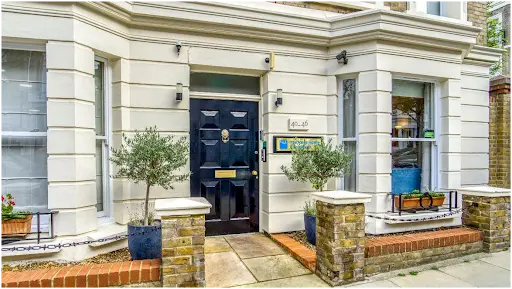
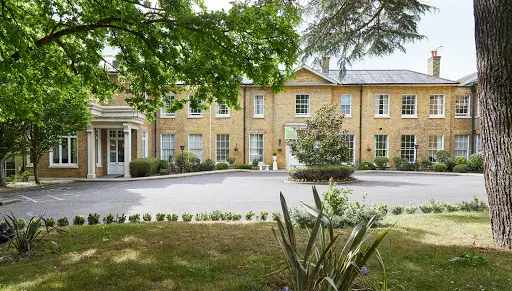
Princess Louise Kensington Nursing Home, on Pangbourne Avenue in West London, was rated Good at its most recent inspection, carried out in June 2023 and published in August 2023. This is a significant improvement on a previous Requires Improvement rating, and all five inspection domains, covering safety, effectiveness, caring, responsiveness, and leadership, were rated Good. The home is run by Sanctuary Care Limited and has two registered managers in post, which indicates an active leadership structure. The main limitation for families is that the published inspection summary is brief and contains very little specific detail about what inspectors actually observed. No direct quotes from your parent's potential future neighbours or their families are recorded, and key practical questions, including night staffing ratios, agency staff use, the activities programme, food quality, and how dementia care is personalised, are not addressed in the available findings. The improvement from Requires Improvement is genuinely encouraging, but it is not yet backed by rich published evidence. When you visit, ask the manager what specific changes were made after the previous inspection, request to see last week's actual staffing rota, and observe a mealtime to assess food quality and the pace at which care is delivered.
The three questions to ask when you visitSave this home. Compare it against your shortlist.
Let our analysis show you how Princess Louise of Kensington Nursing Home measures up against the other homes you’re considering. Free account.
In Their Own Words
How Princess Louise of Kensington Nursing Home describes itself — collected from its own website. DCC has not edited or independently verified the content in this tab.
End-of-life care shines, though other care concerns have been raised
Nursing home in London: True Peace of Mind
Princess Louise Kensington Nursing Home in London has built a reputation for compassionate palliative care that brings real comfort to families during difficult times. The nursing home, which includes an NHS rehabilitation unit, cares for older adults with various needs including dementia and physical disabilities. While some families have shared deeply positive experiences, others have raised concerns about aspects of ongoing care.
Who they care for
The home provides specialist care for older adults with sensory impairments and physical disabilities. They also have experience supporting people living with dementia, adapting their approach to each resident's specific needs.
For residents with dementia, the team works to maintain dignity and comfort throughout their stay. The attached rehabilitation unit provides additional clinical support when needed.
“While experiences at Princess Louise vary, the home's strength in palliative care offers genuine comfort to many families facing loss.”
DCC does not edit or curate content in this tab. For independently curated information, see The Evidence and DCC Verdict.
The DCC Verdict
Our editorial view, built from the three lenses: what families tell us, what inspectors record, and how the home sits against good dementia-care practice.
DCC Family Score
Princess Louise Kensington Nursing Home scores 74 out of 100. The home has improved from Requires Improvement to Good across all five inspection domains, which is a meaningful positive step, but the published report text is thin on specific observations, direct quotes, and concrete detail, so several scores reflect confirmed improvement rather than richly evidenced practice.
Homes in London typically score 68–82.The three-lens summary
What families tell us
Families often describe the initial welcome as warm and reassuring, with staff showing patience and kindness during those first difficult days of admission. The building itself is clean and bright, with ensuite rooms that families can personalise with familiar items from home. Several people have noted how staff across different departments work together to help new residents settle in.
What inspectors have recorded
Some families have found the management team responsive and supportive, particularly during end-of-life care when compassion matters most. However, others have experienced difficulties with communication and feel their concerns weren't addressed as quickly as they'd hoped. This suggests the quality of response may vary depending on the situation or timing.
How it sits against good practice
While experiences at Princess Louise vary, the home's strength in palliative care offers genuine comfort to many families facing loss.
Worth a visit
Princess Louise Kensington Nursing Home, on Pangbourne Avenue in West London, was rated Good at its most recent inspection, carried out in June 2023 and published in August 2023. This is a significant improvement on a previous Requires Improvement rating, and all five inspection domains, covering safety, effectiveness, caring, responsiveness, and leadership, were rated Good. The home is run by Sanctuary Care Limited and has two registered managers in post, which indicates an active leadership structure. The main limitation for families is that the published inspection summary is brief and contains very little specific detail about what inspectors actually observed. No direct quotes from your parent's potential future neighbours or their families are recorded, and key practical questions, including night staffing ratios, agency staff use, the activities programme, food quality, and how dementia care is personalised, are not addressed in the available findings. The improvement from Requires Improvement is genuinely encouraging, but it is not yet backed by rich published evidence. When you visit, ask the manager what specific changes were made after the previous inspection, request to see last week's actual staffing rota, and observe a mealtime to assess food quality and the pace at which care is delivered.
The three questions to ask when you visitSave this home. Compare it against your shortlist.
Let our analysis show you how Princess Louise of Kensington Nursing Home measures up against the other homes you’re considering. Free account.
In Their Own Words
How Princess Louise of Kensington Nursing Home describes itself — collected from its own website. DCC has not edited or independently verified the content in this tab.
End-of-life care shines, though other care concerns have been raised
Nursing home in London: True Peace of Mind
Princess Louise Kensington Nursing Home in London has built a reputation for compassionate palliative care that brings real comfort to families during difficult times. The nursing home, which includes an NHS rehabilitation unit, cares for older adults with various needs including dementia and physical disabilities. While some families have shared deeply positive experiences, others have raised concerns about aspects of ongoing care.
Who they care for
The home provides specialist care for older adults with sensory impairments and physical disabilities. They also have experience supporting people living with dementia, adapting their approach to each resident's specific needs.
For residents with dementia, the team works to maintain dignity and comfort throughout their stay. The attached rehabilitation unit provides additional clinical support when needed.
Management & ethos
Some families have found the management team responsive and supportive, particularly during end-of-life care when compassion matters most. However, others have experienced difficulties with communication and feel their concerns weren't addressed as quickly as they'd hoped. This suggests the quality of response may vary depending on the situation or timing.
The home & environment
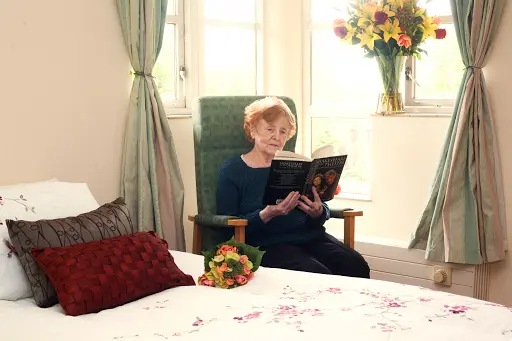
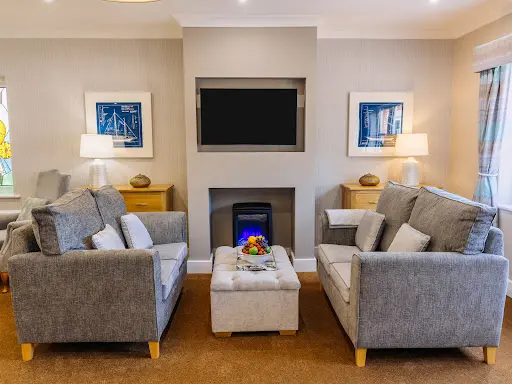
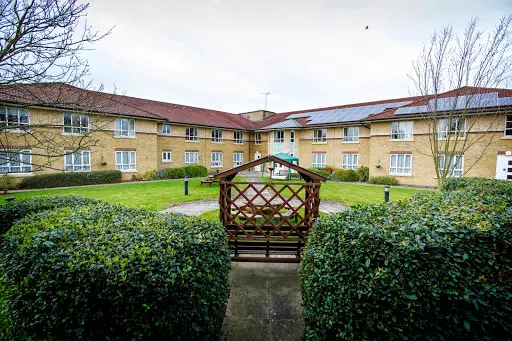
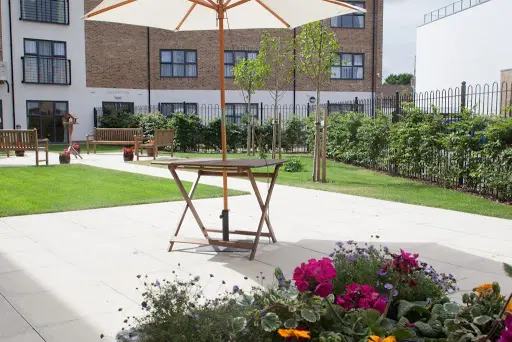
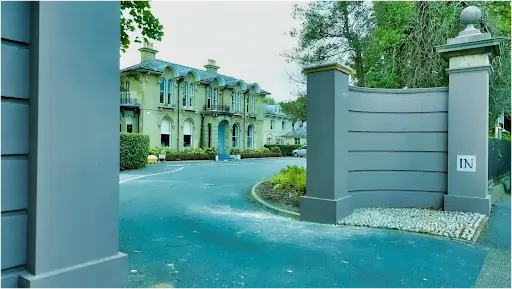
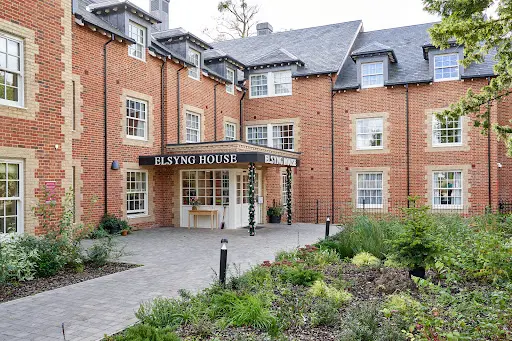
The rooms are kept clean and comfortable, with plenty of natural light coming through the windows. Food is thoughtfully prepared with good nutritional balance, something families appreciate when their loved ones need careful dietary support.
“While experiences at Princess Louise vary, the home's strength in palliative care offers genuine comfort to many families facing loss.”
DCC does not edit or curate content in this tab. For independently curated information, see The Evidence and DCC Verdict.