St Judes Nursing Home

At a Glance
The information you need to decide whether this home warrants a closer look.
Nursing homes
Staff warmth score
of reviewers answered yes
Good to know
- Registered beds40
- SpecialismsCaring for adults over 65 yrs, Caring for adults under 65 yrs, Dementia, Physical disabilities, Sensory impairment
- Last inspected2023-12-22
Save St Judes Nursing Home to your shortlist
Keep a running list, add visit notes, and compare homes side-by-side. Free account — it takes a minute.
STAGE 4 — RESEARCHING CARE HOMES
Visit homes. Compare them side by side. Choose with confidence.
Most of us will view care homes the way we view houses, impression, atmosphere, the feeling in the corridor. We go home, try to remember what we saw, and make a permanent decision from a blurred memory.

The DCC shortlist gives every home you visit a structured record: the same twelve questions, answered the same way, every time. When you’re ready to choose, pull any two homes side by side and compare them directly. Same criteria, same evidence, your notes and your scores.
The Evidence
What the review data, the inspection reports, and the dementia-care evidence base tell us about this home.
What families say
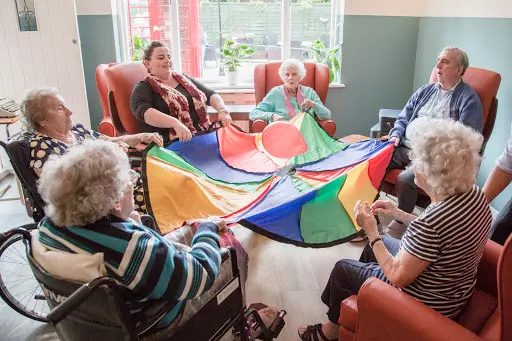
Families describe finding their relatives treated with real respect here, whether during personal care routines or when visitors arrive. The home runs a proper calendar of activities too — daily entertainment mixed with seasonal celebrations that give structure to the weeks.
The eight family priority themes
- Staff warmth70
- Compassion & dignity70
- Cleanliness70
- Activities & engagement60
- Food quality60
- Healthcare70
- Management & leadership70
- Resident happiness68
What inspectors found
Inspected 2023-12-22
Is this home safe?
Is the care effective?
The inspection rated the effective domain as Good at St Judes Nursing Home. This domain covers staff training, care planning, access to healthcare professionals such as GPs and specialists, nutrition, and how well the home meets the specific needs of people living with dementia or physical disabilities. The published report does not include detail on training content, care plan quality, or how frequently healthcare professionals visit. The home is registered for nursing care, dementia, and sensory impairment, which implies specialist knowledge is expected. No specific examples or testimony were included in the published summary.Is this home caring?
The inspection rated the caring domain as Good at St Judes Nursing Home. This domain covers whether staff treat people with warmth, respect their dignity, support their independence, and respond to their emotional needs. The published report does not include direct observations of staff interactions, resident testimony about how they feel treated, or specific examples of dignity in practice. The rating indicates inspectors were satisfied, but the absence of detail means there is no published evidence of what good caring looks like day to day at this home.Is the home responsive?
The inspection rated the responsive domain as Good at St Judes Nursing Home. This domain covers how well the home tailors its care to individual needs, including activities, engagement, complaints handling, and end-of-life planning. The published report does not include specific examples of activities offered, detail on how the home supports residents who cannot join group sessions, or information about how complaints are handled. The home is registered for dementia and sensory impairment, both of which require individually adapted approaches to engagement. No resident or family testimony on responsiveness was included in the published summary.Is the home well-led?
The inspection rated the well-led domain as Good at St Judes Nursing Home. The home is operated by Churchill Residential Care And Nursing Homes Limited, with Mrs Patricia Mary Fyfe as registered manager and Mr Naveen Chilamkurty as nominated individual. The published report does not include detail on manager tenure, how frequently the manager is present on the floor, whether staff feel able to raise concerns, or how governance and audit systems work in practice. A stable Good rating across three inspections suggests continuity, but the published summary does not confirm whether the current management team has been in place throughout.
Source: CQC inspection report →
What the evidence base says
The home provides specialist support for sensory impairments and physical disabilities, with staff trained to work with residents under 65 as well as older adults. For residents living with dementia, the stable staff team means familiar faces who understand individual needs and preferences over time. All areas worth probing directly during a visit.
The DCC Verdict
Our editorial view, built from the three lenses: what families tell us, what inspectors record, and how the home sits against good dementia-care practice.
DCC Family Score
St Judes Nursing Home scored Good across all five inspection domains, which is a positive foundation, but the published report provides limited specific detail, observations, or direct testimony to push scores higher. The 73 out of 100 reflects a home that has met the bar but where families will want to dig further on the visit.
Homes in London typically score 68–82.The three-lens summary
What families tell us
Families describe finding their relatives treated with real respect here, whether during personal care routines or when visitors arrive. The home runs a proper calendar of activities too — daily entertainment mixed with seasonal celebrations that give structure to the weeks.
What inspectors have recorded
When health concerns crop up, families report the team responds quickly and keeps them informed. Some families have mentioned language differences with staff that occasionally affect communication, though others describe pleasant interactions throughout their visits.
How it sits against good practice
If you're weighing up options for someone with complex needs, visiting St Judes could help you see whether their approach feels right for your family.
Worth a visit
St Judes Nursing Home at 29-31 Mayfield Road, Sutton was rated Good across all five domains at its inspection on 27 November 2023. The home is registered to provide nursing care for up to 40 people, including those living with dementia, physical disabilities, and sensory impairments. A registered manager and nominated individual are named in the registration record. The stable Good rating across three inspections suggests a home that has maintained a consistent standard over time. The main uncertainty here is the limited detail in the published inspection summary. None of the 21 evidence checklist items could be verified from specific observations, resident testimony, or record review. Every meaningful question about staff warmth, night staffing, dementia-specific practice, activities, food, and family communication remains open. Before you decide, arrange a visit during the late afternoon when day and night staff overlap, ask to see last week's actual staffing rota, request a meal tasting, and ask the manager to walk you through how they support a resident living with dementia who is having a difficult day.
The three questions to ask when you visitSave this home. Compare it against your shortlist.
Let our analysis show you how St Judes Nursing Home measures up against the other homes you’re considering. Free account.
In Their Own Words
How St Judes Nursing Home describes itself — collected from its own website. DCC has not edited or independently verified the content in this tab.
Long-serving staff and spotless surroundings in this Sutton nursing home
Compassionate Care in Sutton at St Judes Nursing Home
Finding the right nursing home means looking for consistent care and genuine stability. St Judes Nursing Home in Sutton has built its reputation through staff who stay for years, not months, creating those familiar faces that matter so much. The home welcomes residents with sensory impairments, physical disabilities and dementia, alongside general nursing care for adults of all ages.
Who they care for
The home provides specialist support for sensory impairments and physical disabilities, with staff trained to work with residents under 65 as well as older adults.
For residents living with dementia, the stable staff team means familiar faces who understand individual needs and preferences over time.
“If you're weighing up options for someone with complex needs, visiting St Judes could help you see whether their approach feels right for your family.”
DCC does not edit or curate content in this tab. For independently curated information, see The Evidence and DCC Verdict.
The DCC Verdict
Our editorial view, built from the three lenses: what families tell us, what inspectors record, and how the home sits against good dementia-care practice.
DCC Family Score
St Judes Nursing Home scored Good across all five inspection domains, which is a positive foundation, but the published report provides limited specific detail, observations, or direct testimony to push scores higher. The 73 out of 100 reflects a home that has met the bar but where families will want to dig further on the visit.
Homes in London typically score 68–82.The three-lens summary
What families tell us
Families describe finding their relatives treated with real respect here, whether during personal care routines or when visitors arrive. The home runs a proper calendar of activities too — daily entertainment mixed with seasonal celebrations that give structure to the weeks.
What inspectors have recorded
When health concerns crop up, families report the team responds quickly and keeps them informed. Some families have mentioned language differences with staff that occasionally affect communication, though others describe pleasant interactions throughout their visits.
How it sits against good practice
If you're weighing up options for someone with complex needs, visiting St Judes could help you see whether their approach feels right for your family.
Worth a visit
St Judes Nursing Home at 29-31 Mayfield Road, Sutton was rated Good across all five domains at its inspection on 27 November 2023. The home is registered to provide nursing care for up to 40 people, including those living with dementia, physical disabilities, and sensory impairments. A registered manager and nominated individual are named in the registration record. The stable Good rating across three inspections suggests a home that has maintained a consistent standard over time. The main uncertainty here is the limited detail in the published inspection summary. None of the 21 evidence checklist items could be verified from specific observations, resident testimony, or record review. Every meaningful question about staff warmth, night staffing, dementia-specific practice, activities, food, and family communication remains open. Before you decide, arrange a visit during the late afternoon when day and night staff overlap, ask to see last week's actual staffing rota, request a meal tasting, and ask the manager to walk you through how they support a resident living with dementia who is having a difficult day.
The three questions to ask when you visitSave this home. Compare it against your shortlist.
Let our analysis show you how St Judes Nursing Home measures up against the other homes you’re considering. Free account.
In Their Own Words
How St Judes Nursing Home describes itself — collected from its own website. DCC has not edited or independently verified the content in this tab.
Long-serving staff and spotless surroundings in this Sutton nursing home
Compassionate Care in Sutton at St Judes Nursing Home
Finding the right nursing home means looking for consistent care and genuine stability. St Judes Nursing Home in Sutton has built its reputation through staff who stay for years, not months, creating those familiar faces that matter so much. The home welcomes residents with sensory impairments, physical disabilities and dementia, alongside general nursing care for adults of all ages.
Who they care for
The home provides specialist support for sensory impairments and physical disabilities, with staff trained to work with residents under 65 as well as older adults.
For residents living with dementia, the stable staff team means familiar faces who understand individual needs and preferences over time.
Management & ethos
When health concerns crop up, families report the team responds quickly and keeps them informed. Some families have mentioned language differences with staff that occasionally affect communication, though others describe pleasant interactions throughout their visits.
The home & environment
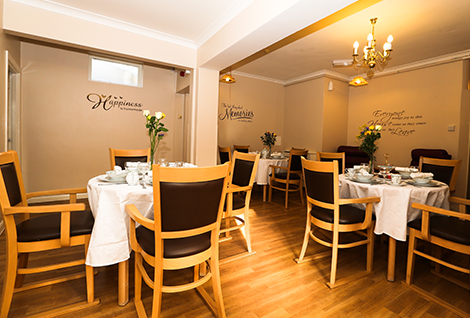
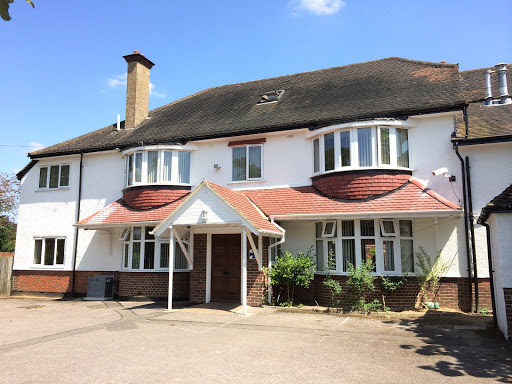
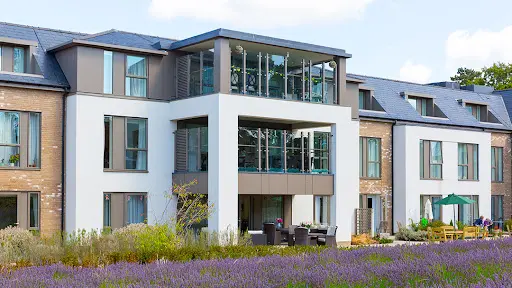
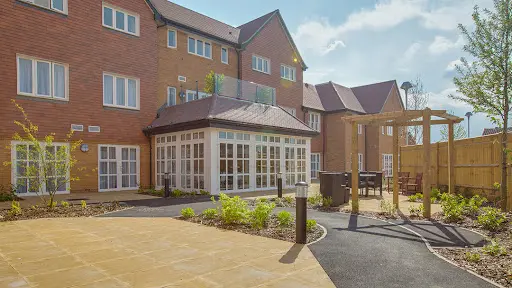
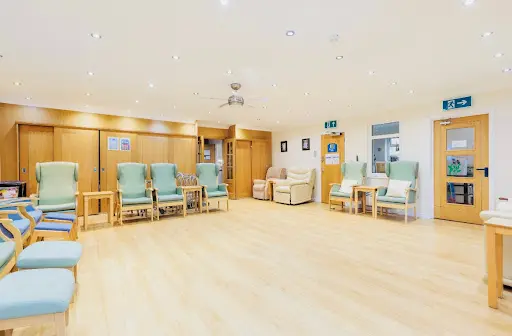
The building itself gets noticed for being genuinely clean and well-kept, with comfortable rooms and outdoor space that residents can actually use. Kitchen staff pay attention to what people can and want to eat, working around allergies and preferences while keeping meals nutritious.
“If you're weighing up options for someone with complex needs, visiting St Judes could help you see whether their approach feels right for your family.”
DCC does not edit or curate content in this tab. For independently curated information, see The Evidence and DCC Verdict.