Purley Gardens Care Home – Avery Collection
At a Glance
The information you need to decide whether this home warrants a closer look.
Nursing homes
Staff warmth score
of reviewers answered yes
Good to know
- Registered beds119
- SpecialismsCaring for adults over 65 yrs, Dementia
- Last inspected2018-07-04
Save Purley Gardens Care Home – Avery Collection to your shortlist
Keep a running list, add visit notes, and compare homes side-by-side. Free account — it takes a minute.
STAGE 4 — RESEARCHING CARE HOMES
Visit homes. Compare them side by side. Choose with confidence.
Most of us will view care homes the way we view houses, impression, atmosphere, the feeling in the corridor. We go home, try to remember what we saw, and make a permanent decision from a blurred memory.

The DCC shortlist gives every home you visit a structured record: the same twelve questions, answered the same way, every time. When you’re ready to choose, pull any two homes side by side and compare them directly. Same criteria, same evidence, your notes and your scores.
The Evidence
What the review data, the inspection reports, and the dementia-care evidence base tell us about this home.
What families say
Visitors frequently mention the friendly approach of staff across different departments. Many families describe feeling welcomed when they arrive, with staff taking time to chat and show them around. The atmosphere during activities often feels lively, with residents appearing content and occupied throughout the day.
The eight family priority themes
- Staff warmth72
- Compassion & dignity72
- Cleanliness70
- Activities & engagement68
- Food quality68
- Healthcare70
- Management & leadership72
- Resident happiness70
What inspectors found
Inspected 2018-07-04
Is this home safe?
Is the care effective?
The Effective domain was rated Good at the May 2018 inspection. Dementia is listed as a registered specialism, which means the home is expected to demonstrate appropriate training and care planning for people living with dementia. No specific detail about training content, GP access arrangements, medication reviews, or care plan quality is included in the published summary. A Good rating in this domain indicates inspectors were satisfied that the home met the required standards at the time, but the evidence base available to families is thin.Is this home caring?
The Caring domain was rated Good at the May 2018 inspection. This domain covers staff warmth, dignity, privacy, respect, and whether residents are supported to maintain independence. No direct inspector observations, resident quotes, or family testimonials are included in the published summary. A Good rating means inspectors were satisfied with the standard of caring interactions at the time of the visit. Given that this is the domain families weight most heavily in our review data, the absence of specific evidence is particularly notable.Is the home responsive?
The Responsive domain was rated Good at the May 2018 inspection. This domain covers whether the home provides activities and engagement suited to individuals, responds to complaints, and plans for end of life. No specific detail about the activity programme, individual engagement, or complaint handling is included in the published summary. For a home with a dementia specialism and 119 beds, the range and individualisation of activities is particularly important, as group programmes alone do not meet the needs of people at more advanced stages of dementia.Is the home well-led?
The Well-led domain was rated Good at the May 2018 inspection. A named registered manager and a nominated individual were both recorded as in post at the time. Well-led covers governance, staff culture, complaint handling, and whether the home learns from incidents and audits. No specific information about manager tenure, staff culture, audit results, or governance processes is included in the published summary. Leadership stability is one of the strongest predictors of quality trajectory in care homes, and this is an area where direct questioning on a visit is essential given the age of the inspection.
Source: CQC inspection report →
What the evidence base says
The home cares for adults over 65 and has specific provisions for supporting people living with dementia. For residents with dementia, the home provides dedicated support within their care framework. Families considering dementia care here should have detailed conversations about security measures and staff training to ensure the approach matches their loved one's specific needs. All areas worth probing directly during a visit.
The DCC Verdict
Our editorial view, built from the three lenses: what families tell us, what inspectors record, and how the home sits against good dementia-care practice.
DCC Family Score
Purley Gardens Care Home received a Good rating across all five inspection domains in May 2018, which is a positive baseline. However, the published inspection text contains very limited specific detail, so scores reflect a confirmed Good rating rather than rich observed evidence.
Homes in London typically score 68–82.The three-lens summary
What families tell us
Visitors frequently mention the friendly approach of staff across different departments. Many families describe feeling welcomed when they arrive, with staff taking time to chat and show them around. The atmosphere during activities often feels lively, with residents appearing content and occupied throughout the day.
What inspectors have recorded
Communication with families varies considerably here. While some relatives feel well-informed about their loved one's care, others have encountered difficulties getting consistent information during important moments. The home has experienced some challenges with care standards that families should discuss thoroughly when considering placement.
How it sits against good practice
Every family's priorities are different, so visiting Purley Gardens yourself will help you understand whether their approach to care fits what you're looking for.
Worth a visit
Purley Gardens Care Home, at 21-27 Russell Hill Road in Purley, was rated Good across all five inspection domains following an inspection in May 2018. The home provides nursing care for up to 119 people, with a specialism in dementia and older adult care. A registered manager and nominated individual were both in post at the time of inspection, indicating a defined leadership structure. A Good rating across every domain is a positive finding and means inspectors judged the home to be safe, effective, caring, responsive, and well managed at that point. The main uncertainty here is that the published inspection text contains very little specific detail. No inspector observations, resident or family quotes, or staffing numbers are recorded in the available summary. That makes it difficult to assess what day-to-day life actually looks like for your parent. The inspection also took place in 2018, which is now several years ago, and a home of 119 beds can change significantly in staffing, management, and culture over that time. When you visit, ask to see the most recent staffing rota, the current activity schedule, and the home's latest audits or quality reports. Ask specifically about night staffing ratios and how the team supports residents with dementia who become distressed after dark.
The three questions to ask when you visitSave this home. Compare it against your shortlist.
Let our analysis show you how Purley Gardens Care Home – Avery Collection measures up against the other homes you’re considering. Free account.
In Their Own Words
How Purley Gardens Care Home – Avery Collection describes itself — collected from its own website. DCC has not edited or independently verified the content in this tab.
Finding the right balance between activities and individual care needs
Nursing home in Purley: True Peace of Mind
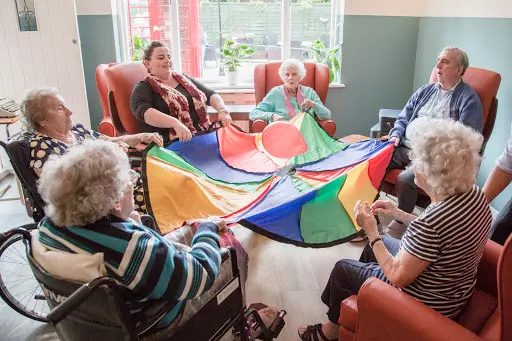
When families visit Purley Gardens Care Home in Purley, they often notice residents taking part in structured activities throughout the day. The home provides care for older adults and those living with dementia, with volunteers and visitors describing a programme that keeps people engaged. Like many care homes though, experiences here vary significantly depending on individual needs and circumstances.
Who they care for
The home cares for adults over 65 and has specific provisions for supporting people living with dementia.
For residents with dementia, the home provides dedicated support within their care framework. Families considering dementia care here should have detailed conversations about security measures and staff training to ensure the approach matches their loved one's specific needs.
“Every family's priorities are different, so visiting Purley Gardens yourself will help you understand whether their approach to care fits what you're looking for.”
DCC does not edit or curate content in this tab. For independently curated information, see The Evidence and DCC Verdict.
The DCC Verdict
Our editorial view, built from the three lenses: what families tell us, what inspectors record, and how the home sits against good dementia-care practice.
DCC Family Score
Purley Gardens Care Home received a Good rating across all five inspection domains in May 2018, which is a positive baseline. However, the published inspection text contains very limited specific detail, so scores reflect a confirmed Good rating rather than rich observed evidence.
Homes in London typically score 68–82.The three-lens summary
What families tell us
Visitors frequently mention the friendly approach of staff across different departments. Many families describe feeling welcomed when they arrive, with staff taking time to chat and show them around. The atmosphere during activities often feels lively, with residents appearing content and occupied throughout the day.
What inspectors have recorded
Communication with families varies considerably here. While some relatives feel well-informed about their loved one's care, others have encountered difficulties getting consistent information during important moments. The home has experienced some challenges with care standards that families should discuss thoroughly when considering placement.
How it sits against good practice
Every family's priorities are different, so visiting Purley Gardens yourself will help you understand whether their approach to care fits what you're looking for.
Worth a visit
Purley Gardens Care Home, at 21-27 Russell Hill Road in Purley, was rated Good across all five inspection domains following an inspection in May 2018. The home provides nursing care for up to 119 people, with a specialism in dementia and older adult care. A registered manager and nominated individual were both in post at the time of inspection, indicating a defined leadership structure. A Good rating across every domain is a positive finding and means inspectors judged the home to be safe, effective, caring, responsive, and well managed at that point. The main uncertainty here is that the published inspection text contains very little specific detail. No inspector observations, resident or family quotes, or staffing numbers are recorded in the available summary. That makes it difficult to assess what day-to-day life actually looks like for your parent. The inspection also took place in 2018, which is now several years ago, and a home of 119 beds can change significantly in staffing, management, and culture over that time. When you visit, ask to see the most recent staffing rota, the current activity schedule, and the home's latest audits or quality reports. Ask specifically about night staffing ratios and how the team supports residents with dementia who become distressed after dark.
The three questions to ask when you visitSave this home. Compare it against your shortlist.
Let our analysis show you how Purley Gardens Care Home – Avery Collection measures up against the other homes you’re considering. Free account.
In Their Own Words
How Purley Gardens Care Home – Avery Collection describes itself — collected from its own website. DCC has not edited or independently verified the content in this tab.
Finding the right balance between activities and individual care needs
Nursing home in Purley: True Peace of Mind
When families visit Purley Gardens Care Home in Purley, they often notice residents taking part in structured activities throughout the day. The home provides care for older adults and those living with dementia, with volunteers and visitors describing a programme that keeps people engaged. Like many care homes though, experiences here vary significantly depending on individual needs and circumstances.
Who they care for
The home cares for adults over 65 and has specific provisions for supporting people living with dementia.
For residents with dementia, the home provides dedicated support within their care framework. Families considering dementia care here should have detailed conversations about security measures and staff training to ensure the approach matches their loved one's specific needs.
Management & ethos
Communication with families varies considerably here. While some relatives feel well-informed about their loved one's care, others have encountered difficulties getting consistent information during important moments. The home has experienced some challenges with care standards that families should discuss thoroughly when considering placement.
The home & environment
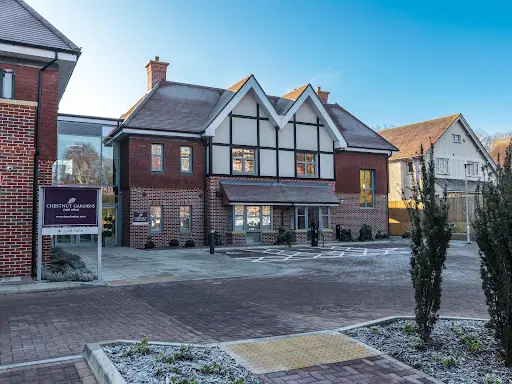
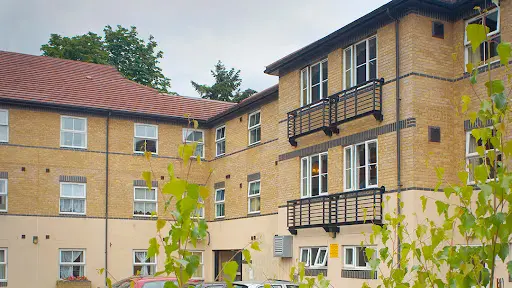
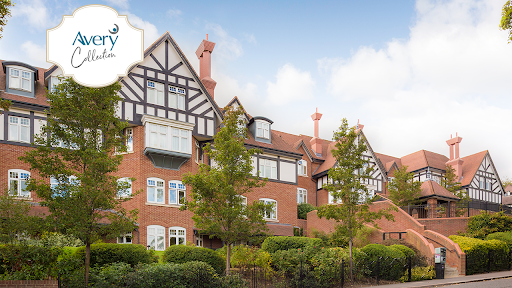
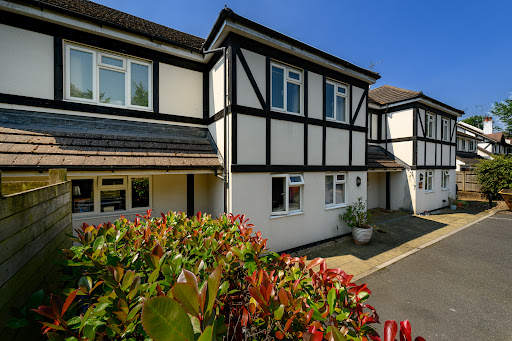
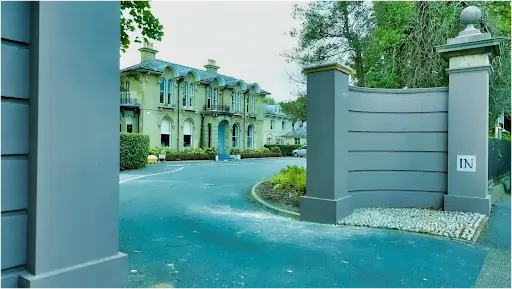
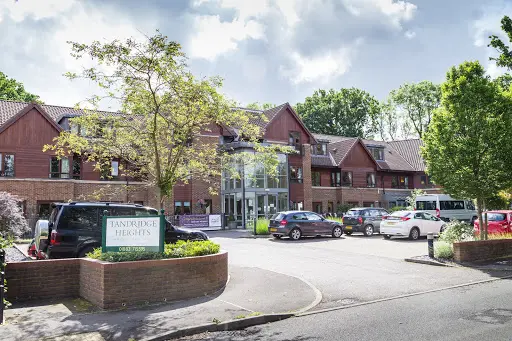
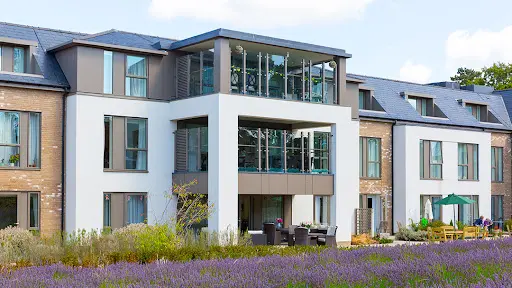
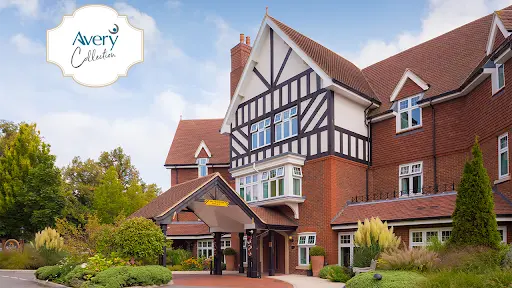
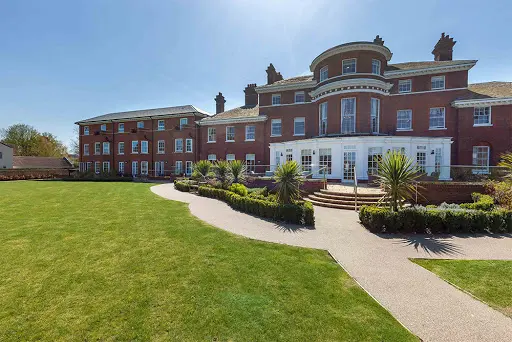
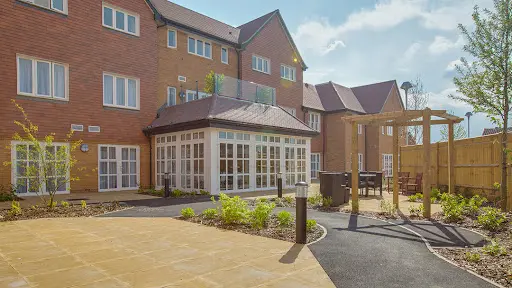
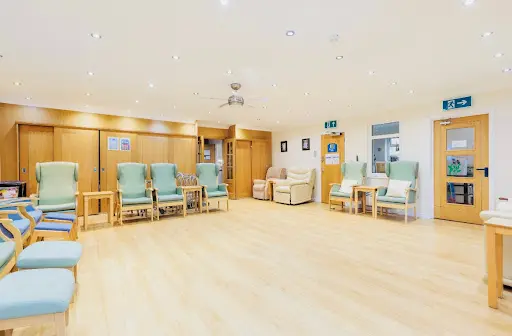
The food at Purley Gardens gets particular praise from several families, who describe well-presented meals that residents seem to enjoy. The building itself is kept spotless according to most accounts, with attention paid to maintaining an appealing physical environment.
“Every family's priorities are different, so visiting Purley Gardens yourself will help you understand whether their approach to care fits what you're looking for.”
DCC does not edit or curate content in this tab. For independently curated information, see The Evidence and DCC Verdict.