Bagshot Gardens Care Home – Avery Collection

At a Glance
The information you need to decide whether this home warrants a closer look.
Nursing homes
Staff warmth score
of reviewers answered yes
Good to know
- Registered beds99
- SpecialismsCaring for adults over 65 yrs, Caring for adults under 65 yrs, Dementia
- Last inspected2022-08-06
Save Bagshot Gardens Care Home – Avery Collection to your shortlist
Keep a running list, add visit notes, and compare homes side-by-side. Free account — it takes a minute.
STAGE 4 — RESEARCHING CARE HOMES
Visit homes. Compare them side by side. Choose with confidence.
Most of us will view care homes the way we view houses, impression, atmosphere, the feeling in the corridor. We go home, try to remember what we saw, and make a permanent decision from a blurred memory.

The DCC shortlist gives every home you visit a structured record: the same twelve questions, answered the same way, every time. When you’re ready to choose, pull any two homes side by side and compare them directly. Same criteria, same evidence, your notes and your scores.
The Evidence
What the review data, the inspection reports, and the dementia-care evidence base tell us about this home.
What families say
Families describe a real sense of continuity here — staff who learn residents' preferences and create personalised routines that stick. The transition process sounds particularly thoughtful, with pre-placement visits that help even reluctant residents settle in smoothly. Over time, relatives notice how these individual touches build into something meaningful.
The eight family priority themes
- Staff warmth72
- Compassion & dignity72
- Cleanliness70
- Activities & engagement65
- Food quality65
- Healthcare70
- Management & leadership72
- Resident happiness70
What inspectors found
Inspected 2022-08-06
Is this home safe?
Is the care effective?
The Effective domain was rated Good at the June 2022 inspection. This covers training, care planning, healthcare access, and food quality. No specific information is available in the published text about the content of care plans, how often they are reviewed, what dementia training staff have completed, or how GP and specialist access is arranged. Food quality and dietary management are also not described.Is this home caring?
The Caring domain was rated Good at the June 2022 inspection. This domain covers staff warmth, dignity, respect, and how well the home supports independence. No specific inspector observations of staff interactions, no quotes from residents or relatives about how they felt treated, and no examples of dignity in practice are available in the published report text.Is the home responsive?
The Responsive domain was rated Good at the June 2022 inspection. This domain covers activities, engagement, individuality, and end-of-life care. No specific information about the activities programme, examples of tailored individual engagement, or end-of-life care planning is available in the published report text. The home specialises in dementia care, which makes individual engagement especially important.Is the home well-led?
The Well-led domain was rated Good at the June 2022 inspection. This covers management quality, governance, staff culture, and accountability. The nominated individual is named as Mrs Natasha Southall, and the home is operated by Willow Tower Opco 1 Limited. No specific information about manager tenure, staff satisfaction, how the home responds to complaints, or how leadership is visible day-to-day is available in the published text.
Source: CQC inspection report →
What the evidence base says
The home cares for adults both under and over 65, including those living with dementia. This mix of ages brings a different dynamic to daily life. For those considering dementia care specifically, it's worth having a detailed conversation with the home about their current capacity and approach, as experiences seem to vary depending on individual needs and activity levels. All areas worth probing directly during a visit.
The DCC Verdict
Our editorial view, built from the three lenses: what families tell us, what inspectors record, and how the home sits against good dementia-care practice.
DCC Family Score
Bagshot Gardens Care Home received a Good rating across all five inspection domains in June 2022, which is a positive baseline. However, the published report text provides very limited specific detail, so scores reflect general compliance rather than strong observed evidence.
Homes in South East typically score 68–82.The three-lens summary
What families tell us
Families describe a real sense of continuity here — staff who learn residents' preferences and create personalised routines that stick. The transition process sounds particularly thoughtful, with pre-placement visits that help even reluctant residents settle in smoothly. Over time, relatives notice how these individual touches build into something meaningful.
What inspectors have recorded
The presence of trained nurses makes a real difference here, with families noting how well complex health needs are managed day-to-day. Even visiting paramedics have commented on the standard of care they've observed. While the home does use agency staff to cover holidays, there's clearly attention paid to maintaining quality and consistency.
How it sits against good practice
Sometimes the small details tell you most — like staff remembering exactly how someone likes their morning routine, or residents choosing to spend sunny afternoons in the garden bistro.
Worth a visit
Bagshot Gardens Care Home, on London Road in Bagshot, was rated Good across all five inspection domains when assessed in June 2022. The home is registered for up to 99 beds and specialises in nursing care, dementia, and care for adults of all ages. A consistent Good rating across every domain is a solid result and suggests the home was meeting fundamental standards at the time of inspection. The main limitation here is the inspection text available is extremely brief and contains almost no specific observations, quotes, or examples from inspectors, residents, or relatives. This means the Good ratings cannot be contextualised beyond the headline. Before visiting, prepare specific questions: ask to see last week's actual staffing rota (not the template) to check permanent versus agency cover on nights, ask what dementia-specific training staff have completed in the last 12 months, and observe whether staff use your parent's preferred name and move without hurry during your visit. The inspection findings are now over two years old, so asking about any recent changes in management or staffing is particularly important.
The three questions to ask when you visitSave this home. Compare it against your shortlist.
Let our analysis show you how Bagshot Gardens Care Home – Avery Collection measures up against the other homes you’re considering. Free account.
In Their Own Words
How Bagshot Gardens Care Home – Avery Collection describes itself — collected from its own website. DCC has not edited or independently verified the content in this tab.
Where skilled nursing meets genuine warmth in Surrey
Nursing home in Bagshot: True Peace of Mind
When you're looking for the right care in Bagshot, you want somewhere that combines professional nursing expertise with the kind of genuine warmth that helps people truly settle. Bagshot Gardens Care Home brings both to this leafy corner of Surrey. The home welcomes adults of all ages, with trained nurses on-site managing everything from complex health needs to the daily rhythms that keep life feeling normal.
Who they care for
The home cares for adults both under and over 65, including those living with dementia. This mix of ages brings a different dynamic to daily life.
For those considering dementia care specifically, it's worth having a detailed conversation with the home about their current capacity and approach, as experiences seem to vary depending on individual needs and activity levels.
“Sometimes the small details tell you most — like staff remembering exactly how someone likes their morning routine, or residents choosing to spend sunny afternoons in the garden bistro.”
DCC does not edit or curate content in this tab. For independently curated information, see The Evidence and DCC Verdict.
The DCC Verdict
Our editorial view, built from the three lenses: what families tell us, what inspectors record, and how the home sits against good dementia-care practice.
DCC Family Score
Bagshot Gardens Care Home received a Good rating across all five inspection domains in June 2022, which is a positive baseline. However, the published report text provides very limited specific detail, so scores reflect general compliance rather than strong observed evidence.
Homes in South East typically score 68–82.The three-lens summary
What families tell us
Families describe a real sense of continuity here — staff who learn residents' preferences and create personalised routines that stick. The transition process sounds particularly thoughtful, with pre-placement visits that help even reluctant residents settle in smoothly. Over time, relatives notice how these individual touches build into something meaningful.
What inspectors have recorded
The presence of trained nurses makes a real difference here, with families noting how well complex health needs are managed day-to-day. Even visiting paramedics have commented on the standard of care they've observed. While the home does use agency staff to cover holidays, there's clearly attention paid to maintaining quality and consistency.
How it sits against good practice
Sometimes the small details tell you most — like staff remembering exactly how someone likes their morning routine, or residents choosing to spend sunny afternoons in the garden bistro.
Worth a visit
Bagshot Gardens Care Home, on London Road in Bagshot, was rated Good across all five inspection domains when assessed in June 2022. The home is registered for up to 99 beds and specialises in nursing care, dementia, and care for adults of all ages. A consistent Good rating across every domain is a solid result and suggests the home was meeting fundamental standards at the time of inspection. The main limitation here is the inspection text available is extremely brief and contains almost no specific observations, quotes, or examples from inspectors, residents, or relatives. This means the Good ratings cannot be contextualised beyond the headline. Before visiting, prepare specific questions: ask to see last week's actual staffing rota (not the template) to check permanent versus agency cover on nights, ask what dementia-specific training staff have completed in the last 12 months, and observe whether staff use your parent's preferred name and move without hurry during your visit. The inspection findings are now over two years old, so asking about any recent changes in management or staffing is particularly important.
The three questions to ask when you visitSave this home. Compare it against your shortlist.
Let our analysis show you how Bagshot Gardens Care Home – Avery Collection measures up against the other homes you’re considering. Free account.
In Their Own Words
How Bagshot Gardens Care Home – Avery Collection describes itself — collected from its own website. DCC has not edited or independently verified the content in this tab.
Where skilled nursing meets genuine warmth in Surrey
Nursing home in Bagshot: True Peace of Mind
When you're looking for the right care in Bagshot, you want somewhere that combines professional nursing expertise with the kind of genuine warmth that helps people truly settle. Bagshot Gardens Care Home brings both to this leafy corner of Surrey. The home welcomes adults of all ages, with trained nurses on-site managing everything from complex health needs to the daily rhythms that keep life feeling normal.
Who they care for
The home cares for adults both under and over 65, including those living with dementia. This mix of ages brings a different dynamic to daily life.
For those considering dementia care specifically, it's worth having a detailed conversation with the home about their current capacity and approach, as experiences seem to vary depending on individual needs and activity levels.
Management & ethos
The presence of trained nurses makes a real difference here, with families noting how well complex health needs are managed day-to-day. Even visiting paramedics have commented on the standard of care they've observed. While the home does use agency staff to cover holidays, there's clearly attention paid to maintaining quality and consistency.
The home & environment
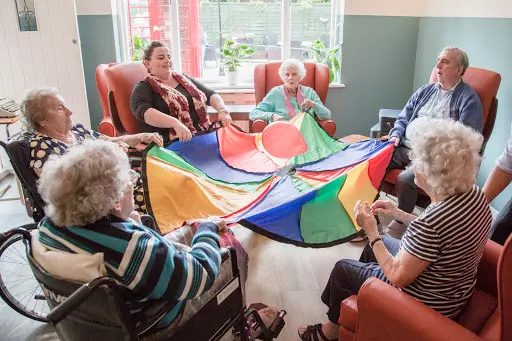
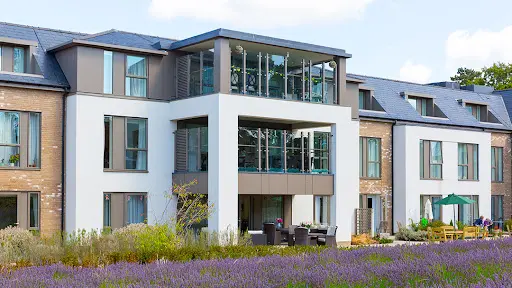
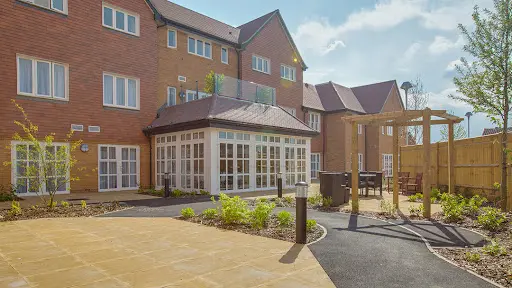
The garden and bistro area seem to be the heart of daily life, with residents naturally gravitating to these spaces for both quiet moments and social time. There's a structured programme of activities too — exercise sessions, entertainment, and reminiscence activities pitched at different ability levels. Even practical touches like the in-house hairdressing service add to that sense of normal life continuing.
“Sometimes the small details tell you most — like staff remembering exactly how someone likes their morning routine, or residents choosing to spend sunny afternoons in the garden bistro.”
DCC does not edit or curate content in this tab. For independently curated information, see The Evidence and DCC Verdict.