Amherst House Care Home – Care UK
At a Glance
The information you need to decide whether this home warrants a closer look.
Staff warmth score
of reviewers answered yes
Good to know
- Registered beds60
- SpecialismsCaring for adults over 65 yrs, Caring for adults under 65 yrs, Dementia, Physical disabilities, Sensory impairment
- Last inspected2023-06-07
Save Amherst House Care Home – Care UK to your shortlist
Keep a running list, add visit notes, and compare homes side-by-side. Free account — it takes a minute.
STAGE 4 — RESEARCHING CARE HOMES
Visit homes. Compare them side by side. Choose with confidence.
Most of us will view care homes the way we view houses, impression, atmosphere, the feeling in the corridor. We go home, try to remember what we saw, and make a permanent decision from a blurred memory.

The DCC shortlist gives every home you visit a structured record: the same twelve questions, answered the same way, every time. When you’re ready to choose, pull any two homes side by side and compare them directly. Same criteria, same evidence, your notes and your scores.
The Evidence
What the review data, the inspection reports, and the dementia-care evidence base tell us about this home.
What families say
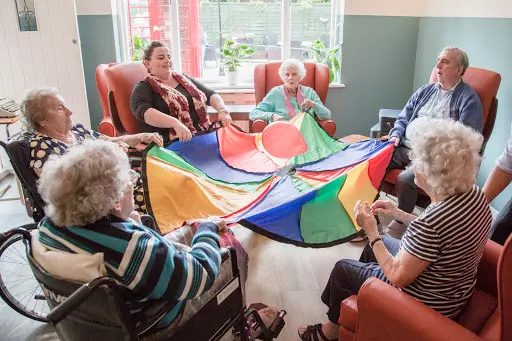
Visitors describe finding residents comfortable and content in their daily routines. The home runs a varied programme of activities — from live entertainment to cinema screenings — that helps keep days engaging. There's a beauty salon on site too, and regular outings give residents chances to enjoy life beyond the home's walls.
The eight family priority themes
- Staff warmth72
- Compassion & dignity72
- Cleanliness70
- Activities & engagement65
- Food quality62
- Healthcare68
- Management & leadership68
- Resident happiness68
What inspectors found
Inspected 2023-06-07
Is this home safe?
Is the care effective?
Amherst House was rated Good for effectiveness at its March 2023 inspection. This domain covers care planning, training, healthcare access, and nutrition. The published summary does not include specific observations about care plan quality, GP access arrangements, dementia training content, or food provision. A Good rating indicates inspectors were satisfied with these areas at the time of the visit, but no direct examples or resident outcomes are recorded in the available text.Is this home caring?
Amherst House was rated Good for Caring at its March 2023 inspection. This is the domain that most directly reflects whether staff are kind, whether your parent would be treated with dignity, and whether they would feel respected rather than processed. The published summary contains no specific observations, quotes from residents or relatives, or examples of staff behaviour in this area. A Good rating indicates inspectors were satisfied, but the lack of detail means this cannot be independently verified from the published report alone.Is the home responsive?
Amherst House was rated Good for Responsiveness at its March 2023 inspection. This domain covers activities, individual engagement, and how well the home responds to each person's preferences and changing needs. The published summary does not include specific examples of activity programmes, one-to-one engagement, or how the home tailors its approach for people with advanced dementia. The home's specialisms include dementia and physical disabilities, which makes the absence of specific activity detail a notable gap for families researching this home.Is the home well-led?
Amherst House was rated Good for Well-led at its March 2023 inspection. A registered manager, Mrs Cristina Diana Cristea, is named and in post, and a nominated individual, Ms Rachel Louise Harvey, is identified. The published summary does not include specific observations about management visibility, staff culture, or how the home handles complaints and incidents. The decline from a previous Outstanding rating to Good is the most significant piece of context in this domain and the published summary offers no explanation for that change.
Source: CQC inspection report →
What the evidence base says
Amherst House provides care for adults both under and over 65, including those living with dementia, physical disabilities, or sensory impairments. The home supports residents with dementia as part of its broader care provision. Staff work with the varied needs that come with dementia, adapting their approach to help each resident feel secure and valued. All areas worth probing directly during a visit.
The DCC Verdict
Our editorial view, built from the three lenses: what families tell us, what inspectors record, and how the home sits against good dementia-care practice.
DCC Family Score
Amherst House scores 71 out of 100, reflecting a Good rating across all five inspection domains with consistent positive findings, but limited specific detail in the published report means many areas cannot be fully verified. The decline from a previous Outstanding rating is the most important context for families to hold in mind.
Homes in South East typically score 68–82.The three-lens summary
What families tell us
Visitors describe finding residents comfortable and content in their daily routines. The home runs a varied programme of activities — from live entertainment to cinema screenings — that helps keep days engaging. There's a beauty salon on site too, and regular outings give residents chances to enjoy life beyond the home's walls.
What inspectors have recorded
The staff consistently come across as professional and courteous in their approach to care. Families appreciate the polite, welcoming manner that seems to run throughout the team. The management sets clear standards that show in the day-to-day running of the home, though one family did raise concerns about unexpected fee increases.
How it sits against good practice
If you're considering Amherst House for someone you care about, arranging a visit will give you the clearest picture of daily life there.
Worth a visit
Amherst House at 287 Court Lodge Road, Horley was rated Good across all five inspection domains at its assessment in March 2023. The home is registered to care for up to 60 people, including adults with dementia, physical disabilities, and sensory impairment. A named registered manager is in post and a nominated individual is identified, which indicates a functioning leadership structure. The Good rating across every domain is a positive baseline. The most important context for families is that this home previously held an Outstanding rating and has since declined to Good. That is a meaningful shift and the published report summary does not contain enough specific detail to explain what changed or to fully reassure families on day-to-day quality. Before choosing Amherst House, visit in person, ask to see last week's staffing rota, and specifically ask the manager what led to the change from Outstanding. Pay particular attention to night staffing ratios, agency cover, and what is available for your parent on a quiet afternoon if they cannot join group activities.
The three questions to ask when you visitSave this home. Compare it against your shortlist.
Let our analysis show you how Amherst House Care Home – Care UK measures up against the other homes you’re considering. Free account.
In Their Own Words
How Amherst House Care Home – Care UK describes itself — collected from its own website. DCC has not edited or independently verified the content in this tab.
Where professional care meets genuine warmth and dignity
Amherst House – Expert Care in Horley
When families visit Amherst House in Horley, they often comment on the spotless surroundings and welcoming atmosphere. This care home supports residents with various needs, including dementia and physical disabilities, in an environment where cleanliness and comfort clearly matter. The mix of professional standards and personal touches helps create a reassuring setting for both residents and their families.
Who they care for
Amherst House provides care for adults both under and over 65, including those living with dementia, physical disabilities, or sensory impairments.
The home supports residents with dementia as part of its broader care provision. Staff work with the varied needs that come with dementia, adapting their approach to help each resident feel secure and valued.
“If you're considering Amherst House for someone you care about, arranging a visit will give you the clearest picture of daily life there.”
DCC does not edit or curate content in this tab. For independently curated information, see The Evidence and DCC Verdict.
The DCC Verdict
Our editorial view, built from the three lenses: what families tell us, what inspectors record, and how the home sits against good dementia-care practice.
DCC Family Score
Amherst House scores 71 out of 100, reflecting a Good rating across all five inspection domains with consistent positive findings, but limited specific detail in the published report means many areas cannot be fully verified. The decline from a previous Outstanding rating is the most important context for families to hold in mind.
Homes in South East typically score 68–82.The three-lens summary
What families tell us
Visitors describe finding residents comfortable and content in their daily routines. The home runs a varied programme of activities — from live entertainment to cinema screenings — that helps keep days engaging. There's a beauty salon on site too, and regular outings give residents chances to enjoy life beyond the home's walls.
What inspectors have recorded
The staff consistently come across as professional and courteous in their approach to care. Families appreciate the polite, welcoming manner that seems to run throughout the team. The management sets clear standards that show in the day-to-day running of the home, though one family did raise concerns about unexpected fee increases.
How it sits against good practice
If you're considering Amherst House for someone you care about, arranging a visit will give you the clearest picture of daily life there.
Worth a visit
Amherst House at 287 Court Lodge Road, Horley was rated Good across all five inspection domains at its assessment in March 2023. The home is registered to care for up to 60 people, including adults with dementia, physical disabilities, and sensory impairment. A named registered manager is in post and a nominated individual is identified, which indicates a functioning leadership structure. The Good rating across every domain is a positive baseline. The most important context for families is that this home previously held an Outstanding rating and has since declined to Good. That is a meaningful shift and the published report summary does not contain enough specific detail to explain what changed or to fully reassure families on day-to-day quality. Before choosing Amherst House, visit in person, ask to see last week's staffing rota, and specifically ask the manager what led to the change from Outstanding. Pay particular attention to night staffing ratios, agency cover, and what is available for your parent on a quiet afternoon if they cannot join group activities.
The three questions to ask when you visitSave this home. Compare it against your shortlist.
Let our analysis show you how Amherst House Care Home – Care UK measures up against the other homes you’re considering. Free account.
In Their Own Words
How Amherst House Care Home – Care UK describes itself — collected from its own website. DCC has not edited or independently verified the content in this tab.
Where professional care meets genuine warmth and dignity
Amherst House – Expert Care in Horley
When families visit Amherst House in Horley, they often comment on the spotless surroundings and welcoming atmosphere. This care home supports residents with various needs, including dementia and physical disabilities, in an environment where cleanliness and comfort clearly matter. The mix of professional standards and personal touches helps create a reassuring setting for both residents and their families.
Who they care for
Amherst House provides care for adults both under and over 65, including those living with dementia, physical disabilities, or sensory impairments.
The home supports residents with dementia as part of its broader care provision. Staff work with the varied needs that come with dementia, adapting their approach to help each resident feel secure and valued.
Management & ethos
The staff consistently come across as professional and courteous in their approach to care. Families appreciate the polite, welcoming manner that seems to run throughout the team. The management sets clear standards that show in the day-to-day running of the home, though one family did raise concerns about unexpected fee increases.
The home & environment
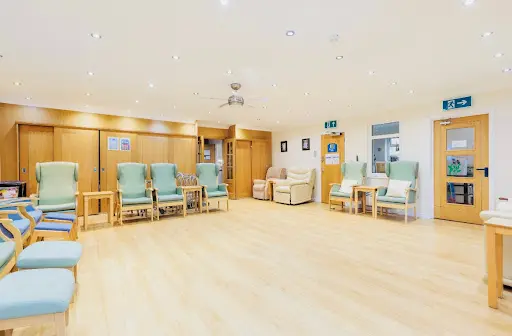
The kitchen prepares fresh meals daily, with careful attention to individual dietary needs and preferences. Several people mention how clean and well-maintained everything is, from the communal areas to the individual rooms. Meals are served in smaller dining rooms, creating a more intimate atmosphere at mealtimes.
“If you're considering Amherst House for someone you care about, arranging a visit will give you the clearest picture of daily life there.”
DCC does not edit or curate content in this tab. For independently curated information, see The Evidence and DCC Verdict.