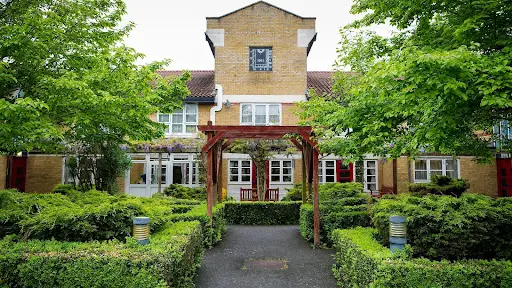
Grasmere Rest Home

At a Glance
The information you need to decide whether this home warrants a closer look.
Residential homes
Staff warmth score
of reviewers answered yes
Good to know
- Registered beds25
- SpecialismsCaring for adults over 65 yrs, Dementia
- Last inspected2019-08-06
Save Grasmere Rest Home to your shortlist
Keep a running list, add visit notes, and compare homes side-by-side. Free account — it takes a minute.
STAGE 4 — RESEARCHING CARE HOMES
Visit homes. Compare them side by side. Choose with confidence.
Most of us will view care homes the way we view houses, impression, atmosphere, the feeling in the corridor. We go home, try to remember what we saw, and make a permanent decision from a blurred memory.

The DCC shortlist gives every home you visit a structured record: the same twelve questions, answered the same way, every time. When you’re ready to choose, pull any two homes side by side and compare them directly. Same criteria, same evidence, your notes and your scores.
The Evidence
What the review data, the inspection reports, and the dementia-care evidence base tell us about this home.
What families say
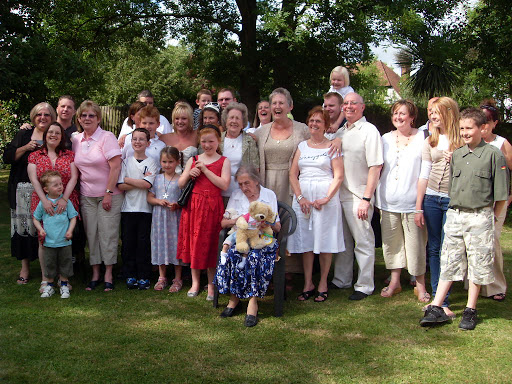
Families describe a warm atmosphere where staff know each resident as an individual. The structured activity programme runs Monday to Friday, giving residents something to look forward to each day. People talk about seeing genuine happiness in their relatives' faces during visits.
The eight family priority themes
- Staff warmth82
- Compassion & dignity90
- Cleanliness70
- Activities & engagement70
- Food quality65
- Healthcare70
- Management & leadership75
- Resident happiness75
What inspectors found
Inspected 2019-08-06
Is this home safe?
Is the care effective?
The effective domain was rated Good at the August 2020 inspection. This covers training, care planning, healthcare access, and food. The home is registered as a specialist dementia service, which implies inspectors considered dementia-specific care in their assessment. The published text does not describe specific training programmes, care plan content, GP access arrangements, or food quality in any detail.Is this home caring?
The caring domain was rated Outstanding at the August 2020 inspection. This is the highest possible rating and cannot be awarded on the basis of general compliance statements alone. Inspectors must have found specific, direct evidence of staff treating residents with warmth, dignity, and genuine respect. The home had previously been rated Requires Improvement overall, making the Outstanding caring rating a particularly notable finding. The published report text available does not reproduce the specific observations or quotes that earned this rating.Is the home responsive?
The responsive domain was rated Good at the August 2020 inspection. This domain covers how well the home tailors care to individual needs, including activities, engagement, and end-of-life care. The home is registered as a dementia specialist service for 25 residents. The published report text does not describe specific activity programmes, individual engagement approaches, or end-of-life planning in any detail.Is the home well-led?
The well-led domain was rated Good at the August 2020 inspection. The home is run by Mrs Zeenat Nanji and Mr Salim Nanji, and a registered manager, Mrs Antonina Gont, is in post. The improvement from a previous Requires Improvement rating to Good overall suggests that leadership has driven meaningful improvements. The published report text does not describe the manager's visibility, staff culture, governance processes, or how complaints are handled.
Source: CQC inspection report →
What the evidence base says
The home specialises in caring for adults over 65, with particular expertise in dementia care. The weekday activity programme has been designed with residents' cognitive needs in mind, helping maintain engagement and emotional wellbeing. Staff show real understanding of how to support people living with dementia as individuals within the community. All areas worth probing directly during a visit.
The DCC Verdict
Our editorial view, built from the three lenses: what families tell us, what inspectors record, and how the home sits against good dementia-care practice.
DCC Family Score
Grasmere Rest Home scores well above average, driven primarily by its Outstanding rating for caring, which reflects strong evidence of warmth, dignity, and respect. Scores in other areas are positive but limited by the level of specific detail recorded in the inspection findings.
Homes in London typically score 68–82.The three-lens summary
What families tell us
Families describe a warm atmosphere where staff know each resident as an individual. The structured activity programme runs Monday to Friday, giving residents something to look forward to each day. People talk about seeing genuine happiness in their relatives' faces during visits.
What inspectors have recorded
Staff here seem to understand what matters most — being kind, attentive and responsive to each person's needs. Families appreciate the clear communication about their relatives' wellbeing. The home has achieved a CQC Outstanding rating, reflecting the consistent standards visitors describe.
How it sits against good practice
For families facing difficult decisions about dementia care, seeing genuine contentment in their loved ones can make all the difference.
Worth a visit
Grasmere Rest Home, a 25-bed residential home in Sutton specialising in dementia care for adults over 65, was rated Good overall at its last inspection in August 2020, with an Outstanding rating for caring. The home had previously been rated Requires Improvement, so the current rating represents a meaningful improvement. The Outstanding caring rating is the standout finding, indicating that inspectors found specific, compelling evidence of warmth, dignity, and respect in the way staff treat the people who live there. The main uncertainty here is the age of the inspection. The findings are from August 2020, which is now several years old, and the published report text is limited in specific detail. This means many of the questions that matter most to families, including night staffing ratios, dementia training content, food quality, and activity provision, cannot be answered from the available evidence. When you visit, ask the manager to walk you through what has changed since 2020, request to see the current staffing rota and activity log, and spend time in a communal area watching how staff interact with residents at an unstructured time of day.
The three questions to ask when you visitSave this home. Compare it against your shortlist.
Let our analysis show you how Grasmere Rest Home measures up against the other homes you’re considering. Free account.
In Their Own Words
How Grasmere Rest Home describes itself — collected from its own website. DCC has not edited or independently verified the content in this tab.
Where daily activities bring joy to residents with dementia
Residential home in Sutton: True Peace of Mind
When families visit Grasmere Rest Home in Sutton, they often find their relatives engaged in the day's activities — perhaps enjoying live entertainment or tending plants in the garden. This care home has built its reputation on understanding that meaningful days matter, especially for those living with dementia.
Who they care for
The home specialises in caring for adults over 65, with particular expertise in dementia care.
The weekday activity programme has been designed with residents' cognitive needs in mind, helping maintain engagement and emotional wellbeing. Staff show real understanding of how to support people living with dementia as individuals within the community.
“For families facing difficult decisions about dementia care, seeing genuine contentment in their loved ones can make all the difference.”
DCC does not edit or curate content in this tab. For independently curated information, see The Evidence and DCC Verdict.
The DCC Verdict
Our editorial view, built from the three lenses: what families tell us, what inspectors record, and how the home sits against good dementia-care practice.
DCC Family Score
Grasmere Rest Home scores well above average, driven primarily by its Outstanding rating for caring, which reflects strong evidence of warmth, dignity, and respect. Scores in other areas are positive but limited by the level of specific detail recorded in the inspection findings.
Homes in London typically score 68–82.The three-lens summary
What families tell us
Families describe a warm atmosphere where staff know each resident as an individual. The structured activity programme runs Monday to Friday, giving residents something to look forward to each day. People talk about seeing genuine happiness in their relatives' faces during visits.
What inspectors have recorded
Staff here seem to understand what matters most — being kind, attentive and responsive to each person's needs. Families appreciate the clear communication about their relatives' wellbeing. The home has achieved a CQC Outstanding rating, reflecting the consistent standards visitors describe.
How it sits against good practice
For families facing difficult decisions about dementia care, seeing genuine contentment in their loved ones can make all the difference.
Worth a visit
Grasmere Rest Home, a 25-bed residential home in Sutton specialising in dementia care for adults over 65, was rated Good overall at its last inspection in August 2020, with an Outstanding rating for caring. The home had previously been rated Requires Improvement, so the current rating represents a meaningful improvement. The Outstanding caring rating is the standout finding, indicating that inspectors found specific, compelling evidence of warmth, dignity, and respect in the way staff treat the people who live there. The main uncertainty here is the age of the inspection. The findings are from August 2020, which is now several years old, and the published report text is limited in specific detail. This means many of the questions that matter most to families, including night staffing ratios, dementia training content, food quality, and activity provision, cannot be answered from the available evidence. When you visit, ask the manager to walk you through what has changed since 2020, request to see the current staffing rota and activity log, and spend time in a communal area watching how staff interact with residents at an unstructured time of day.
The three questions to ask when you visitSave this home. Compare it against your shortlist.
Let our analysis show you how Grasmere Rest Home measures up against the other homes you’re considering. Free account.
In Their Own Words
How Grasmere Rest Home describes itself — collected from its own website. DCC has not edited or independently verified the content in this tab.
Where daily activities bring joy to residents with dementia
Residential home in Sutton: True Peace of Mind
When families visit Grasmere Rest Home in Sutton, they often find their relatives engaged in the day's activities — perhaps enjoying live entertainment or tending plants in the garden. This care home has built its reputation on understanding that meaningful days matter, especially for those living with dementia.
Who they care for
The home specialises in caring for adults over 65, with particular expertise in dementia care.
The weekday activity programme has been designed with residents' cognitive needs in mind, helping maintain engagement and emotional wellbeing. Staff show real understanding of how to support people living with dementia as individuals within the community.
Management & ethos
Staff here seem to understand what matters most — being kind, attentive and responsive to each person's needs. Families appreciate the clear communication about their relatives' wellbeing. The home has achieved a CQC Outstanding rating, reflecting the consistent standards visitors describe.
The home & environment
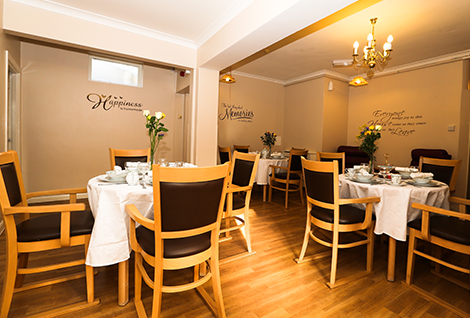
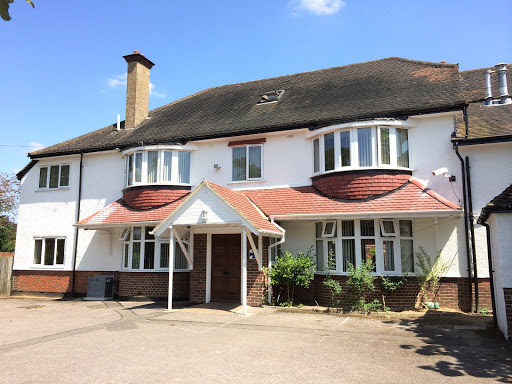
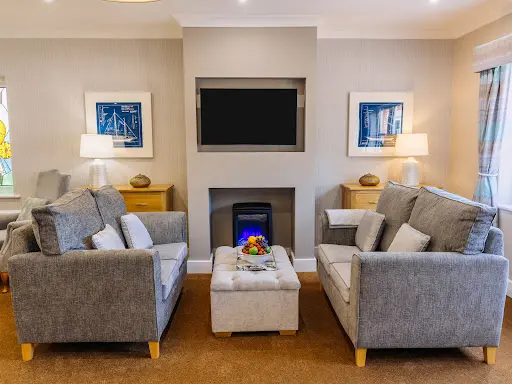
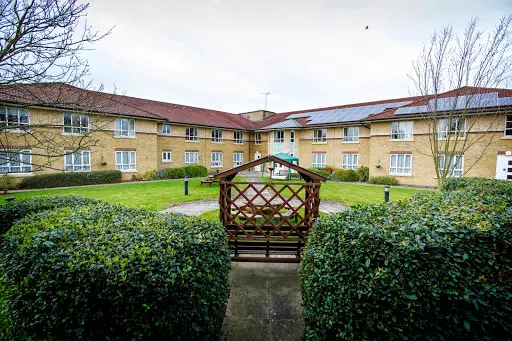
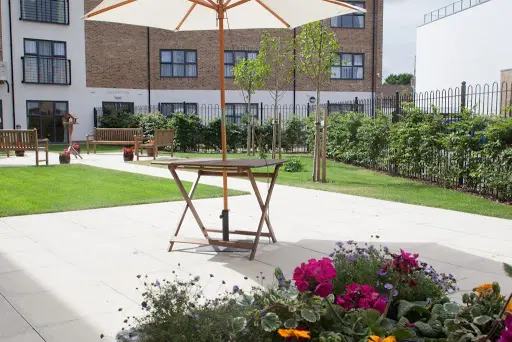
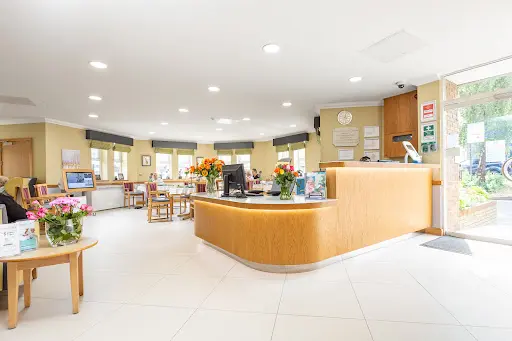
The chef bakes fresh cakes and prepares meals from scratch each day, filling the home with welcoming aromas. The garden gives residents space to enjoy the outdoors, with some taking part in gardening activities when weather permits. Families consistently mention how well-maintained everything looks.
“For families facing difficult decisions about dementia care, seeing genuine contentment in their loved ones can make all the difference.”
DCC does not edit or curate content in this tab. For independently curated information, see The Evidence and DCC Verdict.