Randolph House Care Home
At a Glance
The information you need to decide whether this home warrants a closer look.
Nursing homes
Staff warmth score
of reviewers answered yes
Good to know
- Registered beds46
- SpecialismsCaring for adults over 65 yrs, Caring for adults under 65 yrs, Caring for people whose rights are restricted under the Mental Health Act, Dementia, Mental health conditions, Physical disabilities, Sensory impairment, Substance misuse problems
- Last inspected2023-10-11
Save Randolph House Care Home to your shortlist
Keep a running list, add visit notes, and compare homes side-by-side. Free account — it takes a minute.
STAGE 4 — RESEARCHING CARE HOMES
Visit homes. Compare them side by side. Choose with confidence.
Most of us will view care homes the way we view houses, impression, atmosphere, the feeling in the corridor. We go home, try to remember what we saw, and make a permanent decision from a blurred memory.

The DCC shortlist gives every home you visit a structured record: the same twelve questions, answered the same way, every time. When you’re ready to choose, pull any two homes side by side and compare them directly. Same criteria, same evidence, your notes and your scores.
The Evidence
What the review data, the inspection reports, and the dementia-care evidence base tell us about this home.
What families say
Families have particularly noticed the compassion shown during difficult times. When residents approach the end of their lives, staff have been known to extend genuine support not just to residents but to their loved ones too. Some visitors have commented on the friendliness they encounter when they visit.
The eight family priority themes
- Staff warmth72
- Compassion & dignity72
- Cleanliness70
- Activities & engagement60
- Food quality60
- Healthcare70
- Management & leadership75
- Resident happiness68
What inspectors found
Inspected 2023-10-11
Is this home safe?
Is the care effective?
The Effective domain was rated Good at the September 2023 inspection. This domain covers training, care planning, healthcare coordination, nutrition, and hydration. The home lists dementia as a specialism, which means inspectors would have considered whether staff have appropriate dementia-specific training. No specific training completion rates, care plan examples, or mealtime observations are included in the published summary. GP access and medicines management were assessed as part of this domain but no detail is provided.Is this home caring?
The Caring domain was rated Good at the September 2023 inspection. This domain covers staff warmth, dignity, respect, independence, and compassion. A Good rating indicates inspectors were satisfied with the quality of staff interactions they observed. The published summary does not include any direct quotes from residents or relatives, and no specific observations about how staff addressed people, supported independence, or responded to distress are recorded. The home's previous Inadequate rating would have prompted inspectors to look closely at this domain during the follow-up assessment.Is the home responsive?
The Responsive domain was rated Good at the September 2023 inspection. This domain covers activities and engagement, individual care, complaints handling, and end-of-life care. The home supports a wide range of needs and would be expected to offer activities tailored to individual ability and preference. No specific activities, engagement observations, or examples of individual programmes are described in the published summary. Complaints and end-of-life planning were assessed as part of this domain but no detail is provided.Is the home well-led?
The Well-led domain was rated Good at the September 2023 inspection. This is particularly significant given the home's previous Inadequate rating, as sustained improvement requires stable, effective leadership. This domain covers governance, staff culture, accountability, and the home's ability to learn from incidents and feedback. No specific information about the manager's tenure, staffing culture, or governance processes is included in the published summary. The home is run by Knights Care Limited.
Source: CQC inspection report →
What the evidence base says
The home caters for quite a diverse group, including younger adults under 65 and those with physical disabilities or mental health conditions. They're also set up to support people with sensory impairments and substance misuse problems. Dementia care is one of their specialisms. Given the range of conditions they support, it's worth asking specifically about their dementia approach and how they balance different residents' needs. All areas worth probing directly during a visit.
The DCC Verdict
Our editorial view, built from the three lenses: what families tell us, what inspectors record, and how the home sits against good dementia-care practice.
DCC Family Score
Randolph House achieved a Good rating across all five domains after previously being rated Inadequate, which is a meaningful improvement. However, the published inspection report contains very limited specific detail, so most scores reflect general compliance rather than confirmed, observed good practice.
Homes in Yorkshire & Humberside typically score 68–82.The three-lens summary
What families tell us
Families have particularly noticed the compassion shown during difficult times. When residents approach the end of their lives, staff have been known to extend genuine support not just to residents but to their loved ones too. Some visitors have commented on the friendliness they encounter when they visit.
What inspectors have recorded
Staff clearly care about residents, though some families have mentioned that there don't always seem to be enough team members on duty. Communication with management has varied between families, so it's worth having a detailed conversation about staffing levels when you visit.
How it sits against good practice
Every family's experience is unique, so visiting Randolph House yourself will give you the clearest picture of whether it's right for your loved one.
Worth a visit
Randolph House Care Home, on Ferry Road West in Scunthorpe, was rated Good across all five inspection domains at its assessment in September 2023. This is a significant turnaround: the home had previously been rated Inadequate, and achieving Good in every domain, including Safe, Caring, and Well-led, means inspectors were satisfied that the provider had addressed earlier failures and put the home on a sound footing. The home supports a wide range of needs including dementia, mental health conditions, physical disabilities, and people whose rights are restricted under the Mental Health Act. The main limitation here is that the published inspection report contains very little specific detail. There are no direct quotes from residents or relatives, no inspector observations of staff interactions, and no specific examples of activity programmes, mealtimes, or night staffing arrangements. The Good rating tells you the home has improved, but it does not tell you what daily life actually looks like for your parent. Before visiting, ask the manager to explain what changed since the Inadequate rating, and use your visit to observe whether the pace of care feels unhurried, whether staff know people by their preferred names, and whether the atmosphere feels settled and calm.
The three questions to ask when you visitSave this home. Compare it against your shortlist.
Let our analysis show you how Randolph House Care Home measures up against the other homes you’re considering. Free account.
In Their Own Words
How Randolph House Care Home describes itself — collected from its own website. DCC has not edited or independently verified the content in this tab.
Traditional care with dedicated staff in Scunthorpe
Compassionate Care in Scunthorpe at Randolph House Care Home
When you're looking for care in Scunthorpe, you want somewhere that feels settled and reliable. Randolph House Care Home has been supporting residents with various needs, from physical disabilities to dementia care. The home works hard to create a comfortable environment, though families have shared different experiences about what to expect.
Who they care for
The home caters for quite a diverse group, including younger adults under 65 and those with physical disabilities or mental health conditions. They're also set up to support people with sensory impairments and substance misuse problems.
Dementia care is one of their specialisms. Given the range of conditions they support, it's worth asking specifically about their dementia approach and how they balance different residents' needs.
“Every family's experience is unique, so visiting Randolph House yourself will give you the clearest picture of whether it's right for your loved one.”
DCC does not edit or curate content in this tab. For independently curated information, see The Evidence and DCC Verdict.
The DCC Verdict
Our editorial view, built from the three lenses: what families tell us, what inspectors record, and how the home sits against good dementia-care practice.
DCC Family Score
Randolph House achieved a Good rating across all five domains after previously being rated Inadequate, which is a meaningful improvement. However, the published inspection report contains very limited specific detail, so most scores reflect general compliance rather than confirmed, observed good practice.
Homes in Yorkshire & Humberside typically score 68–82.The three-lens summary
What families tell us
Families have particularly noticed the compassion shown during difficult times. When residents approach the end of their lives, staff have been known to extend genuine support not just to residents but to their loved ones too. Some visitors have commented on the friendliness they encounter when they visit.
What inspectors have recorded
Staff clearly care about residents, though some families have mentioned that there don't always seem to be enough team members on duty. Communication with management has varied between families, so it's worth having a detailed conversation about staffing levels when you visit.
How it sits against good practice
Every family's experience is unique, so visiting Randolph House yourself will give you the clearest picture of whether it's right for your loved one.
Worth a visit
Randolph House Care Home, on Ferry Road West in Scunthorpe, was rated Good across all five inspection domains at its assessment in September 2023. This is a significant turnaround: the home had previously been rated Inadequate, and achieving Good in every domain, including Safe, Caring, and Well-led, means inspectors were satisfied that the provider had addressed earlier failures and put the home on a sound footing. The home supports a wide range of needs including dementia, mental health conditions, physical disabilities, and people whose rights are restricted under the Mental Health Act. The main limitation here is that the published inspection report contains very little specific detail. There are no direct quotes from residents or relatives, no inspector observations of staff interactions, and no specific examples of activity programmes, mealtimes, or night staffing arrangements. The Good rating tells you the home has improved, but it does not tell you what daily life actually looks like for your parent. Before visiting, ask the manager to explain what changed since the Inadequate rating, and use your visit to observe whether the pace of care feels unhurried, whether staff know people by their preferred names, and whether the atmosphere feels settled and calm.
The three questions to ask when you visitSave this home. Compare it against your shortlist.
Let our analysis show you how Randolph House Care Home measures up against the other homes you’re considering. Free account.
In Their Own Words
How Randolph House Care Home describes itself — collected from its own website. DCC has not edited or independently verified the content in this tab.
Traditional care with dedicated staff in Scunthorpe
Compassionate Care in Scunthorpe at Randolph House Care Home
When you're looking for care in Scunthorpe, you want somewhere that feels settled and reliable. Randolph House Care Home has been supporting residents with various needs, from physical disabilities to dementia care. The home works hard to create a comfortable environment, though families have shared different experiences about what to expect.
Who they care for
The home caters for quite a diverse group, including younger adults under 65 and those with physical disabilities or mental health conditions. They're also set up to support people with sensory impairments and substance misuse problems.
Dementia care is one of their specialisms. Given the range of conditions they support, it's worth asking specifically about their dementia approach and how they balance different residents' needs.
Management & ethos
Staff clearly care about residents, though some families have mentioned that there don't always seem to be enough team members on duty. Communication with management has varied between families, so it's worth having a detailed conversation about staffing levels when you visit.
The home & environment
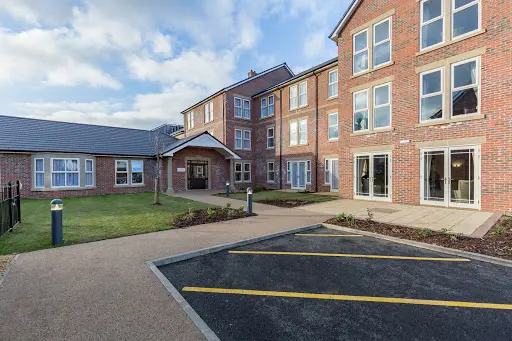
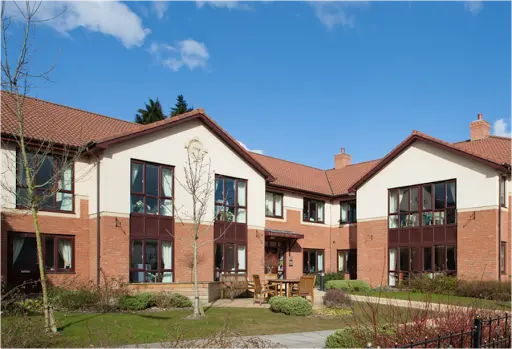
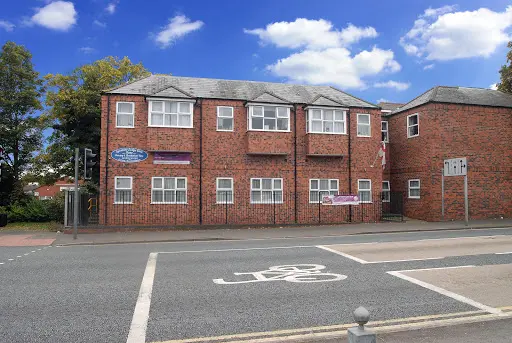
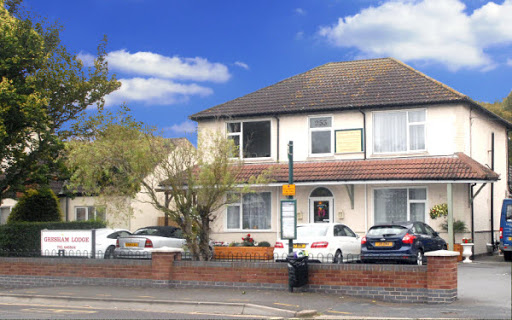
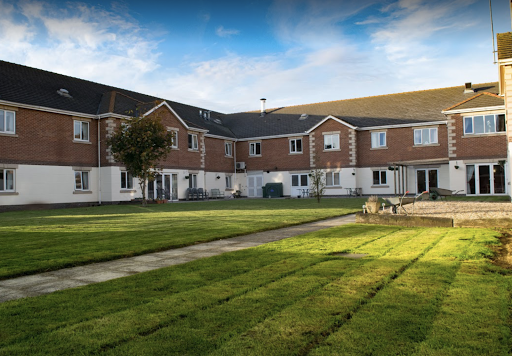
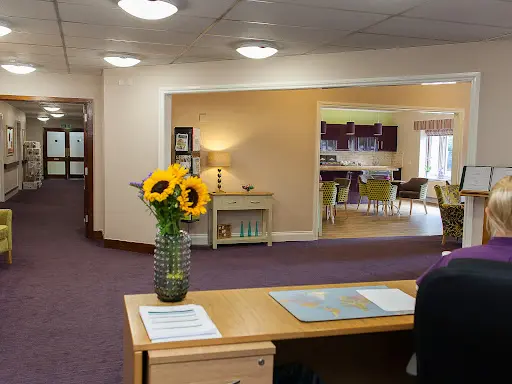
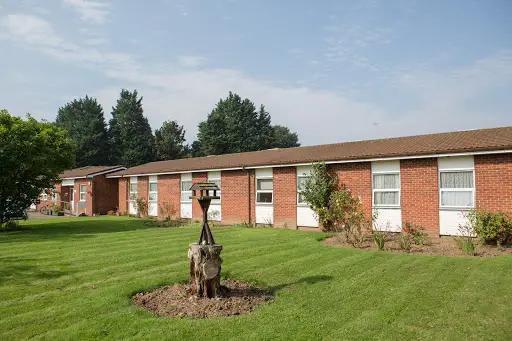
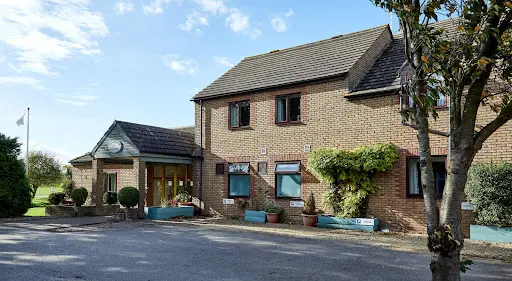
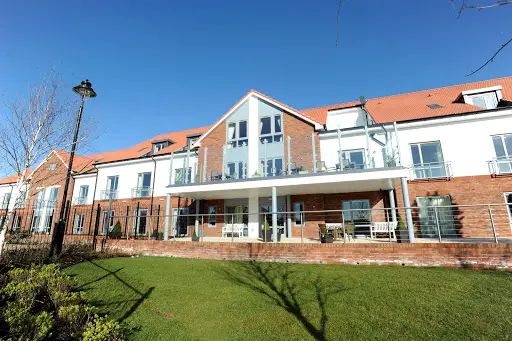
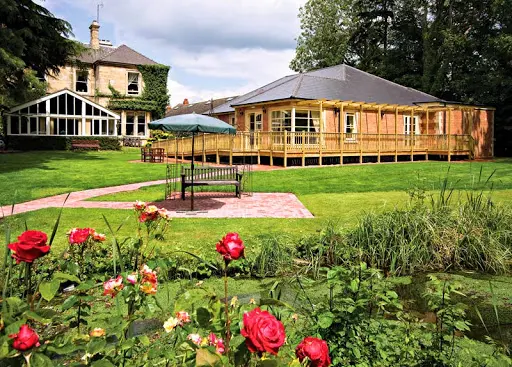
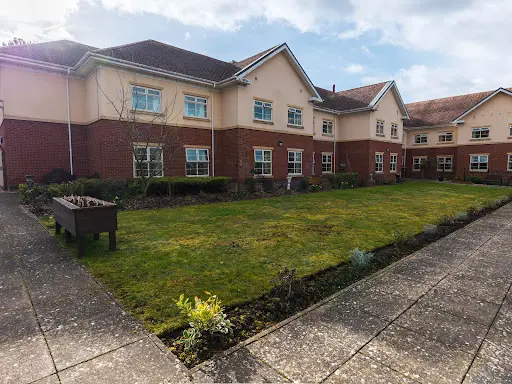
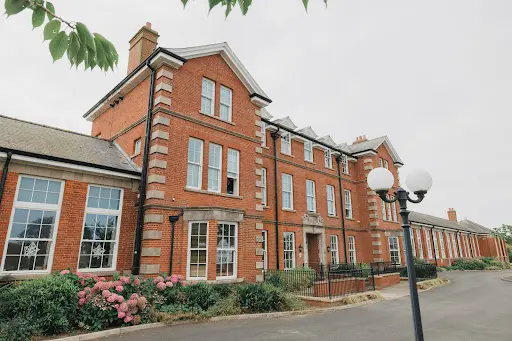
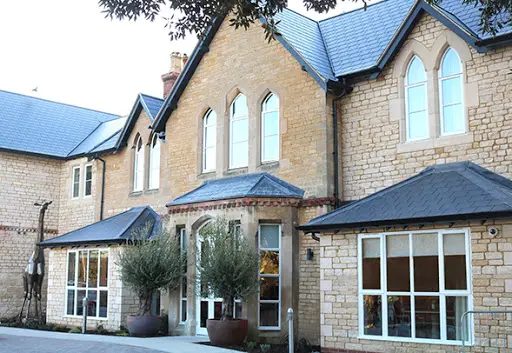
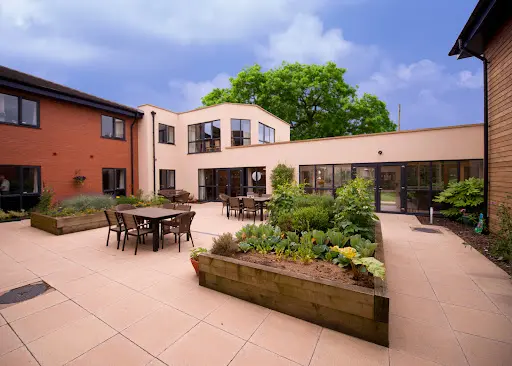
The food gets mixed feedback — several people have enjoyed the meals, while others haven't been as satisfied. The building itself is being actively maintained, with renovations keeping rooms in good condition.
“Every family's experience is unique, so visiting Randolph House yourself will give you the clearest picture of whether it's right for your loved one.”
DCC does not edit or curate content in this tab. For independently curated information, see The Evidence and DCC Verdict.