Parker Meadows Care Home – Care UK
At a Glance
The information you need to decide whether this home warrants a closer look.
Nursing homes
Staff warmth score
of reviewers answered yes
Good to know
- Registered beds89
- SpecialismsCaring for adults over 65 yrs, Caring for adults under 65 yrs, Dementia, Physical disabilities, Sensory impairment
- Last inspected2023-01-17
Save Parker Meadows Care Home – Care UK to your shortlist
Keep a running list, add visit notes, and compare homes side-by-side. Free account — it takes a minute.
STAGE 4 — RESEARCHING CARE HOMES
Visit homes. Compare them side by side. Choose with confidence.
Most of us will view care homes the way we view houses, impression, atmosphere, the feeling in the corridor. We go home, try to remember what we saw, and make a permanent decision from a blurred memory.

The DCC shortlist gives every home you visit a structured record: the same twelve questions, answered the same way, every time. When you’re ready to choose, pull any two homes side by side and compare them directly. Same criteria, same evidence, your notes and your scores.
The Evidence
What the review data, the inspection reports, and the dementia-care evidence base tell us about this home.
What families say
The atmosphere here strikes visitors immediately — warm and comfortable rather than institutional. Families talk about feeling genuinely welcomed, with staff who remember them and ask after their wellbeing too. It's the kind of environment where residents seem settled and visitors feel they can relax during what are often difficult visits.
The eight family priority themes
- Staff warmth55
- Compassion & dignity55
- Cleanliness55
- Activities & engagement50
- Food quality50
- Healthcare55
- Management & leadership60
- Resident happiness55
What inspectors found
Inspected 2023-01-17
Is this home safe?
Is the care effective?
The Effective domain was rated Good at the December 2022 inspection. This domain covers training, care planning, healthcare access, nutrition, and how well the home understands and meets individual needs. Dementia care is a stated specialism of the home. No specific detail about training content, care plan quality, GP access frequency, or food provision appears in the published summary.Is this home caring?
The Caring domain was rated Good at the December 2022 inspection. This domain covers staff warmth, dignity, respect for privacy, and support for independence. Staff warmth is the most important factor in family satisfaction across our review data, cited in 57.3% of positive reviews. No specific observations about how staff interacted with residents, whether residents were addressed by preferred names, or whether people appeared settled and content are recorded in the published summary.Is the home responsive?
The Responsive domain was rated Good at the December 2022 inspection. This domain covers how well the home responds to individual needs, including activities, engagement, complaints handling, and end-of-life care. Parker Meadows is registered for adults with dementia, physical disabilities, and sensory impairment across two age groups (over and under 65), which means the activity offer needs to be broad and individually tailored. No specific examples of activities, engagement approaches, or complaint outcomes appear in the published summary.Is the home well-led?
The Well-led domain was rated Good at the December 2022 inspection. A named registered manager, Mr Lukasz Mikolaj Irzabek, is in post, along with a nominated individual, Ms Rachel Louise Harvey. The home is operated by WT UK Opco 4 Limited. No specific detail about management visibility, staff culture, governance processes, or how the home responds to complaints and incidents is recorded in the published summary.
Source: CQC inspection report →
What the evidence base says
The home supports people with dementia, physical disabilities and sensory impairments, welcoming both younger adults and those over 65. Families whose relatives live with dementia speak with particular confidence about the care here. Staff demonstrate real understanding of how to support people as cognitive abilities change, maintaining dignity while adapting their approach to each person's needs. All areas worth probing directly during a visit.
The DCC Verdict
Our editorial view, built from the three lenses: what families tell us, what inspectors record, and how the home sits against good dementia-care practice.
DCC Family Score
Parker Meadows holds a Good rating across all five inspection domains, which is a solid foundation, but the published report contains very little specific detail, observed examples, or resident testimony to support higher scores in any theme.
Homes in South East typically score 68–82.The three-lens summary
What families tell us
The atmosphere here strikes visitors immediately — warm and comfortable rather than institutional. Families talk about feeling genuinely welcomed, with staff who remember them and ask after their wellbeing too. It's the kind of environment where residents seem settled and visitors feel they can relax during what are often difficult visits.
What inspectors have recorded
Staff here show the kind of attentiveness that matters most to families — they're present, they notice changes, and they communicate openly. During challenging times, particularly as conditions progress, families describe feeling supported by the whole team. There has been a concerning report about tensions within the staff team that management should address, though most families report positive interactions with carers who seem genuinely invested in their work.
How it sits against good practice
Sometimes the smallest gestures — a carer sitting for a chat, remembering a family member's name — make the biggest difference in residential care.
Worth a visit
Parker Meadows in Fareham was inspected on 6 December 2022 and rated Good across all five domains: Safe, Effective, Caring, Responsive, and Well-led. The home is registered for 89 beds and has a stated specialism in dementia, physical disabilities, and sensory impairment. A named registered manager and nominated individual are in post, which is a positive structural sign. The main limitation of this report is that the published summary contains almost no specific detail, direct observations, resident testimony, or family quotes to support the Good ratings. A Good rating is meaningful and should not be dismissed, but it tells you that the home met the required standard at the time of inspection, not how it feels day to day. On your visit, ask the manager to show you last week's actual staffing rota (including night shifts and agency names), ask how dementia training is delivered and when staff last completed it, and observe whether staff greet your parent by name and move without hurry.
The three questions to ask when you visitSave this home. Compare it against your shortlist.
Let our analysis show you how Parker Meadows Care Home – Care UK measures up against the other homes you’re considering. Free account.
In Their Own Words
How Parker Meadows Care Home – Care UK describes itself — collected from its own website. DCC has not edited or independently verified the content in this tab.
Where families find reassurance through genuine daily connections
Dedicated nursing home Support in Fareham
When dementia enters your family's story, you need more than clinical excellence — you need people who truly see your loved one. Parker Meadows in Fareham has built its reputation on staff who engage with residents throughout the day, not just during scheduled care times. Families describe walking in to find their relatives chatting with carers, enjoying activities, or simply being kept company.
Who they care for
The home supports people with dementia, physical disabilities and sensory impairments, welcoming both younger adults and those over 65.
Families whose relatives live with dementia speak with particular confidence about the care here. Staff demonstrate real understanding of how to support people as cognitive abilities change, maintaining dignity while adapting their approach to each person's needs.
“Sometimes the smallest gestures — a carer sitting for a chat, remembering a family member's name — make the biggest difference in residential care.”
DCC does not edit or curate content in this tab. For independently curated information, see The Evidence and DCC Verdict.
The DCC Verdict
Our editorial view, built from the three lenses: what families tell us, what inspectors record, and how the home sits against good dementia-care practice.
DCC Family Score
Parker Meadows holds a Good rating across all five inspection domains, which is a solid foundation, but the published report contains very little specific detail, observed examples, or resident testimony to support higher scores in any theme.
Homes in South East typically score 68–82.The three-lens summary
What families tell us
The atmosphere here strikes visitors immediately — warm and comfortable rather than institutional. Families talk about feeling genuinely welcomed, with staff who remember them and ask after their wellbeing too. It's the kind of environment where residents seem settled and visitors feel they can relax during what are often difficult visits.
What inspectors have recorded
Staff here show the kind of attentiveness that matters most to families — they're present, they notice changes, and they communicate openly. During challenging times, particularly as conditions progress, families describe feeling supported by the whole team. There has been a concerning report about tensions within the staff team that management should address, though most families report positive interactions with carers who seem genuinely invested in their work.
How it sits against good practice
Sometimes the smallest gestures — a carer sitting for a chat, remembering a family member's name — make the biggest difference in residential care.
Worth a visit
Parker Meadows in Fareham was inspected on 6 December 2022 and rated Good across all five domains: Safe, Effective, Caring, Responsive, and Well-led. The home is registered for 89 beds and has a stated specialism in dementia, physical disabilities, and sensory impairment. A named registered manager and nominated individual are in post, which is a positive structural sign. The main limitation of this report is that the published summary contains almost no specific detail, direct observations, resident testimony, or family quotes to support the Good ratings. A Good rating is meaningful and should not be dismissed, but it tells you that the home met the required standard at the time of inspection, not how it feels day to day. On your visit, ask the manager to show you last week's actual staffing rota (including night shifts and agency names), ask how dementia training is delivered and when staff last completed it, and observe whether staff greet your parent by name and move without hurry.
The three questions to ask when you visitSave this home. Compare it against your shortlist.
Let our analysis show you how Parker Meadows Care Home – Care UK measures up against the other homes you’re considering. Free account.
In Their Own Words
How Parker Meadows Care Home – Care UK describes itself — collected from its own website. DCC has not edited or independently verified the content in this tab.
Where families find reassurance through genuine daily connections
Dedicated nursing home Support in Fareham
When dementia enters your family's story, you need more than clinical excellence — you need people who truly see your loved one. Parker Meadows in Fareham has built its reputation on staff who engage with residents throughout the day, not just during scheduled care times. Families describe walking in to find their relatives chatting with carers, enjoying activities, or simply being kept company.
Who they care for
The home supports people with dementia, physical disabilities and sensory impairments, welcoming both younger adults and those over 65.
Families whose relatives live with dementia speak with particular confidence about the care here. Staff demonstrate real understanding of how to support people as cognitive abilities change, maintaining dignity while adapting their approach to each person's needs.
Management & ethos
Staff here show the kind of attentiveness that matters most to families — they're present, they notice changes, and they communicate openly. During challenging times, particularly as conditions progress, families describe feeling supported by the whole team. There has been a concerning report about tensions within the staff team that management should address, though most families report positive interactions with carers who seem genuinely invested in their work.
The home & environment
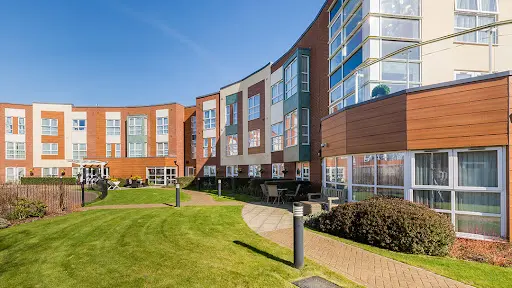
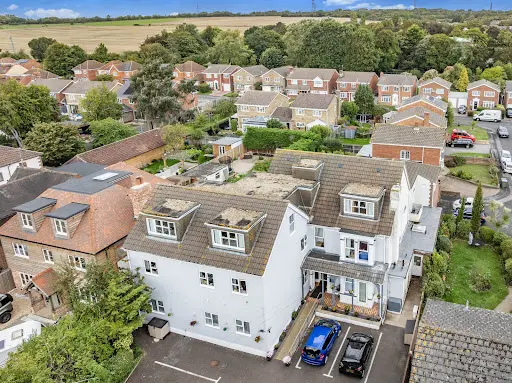
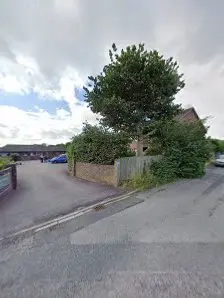
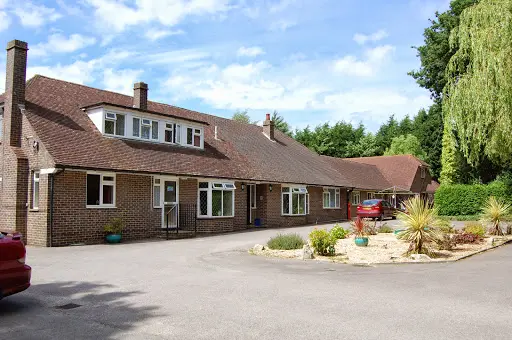
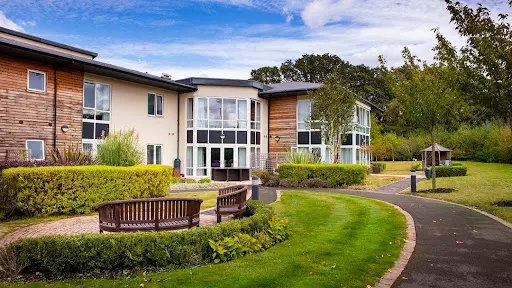
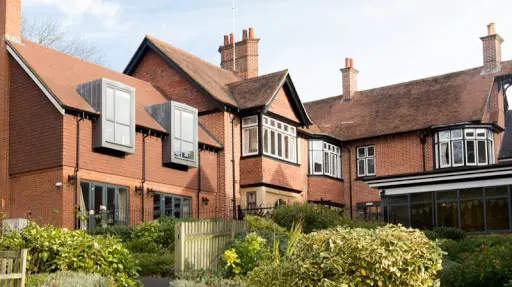
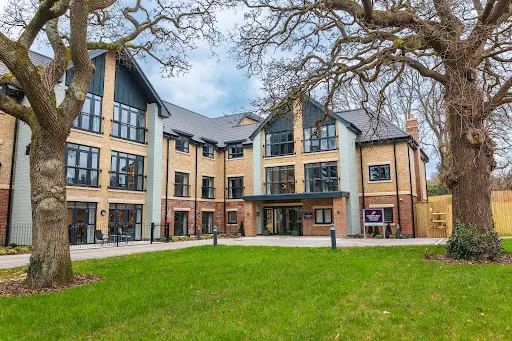
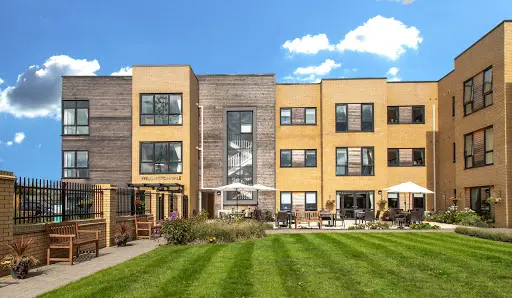
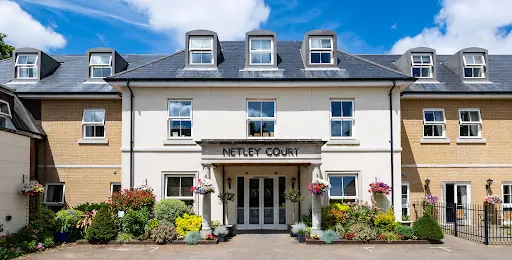
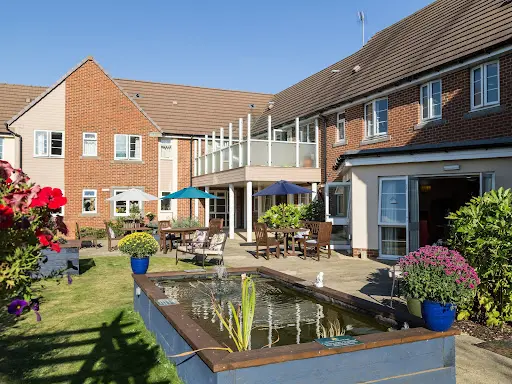
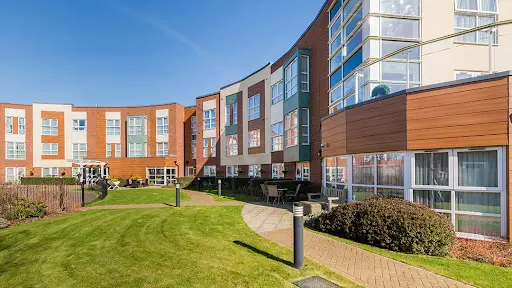
While the building itself gets mixed reactions — some find it bright and well-maintained, others less so — families consistently mention finding their relatives engaged in the communal areas. Live entertainment brings energy to the home, with residents gathering to enjoy performances together.
“Sometimes the smallest gestures — a carer sitting for a chat, remembering a family member's name — make the biggest difference in residential care.”
DCC does not edit or curate content in this tab. For independently curated information, see The Evidence and DCC Verdict.