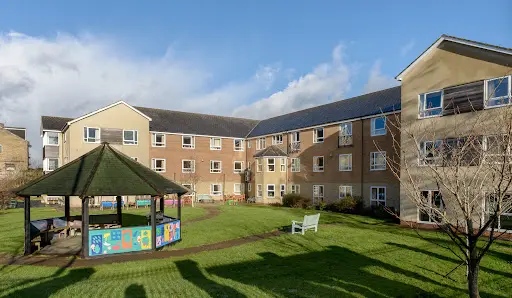
Paddock Lodge

At a Glance
The information you need to decide whether this home warrants a closer look.
Residential homes
Staff warmth score
of reviewers answered yes
Good to know
- Registered beds24
- SpecialismsCaring for adults over 65 yrs, Caring for adults under 65 yrs, Dementia, Physical disabilities
- Last inspected2023-08-19
Save Paddock Lodge to your shortlist
Keep a running list, add visit notes, and compare homes side-by-side. Free account — it takes a minute.
STAGE 4 — RESEARCHING CARE HOMES
Visit homes. Compare them side by side. Choose with confidence.
Most of us will view care homes the way we view houses, impression, atmosphere, the feeling in the corridor. We go home, try to remember what we saw, and make a permanent decision from a blurred memory.

The DCC shortlist gives every home you visit a structured record: the same twelve questions, answered the same way, every time. When you’re ready to choose, pull any two homes side by side and compare them directly. Same criteria, same evidence, your notes and your scores.
The Evidence
What the review data, the inspection reports, and the dementia-care evidence base tell us about this home.
What families say
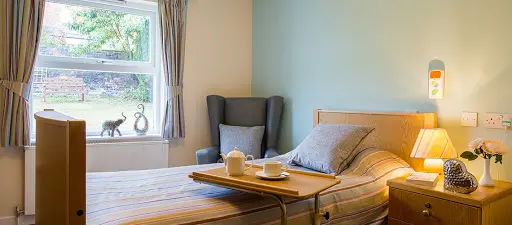
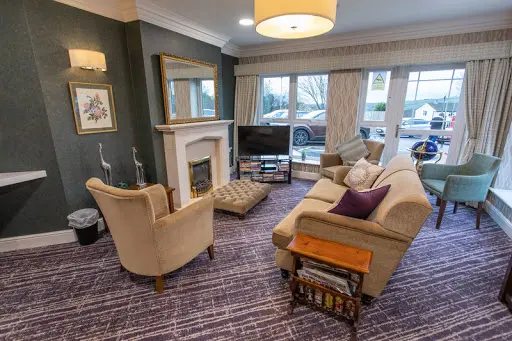
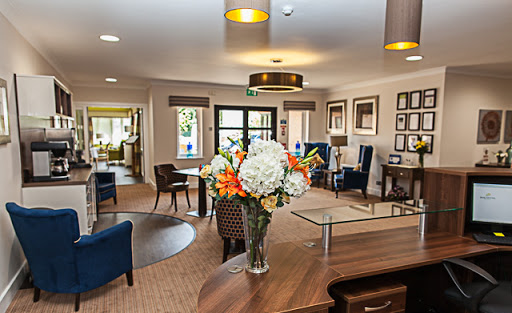
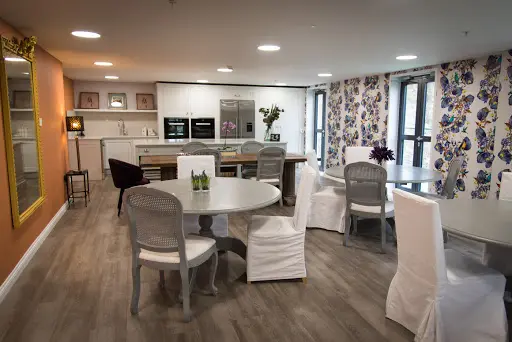
Families often mention how the colourful, friendly environment helps residents settle in — especially those who worried about institutional settings. Staff take time to learn what matters to each person, whether that's keeping up with personal grooming routines or making sure favourite snacks are always available.
The eight family priority themes
- Staff warmth72
- Compassion & dignity74
- Cleanliness65
- Activities & engagement62
- Food quality60
- Healthcare58
- Management & leadership74
- Resident happiness68
What inspectors found
Inspected 2023-08-19
Is this home safe?
Is the care effective?
The Effective domain was rated Good. This domain covers training, care planning, healthcare access, and nutrition. The home lists dementia as a specialism alongside physical disabilities, and the published rating suggests inspectors were broadly satisfied with how care is planned and delivered. However, the published summary does not include any specific examples of care plan content, dementia training programmes, GP access arrangements, or how the home monitors changes in health. The detail that would let you fully evaluate this domain is not available in the published findings.Is this home caring?
The Caring domain was rated Good. This covers staff warmth, dignity, respect, and how well staff know the individuals they support. A Good rating here means inspectors were satisfied that people were being treated with kindness and respect during their visit. The published summary does not include any direct quotes from residents or relatives, nor specific observations such as staff using preferred names, knocking before entering rooms, or responding to distress. The evidence base for this rating is not visible in what has been published.Is the home responsive?
The Responsive domain was rated Good. This domain covers activities, individual engagement, and how well the home responds to each person's preferences and changing needs. The home supports people with dementia and physical disabilities, where tailored activity and meaningful occupation are particularly important. The published summary does not include specific examples of activity programmes, individual plans, or how the home supports people who cannot participate in group activities. What the Good rating tells us is that inspectors were satisfied with the broad approach, but the detail is not available in the published findings.Is the home well-led?
The Well-led domain was rated Good. The home is operated by Paddock Lodge Care Home Limited, with Ms Mandy Dhaliwal named as the Nominated Individual. A Good Well-led rating means inspectors found evidence of adequate governance, staff support, and management oversight. Achieving this rating alongside the overall improvement from Requires Improvement to Good suggests that leadership has been active in driving change. As with the other domains, the published summary does not include specific observations about management visibility, staff culture, or how the home handles complaints and learning from incidents.
Source: CQC inspection report →
What the evidence base says
The home welcomes adults under and over 65 with physical disabilities, alongside those living with dementia. They also provide short-term respite care, including post-operative recovery support. For residents with dementia, the staff's patient, caring approach helps create stability in daily routines. The friendly atmosphere and attention to familiar comforts can make a real difference in maintaining wellbeing. All areas worth probing directly during a visit.
The DCC Verdict
Our editorial view, built from the three lenses: what families tell us, what inspectors record, and how the home sits against good dementia-care practice.
DCC Family Score
Paddock Lodge scores 72 out of 100, reflecting a genuine improvement from a previous Requires Improvement rating, with good evidence across caring, responsiveness, and leadership. The Safe domain still requires improvement, which pulls the overall picture down and means there are specific questions you need to ask before deciding.
Homes in Yorkshire & Humberside typically score 68–82.The three-lens summary
What families tell us
Families often mention how the colourful, friendly environment helps residents settle in — especially those who worried about institutional settings. Staff take time to learn what matters to each person, whether that's keeping up with personal grooming routines or making sure favourite snacks are always available.
What inspectors have recorded
Care staff are consistently described as warm and emotionally supportive, providing reassurance during difficult transitions and respite stays. The team pays particular attention to the details that maintain dignity — from coordinating outfits to regular hair and nail care.
How it sits against good practice
Sometimes it's the small touches — a well-timed cup of tea or remembering someone's favourite jewellery — that show you've found the right place.
Worth a visit
Paddock Lodge Care Home on Church Street, Huddersfield was rated Good overall at its most recent inspection in July 2023, an improvement on a previous Requires Improvement rating. The home supports 24 people, including those living with dementia and physical disabilities, and achieved Good ratings in four of the five assessed domains: Effective, Caring, Responsive, and Well-led. That upward trajectory is a meaningful positive signal, because homes that have recently improved tend to have active leadership working to embed better practice. The important caveat is that the Safe domain was still rated Requires Improvement at this inspection. The published report does not contain enough specific detail to tell you exactly what the concerns were or how far they have been resolved, so your visit needs to fill those gaps. Ask the manager directly what the Safe rating related to, what has changed since July 2023, and whether there has been a follow-up inspection. On the day, count the staff you can see in communal areas, ask about overnight staffing numbers for 24 residents, and ask what proportion of last month's shifts were covered by agency rather than permanent staff.
The three questions to ask when you visitSave this home. Compare it against your shortlist.
Let our analysis show you how Paddock Lodge measures up against the other homes you’re considering. Free account.
In Their Own Words
How Paddock Lodge describes itself — collected from its own website. DCC has not edited or independently verified the content in this tab.
Where dedicated staff make all the difference to daily life
Paddock Lodge Care Home – Expert Care in Huddersfield
When you're looking for care in Huddersfield, you want somewhere that feels welcoming from the moment you walk through the door. Paddock Lodge Care Home creates that warm atmosphere through its committed staff, who families describe as genuinely invested in each resident's wellbeing. The home supports adults of all ages with physical disabilities and dementia, bringing real personality to everyday care.
Who they care for
The home welcomes adults under and over 65 with physical disabilities, alongside those living with dementia. They also provide short-term respite care, including post-operative recovery support.
For residents with dementia, the staff's patient, caring approach helps create stability in daily routines. The friendly atmosphere and attention to familiar comforts can make a real difference in maintaining wellbeing.
“Sometimes it's the small touches — a well-timed cup of tea or remembering someone's favourite jewellery — that show you've found the right place.”
DCC does not edit or curate content in this tab. For independently curated information, see The Evidence and DCC Verdict.
The DCC Verdict
Our editorial view, built from the three lenses: what families tell us, what inspectors record, and how the home sits against good dementia-care practice.
DCC Family Score
Paddock Lodge scores 72 out of 100, reflecting a genuine improvement from a previous Requires Improvement rating, with good evidence across caring, responsiveness, and leadership. The Safe domain still requires improvement, which pulls the overall picture down and means there are specific questions you need to ask before deciding.
Homes in Yorkshire & Humberside typically score 68–82.The three-lens summary
What families tell us
Families often mention how the colourful, friendly environment helps residents settle in — especially those who worried about institutional settings. Staff take time to learn what matters to each person, whether that's keeping up with personal grooming routines or making sure favourite snacks are always available.
What inspectors have recorded
Care staff are consistently described as warm and emotionally supportive, providing reassurance during difficult transitions and respite stays. The team pays particular attention to the details that maintain dignity — from coordinating outfits to regular hair and nail care.
How it sits against good practice
Sometimes it's the small touches — a well-timed cup of tea or remembering someone's favourite jewellery — that show you've found the right place.
Worth a visit
Paddock Lodge Care Home on Church Street, Huddersfield was rated Good overall at its most recent inspection in July 2023, an improvement on a previous Requires Improvement rating. The home supports 24 people, including those living with dementia and physical disabilities, and achieved Good ratings in four of the five assessed domains: Effective, Caring, Responsive, and Well-led. That upward trajectory is a meaningful positive signal, because homes that have recently improved tend to have active leadership working to embed better practice. The important caveat is that the Safe domain was still rated Requires Improvement at this inspection. The published report does not contain enough specific detail to tell you exactly what the concerns were or how far they have been resolved, so your visit needs to fill those gaps. Ask the manager directly what the Safe rating related to, what has changed since July 2023, and whether there has been a follow-up inspection. On the day, count the staff you can see in communal areas, ask about overnight staffing numbers for 24 residents, and ask what proportion of last month's shifts were covered by agency rather than permanent staff.
The three questions to ask when you visitSave this home. Compare it against your shortlist.
Let our analysis show you how Paddock Lodge measures up against the other homes you’re considering. Free account.
In Their Own Words
How Paddock Lodge describes itself — collected from its own website. DCC has not edited or independently verified the content in this tab.
Where dedicated staff make all the difference to daily life
Paddock Lodge Care Home – Expert Care in Huddersfield
When you're looking for care in Huddersfield, you want somewhere that feels welcoming from the moment you walk through the door. Paddock Lodge Care Home creates that warm atmosphere through its committed staff, who families describe as genuinely invested in each resident's wellbeing. The home supports adults of all ages with physical disabilities and dementia, bringing real personality to everyday care.
Who they care for
The home welcomes adults under and over 65 with physical disabilities, alongside those living with dementia. They also provide short-term respite care, including post-operative recovery support.
For residents with dementia, the staff's patient, caring approach helps create stability in daily routines. The friendly atmosphere and attention to familiar comforts can make a real difference in maintaining wellbeing.
Management & ethos
Care staff are consistently described as warm and emotionally supportive, providing reassurance during difficult transitions and respite stays. The team pays particular attention to the details that maintain dignity — from coordinating outfits to regular hair and nail care.
The home & environment
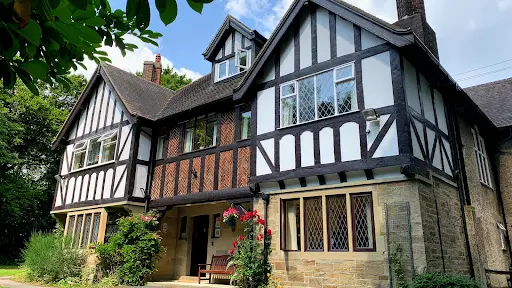
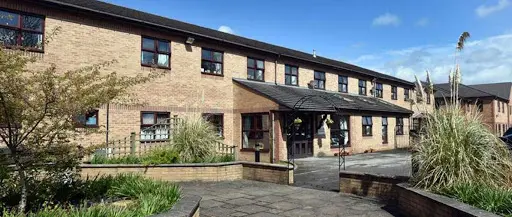
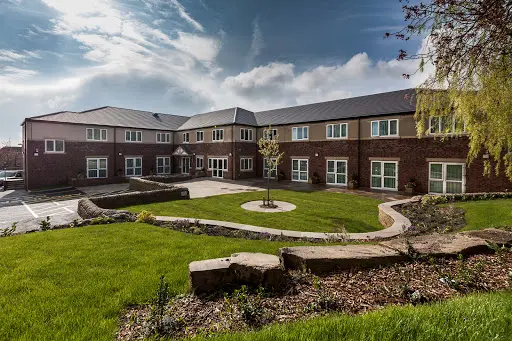
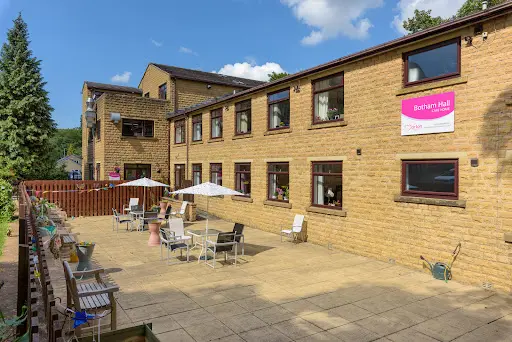
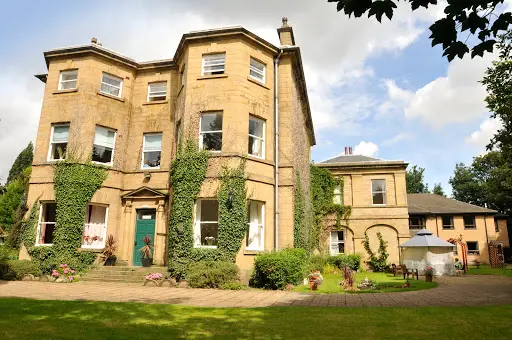
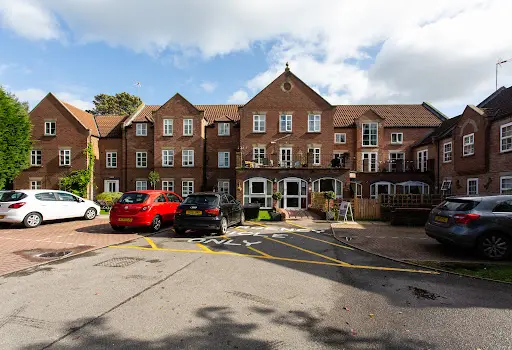
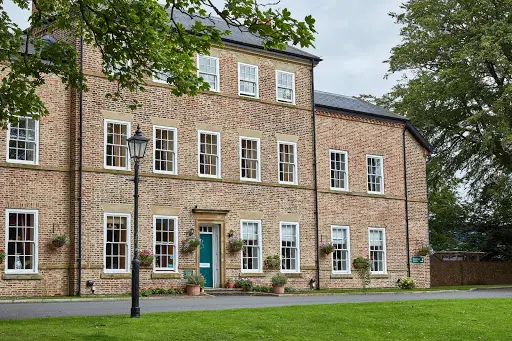
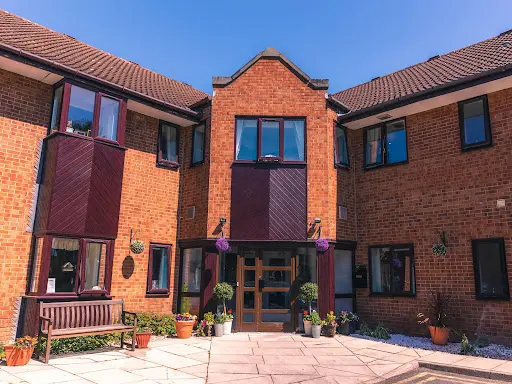
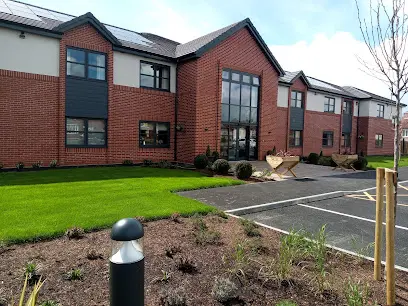
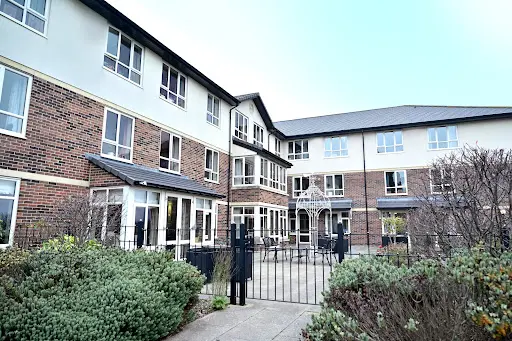
The kitchen team works hard to support residents' appetites and nutrition, with varied meals that families say have helped improve health outcomes. While the building itself might not be the newest, the attractive grounds offer pleasant outdoor spaces when the weather's nice.
“Sometimes it's the small touches — a well-timed cup of tea or remembering someone's favourite jewellery — that show you've found the right place.”
DCC does not edit or curate content in this tab. For independently curated information, see The Evidence and DCC Verdict.