Norbury Hall Care Home
At a Glance
The information you need to decide whether this home warrants a closer look.
Residential homes
Staff warmth score
of reviewers answered yes
Good to know
- Registered beds81
- SpecialismsCaring for adults over 65 yrs, Dementia, Learning disabilities, Mental health conditions, Physical disabilities, Sensory impairment
- Last inspected2022-06-24
Save Norbury Hall Care Home to your shortlist
Keep a running list, add visit notes, and compare homes side-by-side. Free account — it takes a minute.
STAGE 4 — RESEARCHING CARE HOMES
Visit homes. Compare them side by side. Choose with confidence.
Most of us will view care homes the way we view houses, impression, atmosphere, the feeling in the corridor. We go home, try to remember what we saw, and make a permanent decision from a blurred memory.

The DCC shortlist gives every home you visit a structured record: the same twelve questions, answered the same way, every time. When you’re ready to choose, pull any two homes side by side and compare them directly. Same criteria, same evidence, your notes and your scores.
The Evidence
What the review data, the inspection reports, and the dementia-care evidence base tell us about this home.
What families say
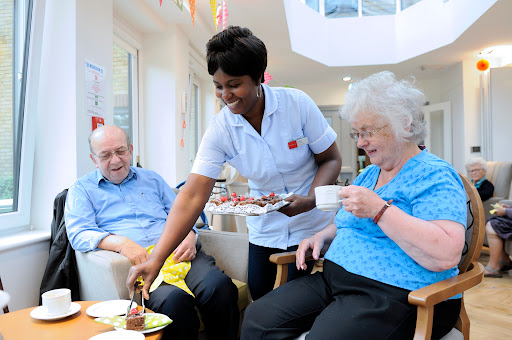
Some families describe finding the staff approachable and friendly when they visit, with team members taking time to chat during different times of day. The activity programme appears to be a particular strength, with residents enjoying trips to the park and visits from therapy dogs.
The eight family priority themes
- Staff warmth72
- Compassion & dignity72
- Cleanliness68
- Activities & engagement60
- Food quality60
- Healthcare68
- Management & leadership70
- Resident happiness68
What inspectors found
Inspected 2022-06-24
Is this home safe?
Is the care effective?
Norbury Hall was rated Good for effectiveness at its May 2022 inspection. The home is registered to care for adults with dementia, learning disabilities, mental health conditions, physical disabilities, and sensory impairments, which implies a broad training requirement for staff. The published inspection summary does not describe specific findings about care plan quality, GP access, medicines administration, or dementia training content. The Good rating suggests these areas met the standard expected by inspectors at the time of the visit.Is this home caring?
Norbury Hall was rated Good for caring at its May 2022 inspection. The published report does not include specific observations of staff interactions, quotes from residents about feeling respected, or examples of dignity being upheld in practice. The Good rating indicates inspectors were satisfied that the care culture met the standard. The home's previous Requires Improvement rating and subsequent improvement suggests active attention to how care is delivered, though the specifics are not described in the published summary.Is the home responsive?
Norbury Hall was rated Good for responsiveness at its May 2022 inspection. The home is registered to support adults with a wide range of needs including dementia, learning disabilities, and sensory impairment, which implies an expectation of individually tailored care. The published inspection summary does not describe specific activities, examples of person-centred responses to individual needs, or how the home supports residents who cannot participate in group activities. The Good rating indicates inspectors were satisfied with the home's responsiveness at the time of inspection.Is the home well-led?
Norbury Hall was rated Good for leadership at its May 2022 inspection. The home has two registered managers: Mr Vijay Kumar Dhir, who is also the nominated individual for the provider, and Mr Abein Rajan. The dual manager structure could provide continuity of leadership, but it also raises a practical question about who is present day to day and who staff and residents know as their point of contact. The home's improvement from Requires Improvement suggests leadership was effective in addressing whatever shortfalls had been identified. The published summary does not describe the culture, governance arrangements, or how the management team involves staff and families.
Source: CQC inspection report →
What the evidence base says
The home cares for adults over 65 with various needs including sensory impairments, physical disabilities, and learning disabilities. They also support residents with mental health conditions. Norbury Hall includes dementia among its specialisms, providing residential care for people at different stages of their dementia journey. All areas worth probing directly during a visit.
The DCC Verdict
Our editorial view, built from the three lenses: what families tell us, what inspectors record, and how the home sits against good dementia-care practice.
DCC Family Score
Norbury Hall has improved from Requires Improvement to Good across all five domains, which is a meaningful and encouraging step. However, the published inspection text provides limited specific detail, so scores reflect a cautious Good rather than a confirmed strong Good.
Homes in London typically score 68–82.The three-lens summary
What families tell us
Some families describe finding the staff approachable and friendly when they visit, with team members taking time to chat during different times of day. The activity programme appears to be a particular strength, with residents enjoying trips to the park and visits from therapy dogs.
What inspectors have recorded
Family members have noted that management stays in touch during hospital admissions and helps coordinate care transitions. Some relatives report finding the team responsive to their questions, though others have raised concerns about record-keeping and communication during critical care periods.
How it sits against good practice
With such varied feedback from families, visiting Norbury Hall yourself will help you understand whether their approach would suit your loved one's specific needs.
Worth a visit
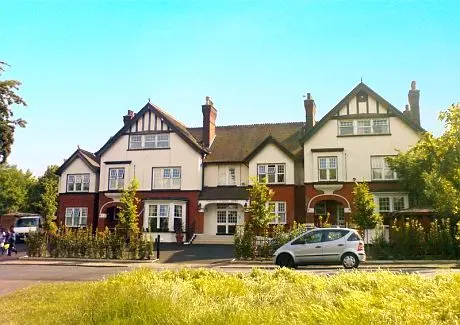
Norbury Hall, at 55 Craignish Avenue in Norbury, was rated Good at its most recent inspection in May 2022, with all five domains, Safe, Effective, Caring, Responsive, and Well-led, receiving a Good rating. Crucially, this represents a genuine improvement from a previous Requires Improvement rating, meaning inspectors found the home had addressed earlier concerns. A monitoring review in July 2023 found no evidence requiring a reassessment of that rating. The main caution for families is that the published inspection text is brief and does not include specific observations, quotes from residents or relatives, or detailed findings in any domain. A Good rating is reassuring, but the limited detail makes it difficult to say with confidence what daily life looks like for your parent here. The home cares for a wide range of people including those living with dementia, learning disabilities, and mental health conditions, so it is worth asking specifically how staff are trained for whichever needs matter most for your mum or dad. Before deciding, visit in person and ask to see the staffing rota for the past week, including nights.
The three questions to ask when you visitSave this home. Compare it against your shortlist.
Let our analysis show you how Norbury Hall Care Home measures up against the other homes you’re considering. Free account.
In Their Own Words
How Norbury Hall Care Home describes itself — collected from its own website. DCC has not edited or independently verified the content in this tab.
Traditional London care with activities and outdoor spaces for older residents
Dedicated residential home Support in London
Norbury Hall in London provides residential care for older adults, including those living with dementia, learning disabilities, and mental health conditions. The care home offers structured activity programmes and access to outdoor spaces, with several families noting the regular schedule of events and outings that help residents stay engaged.
Who they care for
The home cares for adults over 65 with various needs including sensory impairments, physical disabilities, and learning disabilities. They also support residents with mental health conditions.
Norbury Hall includes dementia among its specialisms, providing residential care for people at different stages of their dementia journey.
“With such varied feedback from families, visiting Norbury Hall yourself will help you understand whether their approach would suit your loved one's specific needs.”
DCC does not edit or curate content in this tab. For independently curated information, see The Evidence and DCC Verdict.
The DCC Verdict
Our editorial view, built from the three lenses: what families tell us, what inspectors record, and how the home sits against good dementia-care practice.
DCC Family Score
Norbury Hall has improved from Requires Improvement to Good across all five domains, which is a meaningful and encouraging step. However, the published inspection text provides limited specific detail, so scores reflect a cautious Good rather than a confirmed strong Good.
Homes in London typically score 68–82.The three-lens summary
What families tell us
Some families describe finding the staff approachable and friendly when they visit, with team members taking time to chat during different times of day. The activity programme appears to be a particular strength, with residents enjoying trips to the park and visits from therapy dogs.
What inspectors have recorded
Family members have noted that management stays in touch during hospital admissions and helps coordinate care transitions. Some relatives report finding the team responsive to their questions, though others have raised concerns about record-keeping and communication during critical care periods.
How it sits against good practice
With such varied feedback from families, visiting Norbury Hall yourself will help you understand whether their approach would suit your loved one's specific needs.
Worth a visit
Norbury Hall, at 55 Craignish Avenue in Norbury, was rated Good at its most recent inspection in May 2022, with all five domains, Safe, Effective, Caring, Responsive, and Well-led, receiving a Good rating. Crucially, this represents a genuine improvement from a previous Requires Improvement rating, meaning inspectors found the home had addressed earlier concerns. A monitoring review in July 2023 found no evidence requiring a reassessment of that rating. The main caution for families is that the published inspection text is brief and does not include specific observations, quotes from residents or relatives, or detailed findings in any domain. A Good rating is reassuring, but the limited detail makes it difficult to say with confidence what daily life looks like for your parent here. The home cares for a wide range of people including those living with dementia, learning disabilities, and mental health conditions, so it is worth asking specifically how staff are trained for whichever needs matter most for your mum or dad. Before deciding, visit in person and ask to see the staffing rota for the past week, including nights.
The three questions to ask when you visitSave this home. Compare it against your shortlist.
Let our analysis show you how Norbury Hall Care Home measures up against the other homes you’re considering. Free account.
In Their Own Words
How Norbury Hall Care Home describes itself — collected from its own website. DCC has not edited or independently verified the content in this tab.
Traditional London care with activities and outdoor spaces for older residents
Dedicated residential home Support in London
Norbury Hall in London provides residential care for older adults, including those living with dementia, learning disabilities, and mental health conditions. The care home offers structured activity programmes and access to outdoor spaces, with several families noting the regular schedule of events and outings that help residents stay engaged.
Who they care for
The home cares for adults over 65 with various needs including sensory impairments, physical disabilities, and learning disabilities. They also support residents with mental health conditions.
Norbury Hall includes dementia among its specialisms, providing residential care for people at different stages of their dementia journey.
Management & ethos
Family members have noted that management stays in touch during hospital admissions and helps coordinate care transitions. Some relatives report finding the team responsive to their questions, though others have raised concerns about record-keeping and communication during critical care periods.
The home & environment
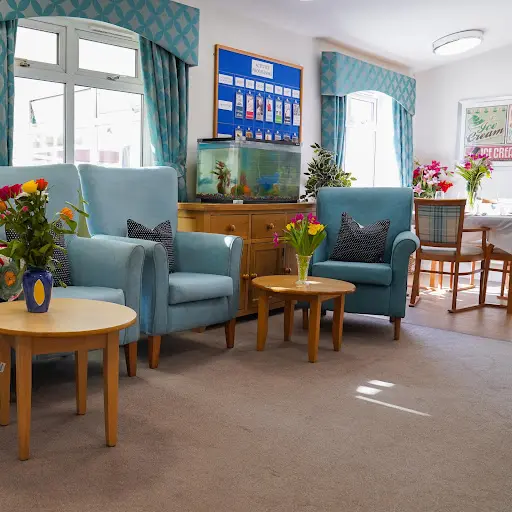
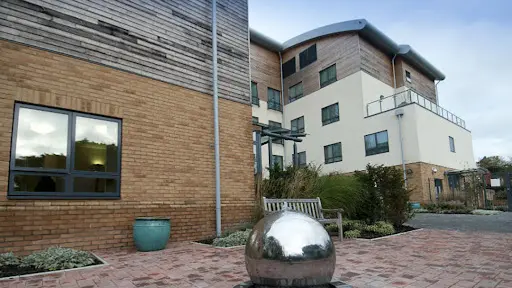
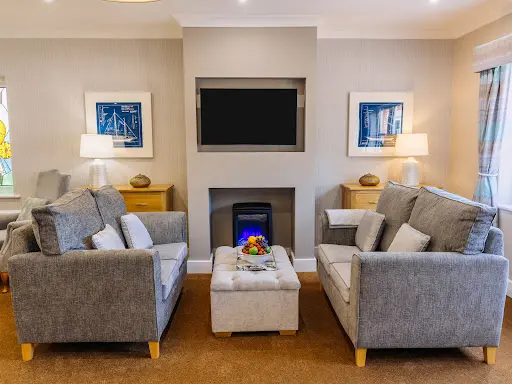
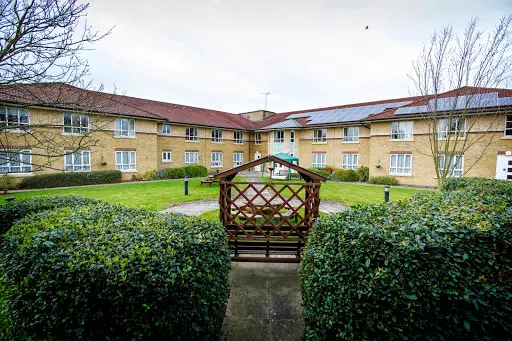
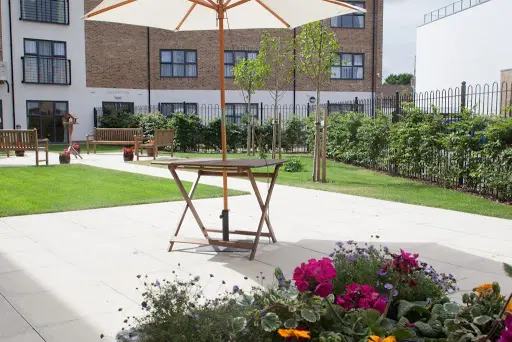
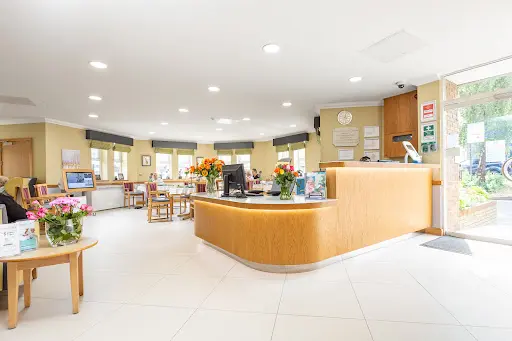
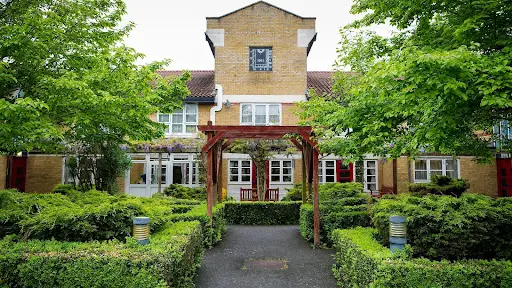
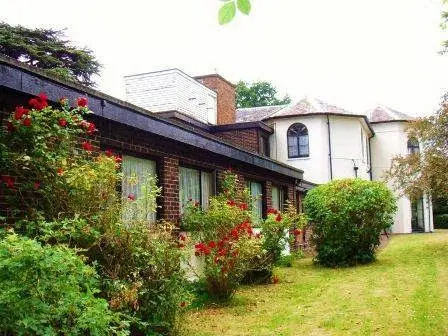
The care home has outdoor grounds that residents can access, and some visitors have commented positively on the cleanliness and homely feel of the communal areas. However, other accounts describe concerns about room conditions and bathroom facilities, suggesting experiences may vary across different parts of the building.
“With such varied feedback from families, visiting Norbury Hall yourself will help you understand whether their approach would suit your loved one's specific needs.”
DCC does not edit or curate content in this tab. For independently curated information, see The Evidence and DCC Verdict.