Langley Oaks Care Home – Care UK

At a Glance
The information you need to decide whether this home warrants a closer look.
Residential homes
Staff warmth score
of reviewers answered yes
Good to know
- Registered beds40
- SpecialismsCaring for adults over 65 yrs, Dementia, Learning disabilities, Mental health conditions, Physical disabilities
- Last inspected2018-01-04
Save Langley Oaks Care Home – Care UK to your shortlist
Keep a running list, add visit notes, and compare homes side-by-side. Free account — it takes a minute.
STAGE 4 — RESEARCHING CARE HOMES
Visit homes. Compare them side by side. Choose with confidence.
Most of us will view care homes the way we view houses, impression, atmosphere, the feeling in the corridor. We go home, try to remember what we saw, and make a permanent decision from a blurred memory.

The DCC shortlist gives every home you visit a structured record: the same twelve questions, answered the same way, every time. When you’re ready to choose, pull any two homes side by side and compare them directly. Same criteria, same evidence, your notes and your scores.
The Evidence
What the review data, the inspection reports, and the dementia-care evidence base tell us about this home.
What families say
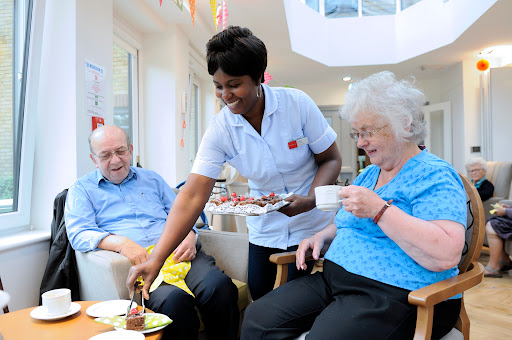
What catches visitors' attention is how the staff interact with residents. Rather than chatting amongst themselves or checking phones, they're engaged — talking with residents, helping with activities, being present. The team has been particularly supportive with families during those difficult first days of moving in.
The eight family priority themes
- Staff warmth65
- Compassion & dignity65
- Cleanliness60
- Activities & engagement55
- Food quality55
- Healthcare55
- Management & leadership65
- Resident happiness60
What inspectors found
Inspected 2018-01-04
Is this home safe?
Is the care effective?
Effective was rated Good at the most recent inspection. The full inspection text was not available, so it is not possible to confirm what specific evidence inspectors used to reach this rating. Effective covers training, care plan quality, healthcare access including GP and specialist referrals, nutrition, and how well the home understands and meets individual needs. A Good rating here is a positive baseline, but the detail behind it matters for a home that supports people with dementia.Is this home caring?
Caring was rated Good at the most recent inspection. The full inspection text was not available, so inspector observations, resident testimony, and specific examples of dignified, respectful care cannot be confirmed here. Caring covers staff warmth, how residents are addressed, whether people are rushed, how privacy is maintained, and how well staff respond to distress. These are the qualities that families most commonly describe in positive reviews.Is the home responsive?
Responsive was rated Good at the most recent inspection. The full text was not available, so it is not possible to confirm what specific evidence underpinned this rating. Responsive covers the range and quality of activities, how well the home tailors engagement to individuals, whether people with advanced dementia receive one-to-one time, and how end-of-life wishes are planned and respected. A 40-bed home supporting people with dementia and a range of other conditions needs a genuinely varied and individualised approach.Is the home well-led?
Well-led was rated Good at the most recent inspection. The nominated individual is Ms Rachel Louise Harvey, and the home is operated by Care UK Community Partnerships Ltd. The full inspection text was not available, so specific observations about management visibility, staff culture, governance, or accountability cannot be confirmed. Well-led covers whether the manager is known to staff and residents, whether the home learns from incidents, and whether there is a culture in which staff feel able to raise concerns.
Source: CQC inspection report →
What the evidence base says
Langley Oaks provides care for residents with dementia, learning disabilities, mental health conditions and physical disabilities, focusing on adults over 65. For residents living with dementia, the attentive approach of the staff — staying engaged and present rather than distant — creates an environment where people feel seen and supported throughout their day. All areas worth probing directly during a visit.
The DCC Verdict
Our editorial view, built from the three lenses: what families tell us, what inspectors record, and how the home sits against good dementia-care practice.
DCC Family Score
The overall Good rating and stable trend give a reasonable baseline, but because the full inspection text was not available for analysis, scores reflect the rating grades rather than specific observed evidence. Treat these scores as provisional and use the checklist questions below to fill the gaps on a visit.
Homes in London typically score 68–82.The three-lens summary
What families tell us
What catches visitors' attention is how the staff interact with residents. Rather than chatting amongst themselves or checking phones, they're engaged — talking with residents, helping with activities, being present. The team has been particularly supportive with families during those difficult first days of moving in.
What inspectors have recorded
How it sits against good practice
Sometimes the best indicators of good care are the simple things — residents who look comfortable and well-cared-for, staff who pay attention, and a home that feels genuinely homely.
Worth a visit
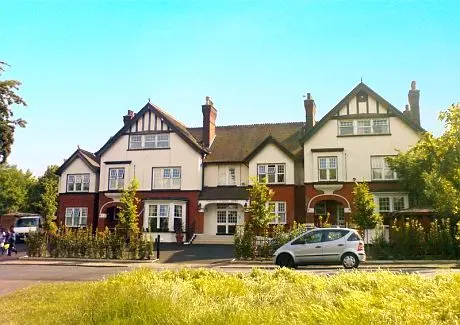
Langley Oaks, at 2 Langley Oaks Avenue in South Croydon, was rated Good overall at its most recent assessment, published in December 2025, with Good ratings across Effective, Caring, Responsive, and Well-led. The home is run by Care UK Community Partnerships Ltd and provides care for up to 40 people, including adults with dementia, learning disabilities, mental health conditions, and physical disabilities. One domain, Safe, was rated Requires Improvement at that assessment, which is the most important finding for any family considering this home. The published summary provided does not include the full inspection text, which means it is not possible to say what specific concerns led to the Requires Improvement in Safe, or to verify details about staffing, medicines management, falls, or infection control. This is a significant gap. Before making any decision, request the full published inspection report from the home or from the regulator's website, ask the manager directly what actions have been taken to address the Safe rating, and visit at different times of day to observe the pace and quality of care for yourself. Every question in the checklist below remains open and should be answered before you sign any agreement.
The three questions to ask when you visitSave this home. Compare it against your shortlist.
Let our analysis show you how Langley Oaks Care Home – Care UK measures up against the other homes you’re considering. Free account.
In Their Own Words
How Langley Oaks Care Home – Care UK describes itself — collected from its own website. DCC has not edited or independently verified the content in this tab.
Where attentive care meets fresh, comfortable surroundings
Dedicated residential home Support in London
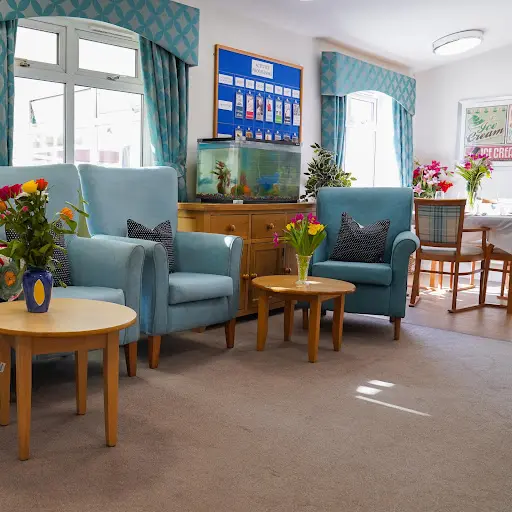
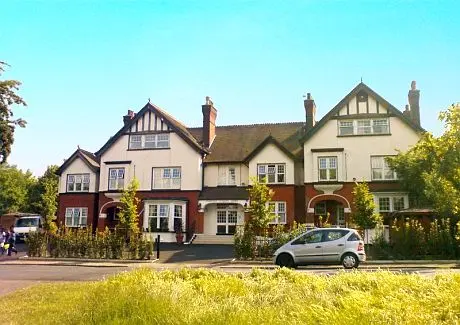
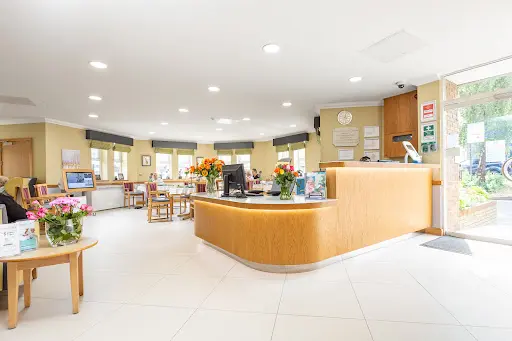
Walking into Langley Oaks in London, you'll notice something that matters — the place feels fresh and welcoming, not institutional. Families who've spent time here talk about finding their relatives clean, well-dressed and content. It's these everyday details that often tell you the most about a care home.
Who they care for
Langley Oaks provides care for residents with dementia, learning disabilities, mental health conditions and physical disabilities, focusing on adults over 65.
For residents living with dementia, the attentive approach of the staff — staying engaged and present rather than distant — creates an environment where people feel seen and supported throughout their day.
“Sometimes the best indicators of good care are the simple things — residents who look comfortable and well-cared-for, staff who pay attention, and a home that feels genuinely homely.”
DCC does not edit or curate content in this tab. For independently curated information, see The Evidence and DCC Verdict.
The DCC Verdict
Our editorial view, built from the three lenses: what families tell us, what inspectors record, and how the home sits against good dementia-care practice.
DCC Family Score
The overall Good rating and stable trend give a reasonable baseline, but because the full inspection text was not available for analysis, scores reflect the rating grades rather than specific observed evidence. Treat these scores as provisional and use the checklist questions below to fill the gaps on a visit.
Homes in London typically score 68–82.The three-lens summary
What families tell us
What catches visitors' attention is how the staff interact with residents. Rather than chatting amongst themselves or checking phones, they're engaged — talking with residents, helping with activities, being present. The team has been particularly supportive with families during those difficult first days of moving in.
What inspectors have recorded
How it sits against good practice
Sometimes the best indicators of good care are the simple things — residents who look comfortable and well-cared-for, staff who pay attention, and a home that feels genuinely homely.
Worth a visit
Langley Oaks, at 2 Langley Oaks Avenue in South Croydon, was rated Good overall at its most recent assessment, published in December 2025, with Good ratings across Effective, Caring, Responsive, and Well-led. The home is run by Care UK Community Partnerships Ltd and provides care for up to 40 people, including adults with dementia, learning disabilities, mental health conditions, and physical disabilities. One domain, Safe, was rated Requires Improvement at that assessment, which is the most important finding for any family considering this home. The published summary provided does not include the full inspection text, which means it is not possible to say what specific concerns led to the Requires Improvement in Safe, or to verify details about staffing, medicines management, falls, or infection control. This is a significant gap. Before making any decision, request the full published inspection report from the home or from the regulator's website, ask the manager directly what actions have been taken to address the Safe rating, and visit at different times of day to observe the pace and quality of care for yourself. Every question in the checklist below remains open and should be answered before you sign any agreement.
The three questions to ask when you visitSave this home. Compare it against your shortlist.
Let our analysis show you how Langley Oaks Care Home – Care UK measures up against the other homes you’re considering. Free account.
In Their Own Words
How Langley Oaks Care Home – Care UK describes itself — collected from its own website. DCC has not edited or independently verified the content in this tab.
Where attentive care meets fresh, comfortable surroundings
Dedicated residential home Support in London
Walking into Langley Oaks in London, you'll notice something that matters — the place feels fresh and welcoming, not institutional. Families who've spent time here talk about finding their relatives clean, well-dressed and content. It's these everyday details that often tell you the most about a care home.
Who they care for
Langley Oaks provides care for residents with dementia, learning disabilities, mental health conditions and physical disabilities, focusing on adults over 65.
For residents living with dementia, the attentive approach of the staff — staying engaged and present rather than distant — creates an environment where people feel seen and supported throughout their day.
The home & environment
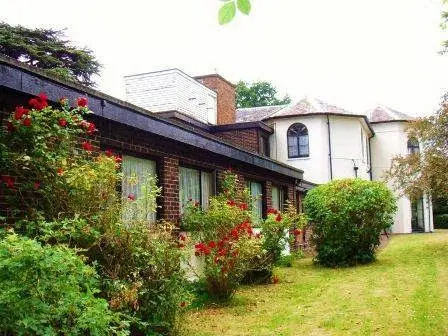
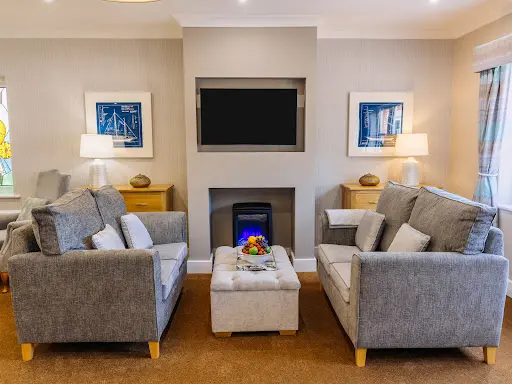
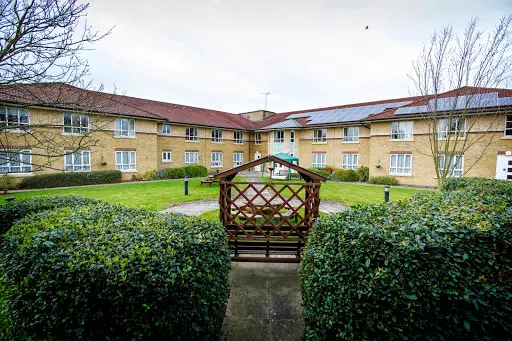
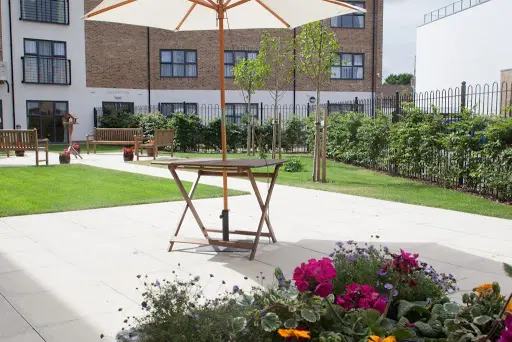
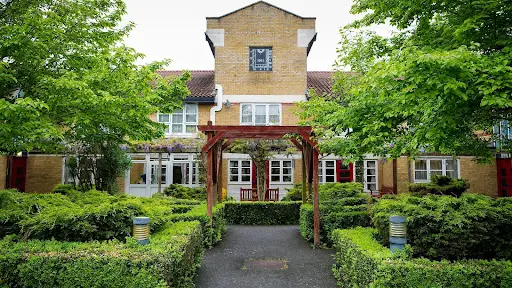
The home keeps things clean and fresh, with recently decorated spaces that feel more like a comfortable home than a clinical setting. There's no trace of those institutional smells that can make care homes feel unwelcoming. Outside, the gardens offer quiet spaces for residents to enjoy when the weather's nice.
“Sometimes the best indicators of good care are the simple things — residents who look comfortable and well-cared-for, staff who pay attention, and a home that feels genuinely homely.”
DCC does not edit or curate content in this tab. For independently curated information, see The Evidence and DCC Verdict.