Addington Heights Care Home – Care UK

At a Glance
The information you need to decide whether this home warrants a closer look.
Nursing homes
Staff warmth score
of reviewers answered yes
Good to know
- Registered beds50
- SpecialismsCaring for adults over 65 yrs, Caring for adults under 65 yrs, Dementia, Learning disabilities, Mental health conditions, Physical disabilities
- Last inspected2018-04-19
Save Addington Heights Care Home – Care UK to your shortlist
Keep a running list, add visit notes, and compare homes side-by-side. Free account — it takes a minute.
STAGE 4 — RESEARCHING CARE HOMES
Visit homes. Compare them side by side. Choose with confidence.
Most of us will view care homes the way we view houses, impression, atmosphere, the feeling in the corridor. We go home, try to remember what we saw, and make a permanent decision from a blurred memory.

The DCC shortlist gives every home you visit a structured record: the same twelve questions, answered the same way, every time. When you’re ready to choose, pull any two homes side by side and compare them directly. Same criteria, same evidence, your notes and your scores.
The Evidence
What the review data, the inspection reports, and the dementia-care evidence base tell us about this home.
What families say
People notice how content their relatives seem here, especially those who've been residents for a while. The atmosphere works well for people with dementia, with families reporting that their loved ones appear genuinely happy and well cared for.
The eight family priority themes
- Staff warmth55
- Compassion & dignity55
- Cleanliness55
- Activities & engagement50
- Food quality50
- Healthcare55
- Management & leadership60
- Resident happiness55
What inspectors found
Inspected 2018-04-19
Is this home safe?
Is the care effective?
The inspection rated the Effective domain as Good. No specific findings about care plan quality, GP access, dementia training content, food quality, or nutritional monitoring are included in the available published text. The home declared dementia as a specialism, which implies a commitment to dementia-specific practice, but the inspection report does not describe what that looked like in practice.Is this home caring?
The inspection rated the Caring domain as Good. No direct observations of staff interactions, no resident or relative quotes, and no specific examples of dignity or compassion in practice are included in the available published text. The Good rating is confirmed but unaccompanied by the kind of detail that would allow a family to picture daily life for their parent.Is the home responsive?
The inspection rated the Responsive domain as Good. No specific detail about activity programmes, individual engagement, end-of-life care planning, or how the home responded to complaints is included in the available published text. The home's declared specialisms suggest it was intended to be responsive to a wide range of complex needs, but the inspection record does not describe how that responsiveness worked in practice.Is the home well-led?
The inspection rated the Well-led domain as Good. A nominated individual, Ms Rachel Louise Harvey, was recorded as responsible for the service. The improvement from a previous Requires Improvement rating to Good suggests that identified leadership or governance failures were addressed. No specific detail about management visibility, staff culture, governance systems, or complaint handling is included in the available published text.
Source: CQC inspection report →
What the evidence base says
The home supports adults of all ages with complex needs including dementia, learning disabilities, mental health conditions and physical disabilities. The team shows particular strength in dementia care, with families observing how well their relatives with dementia settle and thrive here over time. All areas worth probing directly during a visit.
The DCC Verdict
Our editorial view, built from the three lenses: what families tell us, what inspectors record, and how the home sits against good dementia-care practice.
DCC Family Score
Addington Heights was rated Good across all five inspection domains, an improvement from its previous Requires Improvement rating, but the published report contains very little specific detail. Scores reflect confirmed ratings rather than specific observed evidence, so the true picture for your parent is harder to verify than the headline rating suggests.
Homes in London typically score 68–82.The three-lens summary
What families tell us
People notice how content their relatives seem here, especially those who've been residents for a while. The atmosphere works well for people with dementia, with families reporting that their loved ones appear genuinely happy and well cared for.
What inspectors have recorded
Staff come across as engaged and capable in their daily work, handling demanding care situations with professionalism. While most interactions are positive, the experience can be inconsistent.
How it sits against good practice
While the home excels at long-term complex care, those considering short-term or rehabilitation stays should discuss specific needs and expectations beforehand.
Worth a visit
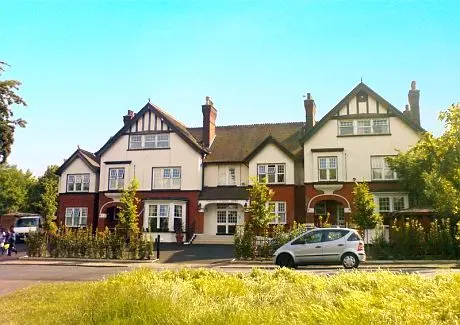
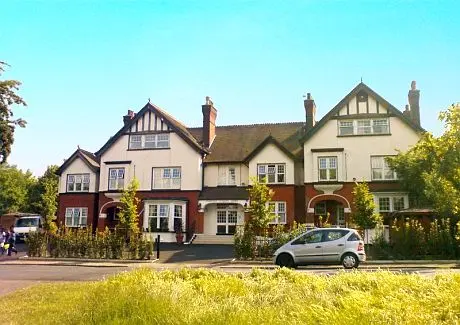
Addington Heights, at 1 Milne Park West in Croydon, was rated Good at its inspection in February 2018, published in April 2018. That rating covered all five domains and represented a meaningful improvement from an earlier Requires Improvement judgement. The home was registered to care for up to 50 people across a wide range of needs, including dementia, mental health conditions, learning disabilities, and physical disabilities. There is an important caveat you need to know before visiting. This home was deregistered and archived in April 2026, which means it is no longer operating as a registered care service. The inspection findings themselves are now more than seven years old, and the published report available through official sources contains almost no specific detail about what inspectors actually observed. The Good rating is confirmed, but there is very little behind it in the published text to help you assess what daily life was like for residents. If you are researching this home for historical reasons, treat the rating as a positive signal from that point in time, while recognising that the detail needed to make a confident family decision is not available in the published record.
The three questions to ask when you visitSave this home. Compare it against your shortlist.
Let our analysis show you how Addington Heights Care Home – Care UK measures up against the other homes you’re considering. Free account.
In Their Own Words
How Addington Heights Care Home – Care UK describes itself — collected from its own website. DCC has not edited or independently verified the content in this tab.
Where long-term residents find genuine contentment and skilled dementia support
Nursing home in Croydon: True Peace of Mind
Addington Heights in Croydon brings real expertise to complex care needs, particularly for residents living with dementia and mental health conditions. Families speak about the sustained happiness they see in their relatives who've made this their home. The care team handles challenging situations with professionalism, though experiences can vary depending on the type of stay.
Who they care for
The home supports adults of all ages with complex needs including dementia, learning disabilities, mental health conditions and physical disabilities.
The team shows particular strength in dementia care, with families observing how well their relatives with dementia settle and thrive here over time.
“While the home excels at long-term complex care, those considering short-term or rehabilitation stays should discuss specific needs and expectations beforehand.”
DCC does not edit or curate content in this tab. For independently curated information, see The Evidence and DCC Verdict.
The DCC Verdict
Our editorial view, built from the three lenses: what families tell us, what inspectors record, and how the home sits against good dementia-care practice.
DCC Family Score
Addington Heights was rated Good across all five inspection domains, an improvement from its previous Requires Improvement rating, but the published report contains very little specific detail. Scores reflect confirmed ratings rather than specific observed evidence, so the true picture for your parent is harder to verify than the headline rating suggests.
Homes in London typically score 68–82.The three-lens summary
What families tell us
People notice how content their relatives seem here, especially those who've been residents for a while. The atmosphere works well for people with dementia, with families reporting that their loved ones appear genuinely happy and well cared for.
What inspectors have recorded
Staff come across as engaged and capable in their daily work, handling demanding care situations with professionalism. While most interactions are positive, the experience can be inconsistent.
How it sits against good practice
While the home excels at long-term complex care, those considering short-term or rehabilitation stays should discuss specific needs and expectations beforehand.
Worth a visit
Addington Heights, at 1 Milne Park West in Croydon, was rated Good at its inspection in February 2018, published in April 2018. That rating covered all five domains and represented a meaningful improvement from an earlier Requires Improvement judgement. The home was registered to care for up to 50 people across a wide range of needs, including dementia, mental health conditions, learning disabilities, and physical disabilities. There is an important caveat you need to know before visiting. This home was deregistered and archived in April 2026, which means it is no longer operating as a registered care service. The inspection findings themselves are now more than seven years old, and the published report available through official sources contains almost no specific detail about what inspectors actually observed. The Good rating is confirmed, but there is very little behind it in the published text to help you assess what daily life was like for residents. If you are researching this home for historical reasons, treat the rating as a positive signal from that point in time, while recognising that the detail needed to make a confident family decision is not available in the published record.
The three questions to ask when you visitSave this home. Compare it against your shortlist.
Let our analysis show you how Addington Heights Care Home – Care UK measures up against the other homes you’re considering. Free account.
In Their Own Words
How Addington Heights Care Home – Care UK describes itself — collected from its own website. DCC has not edited or independently verified the content in this tab.
Where long-term residents find genuine contentment and skilled dementia support
Nursing home in Croydon: True Peace of Mind
Addington Heights in Croydon brings real expertise to complex care needs, particularly for residents living with dementia and mental health conditions. Families speak about the sustained happiness they see in their relatives who've made this their home. The care team handles challenging situations with professionalism, though experiences can vary depending on the type of stay.
Who they care for
The home supports adults of all ages with complex needs including dementia, learning disabilities, mental health conditions and physical disabilities.
The team shows particular strength in dementia care, with families observing how well their relatives with dementia settle and thrive here over time.
Management & ethos
Staff come across as engaged and capable in their daily work, handling demanding care situations with professionalism. While most interactions are positive, the experience can be inconsistent.
The home & environment
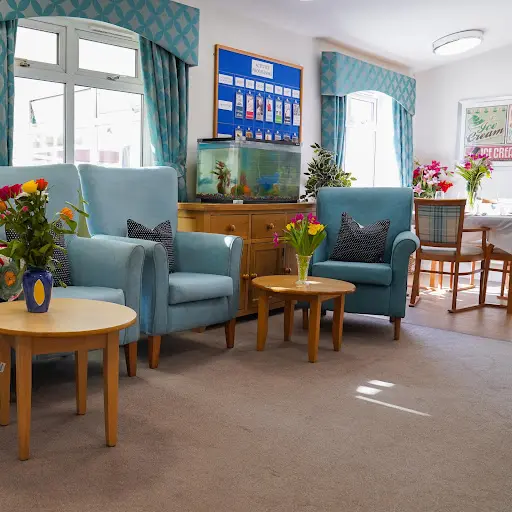
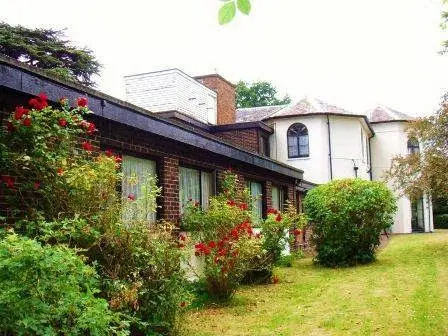
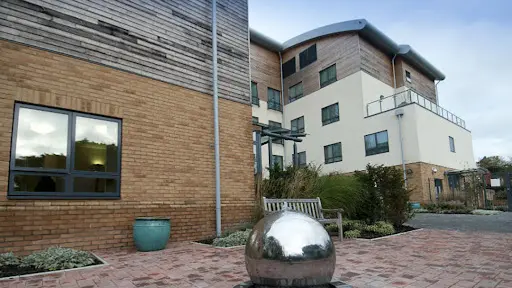
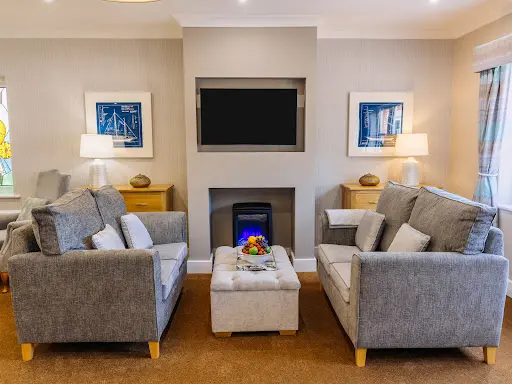
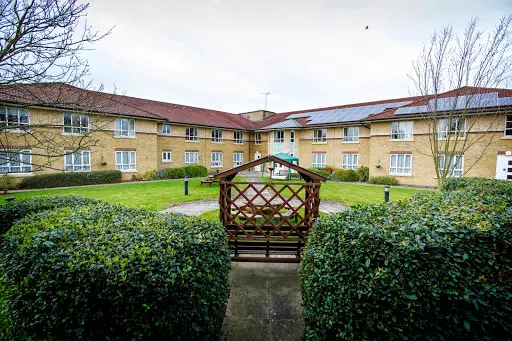
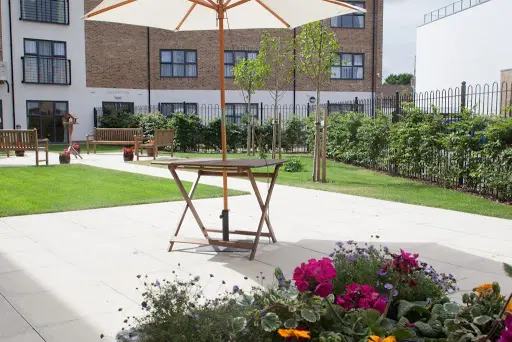
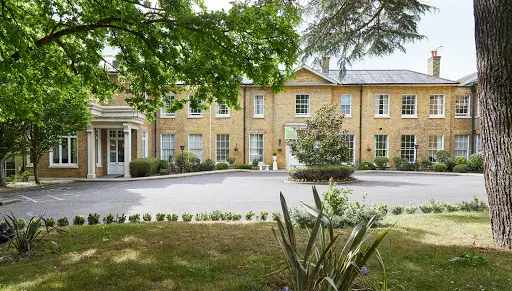
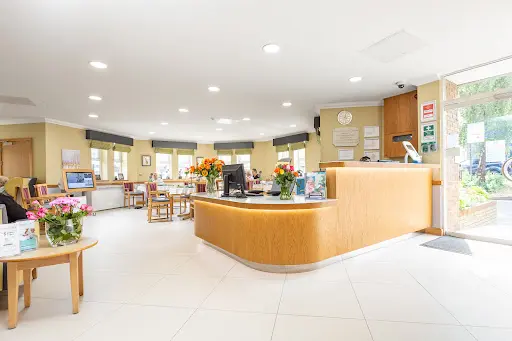
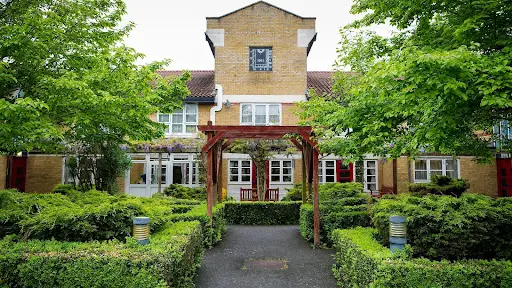
The home maintains high standards of cleanliness throughout, and residents enjoy access to pleasant outdoor spaces. The physical environment is well-kept, creating comfortable surroundings for daily life.
“While the home excels at long-term complex care, those considering short-term or rehabilitation stays should discuss specific needs and expectations beforehand.”
DCC does not edit or curate content in this tab. For independently curated information, see The Evidence and DCC Verdict.