Broughton House – Veteran Care Village
At a Glance
The information you need to decide whether this home warrants a closer look.
Nursing homes, Homecare agencies
Staff warmth score
of reviewers answered yes
Good to know
- Registered beds64
- SpecialismsCaring for adults over 65 yrs, Caring for adults under 65 yrs, Dementia, Mental health conditions, Physical disabilities
- Last inspected2021-02-09
Save Broughton House – Veteran Care Village to your shortlist
Keep a running list, add visit notes, and compare homes side-by-side. Free account — it takes a minute.
STAGE 4 — RESEARCHING CARE HOMES
Visit homes. Compare them side by side. Choose with confidence.
Most of us will view care homes the way we view houses, impression, atmosphere, the feeling in the corridor. We go home, try to remember what we saw, and make a permanent decision from a blurred memory.

The DCC shortlist gives every home you visit a structured record: the same twelve questions, answered the same way, every time. When you’re ready to choose, pull any two homes side by side and compare them directly. Same criteria, same evidence, your notes and your scores.
The Evidence
What the review data, the inspection reports, and the dementia-care evidence base tell us about this home.
What families say
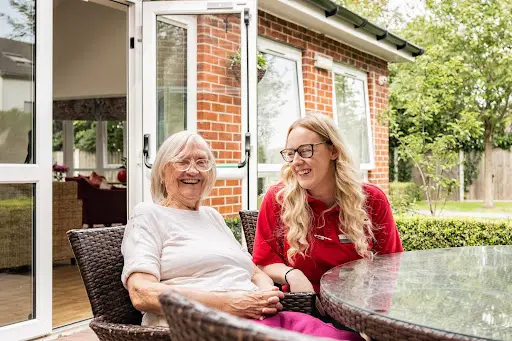
Visitors often comment on the genuine warmth they encounter here. Staff are known for their courteous, attentive approach, creating an atmosphere where both residents and families feel heard and valued.
The eight family priority themes
- Staff warmth72
- Compassion & dignity72
- Cleanliness68
- Activities & engagement65
- Food quality60
- Healthcare70
- Management & leadership75
- Resident happiness68
What inspectors found
Inspected 2021-02-09
Is this home safe?
Is the care effective?
The Effective domain was rated Good at the January 2021 inspection. This covers training, care planning, healthcare access, nutrition, and outcomes for the people who live there. Dementia is a registered specialism, which means the home is required to demonstrate that staff have relevant training, but the published text does not describe what that training contains or how recently it was completed. No detail about care plan content, GP visiting frequency, or mealtime quality is available in the published text.Is this home caring?
The Caring domain was rated Good at the January 2021 inspection. This is the domain most directly linked to how staff interact with your parent day to day, covering warmth, dignity, respect, and responsiveness to emotional needs. No specific inspector observations, such as whether staff used preferred names, knocked before entering rooms, or responded calmly to distress, are available in the published text. The absence of specific evidence does not mean these things are not happening; it means the published report does not allow independent verification.Is the home responsive?
The Responsive domain was rated Good at the January 2021 inspection. This domain covers whether care is tailored to individuals, whether activities are meaningful, and whether the home responds well to complaints. Broughton House has a distinctive veteran identity, which suggests the activity and social programme may reflect military history and culture. However, no specific detail about activity provision, individual engagement, or complaint handling is available in the published text.Is the home well-led?
The Well-led domain was rated Good at the January 2021 inspection, up from Requires Improvement at the previous inspection. A named registered manager and a nominated individual are recorded, indicating a clear and accountable leadership structure. The improvement across all five domains between inspections is a positive signal that leadership responded to earlier concerns. No detail about manager tenure, staff culture, governance meetings, or how the home handles complaints is available in the published text.
Source: CQC inspection report →
What the evidence base says
The home specialises in supporting adults both over and under 65 with dementia, mental health conditions and physical disabilities. This breadth of expertise means they're equipped to handle complex or changing needs. Dementia care here draws on the home's understanding of military life and experiences. Staff work to maintain dignity and connection even as cognitive abilities change. All areas worth probing directly during a visit.
The DCC Verdict
Our editorial view, built from the three lenses: what families tell us, what inspectors record, and how the home sits against good dementia-care practice.
DCC Family Score
Broughton House achieved a Good rating across all five domains after previously requiring improvement, which is a meaningful step forward. However, the published inspection text provides limited specific detail, so scores reflect the confirmed improvement and the specialist veteran focus rather than rich observational evidence.
Homes in North West typically score 68–82.The three-lens summary
What families tell us
Visitors often comment on the genuine warmth they encounter here. Staff are known for their courteous, attentive approach, creating an atmosphere where both residents and families feel heard and valued.
What inspectors have recorded
How it sits against good practice
For veterans needing specialist care, this Salford village offers both professional support and a community that honours their service.
Worth a visit
Broughton House, Veteran Care Village in Salford was rated Good across all five inspection domains at its last inspection in January 2021, confirmed as unchanged following a monitoring review in July 2023. The home had previously been rated Requires Improvement, so this is a genuine turnaround rather than a maintained standard, and it carries registered specialisms in dementia, mental health conditions, and physical disabilities alongside its core mission of caring for military veterans. The main limitation here is that the published inspection text provides very little specific observational detail, which means this report cannot tell you what daily life actually looks like for your mum or dad. The Good ratings tell you that inspectors were satisfied; they do not tell you what staff said to residents in the corridor, how mealtimes felt, or what happened when someone became distressed at night. Visit in person, ask the manager for the most recent staffing rota showing permanent versus agency cover on nights, and ask how the home's veteran-focused ethos is reflected in everyday care for someone who may also be living with dementia.
The three questions to ask when you visitSave this home. Compare it against your shortlist.
Let our analysis show you how Broughton House – Veteran Care Village measures up against the other homes you’re considering. Free account.
In Their Own Words
How Broughton House – Veteran Care Village describes itself — collected from its own website. DCC has not edited or independently verified the content in this tab.
Where military service meets specialist care in Greater Manchester
Dedicated nursing home,homecare agency Support in Salford
For veterans and their families facing complex care decisions, Broughton House in Salford offers something uniquely meaningful. This specialist care village brings together former service personnel in a community that understands shared experiences while providing dedicated support for conditions including dementia, mental health needs and physical disabilities.
Who they care for
The home specialises in supporting adults both over and under 65 with dementia, mental health conditions and physical disabilities. This breadth of expertise means they're equipped to handle complex or changing needs.
Dementia care here draws on the home's understanding of military life and experiences. Staff work to maintain dignity and connection even as cognitive abilities change.
“For veterans needing specialist care, this Salford village offers both professional support and a community that honours their service.”
DCC does not edit or curate content in this tab. For independently curated information, see The Evidence and DCC Verdict.
The DCC Verdict
Our editorial view, built from the three lenses: what families tell us, what inspectors record, and how the home sits against good dementia-care practice.
DCC Family Score
Broughton House achieved a Good rating across all five domains after previously requiring improvement, which is a meaningful step forward. However, the published inspection text provides limited specific detail, so scores reflect the confirmed improvement and the specialist veteran focus rather than rich observational evidence.
Homes in North West typically score 68–82.The three-lens summary
What families tell us
Visitors often comment on the genuine warmth they encounter here. Staff are known for their courteous, attentive approach, creating an atmosphere where both residents and families feel heard and valued.
What inspectors have recorded
How it sits against good practice
For veterans needing specialist care, this Salford village offers both professional support and a community that honours their service.
Worth a visit
Broughton House, Veteran Care Village in Salford was rated Good across all five inspection domains at its last inspection in January 2021, confirmed as unchanged following a monitoring review in July 2023. The home had previously been rated Requires Improvement, so this is a genuine turnaround rather than a maintained standard, and it carries registered specialisms in dementia, mental health conditions, and physical disabilities alongside its core mission of caring for military veterans. The main limitation here is that the published inspection text provides very little specific observational detail, which means this report cannot tell you what daily life actually looks like for your mum or dad. The Good ratings tell you that inspectors were satisfied; they do not tell you what staff said to residents in the corridor, how mealtimes felt, or what happened when someone became distressed at night. Visit in person, ask the manager for the most recent staffing rota showing permanent versus agency cover on nights, and ask how the home's veteran-focused ethos is reflected in everyday care for someone who may also be living with dementia.
The three questions to ask when you visitSave this home. Compare it against your shortlist.
Let our analysis show you how Broughton House – Veteran Care Village measures up against the other homes you’re considering. Free account.
In Their Own Words
How Broughton House – Veteran Care Village describes itself — collected from its own website. DCC has not edited or independently verified the content in this tab.
Where military service meets specialist care in Greater Manchester
Dedicated nursing home,homecare agency Support in Salford
For veterans and their families facing complex care decisions, Broughton House in Salford offers something uniquely meaningful. This specialist care village brings together former service personnel in a community that understands shared experiences while providing dedicated support for conditions including dementia, mental health needs and physical disabilities.
Who they care for
The home specialises in supporting adults both over and under 65 with dementia, mental health conditions and physical disabilities. This breadth of expertise means they're equipped to handle complex or changing needs.
Dementia care here draws on the home's understanding of military life and experiences. Staff work to maintain dignity and connection even as cognitive abilities change.
The home & environment
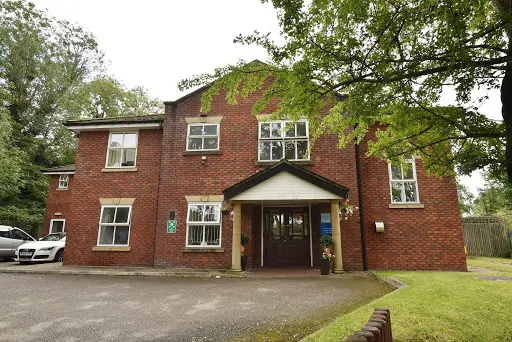
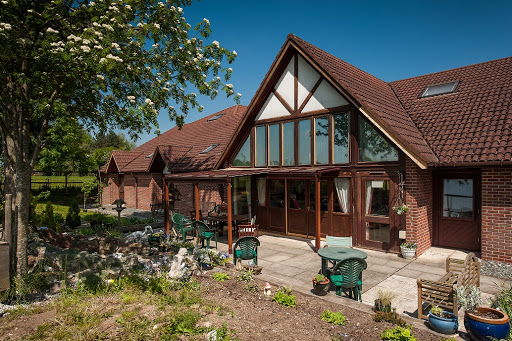
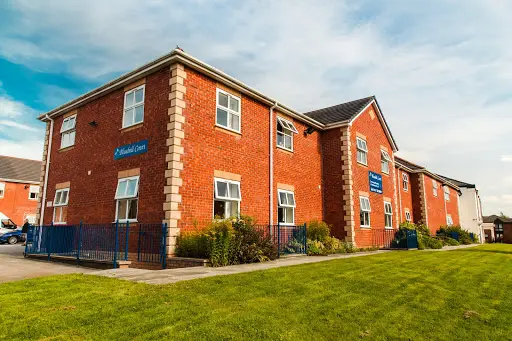
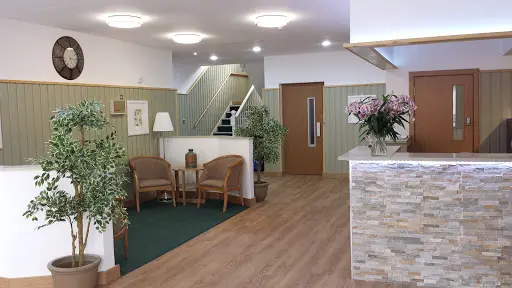
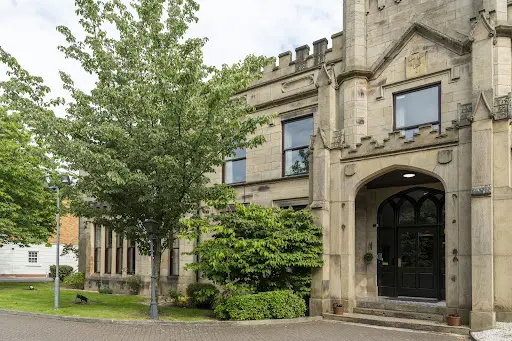
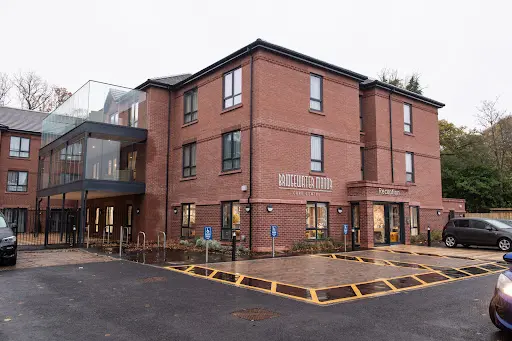
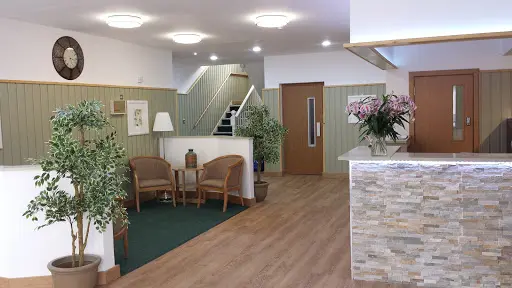
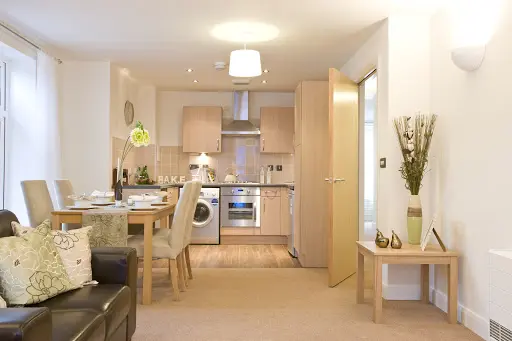
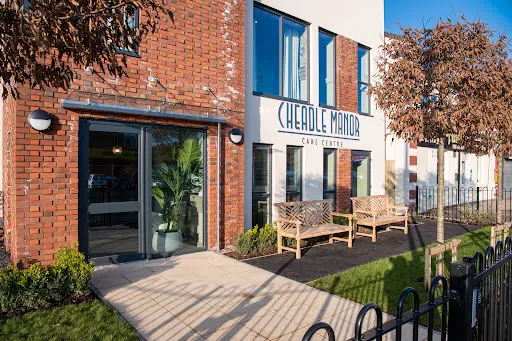
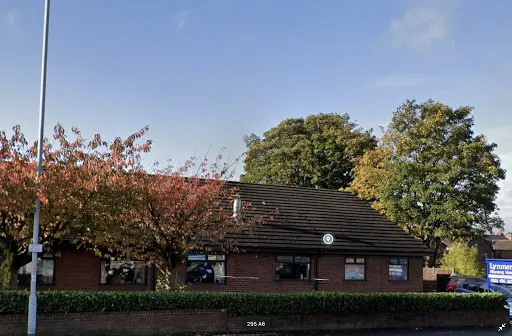
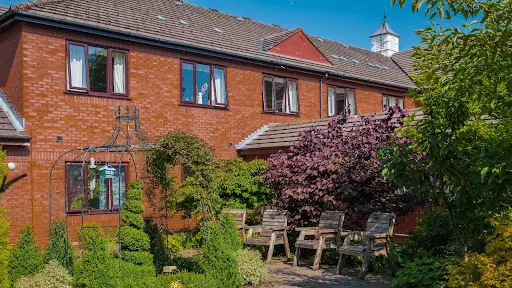
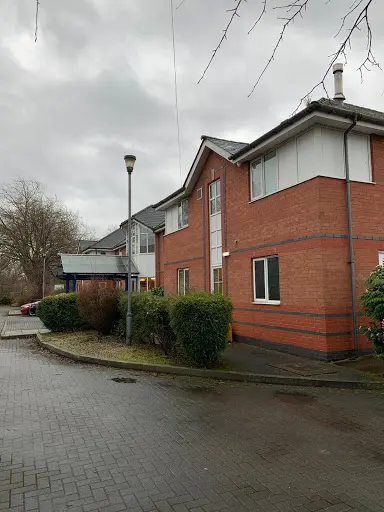
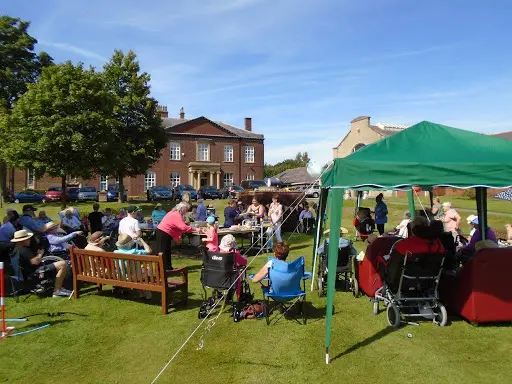
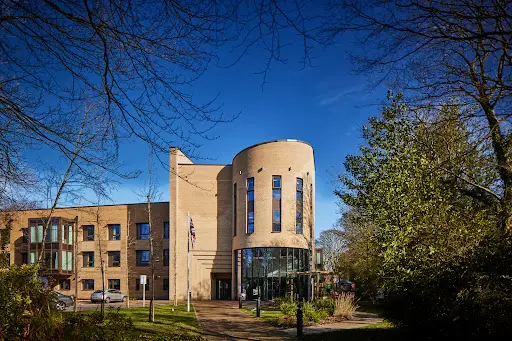
The care village maintains its spaces to a high standard, with well-presented areas throughout the building. The environment balances practical care needs with touches that reflect residents' military heritage.
“For veterans needing specialist care, this Salford village offers both professional support and a community that honours their service.”
DCC does not edit or curate content in this tab. For independently curated information, see The Evidence and DCC Verdict.