Four Oaks Nursing Home
At a Glance
The information you need to decide whether this home warrants a closer look.
Nursing homes
Staff warmth score
of reviewers answered yes
Good to know
- Registered beds62
- SpecialismsCaring for adults over 65 yrs, Caring for adults under 65 yrs, Dementia, Mental health conditions, Physical disabilities, Sensory impairment
- Last inspected2018-09-20
Save Four Oaks Nursing Home to your shortlist
Keep a running list, add visit notes, and compare homes side-by-side. Free account — it takes a minute.
STAGE 4 — RESEARCHING CARE HOMES
Visit homes. Compare them side by side. Choose with confidence.
Most of us will view care homes the way we view houses, impression, atmosphere, the feeling in the corridor. We go home, try to remember what we saw, and make a permanent decision from a blurred memory.

The DCC shortlist gives every home you visit a structured record: the same twelve questions, answered the same way, every time. When you’re ready to choose, pull any two homes side by side and compare them directly. Same criteria, same evidence, your notes and your scores.
The Evidence
What the review data, the inspection reports, and the dementia-care evidence base tell us about this home.
What families say
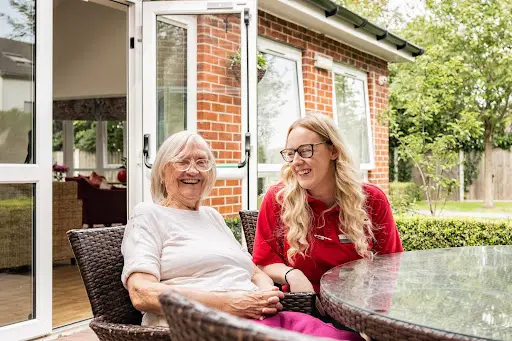
The warmth here comes through in everyday moments. Staff take time to chat with residents and visitors, creating an atmosphere where people feel genuinely welcomed rather than processed. The activities programme keeps days interesting and social, with regular events that bring residents together and give structure to the week.
The eight family priority themes
- Staff warmth55
- Compassion & dignity60
- Cleanliness55
- Activities & engagement50
- Food quality50
- Healthcare45
- Management & leadership65
- Resident happiness55
What inspectors found
Inspected 2018-09-20
Is this home safe?
Is the care effective?
The Effective domain was rated Requires Improvement at the last inspection. This is the one domain where inspectors found the home falling short of what is expected, and it covers some of the most important practical aspects of care: how care plans are written and reviewed, whether staff training is adequate, how well the home coordinates healthcare, and whether people's nutritional needs are properly understood. The published summary does not detail what specifically triggered the Requires Improvement rating, which makes it harder to assess how serious the gaps were or whether they have since been addressed. A monitoring review in July 2023 did not lead to a reassessment, but that review was based on data and information rather than a physical inspection.Is this home caring?
The Caring domain was rated Good. This covers how staff treat the people in their care: whether interactions are warm, whether privacy and dignity are respected, and whether your parent is treated as an individual rather than a task on a list. No specific observations, resident quotes, or relative comments are published in the available summary, which limits what can be said with confidence about the texture of daily interactions. The Good rating nonetheless indicates that inspectors found the general standard of caring to be satisfactory when they visited.Is the home responsive?
The Responsive domain was rated Good. This domain covers whether the home meets the individual needs of each person, including access to meaningful activities, how complaints are handled, and whether end-of-life care is planned in advance. The home's specialism list includes dementia, mental health conditions, physical disabilities, and sensory impairment, which means the range of individual need is substantial. No specific activity schedules, examples of individual engagement, or complaint handling records are referenced in the published summary.Is the home well-led?
The Well-Led domain was rated Good. This is particularly significant given the home's history of an Inadequate rating, which typically reflects leadership and governance failures as much as frontline care problems. A registered manager and a nominated individual are both named in the published record, suggesting stable leadership structures at the time of inspection. No detail is available on manager tenure, staff culture, or how the home handles concerns raised by staff or families. The monitoring review in July 2023 found no reason to reassess the rating, indicating that the regulatory body was not receiving signals of deterioration.
Source: CQC inspection report →
What the evidence base says
Four Oaks supports residents with sensory impairments, physical disabilities, and mental health conditions, alongside general care for those over and under 65. Their experience spans complex needs, with particular expertise in helping new residents settle and thrive. For residents living with dementia, the structured daily activities and consistent staff presence provide reassuring routine. Families have noticed how the patient, understanding approach helps residents maintain their dignity while managing the challenges dementia brings. All areas worth probing directly during a visit.
The DCC Verdict
Our editorial view, built from the three lenses: what families tell us, what inspectors record, and how the home sits against good dementia-care practice.
DCC Family Score
Four Oaks Care Home scores 68 out of 100. The home has made real progress from a previous Inadequate rating, with inspectors finding enough to award Good across four of five domains, but Effective remains Requires Improvement, meaning questions about care planning, training, and healthcare consistency are not yet fully resolved.
Homes in North West typically score 68–82.The three-lens summary
What families tell us
The warmth here comes through in everyday moments. Staff take time to chat with residents and visitors, creating an atmosphere where people feel genuinely welcomed rather than processed. The activities programme keeps days interesting and social, with regular events that bring residents together and give structure to the week.
What inspectors have recorded
The current management team appears approachable and focused on improvement, though some families have experienced serious lapses in communication during critical moments, including hospital admissions. While day-to-day care from regular staff receives consistent praise, the home has faced challenges with agency staffing that affected care quality.
How it sits against good practice
If you're considering Four Oaks, visiting in person will give you the clearest sense of whether it feels right for your loved one.
Worth a visit
Four Oaks Care Home, at 28 Wood Lane, Manchester, was rated Good overall at its last published inspection, with Good ratings in Safe, Caring, Responsive, and Well-Led. This is a meaningful achievement given the home was previously rated Inadequate, and it suggests that leadership has driven genuine improvement. However, the Effective domain remains at Requires Improvement, and the inspection report itself contains very limited published detail, meaning the Good ratings across other domains cannot be fully contextualised by specific observations or testimony. The most important uncertainty for any family is what has happened since September 2018, the date recorded for the last full inspection. A monitoring review was carried out in July 2023 and found no need to reassess the rating, but that is not the same as a full re-inspection. The Effective rating of Requires Improvement means questions about care planning, staff training (particularly in dementia care), and healthcare coordination are unresolved from the published record. Before deciding, ask the manager to walk you through what changed since the Inadequate rating, what the Effective shortfalls were, and how they have been addressed. Ask to see the current staffing rota and the activity schedule for last week, not a template.
The three questions to ask when you visitSave this home. Compare it against your shortlist.
Let our analysis show you how Four Oaks Nursing Home measures up against the other homes you’re considering. Free account.
In Their Own Words
How Four Oaks Nursing Home describes itself — collected from its own website. DCC has not edited or independently verified the content in this tab.
Where genuine care meets real recovery in Manchester
Four Oaks Care Home – Expert Care in Manchester
Families visiting Four Oaks Care Home in Manchester often notice something special — residents who arrive uncertain or anxious gradually find their confidence again. This established care home supports people with various needs, from sensory impairments to dementia, with staff who seem to understand that small acts of kindness matter just as much as clinical care.
Who they care for
Four Oaks supports residents with sensory impairments, physical disabilities, and mental health conditions, alongside general care for those over and under 65. Their experience spans complex needs, with particular expertise in helping new residents settle and thrive.
For residents living with dementia, the structured daily activities and consistent staff presence provide reassuring routine. Families have noticed how the patient, understanding approach helps residents maintain their dignity while managing the challenges dementia brings.
“If you're considering Four Oaks, visiting in person will give you the clearest sense of whether it feels right for your loved one.”
DCC does not edit or curate content in this tab. For independently curated information, see The Evidence and DCC Verdict.
The DCC Verdict
Our editorial view, built from the three lenses: what families tell us, what inspectors record, and how the home sits against good dementia-care practice.
DCC Family Score
Four Oaks Care Home scores 68 out of 100. The home has made real progress from a previous Inadequate rating, with inspectors finding enough to award Good across four of five domains, but Effective remains Requires Improvement, meaning questions about care planning, training, and healthcare consistency are not yet fully resolved.
Homes in North West typically score 68–82.The three-lens summary
What families tell us
The warmth here comes through in everyday moments. Staff take time to chat with residents and visitors, creating an atmosphere where people feel genuinely welcomed rather than processed. The activities programme keeps days interesting and social, with regular events that bring residents together and give structure to the week.
What inspectors have recorded
The current management team appears approachable and focused on improvement, though some families have experienced serious lapses in communication during critical moments, including hospital admissions. While day-to-day care from regular staff receives consistent praise, the home has faced challenges with agency staffing that affected care quality.
How it sits against good practice
If you're considering Four Oaks, visiting in person will give you the clearest sense of whether it feels right for your loved one.
Worth a visit
Four Oaks Care Home, at 28 Wood Lane, Manchester, was rated Good overall at its last published inspection, with Good ratings in Safe, Caring, Responsive, and Well-Led. This is a meaningful achievement given the home was previously rated Inadequate, and it suggests that leadership has driven genuine improvement. However, the Effective domain remains at Requires Improvement, and the inspection report itself contains very limited published detail, meaning the Good ratings across other domains cannot be fully contextualised by specific observations or testimony. The most important uncertainty for any family is what has happened since September 2018, the date recorded for the last full inspection. A monitoring review was carried out in July 2023 and found no need to reassess the rating, but that is not the same as a full re-inspection. The Effective rating of Requires Improvement means questions about care planning, staff training (particularly in dementia care), and healthcare coordination are unresolved from the published record. Before deciding, ask the manager to walk you through what changed since the Inadequate rating, what the Effective shortfalls were, and how they have been addressed. Ask to see the current staffing rota and the activity schedule for last week, not a template.
The three questions to ask when you visitSave this home. Compare it against your shortlist.
Let our analysis show you how Four Oaks Nursing Home measures up against the other homes you’re considering. Free account.
In Their Own Words
How Four Oaks Nursing Home describes itself — collected from its own website. DCC has not edited or independently verified the content in this tab.
Where genuine care meets real recovery in Manchester
Four Oaks Care Home – Expert Care in Manchester
Families visiting Four Oaks Care Home in Manchester often notice something special — residents who arrive uncertain or anxious gradually find their confidence again. This established care home supports people with various needs, from sensory impairments to dementia, with staff who seem to understand that small acts of kindness matter just as much as clinical care.
Who they care for
Four Oaks supports residents with sensory impairments, physical disabilities, and mental health conditions, alongside general care for those over and under 65. Their experience spans complex needs, with particular expertise in helping new residents settle and thrive.
For residents living with dementia, the structured daily activities and consistent staff presence provide reassuring routine. Families have noticed how the patient, understanding approach helps residents maintain their dignity while managing the challenges dementia brings.
Management & ethos
The current management team appears approachable and focused on improvement, though some families have experienced serious lapses in communication during critical moments, including hospital admissions. While day-to-day care from regular staff receives consistent praise, the home has faced challenges with agency staffing that affected care quality.
The home & environment
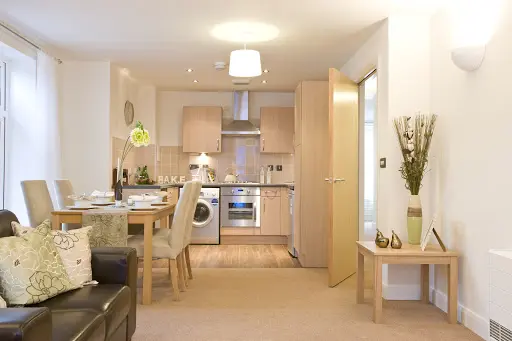
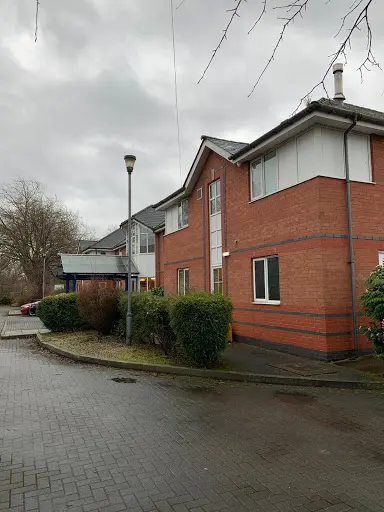
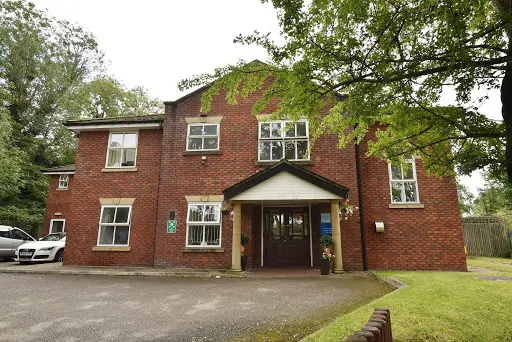
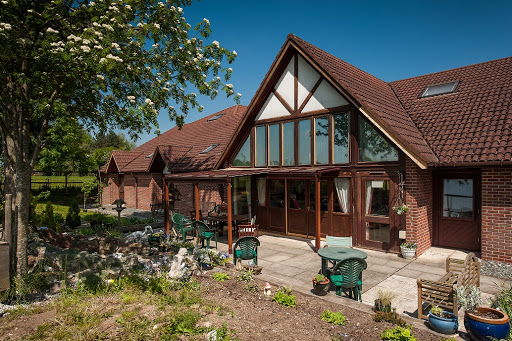
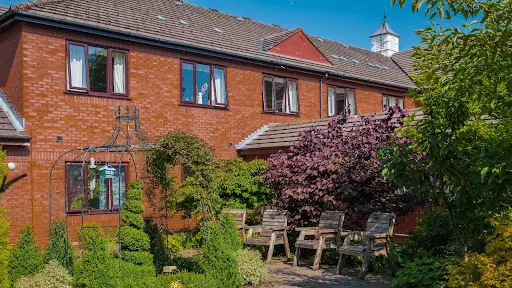
The home maintains impressive cleanliness standards throughout, with residents always appearing well-groomed and comfortable. The environment feels professional yet homely, with appropriate equipment and spaces for different care needs. There's even an on-site hairdressing service that residents appreciate.
“If you're considering Four Oaks, visiting in person will give you the clearest sense of whether it feels right for your loved one.”
DCC does not edit or curate content in this tab. For independently curated information, see The Evidence and DCC Verdict.