The Willows
At a Glance
The information you need to decide whether this home warrants a closer look.
Nursing homes
Staff warmth score
of reviewers answered yes
Good to know
- Registered beds50
- SpecialismsCaring for adults over 65 yrs, Dementia
- Last inspected2019-02-06
Save The Willows to your shortlist
Keep a running list, add visit notes, and compare homes side-by-side. Free account — it takes a minute.
STAGE 4 — RESEARCHING CARE HOMES
Visit homes. Compare them side by side. Choose with confidence.
Most of us will view care homes the way we view houses, impression, atmosphere, the feeling in the corridor. We go home, try to remember what we saw, and make a permanent decision from a blurred memory.

The DCC shortlist gives every home you visit a structured record: the same twelve questions, answered the same way, every time. When you’re ready to choose, pull any two homes side by side and compare them directly. Same criteria, same evidence, your notes and your scores.
The Evidence
What the review data, the inspection reports, and the dementia-care evidence base tell us about this home.
What families say
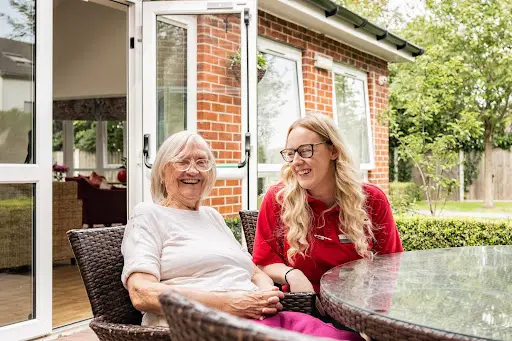
What strikes visitors is how approachable the staff are — there's a warmth that families pick up on straight away. Residents often mention feeling happy here, and relatives talk about seeing their loved ones build real relationships with carers. The atmosphere feels calm and welcoming, which makes such a difference when you're visiting someone you care about.
The eight family priority themes
- Staff warmth72
- Compassion & dignity72
- Cleanliness65
- Activities & engagement55
- Food quality55
- Healthcare65
- Management & leadership45
- Resident happiness65
What inspectors found
Inspected 2019-02-06
Is this home safe?
Is the care effective?
The Effective domain was rated Good at the January 2019 inspection. This domain covers staff training, care planning, healthcare access including GP involvement, and nutrition and hydration. Dementia is listed as a registered specialism, which requires the home to demonstrate appropriate knowledge and training. The published inspection summary provides no specific detail about how care plans are written or reviewed, what dementia training staff have completed, or how the home manages healthcare coordination for residents with complex needs. No information about food quality, dietary choice, or mealtime experience is available in the published findings.Is this home caring?
The Caring domain was rated Good at the January 2019 inspection. This domain covers whether staff treat people with warmth, dignity, and respect, whether people's independence is supported, and whether residents and families are involved in decisions about care. The published summary contains no specific inspector observations about staff interactions, no quotes from residents or relatives recorded during the inspection, and no detail about how privacy is maintained or how individual preferences are respected. The home supports adults over 65 with dementia, a group for whom kind and unhurried staff interactions are especially important.Is the home responsive?
The Responsive domain was rated Good at the January 2019 inspection. This domain covers whether the home responds to individual needs, whether activities are meaningful and tailored, and whether complaints are handled appropriately. The home lists dementia as a specialism, which requires responsiveness to the changing and often non-verbal needs of people living with cognitive decline. The published summary contains no detail about the activity programme, no information about one-to-one engagement for people who cannot join group activities, and no examples of how the home adapts care as a person's dementia progresses.Is the home well-led?
The Well-led domain was rated Requires Improvement at the January 2019 inspection, the one domain that did not achieve a Good rating. This means inspectors found that management, governance, or quality assurance arrangements were not sufficiently robust at the time. Two registered managers are listed (Mrs Soniya Mathew and Mrs Sindu Saju), and a nominated individual (Mr Jagjit Sandher) is recorded. The published summary does not detail what specific concerns led to the Requires Improvement rating, what actions were required, or whether those actions were completed. A monitoring review in July 2023 did not trigger a full re-inspection, but that does not confirm the leadership issues have been resolved.
Source: CQC inspection report →
What the evidence base says
The Willows provides residential care for people over 65, including those living with dementia. The team has experience supporting residents through different stages of care needs. For residents with dementia, the staff show particular patience and understanding. The calm atmosphere and consistent routines help people feel secure, while the team's gentle approach means residents are treated with respect throughout their journey. All areas worth probing directly during a visit.
The DCC Verdict
Our editorial view, built from the three lenses: what families tell us, what inspectors record, and how the home sits against good dementia-care practice.
DCC Family Score
The Willows scores in the mid-range, reflecting a home that improved from Requires Improvement to Good in most areas but still carries a Requires Improvement rating for leadership, which limits confidence in long-term consistency. The inspection findings are also now over six years old, which means significant uncertainty remains.
Homes in North West typically score 68–82.The three-lens summary
What families tell us
What strikes visitors is how approachable the staff are — there's a warmth that families pick up on straight away. Residents often mention feeling happy here, and relatives talk about seeing their loved ones build real relationships with carers. The atmosphere feels calm and welcoming, which makes such a difference when you're visiting someone you care about.
What inspectors have recorded
Communication with families seems to be a real strength here. The team keeps relatives informed and involved, which matters so much when you can't be there every day. Staff are described as hardworking and attentive, with a professional approach that still feels personal. They seem to understand that good care means paying attention to the small things that matter to each resident.
How it sits against good practice
If you're considering The Willows for someone close to you, visiting will give you a real sense of how the team works and whether it feels right for your family.
Worth a visit
The Willows in Salford was rated Good overall at its last inspection in January 2019, having improved from a previous rating of Requires Improvement. Four of the five inspection domains, covering safety, effectiveness, caring, and responsiveness, were rated Good. The Well-led domain remained at Requires Improvement, meaning inspectors found the management and governance arrangements were not yet fully secure at the time of the inspection. The most important thing to know before you visit is that this inspection is now over six years old. The published summary contains very little specific detail about what inspectors actually observed, which makes it difficult to assess the home's current quality with confidence. A monitoring review in July 2023 did not trigger a reassessment, which is a neutral signal rather than a positive one. Before committing, ask the manager directly about leadership stability since 2019, current staffing levels on nights, and how the home has addressed the leadership concerns that were outstanding at the last full inspection.
The three questions to ask when you visitSave this home. Compare it against your shortlist.
Let our analysis show you how The Willows measures up against the other homes you’re considering. Free account.
In Their Own Words
How The Willows describes itself — collected from its own website. DCC has not edited or independently verified the content in this tab.
Where kindness and dignity shape every single day
Nursing home in Salford: True Peace of Mind
Families choosing The Willows in Salford often mention the same thing — how quickly their loved ones settle and find their place. The care team here seems to understand that moving into residential care is a huge transition, and they work hard to make residents feel genuinely welcome and valued from day one.
Who they care for
The Willows provides residential care for people over 65, including those living with dementia. The team has experience supporting residents through different stages of care needs.
For residents with dementia, the staff show particular patience and understanding. The calm atmosphere and consistent routines help people feel secure, while the team's gentle approach means residents are treated with respect throughout their journey.
“If you're considering The Willows for someone close to you, visiting will give you a real sense of how the team works and whether it feels right for your family.”
DCC does not edit or curate content in this tab. For independently curated information, see The Evidence and DCC Verdict.
The DCC Verdict
Our editorial view, built from the three lenses: what families tell us, what inspectors record, and how the home sits against good dementia-care practice.
DCC Family Score
The Willows scores in the mid-range, reflecting a home that improved from Requires Improvement to Good in most areas but still carries a Requires Improvement rating for leadership, which limits confidence in long-term consistency. The inspection findings are also now over six years old, which means significant uncertainty remains.
Homes in North West typically score 68–82.The three-lens summary
What families tell us
What strikes visitors is how approachable the staff are — there's a warmth that families pick up on straight away. Residents often mention feeling happy here, and relatives talk about seeing their loved ones build real relationships with carers. The atmosphere feels calm and welcoming, which makes such a difference when you're visiting someone you care about.
What inspectors have recorded
Communication with families seems to be a real strength here. The team keeps relatives informed and involved, which matters so much when you can't be there every day. Staff are described as hardworking and attentive, with a professional approach that still feels personal. They seem to understand that good care means paying attention to the small things that matter to each resident.
How it sits against good practice
If you're considering The Willows for someone close to you, visiting will give you a real sense of how the team works and whether it feels right for your family.
Worth a visit
The Willows in Salford was rated Good overall at its last inspection in January 2019, having improved from a previous rating of Requires Improvement. Four of the five inspection domains, covering safety, effectiveness, caring, and responsiveness, were rated Good. The Well-led domain remained at Requires Improvement, meaning inspectors found the management and governance arrangements were not yet fully secure at the time of the inspection. The most important thing to know before you visit is that this inspection is now over six years old. The published summary contains very little specific detail about what inspectors actually observed, which makes it difficult to assess the home's current quality with confidence. A monitoring review in July 2023 did not trigger a reassessment, which is a neutral signal rather than a positive one. Before committing, ask the manager directly about leadership stability since 2019, current staffing levels on nights, and how the home has addressed the leadership concerns that were outstanding at the last full inspection.
The three questions to ask when you visitSave this home. Compare it against your shortlist.
Let our analysis show you how The Willows measures up against the other homes you’re considering. Free account.
In Their Own Words
How The Willows describes itself — collected from its own website. DCC has not edited or independently verified the content in this tab.
Where kindness and dignity shape every single day
Nursing home in Salford: True Peace of Mind
Families choosing The Willows in Salford often mention the same thing — how quickly their loved ones settle and find their place. The care team here seems to understand that moving into residential care is a huge transition, and they work hard to make residents feel genuinely welcome and valued from day one.
Who they care for
The Willows provides residential care for people over 65, including those living with dementia. The team has experience supporting residents through different stages of care needs.
For residents with dementia, the staff show particular patience and understanding. The calm atmosphere and consistent routines help people feel secure, while the team's gentle approach means residents are treated with respect throughout their journey.
Management & ethos
Communication with families seems to be a real strength here. The team keeps relatives informed and involved, which matters so much when you can't be there every day. Staff are described as hardworking and attentive, with a professional approach that still feels personal. They seem to understand that good care means paying attention to the small things that matter to each resident.
The home & environment
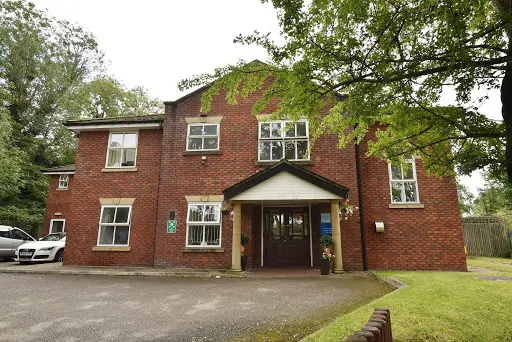
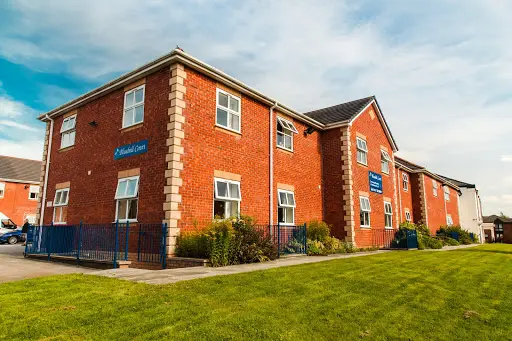
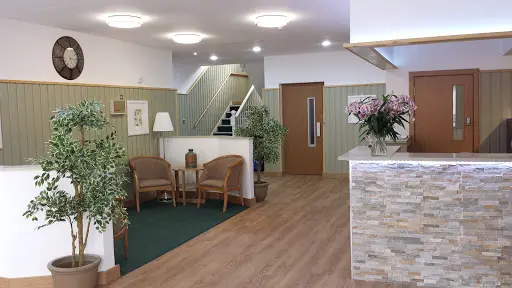
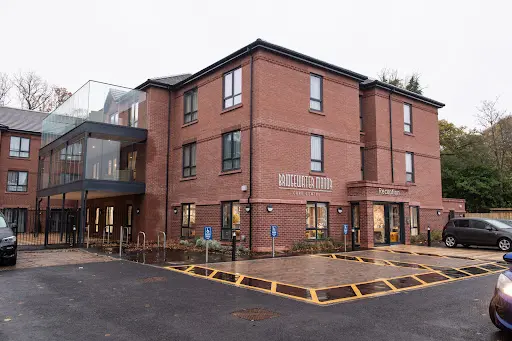
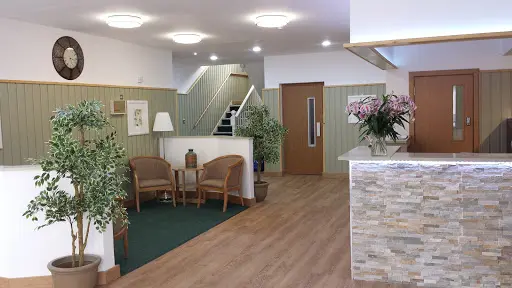
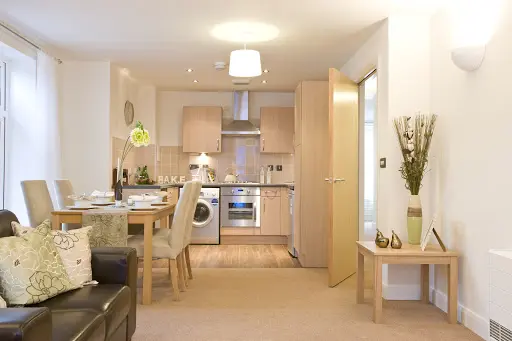
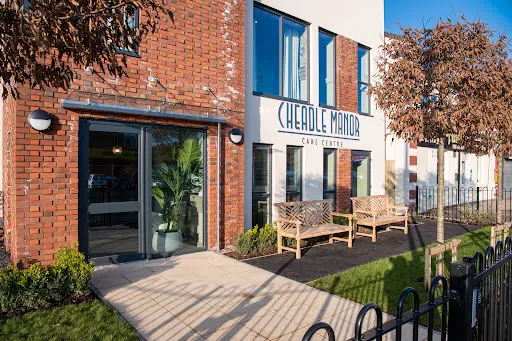
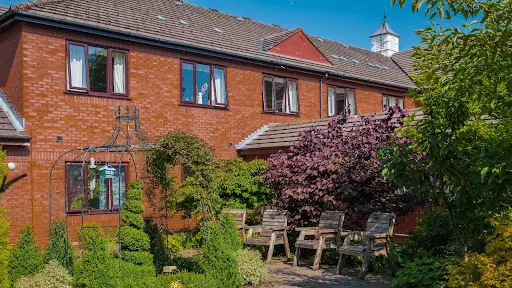
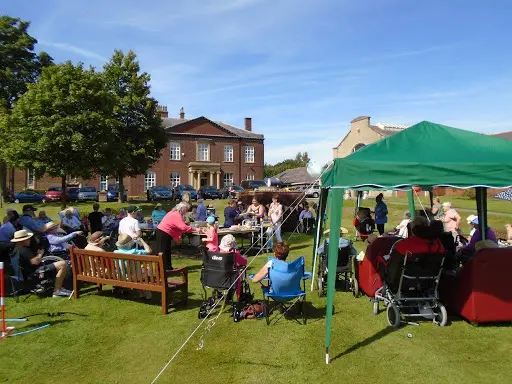
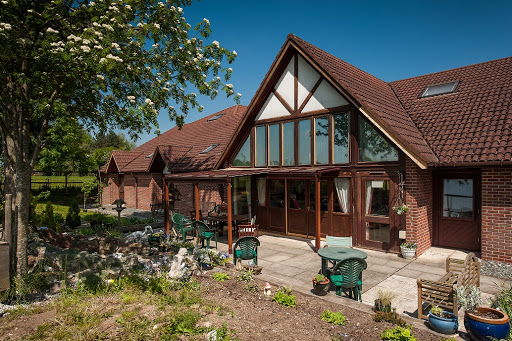
The home is kept spotlessly clean and well-maintained, with comfortable rooms that give residents their own space when they need it. There's mention of afternoon activities where families can join in, which helps everyone feel part of things. The physical environment feels calm and settled — the kind of place where people can relax and be themselves.
“If you're considering The Willows for someone close to you, visiting will give you a real sense of how the team works and whether it feels right for your family.”
DCC does not edit or curate content in this tab. For independently curated information, see The Evidence and DCC Verdict.