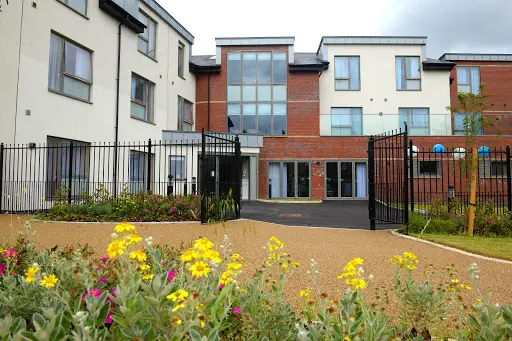
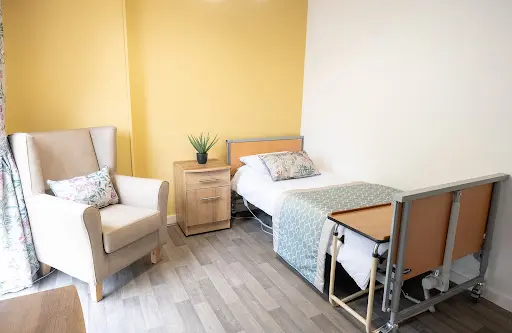
Millfield Care Home in Heywood | Qualia Care
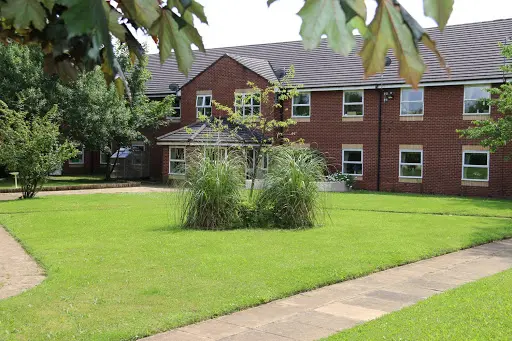
At a Glance
The information you need to decide whether this home warrants a closer look.
Nursing homes
Staff warmth score
of reviewers answered yes
Good to know
- Registered beds92
- SpecialismsCaring for adults over 65 yrs, Caring for adults under 65 yrs, Dementia, Mental health conditions, Physical disabilities, Sensory impairment
- Last inspected2018-04-11
Save Millfield Care Home in Heywood | Qualia Care to your shortlist
Keep a running list, add visit notes, and compare homes side-by-side. Free account — it takes a minute.
STAGE 4 — RESEARCHING CARE HOMES
Visit homes. Compare them side by side. Choose with confidence.
Most of us will view care homes the way we view houses, impression, atmosphere, the feeling in the corridor. We go home, try to remember what we saw, and make a permanent decision from a blurred memory.

The DCC shortlist gives every home you visit a structured record: the same twelve questions, answered the same way, every time. When you’re ready to choose, pull any two homes side by side and compare them directly. Same criteria, same evidence, your notes and your scores.
The Evidence
What the review data, the inspection reports, and the dementia-care evidence base tell us about this home.
What families say
The staff take time to understand each resident as an individual. Families mention how care workers learn their relative's preferences and find ways to connect, especially with residents who communicate differently. People describe their loved ones participating in activities and showing real happiness after moving in.
The eight family priority themes
- Staff warmth52
- Compassion & dignity52
- Cleanliness52
- Activities & engagement50
- Food quality50
- Healthcare52
- Management & leadership55
- Resident happiness52
What inspectors found
Inspected 2018-04-11
Is this home safe?
Is the care effective?
The Effective domain was rated Good at the October 2020 inspection. This domain covers whether staff have the right training and skills, whether care plans reflect individual needs, whether your parent would get timely access to GPs and other health professionals, and whether nutrition and hydration are well managed. The published text contains no specific detail about dementia training content, care plan quality, or how the home supports people with complex needs such as dementia and mental health conditions together. The home lists dementia as a specialism, which means it accepts people with significant cognitive impairment.Is this home caring?
The Caring domain was rated Good at the October 2020 inspection. Inspectors assess this domain by looking at whether staff treat residents with dignity and respect, whether people are addressed by their preferred names, whether privacy is protected, and whether residents feel genuinely cared for rather than processed. The published text contains no specific observations about staff interactions, no quotes from residents or families, and no description of how the home protects independence. The Good rating means inspectors were satisfied at the time, but the absence of detail makes it impossible to describe exactly what that looked like.Is the home responsive?
The Responsive domain was rated Good at the October 2020 inspection. This domain covers whether the home meets individual needs, whether activities are meaningful and varied, whether people with different levels of ability can participate, and whether end-of-life care is handled with compassion. The home's specialism list includes dementia, mental health conditions, and sensory impairment, which means the activities and engagement offer needs to be adapted to a wide range of abilities and communication styles. The published text contains no specific description of activities, individual engagement, or how the home supports people who cannot join group sessions.Is the home well-led?
The Well-led domain was rated Good at the October 2020 inspection. The home is run by Qualia Care Limited, with Mrs Lisa Marie Astley named as registered manager and Mrs Lynn Patricia Fearn as nominated individual. A formal leadership structure is therefore in place. Good Practice research is clear that leadership stability is one of the strongest predictors of consistent quality over time, but the published text gives no information about how long the current manager has been in post, how staff are supported to raise concerns, or how the home uses feedback from residents and families to improve.
Source: CQC inspection report →
What the evidence base says
The home caters for people with sensory impairments, dementia, mental health conditions and physical disabilities. They support both younger adults under 65 and older residents. For residents living with dementia, the staff work to understand individual communication styles and preferences. Families report seeing their relatives engage with activities and show improved wellbeing. All areas worth probing directly during a visit.
The DCC Verdict
Our editorial view, built from the three lenses: what families tell us, what inspectors record, and how the home sits against good dementia-care practice.
DCC Family Score
Millfield Care Home holds a Good rating across all five domains, but the inspection report published in October 2020 contains very limited specific evidence, so most scores sit in the 50-69 range, reflecting a rating that is positive but not supported by detailed observations, quotes, or specific examples in the available text.
Homes in North West typically score 68–82.The three-lens summary
What families tell us
The staff take time to understand each resident as an individual. Families mention how care workers learn their relative's preferences and find ways to connect, especially with residents who communicate differently. People describe their loved ones participating in activities and showing real happiness after moving in.
What inspectors have recorded
Staff go beyond their basic duties — accompanying residents to hospital appointments and social outings. Families appreciate the patience shown when helping anxious residents settle in. However, there have been concerns raised about entrance security and ensuring proper supervision throughout the home.
How it sits against good practice
If you're considering Millfield for someone you love, visiting will help you get a feel for how the team works with residents.
Worth a visit
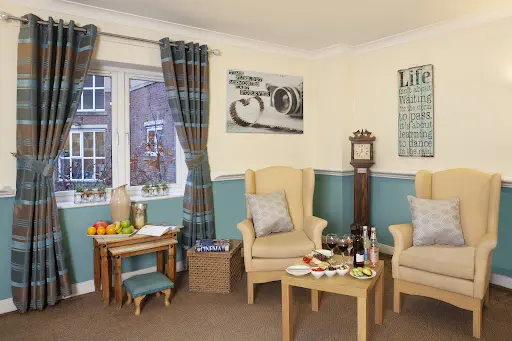
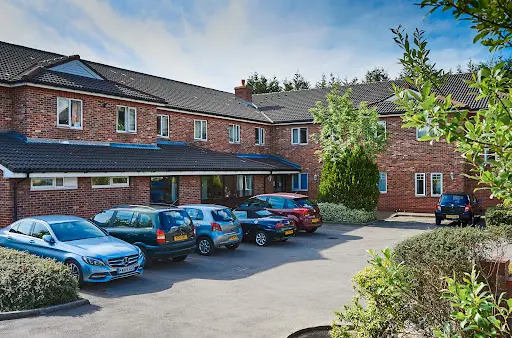
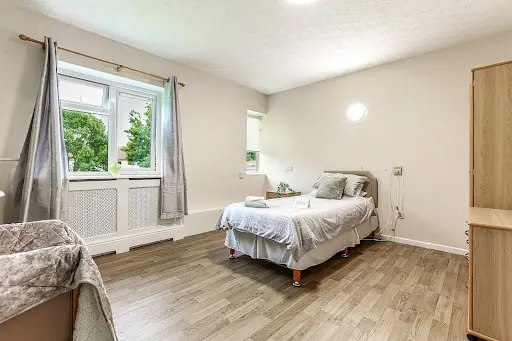
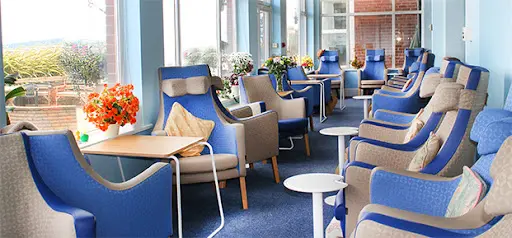
Millfield Care Home on Bury New Road in Heywood was rated Good across all five inspection domains at its last full inspection in October 2020. That rating has been reviewed in July 2023 and the rating was not changed, meaning inspectors found no evidence to trigger a reassessment. The home is registered for 92 beds and supports people with dementia, mental health conditions, physical disabilities, and sensory impairment, making it a broadly specialist setting. The main limitation of this report is that the published inspection text contains almost no specific detail: no inspector observations, no quotes from your parent's potential neighbours or their families, and no concrete examples of how care is delivered day to day. A Good rating is genuinely positive, but it tells you relatively little on its own about what life inside the home actually looks like. The inspection is also now several years old. Before visiting, ask the manager for the most recent staffing rota (including nights), the current ratio of permanent to agency staff, how often care plans are reviewed, and how families are kept informed when something changes. On your visit, pay attention to how staff in the corridors interact with residents who are not expecting anything from them: that unscripted moment is often the most reliable signal of the culture in a home.
The three questions to ask when you visitSave this home. Compare it against your shortlist.
Let our analysis show you how Millfield Care Home in Heywood | Qualia Care measures up against the other homes you’re considering. Free account.
In Their Own Words
How Millfield Care Home in Heywood | Qualia Care describes itself — collected from its own website. DCC has not edited or independently verified the content in this tab.
Where staff learn every resident's unique way of communicating
Millfield Care Home – Expert Care in Heywood
Families choosing Millfield Care Home in Heywood often speak about the personal connections their relatives build with staff. This home supports people with various needs, from dementia to physical disabilities, and families describe seeing their loved ones settle in and find contentment here.
Who they care for
The home caters for people with sensory impairments, dementia, mental health conditions and physical disabilities. They support both younger adults under 65 and older residents.
For residents living with dementia, the staff work to understand individual communication styles and preferences. Families report seeing their relatives engage with activities and show improved wellbeing.
“If you're considering Millfield for someone you love, visiting will help you get a feel for how the team works with residents.”
DCC does not edit or curate content in this tab. For independently curated information, see The Evidence and DCC Verdict.
The DCC Verdict
Our editorial view, built from the three lenses: what families tell us, what inspectors record, and how the home sits against good dementia-care practice.
DCC Family Score
Millfield Care Home holds a Good rating across all five domains, but the inspection report published in October 2020 contains very limited specific evidence, so most scores sit in the 50-69 range, reflecting a rating that is positive but not supported by detailed observations, quotes, or specific examples in the available text.
Homes in North West typically score 68–82.The three-lens summary
What families tell us
The staff take time to understand each resident as an individual. Families mention how care workers learn their relative's preferences and find ways to connect, especially with residents who communicate differently. People describe their loved ones participating in activities and showing real happiness after moving in.
What inspectors have recorded
Staff go beyond their basic duties — accompanying residents to hospital appointments and social outings. Families appreciate the patience shown when helping anxious residents settle in. However, there have been concerns raised about entrance security and ensuring proper supervision throughout the home.
How it sits against good practice
If you're considering Millfield for someone you love, visiting will help you get a feel for how the team works with residents.
Worth a visit
Millfield Care Home on Bury New Road in Heywood was rated Good across all five inspection domains at its last full inspection in October 2020. That rating has been reviewed in July 2023 and the rating was not changed, meaning inspectors found no evidence to trigger a reassessment. The home is registered for 92 beds and supports people with dementia, mental health conditions, physical disabilities, and sensory impairment, making it a broadly specialist setting. The main limitation of this report is that the published inspection text contains almost no specific detail: no inspector observations, no quotes from your parent's potential neighbours or their families, and no concrete examples of how care is delivered day to day. A Good rating is genuinely positive, but it tells you relatively little on its own about what life inside the home actually looks like. The inspection is also now several years old. Before visiting, ask the manager for the most recent staffing rota (including nights), the current ratio of permanent to agency staff, how often care plans are reviewed, and how families are kept informed when something changes. On your visit, pay attention to how staff in the corridors interact with residents who are not expecting anything from them: that unscripted moment is often the most reliable signal of the culture in a home.
The three questions to ask when you visitSave this home. Compare it against your shortlist.
Let our analysis show you how Millfield Care Home in Heywood | Qualia Care measures up against the other homes you’re considering. Free account.
In Their Own Words
How Millfield Care Home in Heywood | Qualia Care describes itself — collected from its own website. DCC has not edited or independently verified the content in this tab.
Where staff learn every resident's unique way of communicating
Millfield Care Home – Expert Care in Heywood
Families choosing Millfield Care Home in Heywood often speak about the personal connections their relatives build with staff. This home supports people with various needs, from dementia to physical disabilities, and families describe seeing their loved ones settle in and find contentment here.
Who they care for
The home caters for people with sensory impairments, dementia, mental health conditions and physical disabilities. They support both younger adults under 65 and older residents.
For residents living with dementia, the staff work to understand individual communication styles and preferences. Families report seeing their relatives engage with activities and show improved wellbeing.
Management & ethos
Staff go beyond their basic duties — accompanying residents to hospital appointments and social outings. Families appreciate the patience shown when helping anxious residents settle in. However, there have been concerns raised about entrance security and ensuring proper supervision throughout the home.
“If you're considering Millfield for someone you love, visiting will help you get a feel for how the team works with residents.”
DCC does not edit or curate content in this tab. For independently curated information, see The Evidence and DCC Verdict.