Highfield Manor Care Home
At a Glance
The information you need to decide whether this home warrants a closer look.
Residential homes
Staff warmth score
of reviewers answered yes
Good to know
- Registered beds38
- SpecialismsCaring for adults over 65 yrs, Caring for adults under 65 yrs, Dementia, Physical disabilities
- Last inspected2019-12-04
Save Highfield Manor Care Home to your shortlist
Keep a running list, add visit notes, and compare homes side-by-side. Free account — it takes a minute.
STAGE 4 — RESEARCHING CARE HOMES
Visit homes. Compare them side by side. Choose with confidence.
Most of us will view care homes the way we view houses, impression, atmosphere, the feeling in the corridor. We go home, try to remember what we saw, and make a permanent decision from a blurred memory.

The DCC shortlist gives every home you visit a structured record: the same twelve questions, answered the same way, every time. When you’re ready to choose, pull any two homes side by side and compare them directly. Same criteria, same evidence, your notes and your scores.
The Evidence
What the review data, the inspection reports, and the dementia-care evidence base tell us about this home.
What families say
People notice how residents actually form friendships here — both with each other and with the staff who look after them. There's a sense of community that helps everyone feel more settled. Families mention being able to drop by anytime and finding everything just as it should be.
The eight family priority themes
- Staff warmth55
- Compassion & dignity55
- Cleanliness55
- Activities & engagement50
- Food quality50
- Healthcare55
- Management & leadership60
- Resident happiness55
What inspectors found
Inspected 2019-12-04
Is this home safe?
Is the care effective?
The home received a Good rating for Effective at the August 2020 inspection. This domain covers training, care planning, healthcare access, nutrition, and how well the home supports people's physical and mental health needs. The home lists dementia as a specialism, which implies staff have relevant training, but no detail about training content, completion rates, GP access frequency, or care plan review processes is available in the published summary.Is this home caring?
The home received a Good rating for Caring at the August 2020 inspection. This domain is the closest official measure of whether staff are genuinely kind and whether your parent would be treated with dignity and respect. No specific inspector observations, resident quotes, or staff interaction examples are included in the published summary. The Good rating indicates inspectors found the standard satisfactory, but the evidence behind that conclusion is not available in the published text.Is the home responsive?
The home received a Good rating for Responsive at the August 2020 inspection. This domain covers activities, individual engagement, complaint handling, and end-of-life care planning. The home's specialism in dementia suggests an expectation of tailored, individual support. No specific activities, engagement examples, complaint outcomes, or end-of-life planning details are described in the available report text.Is the home well-led?
The home received a Good rating for Well-led at the August 2020 inspection. A registered manager, Miss Donna Marie O'Hanlon, and a nominated individual, Ms Mandy Dhaliwal, are recorded. This indicates a defined and accountable leadership structure. No detail about the manager's tenure, how staff are supported to raise concerns, governance processes, or how the home responds to complaints and incidents is available in the published text.
Source: CQC inspection report →
What the evidence base says
Highfield Manor cares for adults over 65 and under 65, including those with physical disabilities. The home specialises in dementia care. Staff here know how to support people through the behavioral changes that come with dementia. Families describe seeing genuine compassion during those harder moments, with staff taking time to provide emotional support rather than rushing through care tasks. All areas worth probing directly during a visit.
The DCC Verdict
Our editorial view, built from the three lenses: what families tell us, what inspectors record, and how the home sits against good dementia-care practice.
DCC Family Score
Every domain was rated Good at the August 2020 inspection, which is a solid foundation. However, the published report contains very limited specific detail, so scores reflect confirmed ratings rather than rich observed evidence.
Homes in North West typically score 68–82.The three-lens summary
What families tell us
People notice how residents actually form friendships here — both with each other and with the staff who look after them. There's a sense of community that helps everyone feel more settled. Families mention being able to drop by anytime and finding everything just as it should be.
What inspectors have recorded
The team here seems to understand what families go through. They pick up the phone when you call, or ring you back quickly if they can't. When something changes with your loved one's health, they let you know straight away. Staff show real patience, especially when dementia makes things difficult, and that comes from good leadership throughout the home.
How it sits against good practice
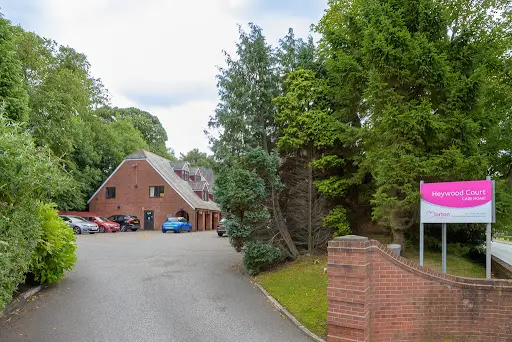
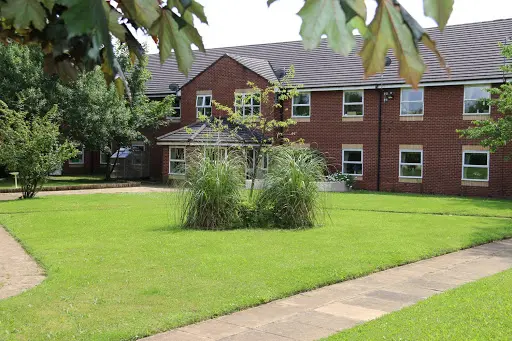
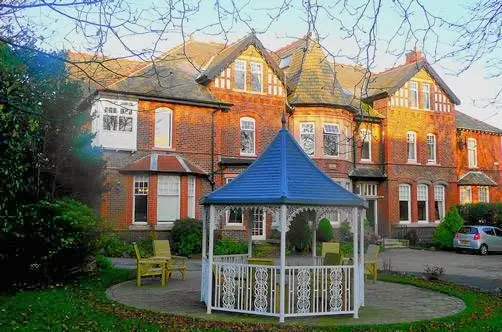
Sometimes the building might not look like much from the outside, but step inside and you'll find something more important — people who truly care.
Worth a visit
Highfield Manor Care Home at 70 Manchester Road, Heywood, was rated Good across all five domains at its inspection in August 2020, with that rating confirmed as still current following a monitoring review in July 2023. The home is registered to care for adults over and under 65, including people with dementia and physical disabilities, across 38 beds. A named registered manager and nominated individual are recorded, indicating a defined leadership structure. The main limitation of this report is that the published summary contains very little specific detail. No inspector observations, resident quotes, or concrete examples of care practice are included in the available text. A Good rating is meaningful and should not be dismissed, but it cannot tell you whether the staff know your parent by name, whether the food is genuinely good, or how the home manages a distressed resident at two in the morning. Visit in person, ask to see last week's actual staffing rota (not a template), and spend time watching how staff interact with people in the corridors and communal areas.
The three questions to ask when you visitSave this home. Compare it against your shortlist.
Let our analysis show you how Highfield Manor Care Home measures up against the other homes you’re considering. Free account.
In Their Own Words
How Highfield Manor Care Home describes itself — collected from its own website. DCC has not edited or independently verified the content in this tab.
Where patience and kindness shape every single day
Dedicated residential home Support in Heywood
Some care homes just get it right when families need them most. Highfield Manor in Heywood stands out for the way staff handle the tough moments — those times when dementia changes everything, when phone calls can't wait, when dignity matters more than ever. Families talk about finding real support here, not just care.
Who they care for
Highfield Manor cares for adults over 65 and under 65, including those with physical disabilities. The home specialises in dementia care.
Staff here know how to support people through the behavioral changes that come with dementia. Families describe seeing genuine compassion during those harder moments, with staff taking time to provide emotional support rather than rushing through care tasks.
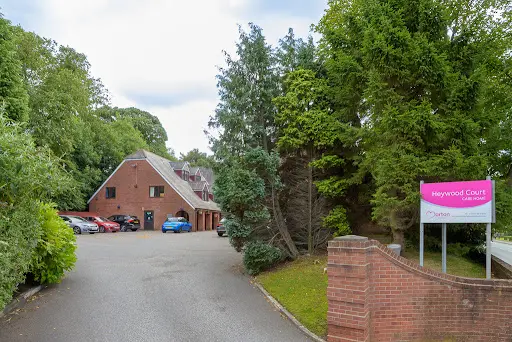
“Sometimes the building might not look like much from the outside, but step inside and you'll find something more important — people who truly care.”
DCC does not edit or curate content in this tab. For independently curated information, see The Evidence and DCC Verdict.
The DCC Verdict
Our editorial view, built from the three lenses: what families tell us, what inspectors record, and how the home sits against good dementia-care practice.
DCC Family Score
Every domain was rated Good at the August 2020 inspection, which is a solid foundation. However, the published report contains very limited specific detail, so scores reflect confirmed ratings rather than rich observed evidence.
Homes in North West typically score 68–82.The three-lens summary
What families tell us
People notice how residents actually form friendships here — both with each other and with the staff who look after them. There's a sense of community that helps everyone feel more settled. Families mention being able to drop by anytime and finding everything just as it should be.
What inspectors have recorded
The team here seems to understand what families go through. They pick up the phone when you call, or ring you back quickly if they can't. When something changes with your loved one's health, they let you know straight away. Staff show real patience, especially when dementia makes things difficult, and that comes from good leadership throughout the home.
How it sits against good practice
Sometimes the building might not look like much from the outside, but step inside and you'll find something more important — people who truly care.
Worth a visit
Highfield Manor Care Home at 70 Manchester Road, Heywood, was rated Good across all five domains at its inspection in August 2020, with that rating confirmed as still current following a monitoring review in July 2023. The home is registered to care for adults over and under 65, including people with dementia and physical disabilities, across 38 beds. A named registered manager and nominated individual are recorded, indicating a defined leadership structure. The main limitation of this report is that the published summary contains very little specific detail. No inspector observations, resident quotes, or concrete examples of care practice are included in the available text. A Good rating is meaningful and should not be dismissed, but it cannot tell you whether the staff know your parent by name, whether the food is genuinely good, or how the home manages a distressed resident at two in the morning. Visit in person, ask to see last week's actual staffing rota (not a template), and spend time watching how staff interact with people in the corridors and communal areas.
The three questions to ask when you visitSave this home. Compare it against your shortlist.
Let our analysis show you how Highfield Manor Care Home measures up against the other homes you’re considering. Free account.
In Their Own Words
How Highfield Manor Care Home describes itself — collected from its own website. DCC has not edited or independently verified the content in this tab.
Where patience and kindness shape every single day
Dedicated residential home Support in Heywood
Some care homes just get it right when families need them most. Highfield Manor in Heywood stands out for the way staff handle the tough moments — those times when dementia changes everything, when phone calls can't wait, when dignity matters more than ever. Families talk about finding real support here, not just care.
Who they care for
Highfield Manor cares for adults over 65 and under 65, including those with physical disabilities. The home specialises in dementia care.
Staff here know how to support people through the behavioral changes that come with dementia. Families describe seeing genuine compassion during those harder moments, with staff taking time to provide emotional support rather than rushing through care tasks.
Management & ethos
The team here seems to understand what families go through. They pick up the phone when you call, or ring you back quickly if they can't. When something changes with your loved one's health, they let you know straight away. Staff show real patience, especially when dementia makes things difficult, and that comes from good leadership throughout the home.
“Sometimes the building might not look like much from the outside, but step inside and you'll find something more important — people who truly care.”
DCC does not edit or curate content in this tab. For independently curated information, see The Evidence and DCC Verdict.