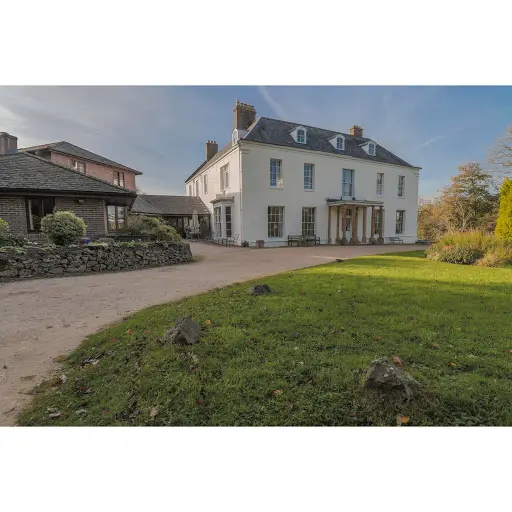
Meryton Place Care Home

At a Glance
The information you need to decide whether this home warrants a closer look.
Nursing homes
Staff warmth score
of reviewers answered yes
Good to know
- Registered beds78
- SpecialismsCaring for adults over 65 yrs, Dementia
- Last inspected2025-04-29
Save Meryton Place Care Home to your shortlist
Keep a running list, add visit notes, and compare homes side-by-side. Free account — it takes a minute.
STAGE 4 — RESEARCHING CARE HOMES
Visit homes. Compare them side by side. Choose with confidence.
Most of us will view care homes the way we view houses, impression, atmosphere, the feeling in the corridor. We go home, try to remember what we saw, and make a permanent decision from a blurred memory.

The DCC shortlist gives every home you visit a structured record: the same twelve questions, answered the same way, every time. When you’re ready to choose, pull any two homes side by side and compare them directly. Same criteria, same evidence, your notes and your scores.
The Evidence
What the review data, the inspection reports, and the dementia-care evidence base tell us about this home.
What families say
Visitors consistently describe feeling welcomed by professional staff who show genuine interest in residents as individuals. The atmosphere strikes a balance between the security families need and the warmth that helps residents feel at ease.
The eight family priority themes
- Staff warmth72
- Compassion & dignity74
- Cleanliness72
- Activities & engagement73
- Food quality68
- Healthcare70
- Management & leadership75
- Resident happiness70
What inspectors found
Inspected 2025-04-29 Report published 2025-04-29
Is this home safe?
Is the care effective?
Effective was rated Good at the April 2025 inspection. This domain covers whether staff have the right training, whether care plans are detailed and kept up to date, whether people's health needs are met, and whether the home works well with GPs and other health professionals. The home holds a formal dementia specialism, and the published information indicates staff are expected to learn about each person's past interests and incorporate these into daily care. Specific training content, care plan review frequency, and GP access detail are not recorded in the available published findings.Is this home caring?
Caring was rated Good at the April 2025 inspection. This domain covers whether staff are kind, whether people are treated with dignity and respect, whether their privacy is maintained, and whether their independence is supported. A Good rating here indicates inspectors did not find evidence of poor practice in these areas. The published findings do not include specific inspector observations of staff interactions, quotes from people living at the home, or examples of how dignity was maintained in practice.Is the home responsive?
Responsive was rated Good at the April 2025 inspection. This domain covers whether activities are meaningful and tailored to individuals, whether people's preferences are reflected in their daily lives, and whether end-of-life care is planned thoughtfully. The home's published information references meaningful activities and familiar routines for people living with dementia, and mentions staff learning about past interests. The published inspection findings do not record the specific range of activities offered, how one-to-one engagement is provided, or how end-of-life conversations are approached.Is the home well-led?
Well-led was rated Good at the April 2025 inspection. This domain covers whether leadership is visible and effective, whether staff feel supported and can raise concerns, and whether the home has reliable systems for monitoring quality and acting on problems. A named registered manager (Natalie Louise James) and a nominated individual (Aderio Rocha) are both identified in the registration record. The home is part of the Hamberley Care group. Specific detail on manager tenure, staff culture, or governance systems is not recorded in the available published findings.
Source: CQC inspection report →
What the evidence base says
The home specialises in dementia care and supports adults over 65. The team has shown flexibility in accommodating personal interests, including arranging for one person who lives at the home to attend remembrance events in military dress. The team demonstrates understanding of how meaningful activities and familiar routines support people living with dementia. Staff take time to learn about each person's past interests and find ways to incorporate these into daily life. All areas worth probing directly during a visit.
The DCC Verdict
Our editorial view, built from the three lenses: what families tell us, what inspectors record, and how the home sits against good dementia-care practice.
DCC Family Score
Meryton Place Care Home was rated Good across all five inspection domains at its April 2025 assessment. The score reflects consistently positive findings without the granular detail, direct observations, or resident testimony that would push individual themes into the higher bands.
Homes in South West typically score 68–82.The three-lens summary
What families tell us
Visitors consistently describe feeling welcomed by professional staff who show genuine interest in residents as individuals. The atmosphere strikes a balance between the security families need and the warmth that helps residents feel at ease.
What inspectors have recorded
Staff receive regular praise for their attentiveness and kindness, particularly during difficult times like end-of-life care. While there have been some internal staffing concerns raised, families report consistent, compassionate support when it matters most.
How it sits against good practice
If you're considering Meryton Place, visiting in person will give you the clearest sense of whether it feels right for your family member.
Worth a visit
Meryton Place Care Home, at 213 Bath Road, Bristol, was rated Good across all five inspection domains at its most recent assessment on 29 April 2025, published 20 August 2025. The home is registered to care for adults over 65, including people living with dementia, and operates 78 beds under the Hamberley Care group. A named registered manager and nominated individual are in post, and all domains, covering safety, effectiveness, care, responsiveness, and leadership, were found to meet the standard inspectors expect. The published findings available for this report are summary-level rather than narrative, which means there is limited specific inspector observation, resident testimony, or staff interaction detail to draw on. That is not a concern in itself, as all ratings are Good, but it does mean you should use your visit to fill the gaps. Ask the manager to walk you through night staffing numbers for the dementia unit specifically, show you last week's actual rota (not the template), and explain how the home keeps families informed when something changes. Observe whether staff move at an unhurried pace in corridors and whether people living with dementia appear settled and engaged in the communal areas.
The three questions to ask when you visitSave this home. Compare it against your shortlist.
Let our analysis show you how Meryton Place Care Home measures up against the other homes you’re considering. Free account.
In Their Own Words
How Meryton Place Care Home describes itself — collected from its own website. DCC has not edited or independently verified the content in this tab.
Where modern comfort meets genuine warmth in Bristol
Dedicated nursing home Support in Bristol
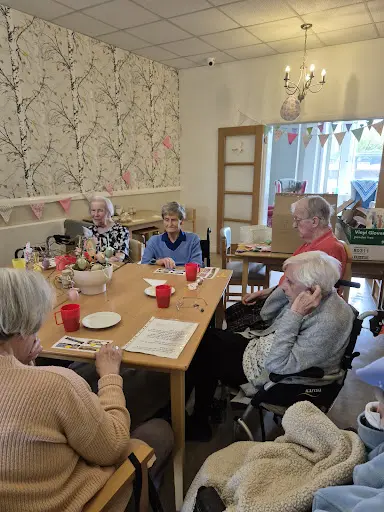
Families visiting Meryton Place Care Home in Bristol often mention how settled their relatives seem — residents appear engaged and content in their surroundings. The home combines contemporary facilities with staff who take time to understand each person's interests, from military history to favourite pastimes.
Who they care for
The home specialises in dementia care and supports adults over 65. The team has shown flexibility in accommodating personal interests, including arranging for one person who lives at the home to attend remembrance events in military dress.
The team demonstrates understanding of how meaningful activities and familiar routines support people living with dementia. Staff take time to learn about each person's past interests and find ways to incorporate these into daily life.
“If you're considering Meryton Place, visiting in person will give you the clearest sense of whether it feels right for your family member.”
DCC does not edit or curate content in this tab. For independently curated information, see The Evidence and DCC Verdict.
The DCC Verdict
Our editorial view, built from the three lenses: what families tell us, what inspectors record, and how the home sits against good dementia-care practice.
DCC Family Score
Meryton Place Care Home was rated Good across all five inspection domains at its April 2025 assessment. The score reflects consistently positive findings without the granular detail, direct observations, or resident testimony that would push individual themes into the higher bands.
Homes in South West typically score 68–82.The three-lens summary
What families tell us
Visitors consistently describe feeling welcomed by professional staff who show genuine interest in residents as individuals. The atmosphere strikes a balance between the security families need and the warmth that helps residents feel at ease.
What inspectors have recorded
Staff receive regular praise for their attentiveness and kindness, particularly during difficult times like end-of-life care. While there have been some internal staffing concerns raised, families report consistent, compassionate support when it matters most.
How it sits against good practice
If you're considering Meryton Place, visiting in person will give you the clearest sense of whether it feels right for your family member.
Worth a visit
Meryton Place Care Home, at 213 Bath Road, Bristol, was rated Good across all five inspection domains at its most recent assessment on 29 April 2025, published 20 August 2025. The home is registered to care for adults over 65, including people living with dementia, and operates 78 beds under the Hamberley Care group. A named registered manager and nominated individual are in post, and all domains, covering safety, effectiveness, care, responsiveness, and leadership, were found to meet the standard inspectors expect. The published findings available for this report are summary-level rather than narrative, which means there is limited specific inspector observation, resident testimony, or staff interaction detail to draw on. That is not a concern in itself, as all ratings are Good, but it does mean you should use your visit to fill the gaps. Ask the manager to walk you through night staffing numbers for the dementia unit specifically, show you last week's actual rota (not the template), and explain how the home keeps families informed when something changes. Observe whether staff move at an unhurried pace in corridors and whether people living with dementia appear settled and engaged in the communal areas.
The three questions to ask when you visitSave this home. Compare it against your shortlist.
Let our analysis show you how Meryton Place Care Home measures up against the other homes you’re considering. Free account.
In Their Own Words
How Meryton Place Care Home describes itself — collected from its own website. DCC has not edited or independently verified the content in this tab.
Where modern comfort meets genuine warmth in Bristol
Dedicated nursing home Support in Bristol
Families visiting Meryton Place Care Home in Bristol often mention how settled their relatives seem — residents appear engaged and content in their surroundings. The home combines contemporary facilities with staff who take time to understand each person's interests, from military history to favourite pastimes.
Who they care for
The home specialises in dementia care and supports adults over 65. The team has shown flexibility in accommodating personal interests, including arranging for one person who lives at the home to attend remembrance events in military dress.
The team demonstrates understanding of how meaningful activities and familiar routines support people living with dementia. Staff take time to learn about each person's past interests and find ways to incorporate these into daily life.
Management & ethos
Staff receive regular praise for their attentiveness and kindness, particularly during difficult times like end-of-life care. While there have been some internal staffing concerns raised, families report consistent, compassionate support when it matters most.
The home & environment
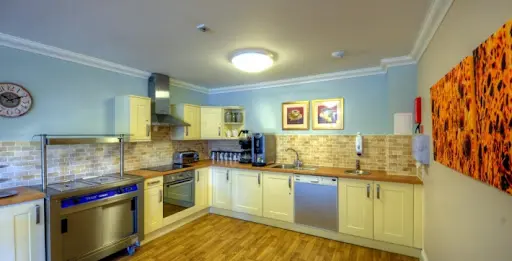
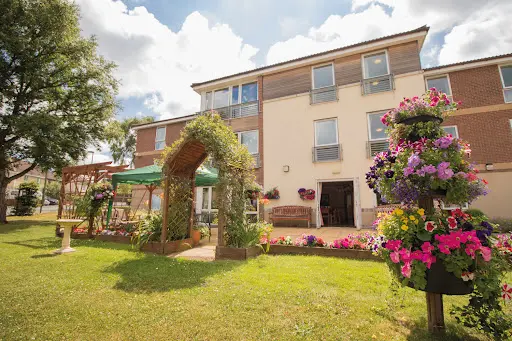
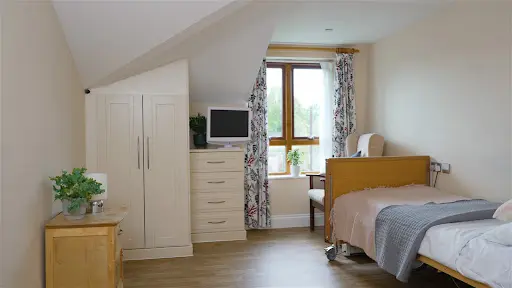
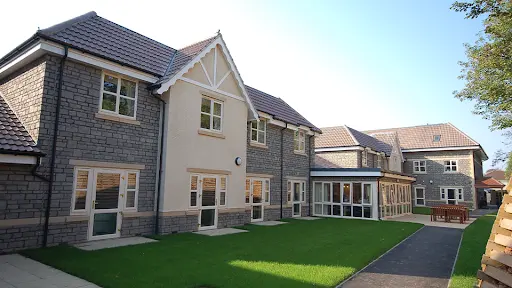
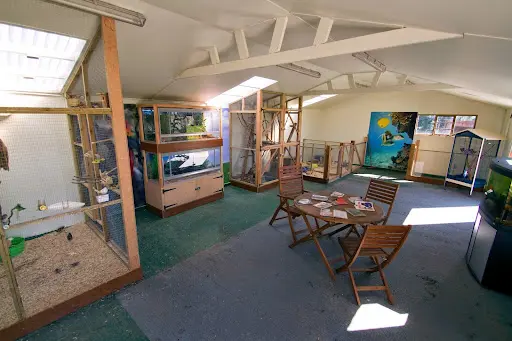
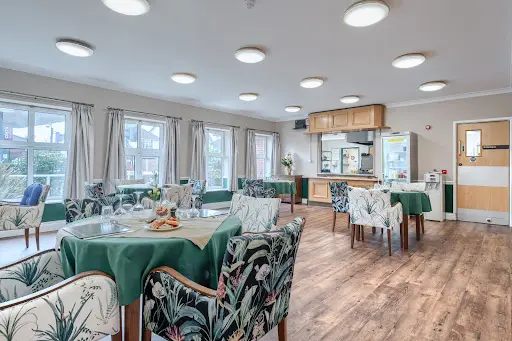
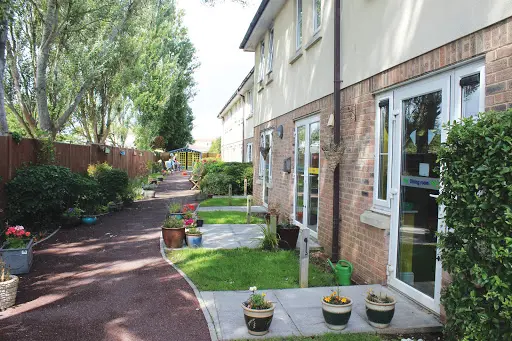
The building itself is modern and well-maintained, with thoughtful design touches throughout. Several families have commented on the quality of the food, though most feedback focuses more on the care approach than specific amenities.
“If you're considering Meryton Place, visiting in person will give you the clearest sense of whether it feels right for your family member.”
DCC does not edit or curate content in this tab. For independently curated information, see The Evidence and DCC Verdict.