Barchester – Kingfisher Lodge Care Home
At a Glance
The information you need to decide whether this home warrants a closer look.
Nursing homes
Staff warmth score
of reviewers answered yes
Good to know
- Registered beds60
- SpecialismsCaring for adults over 65 yrs, Caring for adults under 65 yrs, Dementia, Physical disabilities
- Last inspected2022-07-02
Save Barchester – Kingfisher Lodge Care Home to your shortlist
Keep a running list, add visit notes, and compare homes side-by-side. Free account — it takes a minute.
STAGE 4 — RESEARCHING CARE HOMES
Visit homes. Compare them side by side. Choose with confidence.
Most of us will view care homes the way we view houses, impression, atmosphere, the feeling in the corridor. We go home, try to remember what we saw, and make a permanent decision from a blurred memory.

The DCC shortlist gives every home you visit a structured record: the same twelve questions, answered the same way, every time. When you’re ready to choose, pull any two homes side by side and compare them directly. Same criteria, same evidence, your notes and your scores.
The Evidence
What the review data, the inspection reports, and the dementia-care evidence base tell us about this home.
What families say
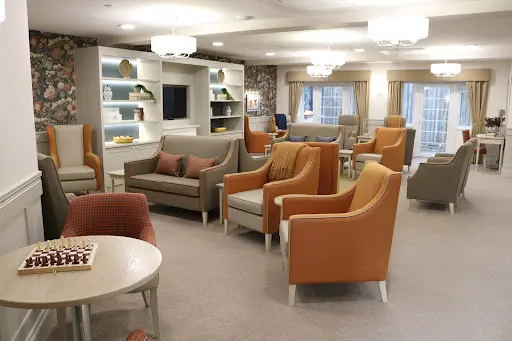
Relatives describe finding their loved ones genuinely happy here, often spotting smiles and hearing laughter during visits. The staff greet everyone by name and take time to chat, creating a warm atmosphere that helps residents feel settled. Whether it's joining in with visiting entertainers or simply enjoying quieter moments in the spacious lounges, there's a real sense of community throughout the home.
The eight family priority themes
- Staff warmth72
- Compassion & dignity72
- Cleanliness72
- Activities & engagement68
- Food quality68
- Healthcare70
- Management & leadership75
- Resident happiness70
What inspectors found
Inspected 2022-07-02
Is this home safe?
Is the care effective?
The Effective domain was rated Good, covering training, care planning, healthcare access, nutrition, and hydration. The home lists dementia as a specialism alongside physical disabilities and nursing care, which requires staff with specific skills and up-to-date training. No specific detail about dementia training content, care plan quality, GP access frequency, or food provision is included in the published inspection text. The Good rating indicates inspectors were satisfied across these areas.Is this home caring?
Inspectors awarded a Good rating for the Caring domain, which covers staff warmth, dignity, respect, and support for independence. This is the domain most closely tied to how residents actually experience daily life. The home supports people with dementia and physical disabilities, for whom person-led interactions are particularly important. No direct inspector observations, resident quotes, or specific examples of caring interactions are included in the published text.Is the home responsive?
The Responsive domain was rated Good, covering activities, engagement, individuality, and end-of-life planning. This domain assesses whether the home adapts to each person's needs and interests rather than offering a one-size approach. The home supports people with dementia and physical disabilities, both of which require tailored engagement. No specific activity examples, descriptions of individual programmes, or end-of-life planning approaches are recorded in the published text.Is the home well-led?
The Well-led domain was rated Good, and the home has a named registered manager, Miss Claudia Mihaela Costinean, and a named nominated individual, Mr Dominic Jude Kay. The improvement from a previous Requires Improvement rating across all five domains indicates that leadership has been effective in addressing earlier concerns. The home is operated by Barchester Healthcare Homes Limited, a large national provider. No specific detail about governance processes, staff culture, complaint handling, or how the manager is experienced by residents and staff is included in the published text.
Source: CQC inspection report →
What the evidence base says
Kingfisher Lodge cares for adults both over and under 65, including those living with dementia or physical disabilities. The home provides round-the-clock nursing support. While many families of residents with dementia speak positively about the care, the home may be better suited to those in earlier stages or with limited mobility. The open layout and staffing levels appear to work well for most, though families of mobile residents with advanced dementia should ask specific questions about supervision arrangements. All areas worth probing directly during a visit.
The DCC Verdict
Our editorial view, built from the three lenses: what families tell us, what inspectors record, and how the home sits against good dementia-care practice.
DCC Family Score
Kingfisher Lodge scores 73 out of 100, reflecting a home that has made genuine progress from its previous Requires Improvement rating to Good across all five inspection domains. The score reflects a positive overall picture, but the published inspection text contains limited specific observations, quotes, or direct examples, which prevents a higher score.
Homes in South West typically score 68–82.The three-lens summary
What families tell us
Relatives describe finding their loved ones genuinely happy here, often spotting smiles and hearing laughter during visits. The staff greet everyone by name and take time to chat, creating a warm atmosphere that helps residents feel settled. Whether it's joining in with visiting entertainers or simply enjoying quieter moments in the spacious lounges, there's a real sense of community throughout the home.
What inspectors have recorded
The nursing team stays on top of residents' medical needs, with families praising how quickly staff respond to any health changes. There's good communication between the home and relatives, who appreciate being kept in the loop. However, one family did raise serious concerns about supervision for mobile residents with advanced dementia after their relative experienced several unwitnessed falls, including one that resulted in a fracture.
How it sits against good practice
If you're considering Kingfisher Lodge, visiting at different times of day will give you a good feel for both the atmosphere and how the team manages the varying needs of residents.
Worth a visit
Kingfisher Lodge, on Chestnut Walk in Bristol, was rated Good at its inspection on 6 June 2022, published 2 July 2022. Inspectors awarded a Good rating across all five domains: safe, effective, caring, responsive, and well-led. Importantly, this represents a genuine improvement from a previous Requires Improvement rating, which suggests the management team has addressed earlier concerns and stabilised the service. The home is run by Barchester Healthcare Homes Limited and has a named registered manager in post. The main limitation for families reading this report is that the published inspection text contains very limited specific detail. There are no direct quotes from residents or relatives, no recorded inspector observations of staff interactions, and no specific figures for staffing, training completion, or activity provision. A Good rating is genuinely meaningful, particularly given the improvement trajectory, but you should visit in person and ask specific questions. On your visit, ask the manager how many permanent staff were on duty last week versus agency cover, and ask to see the most recent care plan for a resident with dementia to judge how detailed and personal it actually is.
The three questions to ask when you visitSave this home. Compare it against your shortlist.
Let our analysis show you how Barchester – Kingfisher Lodge Care Home measures up against the other homes you’re considering. Free account.
In Their Own Words
How Barchester – Kingfisher Lodge Care Home describes itself — collected from its own website. DCC has not edited or independently verified the content in this tab.
Where laughter fills the lounges and families always feel welcome
Kingfisher Lodge – Expert Care in Bristol
When you walk through the doors at Kingfisher Lodge in Bristol, you'll often hear residents chatting and laughing together in the communal areas. This established care home has built a reputation for keeping spirits high through regular entertainment and seasonal celebrations, while maintaining an open-door policy that lets families drop by whenever they need that extra reassurance.
Who they care for
Kingfisher Lodge cares for adults both over and under 65, including those living with dementia or physical disabilities. The home provides round-the-clock nursing support.
While many families of residents with dementia speak positively about the care, the home may be better suited to those in earlier stages or with limited mobility. The open layout and staffing levels appear to work well for most, though families of mobile residents with advanced dementia should ask specific questions about supervision arrangements.
“If you're considering Kingfisher Lodge, visiting at different times of day will give you a good feel for both the atmosphere and how the team manages the varying needs of residents.”
DCC does not edit or curate content in this tab. For independently curated information, see The Evidence and DCC Verdict.
The DCC Verdict
Our editorial view, built from the three lenses: what families tell us, what inspectors record, and how the home sits against good dementia-care practice.
DCC Family Score
Kingfisher Lodge scores 73 out of 100, reflecting a home that has made genuine progress from its previous Requires Improvement rating to Good across all five inspection domains. The score reflects a positive overall picture, but the published inspection text contains limited specific observations, quotes, or direct examples, which prevents a higher score.
Homes in South West typically score 68–82.The three-lens summary
What families tell us
Relatives describe finding their loved ones genuinely happy here, often spotting smiles and hearing laughter during visits. The staff greet everyone by name and take time to chat, creating a warm atmosphere that helps residents feel settled. Whether it's joining in with visiting entertainers or simply enjoying quieter moments in the spacious lounges, there's a real sense of community throughout the home.
What inspectors have recorded
The nursing team stays on top of residents' medical needs, with families praising how quickly staff respond to any health changes. There's good communication between the home and relatives, who appreciate being kept in the loop. However, one family did raise serious concerns about supervision for mobile residents with advanced dementia after their relative experienced several unwitnessed falls, including one that resulted in a fracture.
How it sits against good practice
If you're considering Kingfisher Lodge, visiting at different times of day will give you a good feel for both the atmosphere and how the team manages the varying needs of residents.
Worth a visit
Kingfisher Lodge, on Chestnut Walk in Bristol, was rated Good at its inspection on 6 June 2022, published 2 July 2022. Inspectors awarded a Good rating across all five domains: safe, effective, caring, responsive, and well-led. Importantly, this represents a genuine improvement from a previous Requires Improvement rating, which suggests the management team has addressed earlier concerns and stabilised the service. The home is run by Barchester Healthcare Homes Limited and has a named registered manager in post. The main limitation for families reading this report is that the published inspection text contains very limited specific detail. There are no direct quotes from residents or relatives, no recorded inspector observations of staff interactions, and no specific figures for staffing, training completion, or activity provision. A Good rating is genuinely meaningful, particularly given the improvement trajectory, but you should visit in person and ask specific questions. On your visit, ask the manager how many permanent staff were on duty last week versus agency cover, and ask to see the most recent care plan for a resident with dementia to judge how detailed and personal it actually is.
The three questions to ask when you visitSave this home. Compare it against your shortlist.
Let our analysis show you how Barchester – Kingfisher Lodge Care Home measures up against the other homes you’re considering. Free account.
In Their Own Words
How Barchester – Kingfisher Lodge Care Home describes itself — collected from its own website. DCC has not edited or independently verified the content in this tab.
Where laughter fills the lounges and families always feel welcome
Kingfisher Lodge – Expert Care in Bristol
When you walk through the doors at Kingfisher Lodge in Bristol, you'll often hear residents chatting and laughing together in the communal areas. This established care home has built a reputation for keeping spirits high through regular entertainment and seasonal celebrations, while maintaining an open-door policy that lets families drop by whenever they need that extra reassurance.
Who they care for
Kingfisher Lodge cares for adults both over and under 65, including those living with dementia or physical disabilities. The home provides round-the-clock nursing support.
While many families of residents with dementia speak positively about the care, the home may be better suited to those in earlier stages or with limited mobility. The open layout and staffing levels appear to work well for most, though families of mobile residents with advanced dementia should ask specific questions about supervision arrangements.
Management & ethos
The nursing team stays on top of residents' medical needs, with families praising how quickly staff respond to any health changes. There's good communication between the home and relatives, who appreciate being kept in the loop. However, one family did raise serious concerns about supervision for mobile residents with advanced dementia after their relative experienced several unwitnessed falls, including one that resulted in a fracture.
The home & environment
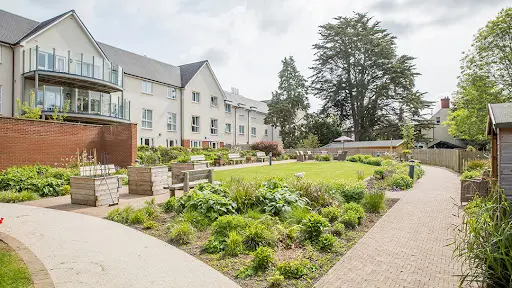
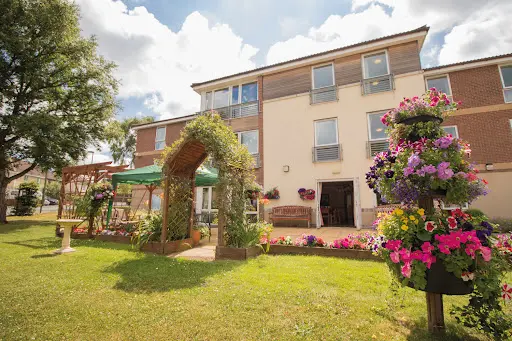
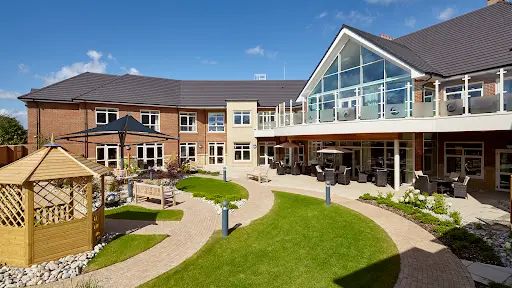
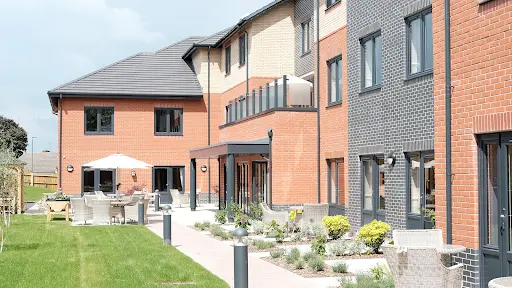
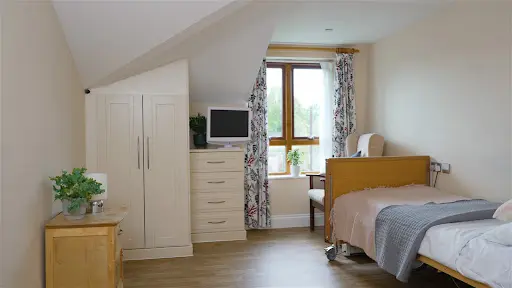
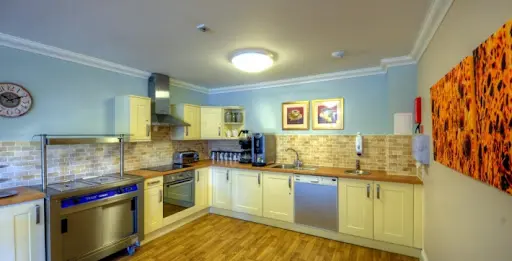
The home sits in a quiet spot with well-maintained communal areas that give residents plenty of space to relax or socialise. Families mention how clean and comfortable everything feels, from the bedrooms to the shared spaces. The activities programme brings in regular entertainment and organises seasonal events that get everyone involved, though some relatives have noted that residents with limited mobility might find it harder to join in with everything on offer.
“If you're considering Kingfisher Lodge, visiting at different times of day will give you a good feel for both the atmosphere and how the team manages the varying needs of residents.”
DCC does not edit or curate content in this tab. For independently curated information, see The Evidence and DCC Verdict.