Avon Valley Care Home – Avery Healthcare
At a Glance
The information you need to decide whether this home warrants a closer look.
Residential homes
Staff warmth score
of reviewers answered yes
Good to know
- Registered beds78
- SpecialismsCaring for adults over 65 yrs, Caring for adults under 65 yrs, Dementia, Physical disabilities, Sensory impairment
- Last inspected2022-07-19
Save Avon Valley Care Home – Avery Healthcare to your shortlist
Keep a running list, add visit notes, and compare homes side-by-side. Free account — it takes a minute.
STAGE 4 — RESEARCHING CARE HOMES
Visit homes. Compare them side by side. Choose with confidence.
Most of us will view care homes the way we view houses, impression, atmosphere, the feeling in the corridor. We go home, try to remember what we saw, and make a permanent decision from a blurred memory.

The DCC shortlist gives every home you visit a structured record: the same twelve questions, answered the same way, every time. When you’re ready to choose, pull any two homes side by side and compare them directly. Same criteria, same evidence, your notes and your scores.
The Evidence
What the review data, the inspection reports, and the dementia-care evidence base tell us about this home.
What families say
Families describe finding their relatives looking genuinely happy here, often in the communal areas rather than alone in their rooms. The activities programme keeps days interesting with regular entertainment and theme days, and staff take time to encourage residents to join in at their own pace.
The eight family priority themes
- Staff warmth72
- Compassion & dignity72
- Cleanliness70
- Activities & engagement65
- Food quality65
- Healthcare70
- Management & leadership75
- Resident happiness68
What inspectors found
Inspected 2022-07-19
Is this home safe?
Is the care effective?
The Effective domain was rated Good at the June 2022 inspection. This domain covers care planning, staff training, nutrition, and access to healthcare professionals such as GPs and specialist nurses. The home lists dementia as a specialism, which implies staff should have dementia-specific training, but the published report contains no description of training content, frequency, or how care plans are constructed and reviewed. Food quality and dietary management are also part of this domain, but no specific observations on meals or mealtimes are recorded. The rating is positive, and the improvement from the previous inspection is notable, but the lack of specific published evidence means families need to ask directly.Is this home caring?
The Caring domain was rated Good at the June 2022 inspection. Caring covers how staff treat the people who live in the home: whether they are kind, respectful, and unhurried, whether people are addressed by their preferred names, and whether privacy and dignity are genuinely maintained. The published summary does not include specific inspector observations of staff interactions, resident testimony, or relative feedback. The Good rating implies inspectors were satisfied with what they saw, but without recorded observations it is not possible to confirm the texture of day-to-day care from the report alone.Is the home responsive?
Is the home well-led?
The Well-led domain was rated Good at the June 2022 inspection, an improvement from the previous Requires Improvement rating. The home has a named registered manager, Mrs Rachael Kay Bridgeman, and a named nominated individual, Mrs Natasha Southall. Named, stable leadership is a positive governance marker and is associated with better outcomes in care home research. The published report does not provide detail on how the manager oversees quality, how staff are supported to raise concerns, or what governance processes are in place. The improvement across all five domains at a single inspection suggests that leadership has been effective in driving change.
Source: CQC inspection report →
What the evidence base says
The home supports residents with physical disabilities and sensory impairments, alongside caring for people both under and over 65. They list dementia care among their specialisms, with staff trained to support residents with cognitive changes. While the home provides dementia care, families should have an honest conversation about long-term needs — one family found the home couldn't continue supporting their relative as their dementia advanced. It's worth discussing directly what level of cognitive support they can maintain throughout someone's stay. All areas worth probing directly during a visit.
The DCC Verdict
Our editorial view, built from the three lenses: what families tell us, what inspectors record, and how the home sits against good dementia-care practice.
DCC Family Score
Avon Valley Care Home scores 71 out of 100, reflecting a genuine and encouraging improvement from its previous Requires Improvement rating to Good across all five domains. The score sits in the positive range but stops short of the 80s because the published inspection report contains limited specific detail, direct observations, and resident or family testimony to support the ratings with confidence.
Homes in South West typically score 68–82.The three-lens summary
What families tell us
Families describe finding their relatives looking genuinely happy here, often in the communal areas rather than alone in their rooms. The activities programme keeps days interesting with regular entertainment and theme days, and staff take time to encourage residents to join in at their own pace.
What inspectors have recorded
Staff here show the kind of attentiveness that comes from proper training — they notice when something's not quite right and respond quickly to individual needs. The team maintains consistent care standards, with families commenting on how well staff know each resident's preferences and routines.
How it sits against good practice
The consistent picture here is of residents who seem comfortable and families who feel their relatives are in good hands.
Worth a visit
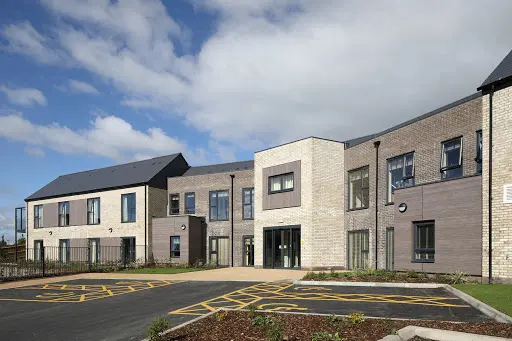
Avon Valley Care Home, on Tenniscourt Road in Bristol, was rated Good at its inspection in June 2022, published in July 2022. This is a meaningful step forward: the home had previously been rated Requires Improvement, and achieving Good across all five domains, including safety, care, and leadership, signals real progress. The home is run by Avery Homes Downend Limited and has a named registered manager, Mrs Rachael Kay Bridgeman, which is a positive sign of leadership accountability. The main uncertainty here is that the published report is thin on specific detail. There are no direct quotes from residents or relatives, no recorded inspector observations of day-to-day care, and limited information about staffing numbers, activities, or food. A Good rating is meaningful, but the limited evidence means you cannot rely on the report alone. When you visit, focus on what you see and hear directly: how staff speak to people in the corridors, whether your parent would be addressed by their preferred name, and what a typical Tuesday afternoon actually looks like for someone living on the dementia unit.
The three questions to ask when you visitSave this home. Compare it against your shortlist.
Let our analysis show you how Avon Valley Care Home – Avery Healthcare measures up against the other homes you’re considering. Free account.
In Their Own Words
How Avon Valley Care Home – Avery Healthcare describes itself — collected from its own website. DCC has not edited or independently verified the content in this tab.
Where daily life feels comfortable and residents genuinely seem content
Residential home in Bristol: True Peace of Mind
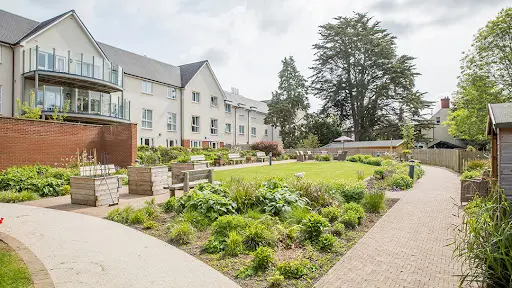
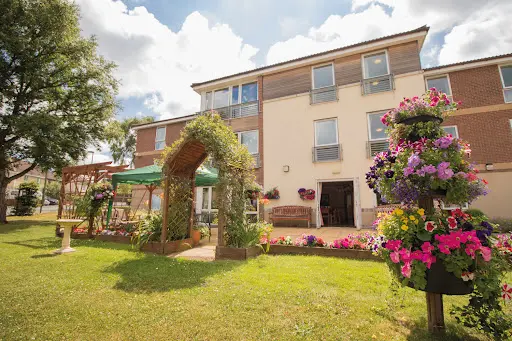
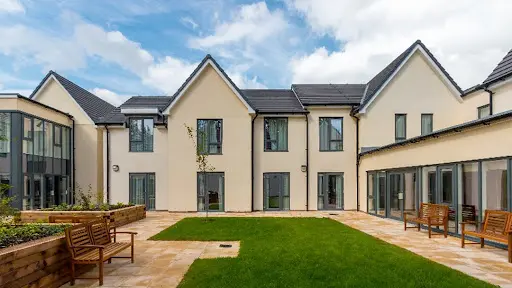
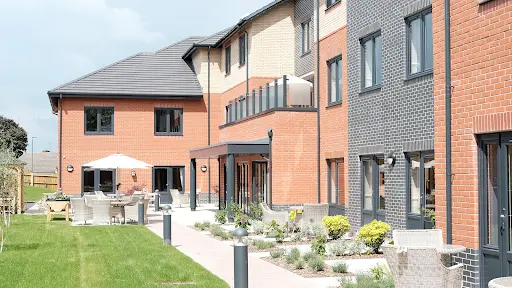
Walking through Avon Valley Care Home in Bristol, you'll notice something that matters — residents choosing where they want to spend their time, chatting in the coffee area or enjoying the gardens. The staff here understand that small preferences make a big difference, whether that's remembering how someone takes their tea or which activities they enjoy most.
Who they care for
The home supports residents with physical disabilities and sensory impairments, alongside caring for people both under and over 65. They list dementia care among their specialisms, with staff trained to support residents with cognitive changes.
While the home provides dementia care, families should have an honest conversation about long-term needs — one family found the home couldn't continue supporting their relative as their dementia advanced. It's worth discussing directly what level of cognitive support they can maintain throughout someone's stay.
“The consistent picture here is of residents who seem comfortable and families who feel their relatives are in good hands.”
DCC does not edit or curate content in this tab. For independently curated information, see The Evidence and DCC Verdict.
The DCC Verdict
Our editorial view, built from the three lenses: what families tell us, what inspectors record, and how the home sits against good dementia-care practice.
DCC Family Score
Avon Valley Care Home scores 71 out of 100, reflecting a genuine and encouraging improvement from its previous Requires Improvement rating to Good across all five domains. The score sits in the positive range but stops short of the 80s because the published inspection report contains limited specific detail, direct observations, and resident or family testimony to support the ratings with confidence.
Homes in South West typically score 68–82.The three-lens summary
What families tell us
Families describe finding their relatives looking genuinely happy here, often in the communal areas rather than alone in their rooms. The activities programme keeps days interesting with regular entertainment and theme days, and staff take time to encourage residents to join in at their own pace.
What inspectors have recorded
Staff here show the kind of attentiveness that comes from proper training — they notice when something's not quite right and respond quickly to individual needs. The team maintains consistent care standards, with families commenting on how well staff know each resident's preferences and routines.
How it sits against good practice
The consistent picture here is of residents who seem comfortable and families who feel their relatives are in good hands.
Worth a visit
Avon Valley Care Home, on Tenniscourt Road in Bristol, was rated Good at its inspection in June 2022, published in July 2022. This is a meaningful step forward: the home had previously been rated Requires Improvement, and achieving Good across all five domains, including safety, care, and leadership, signals real progress. The home is run by Avery Homes Downend Limited and has a named registered manager, Mrs Rachael Kay Bridgeman, which is a positive sign of leadership accountability. The main uncertainty here is that the published report is thin on specific detail. There are no direct quotes from residents or relatives, no recorded inspector observations of day-to-day care, and limited information about staffing numbers, activities, or food. A Good rating is meaningful, but the limited evidence means you cannot rely on the report alone. When you visit, focus on what you see and hear directly: how staff speak to people in the corridors, whether your parent would be addressed by their preferred name, and what a typical Tuesday afternoon actually looks like for someone living on the dementia unit.
The three questions to ask when you visitSave this home. Compare it against your shortlist.
Let our analysis show you how Avon Valley Care Home – Avery Healthcare measures up against the other homes you’re considering. Free account.
In Their Own Words
How Avon Valley Care Home – Avery Healthcare describes itself — collected from its own website. DCC has not edited or independently verified the content in this tab.
Where daily life feels comfortable and residents genuinely seem content
Residential home in Bristol: True Peace of Mind
Walking through Avon Valley Care Home in Bristol, you'll notice something that matters — residents choosing where they want to spend their time, chatting in the coffee area or enjoying the gardens. The staff here understand that small preferences make a big difference, whether that's remembering how someone takes their tea or which activities they enjoy most.
Who they care for
The home supports residents with physical disabilities and sensory impairments, alongside caring for people both under and over 65. They list dementia care among their specialisms, with staff trained to support residents with cognitive changes.
While the home provides dementia care, families should have an honest conversation about long-term needs — one family found the home couldn't continue supporting their relative as their dementia advanced. It's worth discussing directly what level of cognitive support they can maintain throughout someone's stay.
Management & ethos
Staff here show the kind of attentiveness that comes from proper training — they notice when something's not quite right and respond quickly to individual needs. The team maintains consistent care standards, with families commenting on how well staff know each resident's preferences and routines.
The home & environment
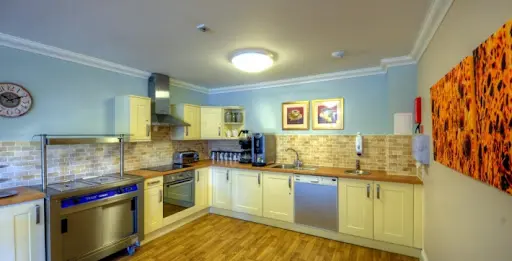
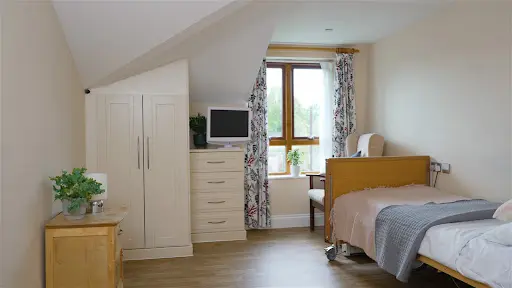
The home stays spotless throughout, from individual rooms to shared spaces, with bright, well-equipped areas that feel spacious rather than cramped. Mealtimes bring proper variety with residents choosing what they'd prefer, and the kitchen manages to cater individually despite cooking for many.
“The consistent picture here is of residents who seem comfortable and families who feel their relatives are in good hands.”
DCC does not edit or curate content in this tab. For independently curated information, see The Evidence and DCC Verdict.