Acer House Care Home – Avery Healthcare
At a Glance
The information you need to decide whether this home warrants a closer look.
Residential homes
Staff warmth score
of reviewers answered yes
Good to know
- Registered beds60
- SpecialismsCaring for adults over 65 yrs, Caring for adults under 65 yrs, Dementia, Learning disabilities, Physical disabilities, Sensory impairment
- Last inspected2019-03-08
Save Acer House Care Home – Avery Healthcare to your shortlist
Keep a running list, add visit notes, and compare homes side-by-side. Free account — it takes a minute.
STAGE 4 — RESEARCHING CARE HOMES
Visit homes. Compare them side by side. Choose with confidence.
Most of us will view care homes the way we view houses, impression, atmosphere, the feeling in the corridor. We go home, try to remember what we saw, and make a permanent decision from a blurred memory.

The DCC shortlist gives every home you visit a structured record: the same twelve questions, answered the same way, every time. When you’re ready to choose, pull any two homes side by side and compare them directly. Same criteria, same evidence, your notes and your scores.
The Evidence
What the review data, the inspection reports, and the dementia-care evidence base tell us about this home.
What families say
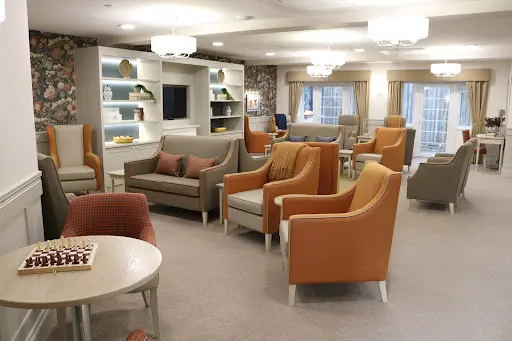
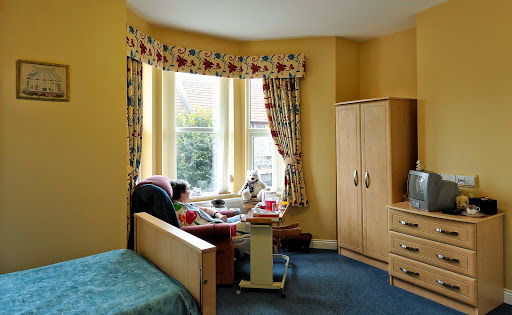
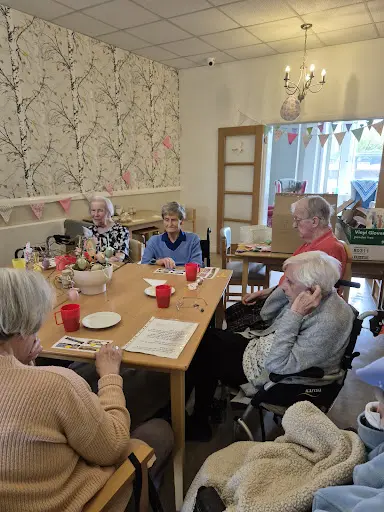
What strikes families visiting Acer House is how staff greet residents by name and remember the little things that matter to each person. People talk about the difference this personal touch makes — seeing their relatives participate in activities again, regain their appetite, and reconnect with life. The atmosphere families describe is bright and welcoming, with rooms that feel comfortable rather than clinical.
The eight family priority themes
- Staff warmth72
- Compassion & dignity72
- Cleanliness70
- Activities & engagement65
- Food quality65
- Healthcare70
- Management & leadership74
- Resident happiness68
What inspectors found
Inspected 2019-03-08
Is this home safe?
Is the care effective?
The home was rated Good for effectiveness at its December 2025 inspection. This covers training, care planning, healthcare access, and nutrition. The published summary does not include specific observations about any of these areas. The home supports people with dementia, learning disabilities, physical disabilities, and sensory impairment, which means staff need a wide range of training and care plans need to reflect genuinely individual needs. No detail is available about GP access arrangements, medication management, or how food quality and dietary needs are managed.Is this home caring?
The home was rated Good for caring at its December 2025 inspection. This domain covers staff warmth, dignity, respect, and how well staff support people's independence. No specific inspector observations, resident testimony, or family quotes are included in the published summary. Staff warmth is the single most important driver of family satisfaction in our review data, mentioned by name in 57.3% of positive reviews, which makes the absence of specific evidence here a genuine gap. The home cares for people across a wide range of conditions, which means the quality of individual interactions matters enormously.Is the home responsive?
The home was rated Good for responsiveness at its December 2025 inspection. This domain covers activities, individual engagement, and how well the home responds to changing needs including end-of-life care. The published summary contains no specific observations about the activities programme, one-to-one engagement, or how the home responds to individual preferences. The home supports people with dementia, learning disabilities, and physical and sensory impairments, which means meaningful activity needs to be genuinely tailored rather than group-based and one-size-fits-all.Is the home well-led?
The home was rated Good for leadership at its December 2025 inspection, up from Requires Improvement. A named registered manager, Mrs Samantha Jane Ealden, is in post, and Mrs Natasha Southall is named as the nominated individual. The published summary does not include specific observations about management visibility, staff culture, governance processes, or how the home responds to concerns and complaints. The improvement from Requires Improvement to Good across all five domains suggests that management has driven meaningful change, but the detail of what changed is not available in the published findings.
Source: CQC inspection report →
What the evidence base says
Acer House caters to a wide range of needs including dementia care, learning disabilities, physical disabilities and sensory impairments. They welcome both younger adults under 65 and older residents, adapting their approach to suit different life stages and care requirements. For residents living with dementia, the team shows particular patience and understanding of how the condition affects daily life. Families mention staff taking time to connect with residents as individuals, working with their current abilities rather than against their limitations. All areas worth probing directly during a visit.
The DCC Verdict
Our editorial view, built from the three lenses: what families tell us, what inspectors record, and how the home sits against good dementia-care practice.
DCC Family Score
Acer House Care Home has improved from Requires Improvement to Good across all five inspection domains, which is a meaningful step in the right direction. However, because the published report contains very little specific detail, the score reflects the positive direction of travel rather than confirmed, observable strengths.
Homes in South West typically score 68–82.The three-lens summary
What families tell us
What strikes families visiting Acer House is how staff greet residents by name and remember the little things that matter to each person. People talk about the difference this personal touch makes — seeing their relatives participate in activities again, regain their appetite, and reconnect with life. The atmosphere families describe is bright and welcoming, with rooms that feel comfortable rather than clinical.
What inspectors have recorded
Staff demonstrate real understanding of complex care needs, particularly for residents living with dementia who need patience and gentle support. Families appreciate being kept informed and included, with many describing how supported they felt during the difficult transition period. One family did report concerns about care documentation and had difficulties during their relative's departure, though the vast majority of families express strong confidence in the team's approach.
How it sits against good practice
Many families describe finally being able to step back from the exhausting role of full-time carer and simply be a son, daughter or spouse again.
Worth a visit
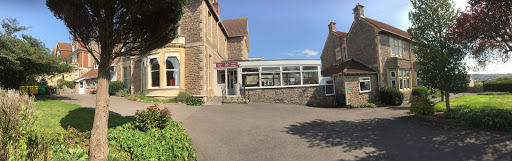
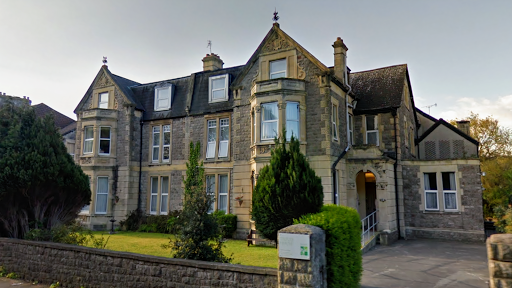
Acer House Care Home, on Milton Road in Weston-super-Mare, was inspected in December 2025 and rated Good across all five domains: Safe, Effective, Caring, Responsive, and Well-led. This is a significant improvement from a previous Requires Improvement rating and confirms that the home has addressed whatever concerns prompted that earlier finding. The home supports up to 60 people across a broad range of needs, including dementia, learning disabilities, physical disabilities, and sensory impairment, and has a named registered manager in post. The main limitation of this report is that the published findings contain almost no specific detail about what inspectors actually saw, heard, or recorded. A Good rating is genuinely reassuring, especially following an improvement, but it cannot tell you whether the staff who will care for your parent are warm and unhurried, whether the food is good, or whether the building is dementia-friendly. Visit in person, ideally at a mealtime or during a morning activity session, and use the checklist questions above to fill the gaps that the inspection record leaves open.
The three questions to ask when you visitSave this home. Compare it against your shortlist.
Let our analysis show you how Acer House Care Home – Avery Healthcare measures up against the other homes you’re considering. Free account.
In Their Own Words
How Acer House Care Home – Avery Healthcare describes itself — collected from its own website. DCC has not edited or independently verified the content in this tab.
Where residents rediscover their spark and families find relief
Acer House Care Home – Expert Care in Weston Super Mare
Families describe watching their loved ones transform at Acer House Care Home in Weston Super Mare — from withdrawn and struggling to engaged and thriving within weeks. This established care home supports residents with dementia, learning disabilities, physical challenges and sensory impairments, with many families noting how staff seem to genuinely connect with each person as an individual.
Who they care for
Acer House caters to a wide range of needs including dementia care, learning disabilities, physical disabilities and sensory impairments. They welcome both younger adults under 65 and older residents, adapting their approach to suit different life stages and care requirements.
For residents living with dementia, the team shows particular patience and understanding of how the condition affects daily life. Families mention staff taking time to connect with residents as individuals, working with their current abilities rather than against their limitations.
“Many families describe finally being able to step back from the exhausting role of full-time carer and simply be a son, daughter or spouse again.”
DCC does not edit or curate content in this tab. For independently curated information, see The Evidence and DCC Verdict.
The DCC Verdict
Our editorial view, built from the three lenses: what families tell us, what inspectors record, and how the home sits against good dementia-care practice.
DCC Family Score
Acer House Care Home has improved from Requires Improvement to Good across all five inspection domains, which is a meaningful step in the right direction. However, because the published report contains very little specific detail, the score reflects the positive direction of travel rather than confirmed, observable strengths.
Homes in South West typically score 68–82.The three-lens summary
What families tell us
What strikes families visiting Acer House is how staff greet residents by name and remember the little things that matter to each person. People talk about the difference this personal touch makes — seeing their relatives participate in activities again, regain their appetite, and reconnect with life. The atmosphere families describe is bright and welcoming, with rooms that feel comfortable rather than clinical.
What inspectors have recorded
Staff demonstrate real understanding of complex care needs, particularly for residents living with dementia who need patience and gentle support. Families appreciate being kept informed and included, with many describing how supported they felt during the difficult transition period. One family did report concerns about care documentation and had difficulties during their relative's departure, though the vast majority of families express strong confidence in the team's approach.
How it sits against good practice
Many families describe finally being able to step back from the exhausting role of full-time carer and simply be a son, daughter or spouse again.
Worth a visit
Acer House Care Home, on Milton Road in Weston-super-Mare, was inspected in December 2025 and rated Good across all five domains: Safe, Effective, Caring, Responsive, and Well-led. This is a significant improvement from a previous Requires Improvement rating and confirms that the home has addressed whatever concerns prompted that earlier finding. The home supports up to 60 people across a broad range of needs, including dementia, learning disabilities, physical disabilities, and sensory impairment, and has a named registered manager in post. The main limitation of this report is that the published findings contain almost no specific detail about what inspectors actually saw, heard, or recorded. A Good rating is genuinely reassuring, especially following an improvement, but it cannot tell you whether the staff who will care for your parent are warm and unhurried, whether the food is good, or whether the building is dementia-friendly. Visit in person, ideally at a mealtime or during a morning activity session, and use the checklist questions above to fill the gaps that the inspection record leaves open.
The three questions to ask when you visitSave this home. Compare it against your shortlist.
Let our analysis show you how Acer House Care Home – Avery Healthcare measures up against the other homes you’re considering. Free account.
In Their Own Words
How Acer House Care Home – Avery Healthcare describes itself — collected from its own website. DCC has not edited or independently verified the content in this tab.
Where residents rediscover their spark and families find relief
Acer House Care Home – Expert Care in Weston Super Mare
Families describe watching their loved ones transform at Acer House Care Home in Weston Super Mare — from withdrawn and struggling to engaged and thriving within weeks. This established care home supports residents with dementia, learning disabilities, physical challenges and sensory impairments, with many families noting how staff seem to genuinely connect with each person as an individual.
Who they care for
Acer House caters to a wide range of needs including dementia care, learning disabilities, physical disabilities and sensory impairments. They welcome both younger adults under 65 and older residents, adapting their approach to suit different life stages and care requirements.
For residents living with dementia, the team shows particular patience and understanding of how the condition affects daily life. Families mention staff taking time to connect with residents as individuals, working with their current abilities rather than against their limitations.
Management & ethos
Staff demonstrate real understanding of complex care needs, particularly for residents living with dementia who need patience and gentle support. Families appreciate being kept informed and included, with many describing how supported they felt during the difficult transition period. One family did report concerns about care documentation and had difficulties during their relative's departure, though the vast majority of families express strong confidence in the team's approach.
The home & environment
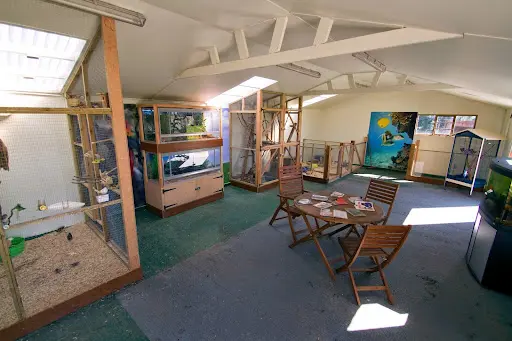
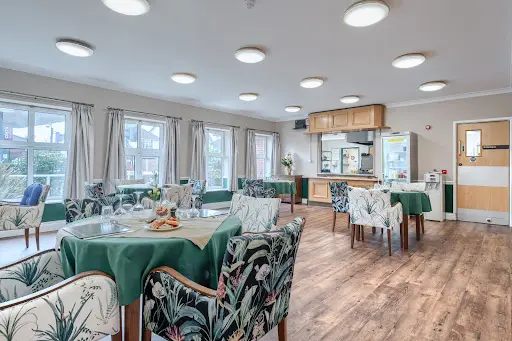
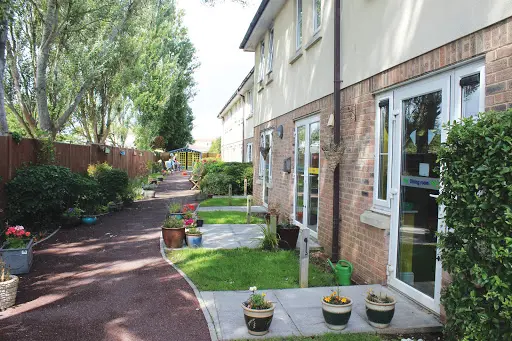
The home maintains clean, well-kept spaces throughout, with families consistently mentioning how fresh and bright everything feels. Seasonal events and visits from local nursery children bring variety to daily life, while activities are thoughtfully planned around what each resident actually enjoys.
“Many families describe finally being able to step back from the exhausting role of full-time carer and simply be a son, daughter or spouse again.”
DCC does not edit or curate content in this tab. For independently curated information, see The Evidence and DCC Verdict.