Immacolata House Care Home
At a Glance
The information you need to decide whether this home warrants a closer look.
Nursing homes
Staff warmth score
of reviewers answered yes
Good to know
- Registered beds49
- SpecialismsCaring for adults over 65 yrs, Caring for people whose rights are restricted under the Mental Health Act, Dementia, Physical disabilities
- Last inspected2019-01-23
Save Immacolata House Care Home to your shortlist
Keep a running list, add visit notes, and compare homes side-by-side. Free account — it takes a minute.
STAGE 4 — RESEARCHING CARE HOMES
Visit homes. Compare them side by side. Choose with confidence.
Most of us will view care homes the way we view houses, impression, atmosphere, the feeling in the corridor. We go home, try to remember what we saw, and make a permanent decision from a blurred memory.

The DCC shortlist gives every home you visit a structured record: the same twelve questions, answered the same way, every time. When you’re ready to choose, pull any two homes side by side and compare them directly. Same criteria, same evidence, your notes and your scores.
The Evidence
What the review data, the inspection reports, and the dementia-care evidence base tell us about this home.
What families say
Families talk about the warmth that greets them at the door — staff who remember names, who stop to chat, who treat each resident as an individual worth knowing. The activities programme keeps days full and purposeful, whether that's group singing, gentle exercises, or those precious moments with the visiting animals. People describe a genuine sense of community here, where residents seem content and engaged.
The eight family priority themes
- Staff warmth72
- Compassion & dignity72
- Cleanliness70
- Activities & engagement65
- Food quality65
- Healthcare70
- Management & leadership72
- Resident happiness70
What inspectors found
Inspected 2019-01-23
Is this home safe?
Is the care effective?
The Effective domain was rated Good at the March 2021 inspection. The home is registered for nursing care, dementia, and care for people subject to Mental Health Act restrictions, all of which require specific staff training and care planning. The published inspection text does not describe the content of care plans, how often they are reviewed, what dementia training staff receive, or how GP and specialist health access is arranged. No concerns were recorded.Is this home caring?
The Caring domain was rated Good at the March 2021 inspection. The published text does not include specific observations of staff interactions, use of preferred names, response to distress, or evidence of unhurried care. No concerns were recorded in this domain. The absence of negative findings is positive, but the absence of specific positive evidence means this rating cannot be fully contextualised for your parent's situation.Is the home responsive?
The Responsive domain was rated Good at the March 2021 inspection. The home is registered to support people living with dementia and people with physical disabilities, which implies some tailoring of care to individual needs. The published inspection text does not describe the activity programme, one-to-one engagement, outdoor access, or how the home supports residents who can no longer advocate for themselves. No concerns were recorded.Is the home well-led?
The Well-led domain was rated Good at the March 2021 inspection. A named registered manager, Mrs Susan Yvonne Stephens, is recorded. A nominated individual, Mr Christopher David Ridgard, is also named, indicating an organisational structure above home level. The published text does not describe the manager's day-to-day visibility, staff culture, how the home responds to complaints, or how governance is maintained. No concerns were recorded.
Source: CQC inspection report →
What the evidence base says
The home provides specialist support for people with dementia, physical disabilities, and those whose rights are restricted under the Mental Health Act. They're set up to care for adults over 65 with complex needs. The therapeutic farm programme seems particularly beneficial for residents with dementia, offering sensory experiences and emotional connections that transcend memory loss. Staff show genuine understanding of how to communicate and connect with people living with dementia, creating meaningful moments throughout each day. All areas worth probing directly during a visit.
The DCC Verdict
Our editorial view, built from the three lenses: what families tell us, what inspectors record, and how the home sits against good dementia-care practice.
DCC Family Score
Immacolata House holds a Good rating across all five inspection domains, which is a positive baseline, but the published inspection text provides limited specific detail on day-to-day life for your parent. Scores reflect the Good rating with appropriate caution where evidence is general rather than observed.
Homes in South West typically score 68–82.The three-lens summary
What families tell us
Families talk about the warmth that greets them at the door — staff who remember names, who stop to chat, who treat each resident as an individual worth knowing. The activities programme keeps days full and purposeful, whether that's group singing, gentle exercises, or those precious moments with the visiting animals. People describe a genuine sense of community here, where residents seem content and engaged.
What inspectors have recorded
Most families feel well-informed about their loved one's care, with regular updates keeping them connected. However, some recent concerns have been raised about management responsiveness when families have questions or worries. The care team themselves are consistently described as patient and kind, though ensuring consistent standards across all aspects of care remains important.
How it sits against good practice
What stands out here is how something as simple as a chicken can light up someone's face — proof that the right environment makes all the difference.
Worth a visit
Immacolata House in Langport, Somerset, was rated Good across all five inspection domains at its last published inspection in March 2021. A monitoring review in July 2023 found no evidence requiring a change to that rating. The home is a 49-bed nursing home registered to care for people over 65, people living with dementia, and people whose rights are restricted under the Mental Health Act, which indicates a level of specialist registration that not all care homes hold. The main limitation of this report is that the published inspection text is very brief and provides almost no specific observations about day-to-day life for your parent. A Good rating is a positive foundation, but it dates from 2021 and the evidence behind it is not detailed enough to give you a full picture. Before making a decision, visit in person during the day and, if possible, at a mealtime. Ask the manager to show you last week's actual staffing rota, the activity schedule, and how families are kept informed when their parent's health changes. The questions in the checklist below are the most important ones to put to the home directly.
The three questions to ask when you visitSave this home. Compare it against your shortlist.
Let our analysis show you how Immacolata House Care Home measures up against the other homes you’re considering. Free account.
In Their Own Words
How Immacolata House Care Home describes itself — collected from its own website. DCC has not edited or independently verified the content in this tab.
Somerset farm setting brings joy through therapeutic animal visits
Compassionate Care in Langport at Immacolata House
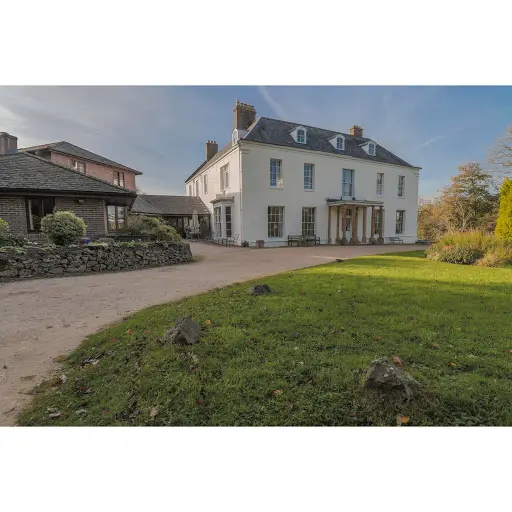
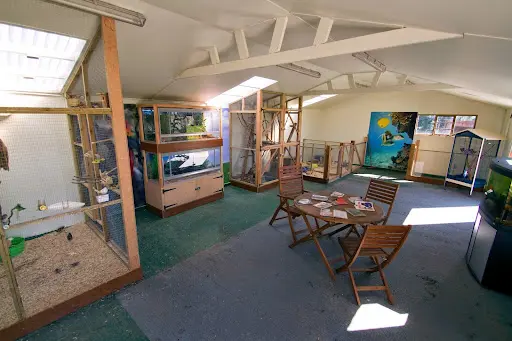
The sight of residents stroking chickens or feeding the goats speaks volumes about what makes Immacolata House in Langport different. This countryside care home has embraced the healing power of animal companionship, creating moments of genuine connection for people living with dementia. Set in peaceful rural Somerset, the home specialises in supporting people with complex needs including dementia and physical disabilities.
Who they care for
The home provides specialist support for people with dementia, physical disabilities, and those whose rights are restricted under the Mental Health Act. They're set up to care for adults over 65 with complex needs.
The therapeutic farm programme seems particularly beneficial for residents with dementia, offering sensory experiences and emotional connections that transcend memory loss. Staff show genuine understanding of how to communicate and connect with people living with dementia, creating meaningful moments throughout each day.
“What stands out here is how something as simple as a chicken can light up someone's face — proof that the right environment makes all the difference.”
DCC does not edit or curate content in this tab. For independently curated information, see The Evidence and DCC Verdict.
The DCC Verdict
Our editorial view, built from the three lenses: what families tell us, what inspectors record, and how the home sits against good dementia-care practice.
DCC Family Score
Immacolata House holds a Good rating across all five inspection domains, which is a positive baseline, but the published inspection text provides limited specific detail on day-to-day life for your parent. Scores reflect the Good rating with appropriate caution where evidence is general rather than observed.
Homes in South West typically score 68–82.The three-lens summary
What families tell us
Families talk about the warmth that greets them at the door — staff who remember names, who stop to chat, who treat each resident as an individual worth knowing. The activities programme keeps days full and purposeful, whether that's group singing, gentle exercises, or those precious moments with the visiting animals. People describe a genuine sense of community here, where residents seem content and engaged.
What inspectors have recorded
Most families feel well-informed about their loved one's care, with regular updates keeping them connected. However, some recent concerns have been raised about management responsiveness when families have questions or worries. The care team themselves are consistently described as patient and kind, though ensuring consistent standards across all aspects of care remains important.
How it sits against good practice
What stands out here is how something as simple as a chicken can light up someone's face — proof that the right environment makes all the difference.
Worth a visit
Immacolata House in Langport, Somerset, was rated Good across all five inspection domains at its last published inspection in March 2021. A monitoring review in July 2023 found no evidence requiring a change to that rating. The home is a 49-bed nursing home registered to care for people over 65, people living with dementia, and people whose rights are restricted under the Mental Health Act, which indicates a level of specialist registration that not all care homes hold. The main limitation of this report is that the published inspection text is very brief and provides almost no specific observations about day-to-day life for your parent. A Good rating is a positive foundation, but it dates from 2021 and the evidence behind it is not detailed enough to give you a full picture. Before making a decision, visit in person during the day and, if possible, at a mealtime. Ask the manager to show you last week's actual staffing rota, the activity schedule, and how families are kept informed when their parent's health changes. The questions in the checklist below are the most important ones to put to the home directly.
The three questions to ask when you visitSave this home. Compare it against your shortlist.
Let our analysis show you how Immacolata House Care Home measures up against the other homes you’re considering. Free account.
In Their Own Words
How Immacolata House Care Home describes itself — collected from its own website. DCC has not edited or independently verified the content in this tab.
Somerset farm setting brings joy through therapeutic animal visits
Compassionate Care in Langport at Immacolata House
The sight of residents stroking chickens or feeding the goats speaks volumes about what makes Immacolata House in Langport different. This countryside care home has embraced the healing power of animal companionship, creating moments of genuine connection for people living with dementia. Set in peaceful rural Somerset, the home specialises in supporting people with complex needs including dementia and physical disabilities.
Who they care for
The home provides specialist support for people with dementia, physical disabilities, and those whose rights are restricted under the Mental Health Act. They're set up to care for adults over 65 with complex needs.
The therapeutic farm programme seems particularly beneficial for residents with dementia, offering sensory experiences and emotional connections that transcend memory loss. Staff show genuine understanding of how to communicate and connect with people living with dementia, creating meaningful moments throughout each day.
Management & ethos
Most families feel well-informed about their loved one's care, with regular updates keeping them connected. However, some recent concerns have been raised about management responsiveness when families have questions or worries. The care team themselves are consistently described as patient and kind, though ensuring consistent standards across all aspects of care remains important.
The home & environment
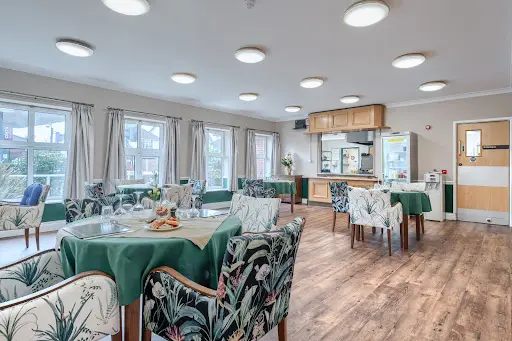
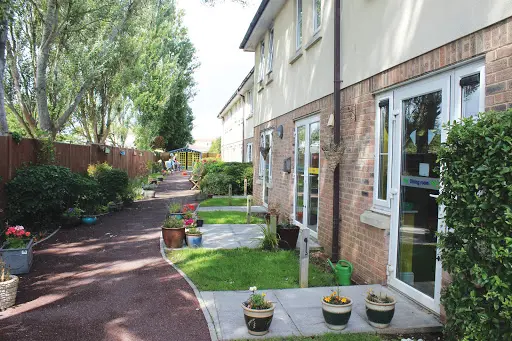
The kitchen team clearly takes pride in proper home cooking, with meals that families say their relatives actually look forward to. The building itself is kept spotless and comfortable, with communal spaces that feel lived-in rather than clinical. Being away from busy roads means residents can enjoy the gardens safely, and that rural Somerset setting brings a natural calm to daily life.
“What stands out here is how something as simple as a chicken can light up someone's face — proof that the right environment makes all the difference.”
DCC does not edit or curate content in this tab. For independently curated information, see The Evidence and DCC Verdict.