Trymview Hall Care Home – Care UK
At a Glance
The information you need to decide whether this home warrants a closer look.
Residential homes
Staff warmth score
of reviewers answered yes
Good to know
- Registered beds66
- SpecialismsCaring for adults over 65 yrs, Caring for adults under 65 yrs, Dementia, Physical disabilities
- Last inspected2021-11-10
Save Trymview Hall Care Home – Care UK to your shortlist
Keep a running list, add visit notes, and compare homes side-by-side. Free account — it takes a minute.
STAGE 4 — RESEARCHING CARE HOMES
Visit homes. Compare them side by side. Choose with confidence.
Most of us will view care homes the way we view houses, impression, atmosphere, the feeling in the corridor. We go home, try to remember what we saw, and make a permanent decision from a blurred memory.

The DCC shortlist gives every home you visit a structured record: the same twelve questions, answered the same way, every time. When you’re ready to choose, pull any two homes side by side and compare them directly. Same criteria, same evidence, your notes and your scores.
The Evidence
What the review data, the inspection reports, and the dementia-care evidence base tell us about this home.
What families say
Families talk about the patience and skill they see in how staff support their loved ones through cognitive changes. They describe carers who build real relationships with residents, keeping them engaged and emotionally connected even as dementia progresses. There's a warmth here that families notice — staff who take time to know each resident properly and support relatives through difficult times.
The eight family priority themes
- Staff warmth72
- Compassion & dignity72
- Cleanliness70
- Activities & engagement65
- Food quality65
- Healthcare70
- Management & leadership72
- Resident happiness68
What inspectors found
Inspected 2021-11-10
Is this home safe?
Is the care effective?
The Effective domain was rated Good. This covers training, care planning, healthcare access, and nutrition. Dementia is a registered specialism, which implies staff hold relevant training, but the published report does not describe what that training involves, how recently it was completed, or how frequently it is refreshed. No detail is given on care plan quality, GP visit frequency, or how the home manages residents' dietary needs and preferences.Is this home caring?
The Caring domain was rated Good. This domain covers staff warmth, dignity, respect, and support for independence. The published report does not include any specific inspector observations about how staff interacted with residents, whether preferred names were used, or how staff responded when residents were distressed. No resident or relative quotes are recorded in the available text.Is the home responsive?
The Responsive domain was rated Good. This covers activities, individual engagement, and how the home responds to the specific needs and preferences of each person, including end-of-life care. The published report does not describe the activities programme, mention whether one-to-one engagement is available for people who cannot join groups, or address how the home supports residents with advanced dementia to maintain a sense of purpose and routine. No information is given about end-of-life planning.Is the home well-led?
The Well-led domain was rated Good. The home is operated by Care UK Community Partnerships Ltd, a large national provider, and has a named registered manager (Nicole Amanda Anderson) and a nominated individual (Rachel Louise Harvey). The published report does not describe the manager's tenure, visibility on the floor, or how staff are supported to raise concerns. No detail is given on governance processes, audit cycles, or how the home has responded to complaints.
Source: CQC inspection report →
What the evidence base says
Trymview Hall provides residential care for adults over 65 and younger adults with care needs, with particular expertise in dementia support and physical disability care. The home's approach to dementia care focuses on maintaining emotional connections and daily engagement. Staff work to understand each resident's changing needs, adapting their support while preserving dignity and encouraging participation in activities that bring genuine enjoyment. All areas worth probing directly during a visit.
The DCC Verdict
Our editorial view, built from the three lenses: what families tell us, what inspectors record, and how the home sits against good dementia-care practice.
DCC Family Score
Trymview Hall received a Good rating across all five inspection domains in September 2021, which is a positive baseline, but the published report contains very limited specific detail, observations, or direct testimony to allow higher confidence scoring across any theme.
Homes in South West typically score 68–82.The three-lens summary
What families tell us
Families talk about the patience and skill they see in how staff support their loved ones through cognitive changes. They describe carers who build real relationships with residents, keeping them engaged and emotionally connected even as dementia progresses. There's a warmth here that families notice — staff who take time to know each resident properly and support relatives through difficult times.
What inspectors have recorded
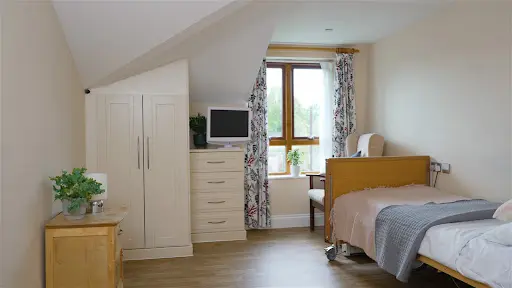
Staff here keep families properly informed about their loved ones, something relatives really value. The team maintains high standards throughout — communal areas and private rooms are kept spotlessly clean. While one family raised serious concerns about medical oversight that led to a hospital admission, most describe management as approachable and supportive.
How it sits against good practice
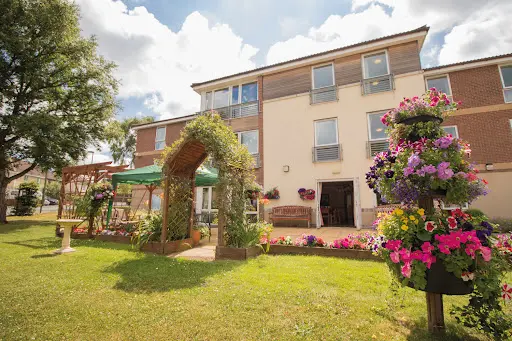
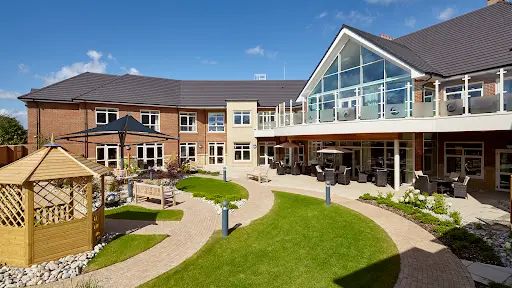
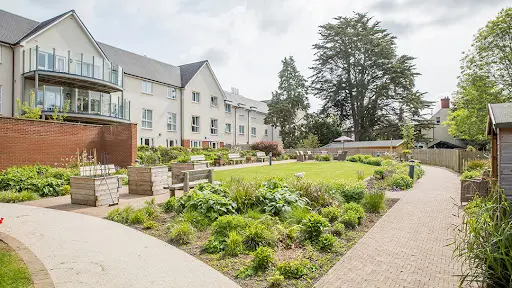
With its accessible gardens and structured daily activities, Trymview Hall offers families dealing with dementia a place where their loved ones can find both professional support and simple pleasures.
Worth a visit
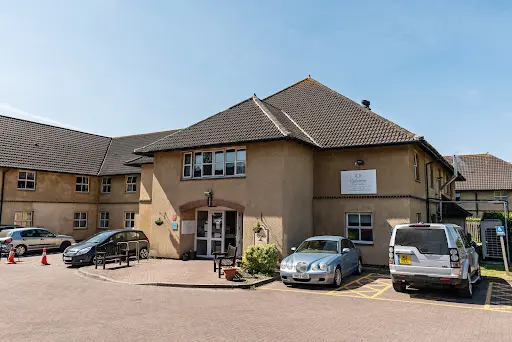
Trymview Hall, on Southmead Road in Bristol, was rated Good across all five inspection domains at its September 2021 inspection. The home is run by Care UK Community Partnerships Ltd and has a named registered manager in post. It is registered to support up to 66 people, including those living with dementia, physical disabilities, and adults of varying ages, which means it has a broad and complex remit. The main limitation here is straightforward: the published inspection summary is very thin on specific detail. No inspector observations, resident quotes, or relative testimony have been included in the available text, which means the Good ratings cannot be fully contextualised for you as a family. The score above reflects a genuine Good baseline, but not a high-confidence one. Before visiting, prepare a short list of direct questions: ask what the night staffing ratio is for 66 beds, how often agency staff cover shifts on the dementia unit, how frequently care plans are reviewed with families present, and whether there is a named key worker for your parent. These are the gaps the published report leaves open, and the answers will tell you a great deal.
The three questions to ask when you visitSave this home. Compare it against your shortlist.
Let our analysis show you how Trymview Hall Care Home – Care UK measures up against the other homes you’re considering. Free account.
In Their Own Words
How Trymview Hall Care Home – Care UK describes itself — collected from its own website. DCC has not edited or independently verified the content in this tab.
Where gardens bloom and spirits stay bright through dementia's journey
Dedicated residential home Support in Bristol
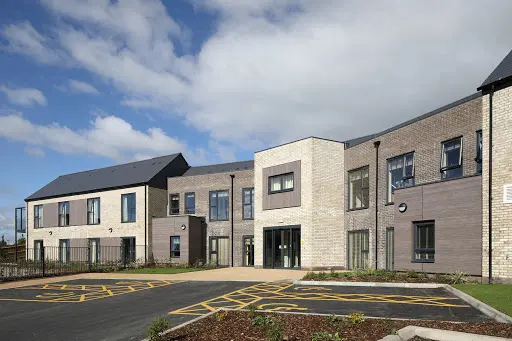
When dementia enters your family's story, finding the right support becomes everything. Trymview Hall in Bristol offers something families describe as genuinely special — not just professional care, but a place where residents with cognitive decline continue to find joy in everyday moments. Set in South West Bristol with thoughtfully designed grounds, this purpose-built home supports adults over 65, those under 65 with care needs, and people living with dementia or physical disabilities.
Who they care for
Trymview Hall provides residential care for adults over 65 and younger adults with care needs, with particular expertise in dementia support and physical disability care.
The home's approach to dementia care focuses on maintaining emotional connections and daily engagement. Staff work to understand each resident's changing needs, adapting their support while preserving dignity and encouraging participation in activities that bring genuine enjoyment.
“With its accessible gardens and structured daily activities, Trymview Hall offers families dealing with dementia a place where their loved ones can find both professional support and simple pleasures.”
DCC does not edit or curate content in this tab. For independently curated information, see The Evidence and DCC Verdict.
The DCC Verdict
Our editorial view, built from the three lenses: what families tell us, what inspectors record, and how the home sits against good dementia-care practice.
DCC Family Score
Trymview Hall received a Good rating across all five inspection domains in September 2021, which is a positive baseline, but the published report contains very limited specific detail, observations, or direct testimony to allow higher confidence scoring across any theme.
Homes in South West typically score 68–82.The three-lens summary
What families tell us
Families talk about the patience and skill they see in how staff support their loved ones through cognitive changes. They describe carers who build real relationships with residents, keeping them engaged and emotionally connected even as dementia progresses. There's a warmth here that families notice — staff who take time to know each resident properly and support relatives through difficult times.
What inspectors have recorded
Staff here keep families properly informed about their loved ones, something relatives really value. The team maintains high standards throughout — communal areas and private rooms are kept spotlessly clean. While one family raised serious concerns about medical oversight that led to a hospital admission, most describe management as approachable and supportive.
How it sits against good practice
With its accessible gardens and structured daily activities, Trymview Hall offers families dealing with dementia a place where their loved ones can find both professional support and simple pleasures.
Worth a visit
Trymview Hall, on Southmead Road in Bristol, was rated Good across all five inspection domains at its September 2021 inspection. The home is run by Care UK Community Partnerships Ltd and has a named registered manager in post. It is registered to support up to 66 people, including those living with dementia, physical disabilities, and adults of varying ages, which means it has a broad and complex remit. The main limitation here is straightforward: the published inspection summary is very thin on specific detail. No inspector observations, resident quotes, or relative testimony have been included in the available text, which means the Good ratings cannot be fully contextualised for you as a family. The score above reflects a genuine Good baseline, but not a high-confidence one. Before visiting, prepare a short list of direct questions: ask what the night staffing ratio is for 66 beds, how often agency staff cover shifts on the dementia unit, how frequently care plans are reviewed with families present, and whether there is a named key worker for your parent. These are the gaps the published report leaves open, and the answers will tell you a great deal.
The three questions to ask when you visitSave this home. Compare it against your shortlist.
Let our analysis show you how Trymview Hall Care Home – Care UK measures up against the other homes you’re considering. Free account.
In Their Own Words
How Trymview Hall Care Home – Care UK describes itself — collected from its own website. DCC has not edited or independently verified the content in this tab.
Where gardens bloom and spirits stay bright through dementia's journey
Dedicated residential home Support in Bristol
When dementia enters your family's story, finding the right support becomes everything. Trymview Hall in Bristol offers something families describe as genuinely special — not just professional care, but a place where residents with cognitive decline continue to find joy in everyday moments. Set in South West Bristol with thoughtfully designed grounds, this purpose-built home supports adults over 65, those under 65 with care needs, and people living with dementia or physical disabilities.
Who they care for
Trymview Hall provides residential care for adults over 65 and younger adults with care needs, with particular expertise in dementia support and physical disability care.
The home's approach to dementia care focuses on maintaining emotional connections and daily engagement. Staff work to understand each resident's changing needs, adapting their support while preserving dignity and encouraging participation in activities that bring genuine enjoyment.
Management & ethos
Staff here keep families properly informed about their loved ones, something relatives really value. The team maintains high standards throughout — communal areas and private rooms are kept spotlessly clean. While one family raised serious concerns about medical oversight that led to a hospital admission, most describe management as approachable and supportive.
The home & environment
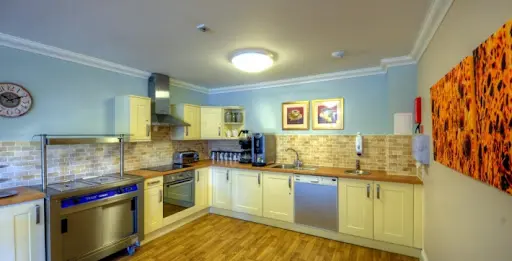
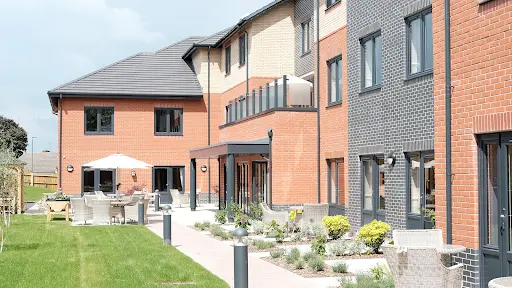
The gardens at Trymview Hall catch everyone's attention. Purpose-designed paths wind through planted beds, past comfortable seating areas where residents spend their days. There's a putting green, and even chickens that residents enjoy watching. Inside, the chef-led kitchen produces meals that residents genuinely look forward to — proper food that families say their loved ones actually enjoy eating.
“With its accessible gardens and structured daily activities, Trymview Hall offers families dealing with dementia a place where their loved ones can find both professional support and simple pleasures.”
DCC does not edit or curate content in this tab. For independently curated information, see The Evidence and DCC Verdict.