Lord Hardy Court
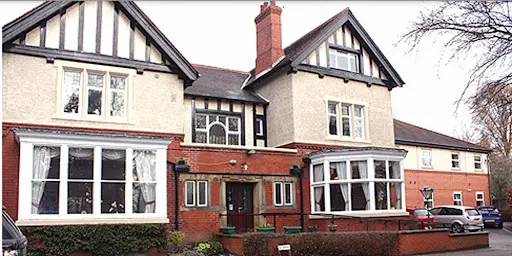
At a Glance
The information you need to decide whether this home warrants a closer look.
Residential homes
Staff warmth score
of reviewers answered yes
Good to know
- Registered beds60
- SpecialismsCaring for adults over 65 yrs, Caring for adults under 65 yrs, Dementia, Learning disabilities, Mental health conditions
- Last inspected2019-08-13
Save Lord Hardy Court to your shortlist
Keep a running list, add visit notes, and compare homes side-by-side. Free account — it takes a minute.
STAGE 4 — RESEARCHING CARE HOMES
Visit homes. Compare them side by side. Choose with confidence.
Most of us will view care homes the way we view houses, impression, atmosphere, the feeling in the corridor. We go home, try to remember what we saw, and make a permanent decision from a blurred memory.

The DCC shortlist gives every home you visit a structured record: the same twelve questions, answered the same way, every time. When you’re ready to choose, pull any two homes side by side and compare them directly. Same criteria, same evidence, your notes and your scores.
The Evidence
What the review data, the inspection reports, and the dementia-care evidence base tell us about this home.
What families say
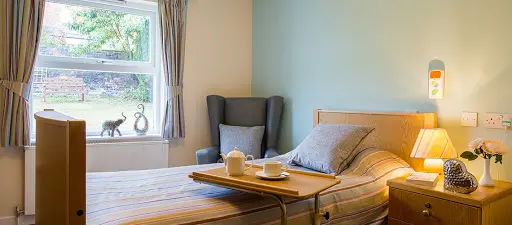
The atmosphere here strikes that perfect balance between feeling secure and feeling at home. Residents talk about bright, clean spaces where they can relax in their own en-suite rooms or enjoy the outdoor areas. There's a genuine sense of community, with entertainment and activities that people actively look forward to rather than just tolerate.
The eight family priority themes
- Staff warmth72
- Compassion & dignity72
- Cleanliness68
- Activities & engagement55
- Food quality55
- Healthcare65
- Management & leadership72
- Resident happiness68
What inspectors found
Inspected 2019-08-13
Is this home safe?
Is the care effective?
Effective was rated Good at the April 2021 inspection. This domain covers training, care planning, nutrition, and access to healthcare. The home lists dementia as a specialism, which implies dementia-specific training should be in place. No specific detail about care plan quality, GP access arrangements, or food provision appears in the published text. The July 2023 monitoring review did not find reason to change this rating.Is this home caring?
Caring was rated Good at the April 2021 inspection. This domain covers staff warmth, dignity, respect, and support for independence. A Good rating here means inspectors did not find concerns in these areas during the visit. No direct observations of staff interactions, no resident testimony, and no relative quotes appear in the published summary. The rating covers a broad range of practices across all 60 beds and multiple resident groups.Is the home responsive?
Responsive was rated Good at the April 2021 inspection. This domain covers activities, engagement, individuality, and end-of-life care. The home supports people with dementia, learning disabilities, and mental health conditions, which requires a range of tailored approaches rather than a single activity programme. No specific activities, engagement strategies, or end-of-life arrangements are described in the published text. The July 2023 review did not find reason to reassess.Is the home well-led?
Well-led was rated Good at the April 2021 inspection. The home has a named registered manager and a named nominated individual, providing a visible leadership structure. Lord Hardy Court is run by Rotherham Metropolitan Borough Council, which means governance sits within a local authority framework. No specific detail about management culture, staff empowerment, or accountability processes appears in the published summary. The rating has been stable across the inspection history.
Source: CQC inspection report →
What the evidence base says
The home welcomes adults of all ages, with particular expertise in dementia care, mental health conditions and learning disabilities. For those living with dementia, the team here understands how to create an environment that feels safe without being restrictive. They've got the experience to handle the challenging moments while still helping residents feel valued and engaged. All areas worth probing directly during a visit.
The DCC Verdict
Our editorial view, built from the three lenses: what families tell us, what inspectors record, and how the home sits against good dementia-care practice.
DCC Family Score
Lord Hardy Court was rated Good across all five inspection domains at its last full inspection in April 2021, which is a solid baseline. However, the published report contains very limited specific detail, so most scores reflect a general Good rating rather than strong evidence from direct observations or testimony.
Homes in Yorkshire & Humberside typically score 68–82.The three-lens summary
What families tell us
The atmosphere here strikes that perfect balance between feeling secure and feeling at home. Residents talk about bright, clean spaces where they can relax in their own en-suite rooms or enjoy the outdoor areas. There's a genuine sense of community, with entertainment and activities that people actively look forward to rather than just tolerate.
What inspectors have recorded
Staff here combine real professional skill with the kind of approachability that puts families at ease. They're known for being genuinely caring — the sort of people who remember what matters to each resident. Some families have mentioned it can be tricky getting through on the phone sometimes, but when you're there in person, the communication and attention to safety really show through.
How it sits against good practice
It's the kind of place that manages to make a difficult time feel just that bit easier.
Worth a visit
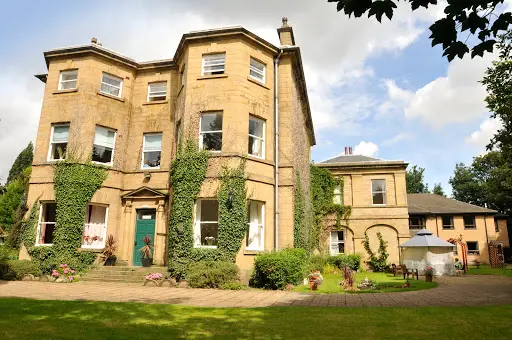
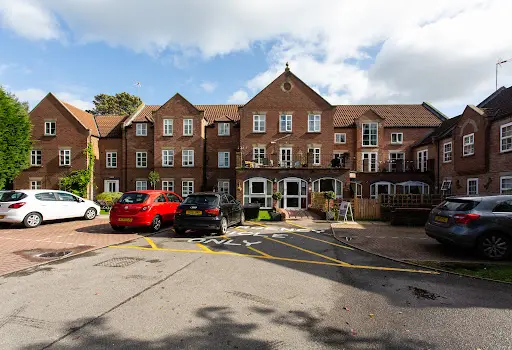
Lord Hardy Court, on Green Rise in Rotherham, was rated Good across all five inspection domains at its last full inspection in April 2021. The home is run by Rotherham Metropolitan Borough Council and has a named registered manager, which provides a clear line of accountability. The Good rating held steady at a review in July 2023, where no evidence was found to change the rating. Those are genuinely positive signals, particularly for a home that supports people with dementia, learning disabilities, and mental health conditions across 60 beds. The main limitation for families using this report is that the published inspection text is very brief and contains almost no specific observations, quotes, or examples to back up the domain ratings. A Good rating tells you the home met the required standard at the time, but it does not tell you what staff are like on a Tuesday afternoon or how your parent would spend their day. The inspection is now over three years old, which adds further uncertainty. Before visiting, prepare a list of specific questions covering night staffing numbers, agency use, activity provision, and how the home communicates with families when something changes.
The three questions to ask when you visitSave this home. Compare it against your shortlist.
Let our analysis show you how Lord Hardy Court measures up against the other homes you’re considering. Free account.
In Their Own Words
How Lord Hardy Court describes itself — collected from its own website. DCC has not edited or independently verified the content in this tab.
Where recovery feels like staying with friends who really care
Lord Hardy Court – Your Trusted residential home
When families need rehabilitation care that goes beyond the clinical basics, Lord Hardy Court in Rotherham offers something rather special. This Yorkshire care home combines professional nursing with the kind of warmth that helps people actually want to get better. It's the sort of place where residents mention looking forward to returning if they ever need care again.
Who they care for
The home welcomes adults of all ages, with particular expertise in dementia care, mental health conditions and learning disabilities.
For those living with dementia, the team here understands how to create an environment that feels safe without being restrictive. They've got the experience to handle the challenging moments while still helping residents feel valued and engaged.
“It's the kind of place that manages to make a difficult time feel just that bit easier.”
DCC does not edit or curate content in this tab. For independently curated information, see The Evidence and DCC Verdict.
The DCC Verdict
Our editorial view, built from the three lenses: what families tell us, what inspectors record, and how the home sits against good dementia-care practice.
DCC Family Score
Lord Hardy Court was rated Good across all five inspection domains at its last full inspection in April 2021, which is a solid baseline. However, the published report contains very limited specific detail, so most scores reflect a general Good rating rather than strong evidence from direct observations or testimony.
Homes in Yorkshire & Humberside typically score 68–82.The three-lens summary
What families tell us
The atmosphere here strikes that perfect balance between feeling secure and feeling at home. Residents talk about bright, clean spaces where they can relax in their own en-suite rooms or enjoy the outdoor areas. There's a genuine sense of community, with entertainment and activities that people actively look forward to rather than just tolerate.
What inspectors have recorded
Staff here combine real professional skill with the kind of approachability that puts families at ease. They're known for being genuinely caring — the sort of people who remember what matters to each resident. Some families have mentioned it can be tricky getting through on the phone sometimes, but when you're there in person, the communication and attention to safety really show through.
How it sits against good practice
It's the kind of place that manages to make a difficult time feel just that bit easier.
Worth a visit
Lord Hardy Court, on Green Rise in Rotherham, was rated Good across all five inspection domains at its last full inspection in April 2021. The home is run by Rotherham Metropolitan Borough Council and has a named registered manager, which provides a clear line of accountability. The Good rating held steady at a review in July 2023, where no evidence was found to change the rating. Those are genuinely positive signals, particularly for a home that supports people with dementia, learning disabilities, and mental health conditions across 60 beds. The main limitation for families using this report is that the published inspection text is very brief and contains almost no specific observations, quotes, or examples to back up the domain ratings. A Good rating tells you the home met the required standard at the time, but it does not tell you what staff are like on a Tuesday afternoon or how your parent would spend their day. The inspection is now over three years old, which adds further uncertainty. Before visiting, prepare a list of specific questions covering night staffing numbers, agency use, activity provision, and how the home communicates with families when something changes.
The three questions to ask when you visitSave this home. Compare it against your shortlist.
Let our analysis show you how Lord Hardy Court measures up against the other homes you’re considering. Free account.
In Their Own Words
How Lord Hardy Court describes itself — collected from its own website. DCC has not edited or independently verified the content in this tab.
Where recovery feels like staying with friends who really care
Lord Hardy Court – Your Trusted residential home
When families need rehabilitation care that goes beyond the clinical basics, Lord Hardy Court in Rotherham offers something rather special. This Yorkshire care home combines professional nursing with the kind of warmth that helps people actually want to get better. It's the sort of place where residents mention looking forward to returning if they ever need care again.
Who they care for
The home welcomes adults of all ages, with particular expertise in dementia care, mental health conditions and learning disabilities.
For those living with dementia, the team here understands how to create an environment that feels safe without being restrictive. They've got the experience to handle the challenging moments while still helping residents feel valued and engaged.
Management & ethos
Staff here combine real professional skill with the kind of approachability that puts families at ease. They're known for being genuinely caring — the sort of people who remember what matters to each resident. Some families have mentioned it can be tricky getting through on the phone sometimes, but when you're there in person, the communication and attention to safety really show through.
The home & environment
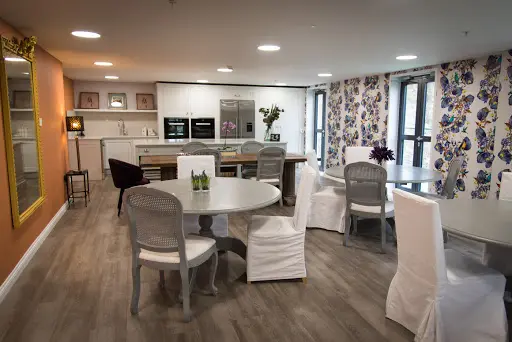
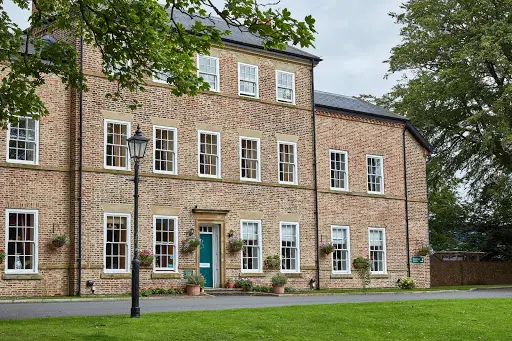
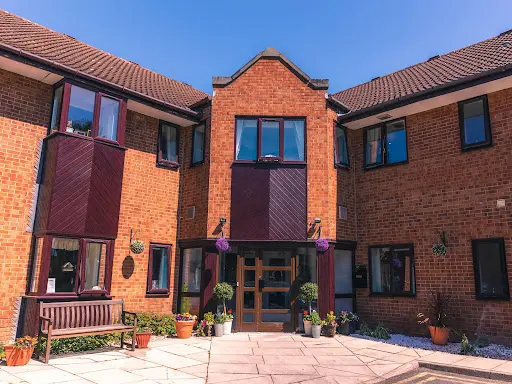
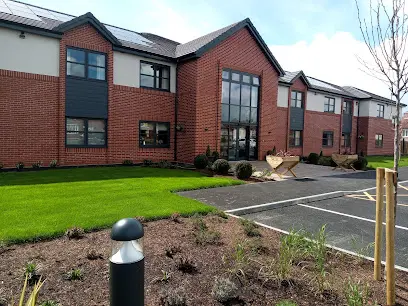
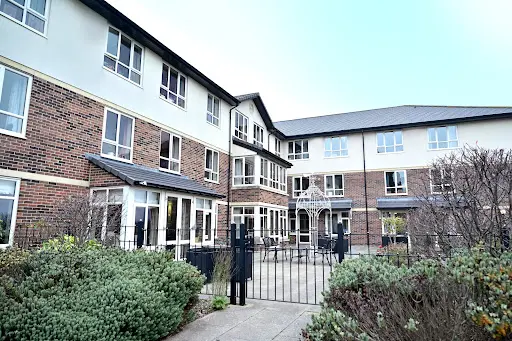
The food gets mentioned again and again — proper home-cooked meals with real choice and flavour. Everything's kept spotlessly clean without feeling institutional. The outdoor spaces give residents somewhere pleasant to sit when the weather's nice, and the whole building feels bright and well-maintained.
“It's the kind of place that manages to make a difficult time feel just that bit easier.”
DCC does not edit or curate content in this tab. For independently curated information, see The Evidence and DCC Verdict.