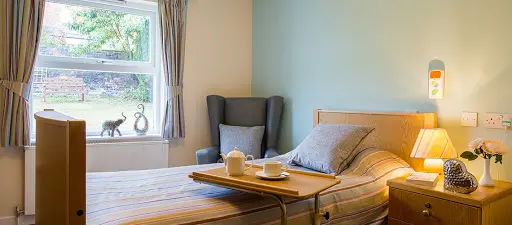
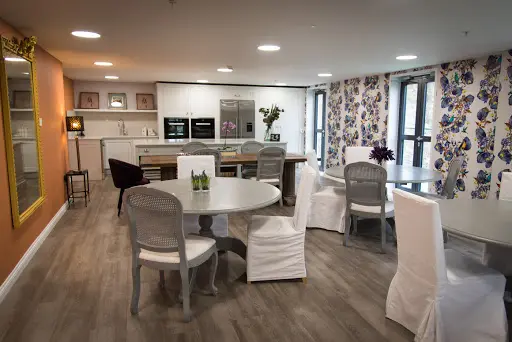
Layden Court Care Home

At a Glance
The information you need to decide whether this home warrants a closer look.
Nursing homes
Staff warmth score
of reviewers answered yes
Good to know
- Registered beds92
- SpecialismsCaring for adults over 65 yrs, Caring for adults under 65 yrs, Dementia, Physical disabilities, Sensory impairment
- Last inspected2024-03-02
Save Layden Court Care Home to your shortlist
Keep a running list, add visit notes, and compare homes side-by-side. Free account — it takes a minute.
STAGE 4 — RESEARCHING CARE HOMES
Visit homes. Compare them side by side. Choose with confidence.
Most of us will view care homes the way we view houses, impression, atmosphere, the feeling in the corridor. We go home, try to remember what we saw, and make a permanent decision from a blurred memory.

The DCC shortlist gives every home you visit a structured record: the same twelve questions, answered the same way, every time. When you’re ready to choose, pull any two homes side by side and compare them directly. Same criteria, same evidence, your notes and your scores.
The Evidence
What the review data, the inspection reports, and the dementia-care evidence base tell us about this home.
What families say
Some families have found real comfort in the dedication shown by staff, particularly during difficult times. There's been mention of caring support when it's needed most, with staff staying close during those final precious months.
The eight family priority themes
- Staff warmth72
- Compassion & dignity72
- Cleanliness70
- Activities & engagement65
- Food quality62
- Healthcare65
- Management & leadership72
- Resident happiness68
What inspectors found
Inspected 2024-03-02
Is this home safe?
Is the care effective?
Effective was the only domain rated Requires Improvement at the September 2024 inspection. This domain covers whether staff have the right training and knowledge, whether care plans are detailed and kept up to date, whether residents have regular access to healthcare professionals, and whether the home uses information well to improve care. The published summary does not specify which aspects of Effective were found to fall short. The previous inspection rated the home Good overall, so this represents a decline in at least one area of practice.Is this home caring?
Caring was rated Good at the September 2024 inspection. This domain covers whether staff are kind and compassionate, whether residents are treated with dignity and respect, and whether people are supported to make choices and maintain their independence. A Good rating means inspectors observed interactions and found them to meet the standard. The published summary does not include specific quotes from residents or families, nor direct inspector observations about named interactions or behaviours.Is the home responsive?
Responsive was rated Good at the September 2024 inspection. This domain covers whether the home responds to individual needs and preferences, whether activities are meaningful and varied, and whether end-of-life care is planned and personalised. The published summary does not describe the activities programme, how it is tailored to individuals, or whether one-to-one engagement is available for people who cannot join group activities. No detail on end-of-life planning is included.Is the home well-led?
Well-led was rated Good at the September 2024 inspection. The registered manager is Mrs Chantey Hickling and the nominated individual is Mrs Amy Rebecca Tomlinson. A Good rating in this domain means inspectors found sufficient evidence of effective leadership, a positive culture, and governance systems that support accountability. The home has been inspected ten times since registration. The overall rating declined from Good to Inadequate at a previous inspection (recorded as March 2024 in the home data) before returning to a Good trajectory at the September 2024 assessment, which is an important context for any family considering this home.
Source: CQC inspection report →
What the evidence base says
The home supports people with sensory impairments, physical disabilities, and dementia. They're set up to care for adults both under and over 65, which means they work with quite a range of different needs. For those living with dementia, the home provides specialist support. Each person's needs are different, and finding the right fit for someone with complex requirements takes careful consideration. All areas worth probing directly during a visit.
The DCC Verdict
Our editorial view, built from the three lenses: what families tell us, what inspectors record, and how the home sits against good dementia-care practice.
DCC Family Score
The home's most recent inspection in September 2024 returned Good ratings across four of five domains, with Effective rated Requires Improvement. Scores reflect that positive findings are confirmed by domain ratings but lack the specific observations, quotes, and detail needed to score higher with confidence.
Homes in Yorkshire & Humberside typically score 68–82.The three-lens summary
What families tell us
Some families have found real comfort in the dedication shown by staff, particularly during difficult times. There's been mention of caring support when it's needed most, with staff staying close during those final precious months.
What inspectors have recorded
Staff here seem to put genuine effort into their work, even when things get busy. Families have noticed how hard the team tries during challenging periods, though experiences vary depending on individual needs.
How it sits against good practice
If you're considering Layden Court, it's worth arranging a visit to see if it feels right for your situation.
Worth a visit
Layden Court Care Home, at All Hallows Drive in Rotherham, was assessed in September 2024 and the report was published in January 2025. Four of the five inspection domains, Safe, Caring, Responsive, and Well-led, were rated Good. Effective was rated Requires Improvement, meaning inspectors found that something in training, care planning, or how the home puts its knowledge into practice did not fully meet the required standard. The home is registered for up to 92 people and lists dementia, physical disabilities, and sensory impairment among its specialisms. The main uncertainty here is that the published report summary does not include the specific observations, resident or family quotes, or inspector notes that would allow a confident picture of what day-to-day life is like for your parent. The Requires Improvement in Effective is worth probing directly: ask the manager what the inspectors identified as falling short and what has changed since March 2024. On a visit, ask to see the dementia unit at a mealtime, watch how staff respond when someone is distressed, and ask how often care plans are reviewed and whether families are involved in those reviews.
The three questions to ask when you visitSave this home. Compare it against your shortlist.
Let our analysis show you how Layden Court Care Home measures up against the other homes you’re considering. Free account.
In Their Own Words
How Layden Court Care Home describes itself — collected from its own website. DCC has not edited or independently verified the content in this tab.
Specialist support for complex needs in Rotherham
Layden Court Care Home – Your Trusted nursing home
When someone you love needs specialist care, finding the right environment matters. Layden Court Care Home in Rotherham provides support for people with varying needs, from physical disabilities to dementia. The home works with residents who have sensory impairments and offers care for both younger and older adults.
Who they care for
The home supports people with sensory impairments, physical disabilities, and dementia. They're set up to care for adults both under and over 65, which means they work with quite a range of different needs.
For those living with dementia, the home provides specialist support. Each person's needs are different, and finding the right fit for someone with complex requirements takes careful consideration.
“If you're considering Layden Court, it's worth arranging a visit to see if it feels right for your situation.”
DCC does not edit or curate content in this tab. For independently curated information, see The Evidence and DCC Verdict.
The DCC Verdict
Our editorial view, built from the three lenses: what families tell us, what inspectors record, and how the home sits against good dementia-care practice.
DCC Family Score
The home's most recent inspection in September 2024 returned Good ratings across four of five domains, with Effective rated Requires Improvement. Scores reflect that positive findings are confirmed by domain ratings but lack the specific observations, quotes, and detail needed to score higher with confidence.
Homes in Yorkshire & Humberside typically score 68–82.The three-lens summary
What families tell us
Some families have found real comfort in the dedication shown by staff, particularly during difficult times. There's been mention of caring support when it's needed most, with staff staying close during those final precious months.
What inspectors have recorded
Staff here seem to put genuine effort into their work, even when things get busy. Families have noticed how hard the team tries during challenging periods, though experiences vary depending on individual needs.
How it sits against good practice
If you're considering Layden Court, it's worth arranging a visit to see if it feels right for your situation.
Worth a visit
Layden Court Care Home, at All Hallows Drive in Rotherham, was assessed in September 2024 and the report was published in January 2025. Four of the five inspection domains, Safe, Caring, Responsive, and Well-led, were rated Good. Effective was rated Requires Improvement, meaning inspectors found that something in training, care planning, or how the home puts its knowledge into practice did not fully meet the required standard. The home is registered for up to 92 people and lists dementia, physical disabilities, and sensory impairment among its specialisms. The main uncertainty here is that the published report summary does not include the specific observations, resident or family quotes, or inspector notes that would allow a confident picture of what day-to-day life is like for your parent. The Requires Improvement in Effective is worth probing directly: ask the manager what the inspectors identified as falling short and what has changed since March 2024. On a visit, ask to see the dementia unit at a mealtime, watch how staff respond when someone is distressed, and ask how often care plans are reviewed and whether families are involved in those reviews.
The three questions to ask when you visitSave this home. Compare it against your shortlist.
Let our analysis show you how Layden Court Care Home measures up against the other homes you’re considering. Free account.
In Their Own Words
How Layden Court Care Home describes itself — collected from its own website. DCC has not edited or independently verified the content in this tab.
Specialist support for complex needs in Rotherham
Layden Court Care Home – Your Trusted nursing home
When someone you love needs specialist care, finding the right environment matters. Layden Court Care Home in Rotherham provides support for people with varying needs, from physical disabilities to dementia. The home works with residents who have sensory impairments and offers care for both younger and older adults.
Who they care for
The home supports people with sensory impairments, physical disabilities, and dementia. They're set up to care for adults both under and over 65, which means they work with quite a range of different needs.
For those living with dementia, the home provides specialist support. Each person's needs are different, and finding the right fit for someone with complex requirements takes careful consideration.
Management & ethos
Staff here seem to put genuine effort into their work, even when things get busy. Families have noticed how hard the team tries during challenging periods, though experiences vary depending on individual needs.
“If you're considering Layden Court, it's worth arranging a visit to see if it feels right for your situation.”
DCC does not edit or curate content in this tab. For independently curated information, see The Evidence and DCC Verdict.