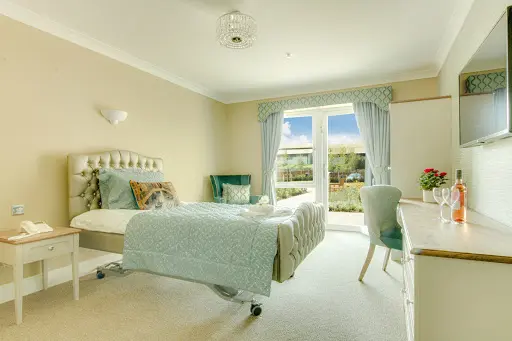
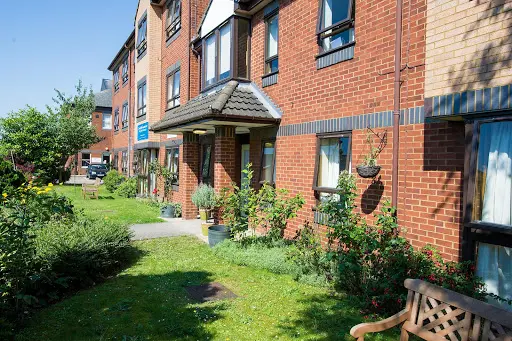
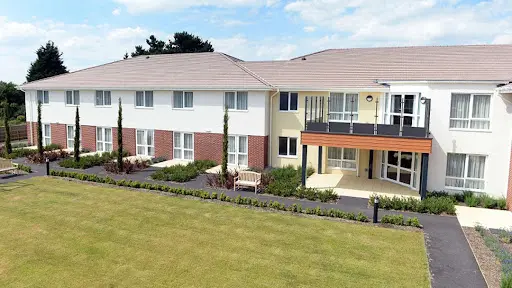
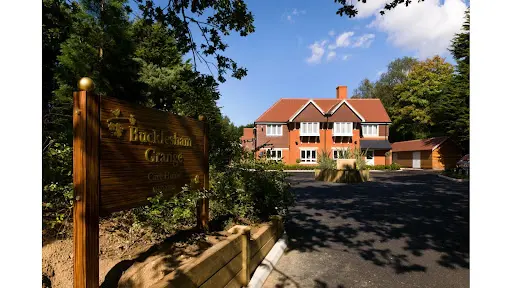
Kirkley Manor Nursing Home
At a Glance
The information you need to decide whether this home warrants a closer look.
Nursing homes
Staff warmth score
of reviewers answered yes
Good to know
- Registered beds71
- SpecialismsCaring for adults over 65 yrs, Caring for adults under 65 yrs, Dementia, Physical disabilities
- Last inspected2018-09-27
Save Kirkley Manor Nursing Home to your shortlist
Keep a running list, add visit notes, and compare homes side-by-side. Free account — it takes a minute.
STAGE 4 — RESEARCHING CARE HOMES
Visit homes. Compare them side by side. Choose with confidence.
Most of us will view care homes the way we view houses, impression, atmosphere, the feeling in the corridor. We go home, try to remember what we saw, and make a permanent decision from a blurred memory.

The DCC shortlist gives every home you visit a structured record: the same twelve questions, answered the same way, every time. When you’re ready to choose, pull any two homes side by side and compare them directly. Same criteria, same evidence, your notes and your scores.
The Evidence
What the review data, the inspection reports, and the dementia-care evidence base tell us about this home.
What families say
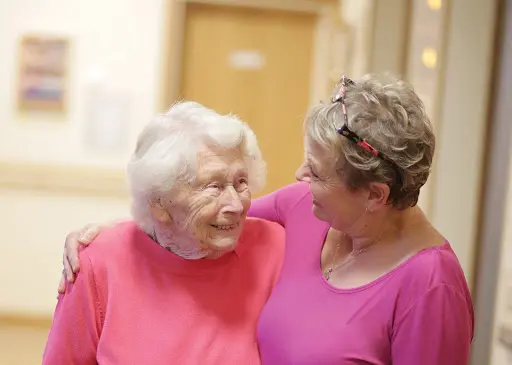
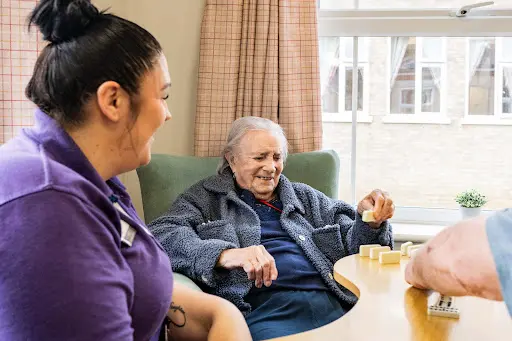
Families talk about walking in and feeling the difference straight away. There's a settled, content atmosphere where residents seem genuinely at ease. The staff create a welcoming environment that helps new residents find their feet quickly, while those who've been there longer clearly feel at home.
The eight family priority themes
- Staff warmth72
- Compassion & dignity72
- Cleanliness70
- Activities & engagement65
- Food quality65
- Healthcare70
- Management & leadership72
- Resident happiness70
What inspectors found
Inspected 2018-09-27
Is this home safe?
Is the care effective?
The Effective domain was rated Good at the August 2018 inspection. The published report does not include specific findings on care plan quality, dementia training content, GP access arrangements, medicines management, or food and nutrition practice. The home holds a nursing registration, which implies clinical oversight is in place. No evidence of concern was found at the 2023 monitoring review. Families cannot draw detailed conclusions from the published text alone.Is this home caring?
The Caring domain was rated Good at the August 2018 inspection. The published report contains no inspector observations of staff interactions, no direct quotes from residents or relatives, and no specific examples of how dignity, privacy, or independence are supported in practice. The Good rating indicates inspectors were satisfied overall. The absence of recorded detail means this finding rests on the inspector's judgement rather than evidence families can read and evaluate themselves.Is the home responsive?
The Responsive domain was rated Good at the August 2018 inspection. The published report does not include detail on the activities programme, individual engagement for people who cannot join group activities, how personal preferences are recorded and acted on, or end-of-life care arrangements. The home is registered for dementia care, which implies some tailoring of provision. No concerns were flagged at the 2023 monitoring review. The detail needed to assess responsiveness fully is not available in the published findings.Is the home well-led?
The Well-led domain was rated Good at the August 2018 inspection. A named registered manager, Mrs Sarah Derry, and a named nominated individual are on record. The published report does not describe management visibility, staff culture, governance systems, complaint handling, or how the home responds to incidents. The 2023 monitoring review found no evidence to change the rating. Leadership quality is very difficult to assess from the published text available here.
Source: CQC inspection report →
What the evidence base says
Kirkley Manor provides residential care for adults over 65, as well as younger adults who need support. They have experience caring for people living with dementia and those with physical disabilities. The home's approach to dementia care focuses on understanding each person as an individual. Staff take time to learn residents' backgrounds and preferences, which helps them provide more meaningful daily support. All areas worth probing directly during a visit.
The DCC Verdict
Our editorial view, built from the three lenses: what families tell us, what inspectors record, and how the home sits against good dementia-care practice.
DCC Family Score
Kirkley Manor was rated Good across all five inspection domains in August 2018, which is a positive foundation, but the published report contains limited specific detail, observations, or testimony to push individual theme scores higher. The overall Family Score of 74 reflects a home with a solid inspection record and no red flags, where the main uncertainty is simply the age of the evidence.
Homes in East typically score 68–82.The three-lens summary
What families tell us
Families talk about walking in and feeling the difference straight away. There's a settled, content atmosphere where residents seem genuinely at ease. The staff create a welcoming environment that helps new residents find their feet quickly, while those who've been there longer clearly feel at home.
What inspectors have recorded
What stands out here is how the home chooses its staff. They look beyond just qualifications to find people with the right personality and values for care work. This shows in how the team handles difficult moments too, particularly when supporting families through end-of-life care with real compassion and skill.
How it sits against good practice
Sometimes the best recommendation is simply seeing how content residents appear in their daily lives at Kirkley Manor.
Worth a visit
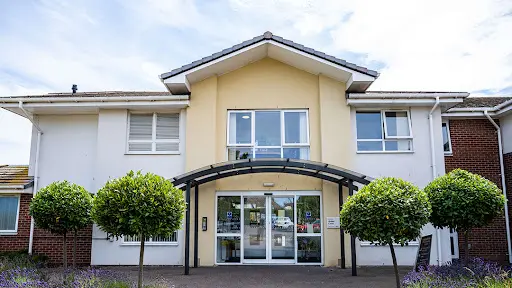
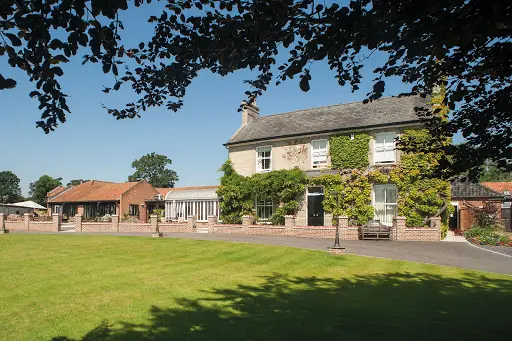
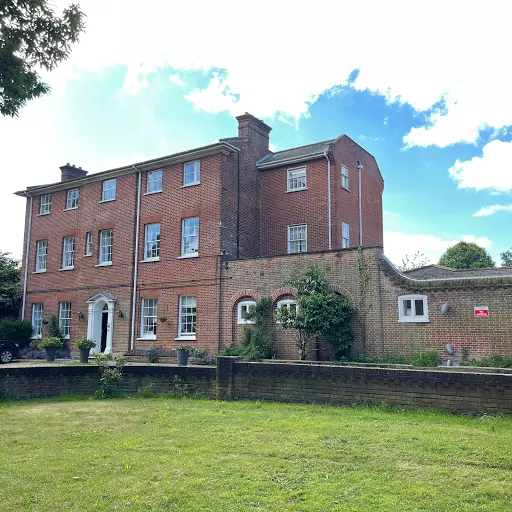
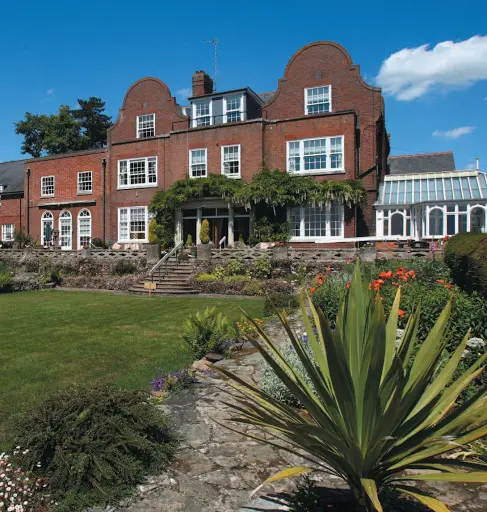
Kirkley Manor, at 3 Kirkley Park Road in Lowestoft, was rated Good across all five inspection domains following an inspection in August 2018. A monitoring review carried out in July 2023 found no evidence to change that rating. The home is a 71-bed nursing home registered to care for people with dementia, physical disabilities, and adults both over and under 65. A registered manager is named and in post, and a nominated individual with provider-level accountability is also identified. The honest limitation here is that the published inspection report contains very little specific detail: no inspector observations of care interactions, no resident or relative quotes, and no data on staffing ratios, food, activities, or the dementia environment. A Good rating from 2018 is a reasonable starting point, but six years is a long time in a care home and a great deal can change. Before making a decision, visit in person, ask to see the last 12 months of staff rotas including nights and agency cover, request the activity records from the past month, and ask the registered manager directly how dementia care is delivered on a day-to-day basis.
The three questions to ask when you visitSave this home. Compare it against your shortlist.
Let our analysis show you how Kirkley Manor Nursing Home measures up against the other homes you’re considering. Free account.
In Their Own Words
How Kirkley Manor Nursing Home describes itself — collected from its own website. DCC has not edited or independently verified the content in this tab.
Where personal touches make all the difference in daily care
Kirkley Manor – Expert Care in Lowestoft
Finding a care home that truly understands what matters to your loved one can feel overwhelming. Kirkley Manor in East Lowestoft seems to get it right by focusing on the small details that add up to something bigger. The team here takes time to learn what makes each resident tick, whether that's a particular hobby, a preferred routine, or simply how they like their tea.
Who they care for
Kirkley Manor provides residential care for adults over 65, as well as younger adults who need support. They have experience caring for people living with dementia and those with physical disabilities.
The home's approach to dementia care focuses on understanding each person as an individual. Staff take time to learn residents' backgrounds and preferences, which helps them provide more meaningful daily support.
“Sometimes the best recommendation is simply seeing how content residents appear in their daily lives at Kirkley Manor.”
DCC does not edit or curate content in this tab. For independently curated information, see The Evidence and DCC Verdict.
The DCC Verdict
Our editorial view, built from the three lenses: what families tell us, what inspectors record, and how the home sits against good dementia-care practice.
DCC Family Score
Kirkley Manor was rated Good across all five inspection domains in August 2018, which is a positive foundation, but the published report contains limited specific detail, observations, or testimony to push individual theme scores higher. The overall Family Score of 74 reflects a home with a solid inspection record and no red flags, where the main uncertainty is simply the age of the evidence.
Homes in East typically score 68–82.The three-lens summary
What families tell us
Families talk about walking in and feeling the difference straight away. There's a settled, content atmosphere where residents seem genuinely at ease. The staff create a welcoming environment that helps new residents find their feet quickly, while those who've been there longer clearly feel at home.
What inspectors have recorded
What stands out here is how the home chooses its staff. They look beyond just qualifications to find people with the right personality and values for care work. This shows in how the team handles difficult moments too, particularly when supporting families through end-of-life care with real compassion and skill.
How it sits against good practice
Sometimes the best recommendation is simply seeing how content residents appear in their daily lives at Kirkley Manor.
Worth a visit
Kirkley Manor, at 3 Kirkley Park Road in Lowestoft, was rated Good across all five inspection domains following an inspection in August 2018. A monitoring review carried out in July 2023 found no evidence to change that rating. The home is a 71-bed nursing home registered to care for people with dementia, physical disabilities, and adults both over and under 65. A registered manager is named and in post, and a nominated individual with provider-level accountability is also identified. The honest limitation here is that the published inspection report contains very little specific detail: no inspector observations of care interactions, no resident or relative quotes, and no data on staffing ratios, food, activities, or the dementia environment. A Good rating from 2018 is a reasonable starting point, but six years is a long time in a care home and a great deal can change. Before making a decision, visit in person, ask to see the last 12 months of staff rotas including nights and agency cover, request the activity records from the past month, and ask the registered manager directly how dementia care is delivered on a day-to-day basis.
The three questions to ask when you visitSave this home. Compare it against your shortlist.
Let our analysis show you how Kirkley Manor Nursing Home measures up against the other homes you’re considering. Free account.
In Their Own Words
How Kirkley Manor Nursing Home describes itself — collected from its own website. DCC has not edited or independently verified the content in this tab.
Where personal touches make all the difference in daily care
Kirkley Manor – Expert Care in Lowestoft
Finding a care home that truly understands what matters to your loved one can feel overwhelming. Kirkley Manor in East Lowestoft seems to get it right by focusing on the small details that add up to something bigger. The team here takes time to learn what makes each resident tick, whether that's a particular hobby, a preferred routine, or simply how they like their tea.
Who they care for
Kirkley Manor provides residential care for adults over 65, as well as younger adults who need support. They have experience caring for people living with dementia and those with physical disabilities.
The home's approach to dementia care focuses on understanding each person as an individual. Staff take time to learn residents' backgrounds and preferences, which helps them provide more meaningful daily support.
Management & ethos
What stands out here is how the home chooses its staff. They look beyond just qualifications to find people with the right personality and values for care work. This shows in how the team handles difficult moments too, particularly when supporting families through end-of-life care with real compassion and skill.
The home & environment
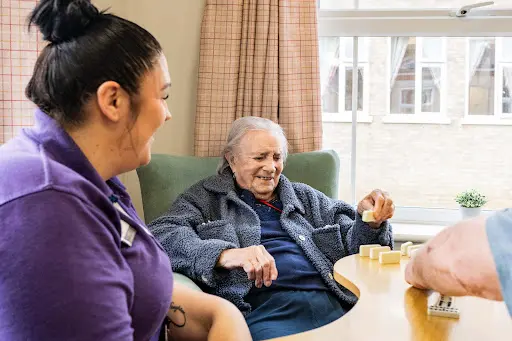
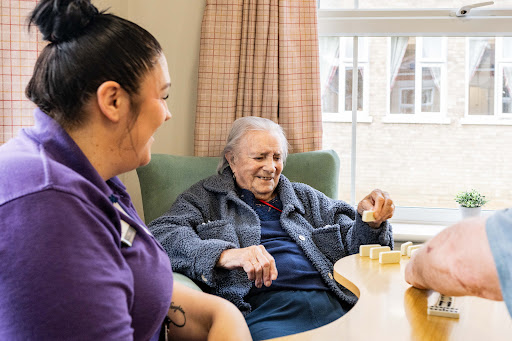
The home offers a good mix of activities to suit different interests and energy levels. Some residents enjoy the more structured group activities, while others prefer quieter pursuits. Staff work to match activities to what each person actually wants to do, rather than following a one-size-fits-all programme.
“Sometimes the best recommendation is simply seeing how content residents appear in their daily lives at Kirkley Manor.”
DCC does not edit or curate content in this tab. For independently curated information, see The Evidence and DCC Verdict.