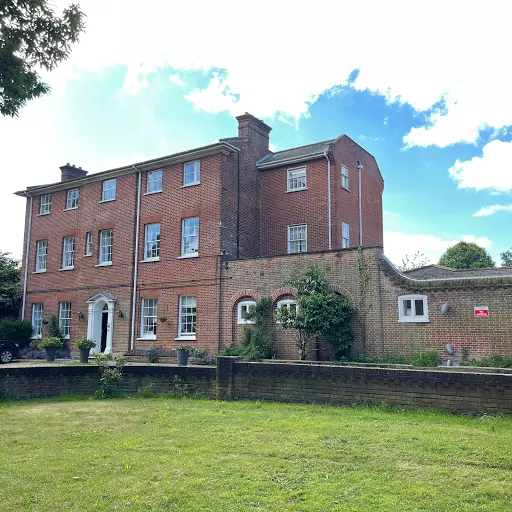
Broadlands Care Home – Oulton Broad
At a Glance
The information you need to decide whether this home warrants a closer look.
Residential homes
Staff warmth score
of reviewers answered yes
Good to know
- Registered beds52
- SpecialismsCaring for adults over 65 yrs, Dementia, Physical disabilities
- Last inspected2019-08-07
Save Broadlands Care Home – Oulton Broad to your shortlist
Keep a running list, add visit notes, and compare homes side-by-side. Free account — it takes a minute.
STAGE 4 — RESEARCHING CARE HOMES
Visit homes. Compare them side by side. Choose with confidence.
Most of us will view care homes the way we view houses, impression, atmosphere, the feeling in the corridor. We go home, try to remember what we saw, and make a permanent decision from a blurred memory.

The DCC shortlist gives every home you visit a structured record: the same twelve questions, answered the same way, every time. When you’re ready to choose, pull any two homes side by side and compare them directly. Same criteria, same evidence, your notes and your scores.
The Evidence
What the review data, the inspection reports, and the dementia-care evidence base tell us about this home.
What families say
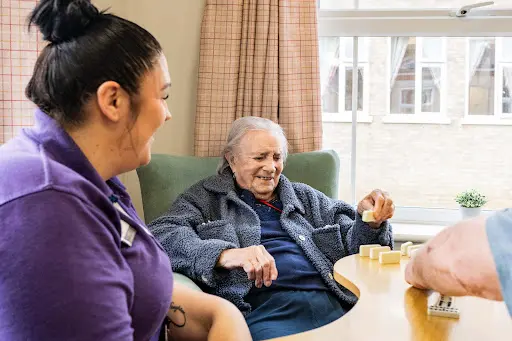
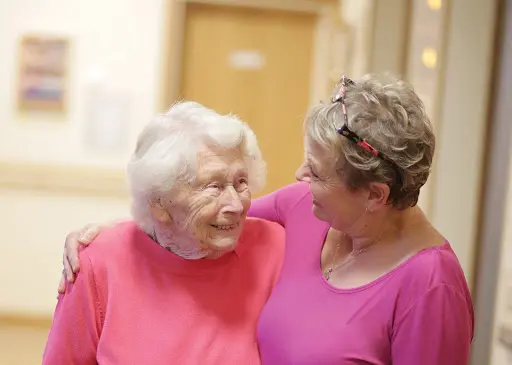
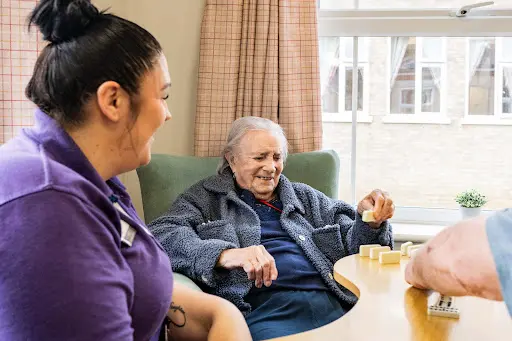
Visitors often comment on the friendly atmosphere they find here. Staff take time to chat with residents throughout the day, and there's a real sense of people being content and engaged. The home regularly hosts events that bring families and the local community together, creating occasions where everyone feels included.
The eight family priority themes
- Staff warmth85
- Compassion & dignity88
- Cleanliness72
- Activities & engagement82
- Food quality65
- Healthcare70
- Management & leadership85
- Resident happiness82
What inspectors found
Inspected 2019-08-07
Is this home safe?
Is the care effective?
Effectiveness was rated Good at the June 2019 inspection. This covers training, care planning, healthcare access, and nutrition. Dementia is a listed specialism, which means inspectors expected and assessed staff knowledge in this area. The Effective domain being rated Good rather than Outstanding suggests inspectors found a solid standard without the specific excellence that would lift it higher. No detail on GP access, medication management, or food quality appears in the published summary.Is this home caring?
Caring was rated Outstanding at the June 2019 inspection. This is the highest possible rating and requires inspectors to have found consistent, specific evidence of exceptional warmth, dignity, and respect across the home. An Outstanding Caring rating is relatively rare and carries real weight. The published summary does not reproduce specific inspector observations or quotes from residents and relatives, which limits what can be confirmed in detail, but the rating itself is a meaningful signal.Is the home responsive?
Responsiveness was rated Outstanding at the June 2019 inspection. This domain covers how well the home tailors its care to each individual, including activities, engagement, and end-of-life planning. An Outstanding rating here means inspectors found evidence that the home goes beyond a standard activity programme to offer genuinely individual responses to what each person needs and enjoys. Specific activities, schedules, or examples of individual engagement are not described in the published summary.Is the home well-led?
Leadership was rated Outstanding at the June 2019 inspection. The registered manager is named as Mrs Anne Maas, with Miss Julie Clarges as the nominated individual for the operating organisation, Greensleeves Homes Trust. An Outstanding Well-led rating requires inspectors to have found strong governance, a positive culture, staff who feel supported and able to speak up, and evidence that the home learns from incidents and uses feedback to improve. The published summary does not describe specific governance arrangements or staff feedback mechanisms.
Source: CQC inspection report →
What the evidence base says
Broadlands cares for adults over 65, including those with physical disabilities and people living with dementia. The home's riverside location and garden spaces provide a naturally calming environment for all residents. The home supports residents with dementia alongside those needing general residential care. With its peaceful riverside setting and programme of engaging activities, Broadlands aims to create moments of connection and joy throughout each day. All areas worth probing directly during a visit.
The DCC Verdict
Our editorial view, built from the three lenses: what families tell us, what inspectors record, and how the home sits against good dementia-care practice.
DCC Family Score
Broadlands earned an Outstanding overall rating, with inspectors rating caring, responsiveness, and leadership as Outstanding. The Family Score of 81 reflects strong evidence of warmth and dignity but limited published detail on specifics such as food, night staffing, and activities.
Homes in East typically score 68–82.The three-lens summary
What families tell us
Visitors often comment on the friendly atmosphere they find here. Staff take time to chat with residents throughout the day, and there's a real sense of people being content and engaged. The home regularly hosts events that bring families and the local community together, creating occasions where everyone feels included.
What inspectors have recorded
Staff are described as approachable and welcoming, taking time to know residents as individuals. While the home has faced challenges in the past around communication with families, particularly in dementia care, current visitors speak positively about the warmth and friendliness they encounter.
How it sits against good practice
If you're considering Broadlands for someone you love, visiting during one of their community events could give you a real feel for daily life here.
Worth a visit
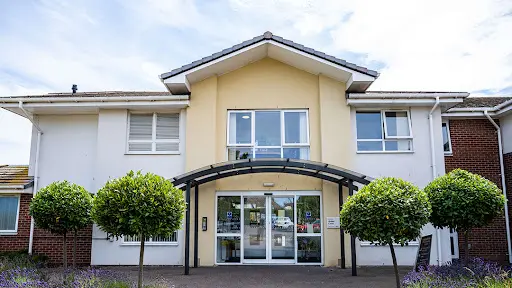
Broadlands, on Borrow Road in Lowestoft, received an Outstanding overall rating at its inspection in June 2019. Three of its five domains, caring, responsiveness, and leadership, were rated Outstanding, with safety and effectiveness both rated Good. These ratings place Broadlands among a small minority of care homes in England to have achieved this standard. The home is registered for 52 beds and specialises in supporting people living with dementia, those with physical disabilities, and adults over 65. The main limitation for families is that the published inspection summary is brief and does not include specific observations, quotes from residents or relatives, or detail on areas such as food, night staffing, dementia-specific activities, or the physical environment. The rating was also awarded in 2019, and while a desk-based review in July 2023 found no reason to change it, no full re-inspection has taken place since. On a visit, ask to see last week's actual staffing rota (not the template), ask how many staff are on overnight, and spend time in a communal area to observe whether staff interactions feel unhurried and warm.
The three questions to ask when you visitSave this home. Compare it against your shortlist.
Let our analysis show you how Broadlands Care Home – Oulton Broad measures up against the other homes you’re considering. Free account.
In Their Own Words
How Broadlands Care Home – Oulton Broad describes itself — collected from its own website. DCC has not edited or independently verified the content in this tab.
Where riverside gardens bring calm and connection to daily life
Dedicated residential home Support in Lowestoft
Set beside the river in East Lowestoft, Broadlands offers residential care where natural surroundings shape each day. The home cares for adults over 65, including those living with dementia or physical disabilities. Families describe a place where activities bring genuine engagement — from animal therapy visits to mystery nights that spark conversation and laughter.
Who they care for
Broadlands cares for adults over 65, including those with physical disabilities and people living with dementia. The home's riverside location and garden spaces provide a naturally calming environment for all residents.
The home supports residents with dementia alongside those needing general residential care. With its peaceful riverside setting and programme of engaging activities, Broadlands aims to create moments of connection and joy throughout each day.
“If you're considering Broadlands for someone you love, visiting during one of their community events could give you a real feel for daily life here.”
DCC does not edit or curate content in this tab. For independently curated information, see The Evidence and DCC Verdict.
The DCC Verdict
Our editorial view, built from the three lenses: what families tell us, what inspectors record, and how the home sits against good dementia-care practice.
DCC Family Score
Broadlands earned an Outstanding overall rating, with inspectors rating caring, responsiveness, and leadership as Outstanding. The Family Score of 81 reflects strong evidence of warmth and dignity but limited published detail on specifics such as food, night staffing, and activities.
Homes in East typically score 68–82.The three-lens summary
What families tell us
Visitors often comment on the friendly atmosphere they find here. Staff take time to chat with residents throughout the day, and there's a real sense of people being content and engaged. The home regularly hosts events that bring families and the local community together, creating occasions where everyone feels included.
What inspectors have recorded
Staff are described as approachable and welcoming, taking time to know residents as individuals. While the home has faced challenges in the past around communication with families, particularly in dementia care, current visitors speak positively about the warmth and friendliness they encounter.
How it sits against good practice
If you're considering Broadlands for someone you love, visiting during one of their community events could give you a real feel for daily life here.
Worth a visit
Broadlands, on Borrow Road in Lowestoft, received an Outstanding overall rating at its inspection in June 2019. Three of its five domains, caring, responsiveness, and leadership, were rated Outstanding, with safety and effectiveness both rated Good. These ratings place Broadlands among a small minority of care homes in England to have achieved this standard. The home is registered for 52 beds and specialises in supporting people living with dementia, those with physical disabilities, and adults over 65. The main limitation for families is that the published inspection summary is brief and does not include specific observations, quotes from residents or relatives, or detail on areas such as food, night staffing, dementia-specific activities, or the physical environment. The rating was also awarded in 2019, and while a desk-based review in July 2023 found no reason to change it, no full re-inspection has taken place since. On a visit, ask to see last week's actual staffing rota (not the template), ask how many staff are on overnight, and spend time in a communal area to observe whether staff interactions feel unhurried and warm.
The three questions to ask when you visitSave this home. Compare it against your shortlist.
Let our analysis show you how Broadlands Care Home – Oulton Broad measures up against the other homes you’re considering. Free account.
In Their Own Words
How Broadlands Care Home – Oulton Broad describes itself — collected from its own website. DCC has not edited or independently verified the content in this tab.
Where riverside gardens bring calm and connection to daily life
Dedicated residential home Support in Lowestoft
Set beside the river in East Lowestoft, Broadlands offers residential care where natural surroundings shape each day. The home cares for adults over 65, including those living with dementia or physical disabilities. Families describe a place where activities bring genuine engagement — from animal therapy visits to mystery nights that spark conversation and laughter.
Who they care for
Broadlands cares for adults over 65, including those with physical disabilities and people living with dementia. The home's riverside location and garden spaces provide a naturally calming environment for all residents.
The home supports residents with dementia alongside those needing general residential care. With its peaceful riverside setting and programme of engaging activities, Broadlands aims to create moments of connection and joy throughout each day.
Management & ethos
Staff are described as approachable and welcoming, taking time to know residents as individuals. While the home has faced challenges in the past around communication with families, particularly in dementia care, current visitors speak positively about the warmth and friendliness they encounter.
The home & environment
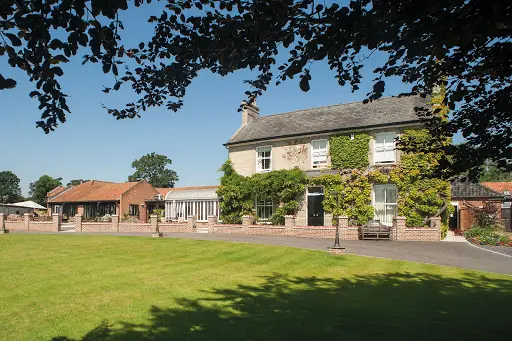
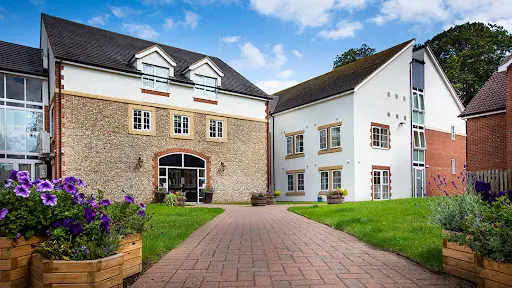
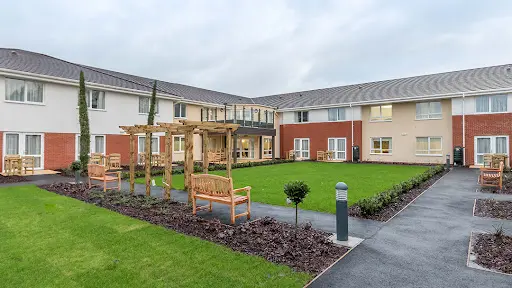
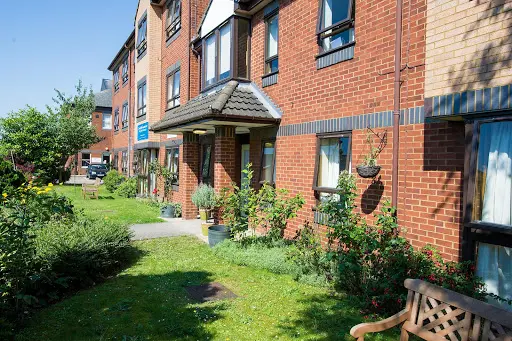
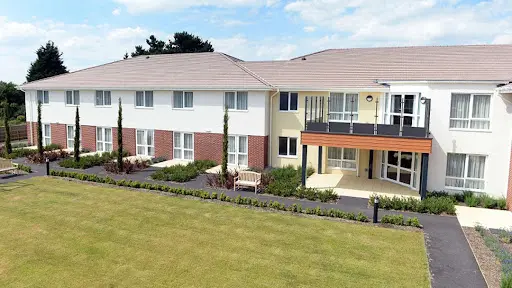
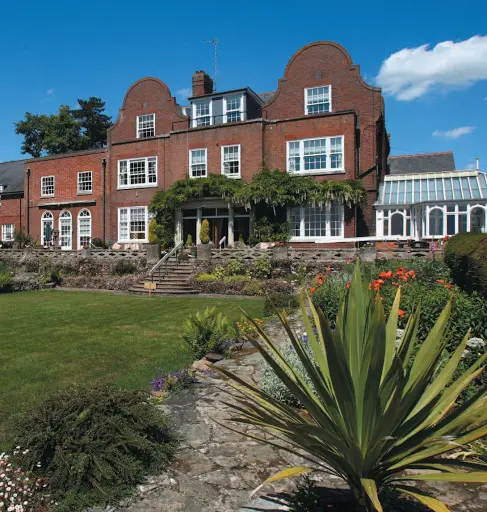
The gardens here offer something special — peaceful riverside views and accessible paths where residents can enjoy fresh air and nature. Inside, mealtimes become social occasions, with food that visitors have praised for both quality and presentation. The home brings in professional entertainers and therapy animals, turning ordinary afternoons into something residents genuinely look forward to.
“If you're considering Broadlands for someone you love, visiting during one of their community events could give you a real feel for daily life here.”
DCC does not edit or curate content in this tab. For independently curated information, see The Evidence and DCC Verdict.