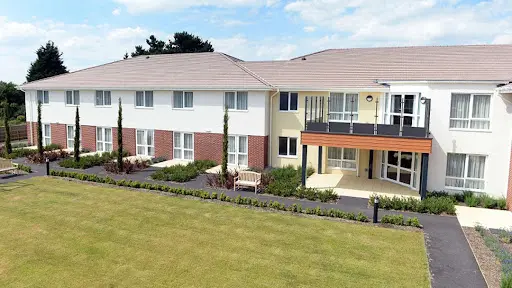
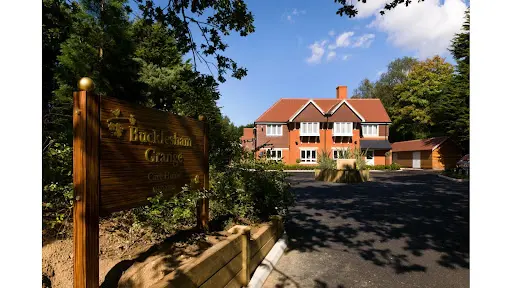
Harleston House Care Home – Lowestoft
At a Glance
The information you need to decide whether this home warrants a closer look.
Residential homes
Staff warmth score
of reviewers answered yes
Good to know
- Registered beds39
- SpecialismsCaring for adults over 65 yrs, Dementia, Physical disabilities
- Last inspected2019-01-17
Save Harleston House Care Home – Lowestoft to your shortlist
Keep a running list, add visit notes, and compare homes side-by-side. Free account — it takes a minute.
STAGE 4 — RESEARCHING CARE HOMES
Visit homes. Compare them side by side. Choose with confidence.
Most of us will view care homes the way we view houses, impression, atmosphere, the feeling in the corridor. We go home, try to remember what we saw, and make a permanent decision from a blurred memory.

The DCC shortlist gives every home you visit a structured record: the same twelve questions, answered the same way, every time. When you’re ready to choose, pull any two homes side by side and compare them directly. Same criteria, same evidence, your notes and your scores.
The Evidence
What the review data, the inspection reports, and the dementia-care evidence base tell us about this home.
What families say
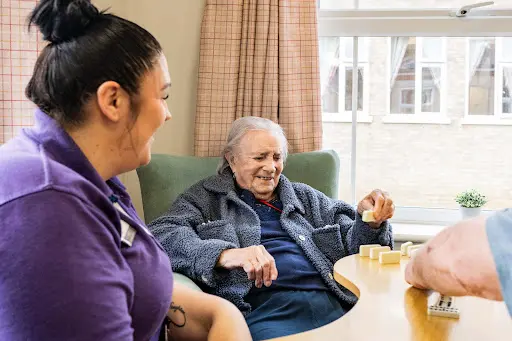
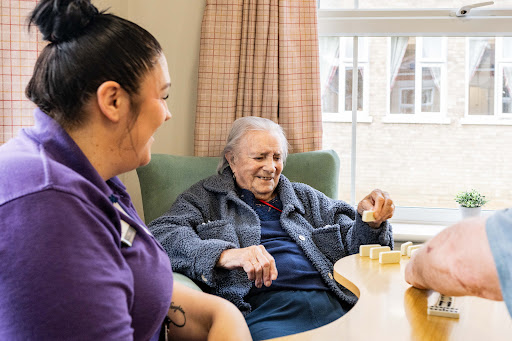
What strikes families is how residents here maintain their dignity and appreciation for life. People talk about their loved ones being genuinely content, whether staying for respite care or longer term. The atmosphere seems to help residents feel settled rather than anxious.
The eight family priority themes
- Staff warmth85
- Compassion & dignity88
- Cleanliness70
- Activities & engagement82
- Food quality65
- Healthcare70
- Management & leadership85
- Resident happiness80
What inspectors found
Inspected 2019-01-17
Is this home safe?
Is the care effective?
The Effective domain was rated Good. This covers training, care planning, healthcare access, and nutrition. Harleston House lists dementia as a specialism, which implies staff have relevant training, but the published summary does not describe training content, GP access arrangements, or how care plans are reviewed and updated. Food quality, a theme that 20.9% of family reviewers raise in positive reviews, is not addressed in the published findings.Is this home caring?
The Caring domain was rated Outstanding, the highest possible rating. Inspectors do not award this rating on the basis of policy or intention alone. It requires direct observations of warm, respectful, unhurried interactions between staff and residents, together with evidence that residents are treated as individuals. The published summary does not reproduce the specific inspector observations that led to this rating, but the rating itself is a meaningful signal. Privacy, dignity, and independence are all assessed within this domain.Is the home responsive?
The Responsive domain was rated Outstanding. This domain covers whether care is tailored to individuals, whether activities are meaningful and varied, whether the home responds well to changing needs, and whether end-of-life care is handled with sensitivity. An Outstanding rating here requires inspectors to find specific evidence of individualised, not just generic, care. The published summary does not describe specific activity programmes, one-to-one engagement provision, or end-of-life planning processes.Is the home well-led?
The Well-Led domain was rated Outstanding. A named registered manager, Mrs Susan Graham, is recorded, along with a nominated individual, Miss Julie Clarges. The home is run by Greensleeves Homes Trust. An Outstanding rating for leadership requires inspectors to find a positive, open culture, effective governance, staff who feel supported and able to speak up, and evidence that the home learns from incidents and feedback. The published summary does not reproduce the specific evidence inspectors used to reach this rating.
Source: CQC inspection report →
What the evidence base says
Harleston House specialises in dementia care, support for people over 65, and those with physical disabilities. Families particularly value how staff understand the specific needs that come with dementia. They describe their loved ones receiving compassionate support that helps them stay comfortable and content, right through to end-of-life care when needed. All areas worth probing directly during a visit.
The DCC Verdict
Our editorial view, built from the three lenses: what families tell us, what inspectors record, and how the home sits against good dementia-care practice.
DCC Family Score
Harleston House carries an Outstanding overall rating, with inspectors singling out caring, responsiveness, and leadership for the highest possible marks. Scores are tempered by the fact that the published report contains limited specific detail, so several themes are scored on the strength of the rating rather than granular inspector observations.
Homes in East typically score 68–82.The three-lens summary
What families tell us
What strikes families is how residents here maintain their dignity and appreciation for life. People talk about their loved ones being genuinely content, whether staying for respite care or longer term. The atmosphere seems to help residents feel settled rather than anxious.
What inspectors have recorded
Staff here get noticed for being quick to respond when needed — families describe them coordinating with paramedics during emergencies and staying attentive to daily care needs. The visiting policy is refreshingly open, so families can pop in whenever works for them.
How it sits against good practice
It's the kind of place where families feel their loved ones are genuinely understood.
Worth a visit
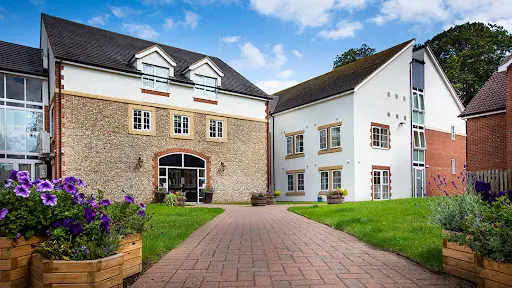
Harleston House at 115 Park Road, Lowestoft was rated Outstanding overall at its inspection in January 2019, with the published report confirmed in February 2021. Inspectors awarded Outstanding ratings for Caring, Responsive, and Well-Led, with Good ratings for Safe and Effective. This places the home in a small minority of care homes nationally to achieve this overall rating, and the pattern of ratings suggests inspectors found particularly strong staff kindness, individualised care, and leadership. The main limitation for your decision-making is that the published inspection summary is brief and does not contain the granular detail that would allow a full picture of day-to-day life. The inspection itself took place in January 2019, which means the findings are now several years old. A follow-up review in July 2023 found no reason to change the rating, which is reassuring, but is not a substitute for a new full inspection. When you visit, pay close attention to how staff interact with residents in corridors and communal spaces, ask specifically about night staffing numbers and agency use, and request to see a sample care plan so you can judge how well it reflects your parent as an individual.
The three questions to ask when you visitSave this home. Compare it against your shortlist.
Let our analysis show you how Harleston House Care Home – Lowestoft measures up against the other homes you’re considering. Free account.
In Their Own Words
How Harleston House Care Home – Lowestoft describes itself — collected from its own website. DCC has not edited or independently verified the content in this tab.
Where dementia care feels genuinely personal and unhurried
Residential home in Lowestoft: True Peace of Mind
Families choosing Harleston House in East Lowestoft often mention the same thing — how staff seem to really understand what their loved ones need, especially when dementia makes everything more complicated. This care home specialises in supporting people over 65 with dementia and physical disabilities, and families describe a place where residents stay content and comfortable, even during difficult times.
Who they care for
Harleston House specialises in dementia care, support for people over 65, and those with physical disabilities.
Families particularly value how staff understand the specific needs that come with dementia. They describe their loved ones receiving compassionate support that helps them stay comfortable and content, right through to end-of-life care when needed.
“It's the kind of place where families feel their loved ones are genuinely understood.”
DCC does not edit or curate content in this tab. For independently curated information, see The Evidence and DCC Verdict.
The DCC Verdict
Our editorial view, built from the three lenses: what families tell us, what inspectors record, and how the home sits against good dementia-care practice.
DCC Family Score
Harleston House carries an Outstanding overall rating, with inspectors singling out caring, responsiveness, and leadership for the highest possible marks. Scores are tempered by the fact that the published report contains limited specific detail, so several themes are scored on the strength of the rating rather than granular inspector observations.
Homes in East typically score 68–82.The three-lens summary
What families tell us
What strikes families is how residents here maintain their dignity and appreciation for life. People talk about their loved ones being genuinely content, whether staying for respite care or longer term. The atmosphere seems to help residents feel settled rather than anxious.
What inspectors have recorded
Staff here get noticed for being quick to respond when needed — families describe them coordinating with paramedics during emergencies and staying attentive to daily care needs. The visiting policy is refreshingly open, so families can pop in whenever works for them.
How it sits against good practice
It's the kind of place where families feel their loved ones are genuinely understood.
Worth a visit
Harleston House at 115 Park Road, Lowestoft was rated Outstanding overall at its inspection in January 2019, with the published report confirmed in February 2021. Inspectors awarded Outstanding ratings for Caring, Responsive, and Well-Led, with Good ratings for Safe and Effective. This places the home in a small minority of care homes nationally to achieve this overall rating, and the pattern of ratings suggests inspectors found particularly strong staff kindness, individualised care, and leadership. The main limitation for your decision-making is that the published inspection summary is brief and does not contain the granular detail that would allow a full picture of day-to-day life. The inspection itself took place in January 2019, which means the findings are now several years old. A follow-up review in July 2023 found no reason to change the rating, which is reassuring, but is not a substitute for a new full inspection. When you visit, pay close attention to how staff interact with residents in corridors and communal spaces, ask specifically about night staffing numbers and agency use, and request to see a sample care plan so you can judge how well it reflects your parent as an individual.
The three questions to ask when you visitSave this home. Compare it against your shortlist.
Let our analysis show you how Harleston House Care Home – Lowestoft measures up against the other homes you’re considering. Free account.
In Their Own Words
How Harleston House Care Home – Lowestoft describes itself — collected from its own website. DCC has not edited or independently verified the content in this tab.
Where dementia care feels genuinely personal and unhurried
Residential home in Lowestoft: True Peace of Mind
Families choosing Harleston House in East Lowestoft often mention the same thing — how staff seem to really understand what their loved ones need, especially when dementia makes everything more complicated. This care home specialises in supporting people over 65 with dementia and physical disabilities, and families describe a place where residents stay content and comfortable, even during difficult times.
Who they care for
Harleston House specialises in dementia care, support for people over 65, and those with physical disabilities.
Families particularly value how staff understand the specific needs that come with dementia. They describe their loved ones receiving compassionate support that helps them stay comfortable and content, right through to end-of-life care when needed.
Management & ethos
Staff here get noticed for being quick to respond when needed — families describe them coordinating with paramedics during emergencies and staying attentive to daily care needs. The visiting policy is refreshingly open, so families can pop in whenever works for them.
“It's the kind of place where families feel their loved ones are genuinely understood.”
DCC does not edit or curate content in this tab. For independently curated information, see The Evidence and DCC Verdict.