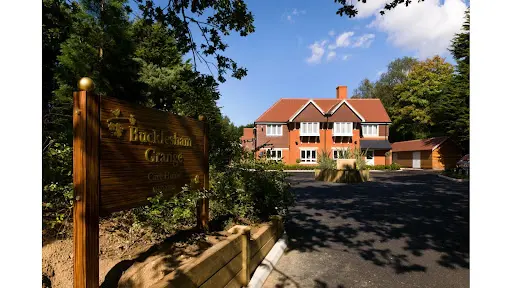
Cotman House | Care Home in Felixstowe

At a Glance
The information you need to decide whether this home warrants a closer look.
Residential homes
Staff warmth score
of reviewers answered yes
Good to know
- Registered beds62
- SpecialismsCaring for adults over 65 yrs, Caring for adults under 65 yrs, Dementia, Physical disabilities, Sensory impairment
- Last inspected2022-04-05
Save Cotman House | Care Home in Felixstowe to your shortlist
Keep a running list, add visit notes, and compare homes side-by-side. Free account — it takes a minute.
STAGE 4 — RESEARCHING CARE HOMES
Visit homes. Compare them side by side. Choose with confidence.
Most of us will view care homes the way we view houses, impression, atmosphere, the feeling in the corridor. We go home, try to remember what we saw, and make a permanent decision from a blurred memory.

The DCC shortlist gives every home you visit a structured record: the same twelve questions, answered the same way, every time. When you’re ready to choose, pull any two homes side by side and compare them directly. Same criteria, same evidence, your notes and your scores.
The Evidence
What the review data, the inspection reports, and the dementia-care evidence base tell us about this home.
What families say
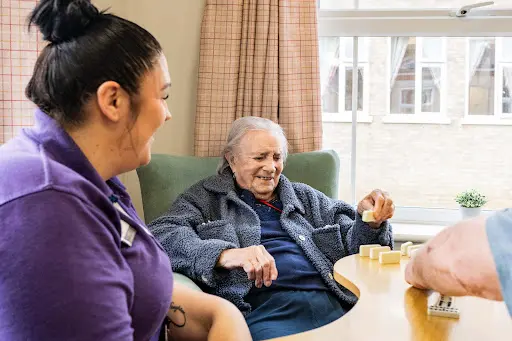
Visitors describe watching staff sit down with residents for proper conversations, not just task-focused interactions. There's a pattern here — professionals and families alike notice how staff recognize each person's individual needs and preferences. The home runs public events that bring in people from outside, creating a natural social atmosphere rather than an isolated care setting.
The eight family priority themes
- Staff warmth72
- Compassion & dignity72
- Cleanliness72
- Activities & engagement65
- Food quality65
- Healthcare70
- Management & leadership75
- Resident happiness70
What inspectors found
Inspected 2022-04-05
Is this home safe?
Is the care effective?
The Effective domain was rated Good, covering training, care planning, healthcare access, nutrition, and the application of best practice guidance. The home lists dementia as a specialism, which means inspectors will have looked at how staff are trained and supported to care for people living with dementia. The published summary does not describe the content or frequency of dementia training, how care plans are structured, or how the home works with GPs and other health professionals. No concerns were raised in this domain.Is this home caring?
The Caring domain was rated Good. Inspectors assess warmth, dignity, privacy, and respect for independence within this domain. A Good rating means the evidence presented during the inspection satisfied inspectors that people at Cotman House were treated with genuine kindness and respect. The published findings do not include specific observations of staff interactions, quotes from residents or relatives, or examples of how dignity is protected during personal care. No concerns were raised.Is the home responsive?
The Responsive domain was rated Good. This domain covers whether the home tailors its care to individual needs, offers meaningful activities, supports independence, responds to complaints, and plans appropriately for end of life. The home supports people with a range of needs including dementia, physical disabilities, and sensory impairments, which means responsiveness to individual difference is particularly important here. The published summary does not describe the activity programme, how individual preferences are recorded, or how end-of-life planning is approached.Is the home well-led?
The Well-led domain was rated Good. This is particularly significant because this domain encompasses governance, staff culture, accountability, and learning from incidents. The home had previously received a Requires Improvement rating overall, and reaching Good in Well-led suggests the leadership team addressed earlier weaknesses effectively. A named registered manager, Kirsty Allen, and a nominated individual, Rebecca Garwood, were recorded. The published text does not describe manager tenure, how staff are supported to raise concerns, or what governance processes are in place.
Source: CQC inspection report →
What the evidence base says
The home cares for adults of all ages with physical disabilities, sensory impairments and dementia. They've developed particular experience with younger residents who need specialized support. Regular dementia-friendly events open to the public create opportunities for social connection. The home supports residents to maintain links with their local area through accompanied outings. All areas worth probing directly during a visit.
The DCC Verdict
Our editorial view, built from the three lenses: what families tell us, what inspectors record, and how the home sits against good dementia-care practice.
DCC Family Score
Cotman House improved from Requires Improvement to a Good rating across all five inspection domains, which is a meaningful step forward. However, the published inspection text contains limited specific detail, so scores reflect a confident but not strongly evidenced Good rather than an outstanding one.
Homes in East typically score 68–82.The three-lens summary
What families tell us
Visitors describe watching staff sit down with residents for proper conversations, not just task-focused interactions. There's a pattern here — professionals and families alike notice how staff recognize each person's individual needs and preferences. The home runs public events that bring in people from outside, creating a natural social atmosphere rather than an isolated care setting.
What inspectors have recorded
Most families report feeling heard when they raise concerns, with staff who genuinely engage with both residents and relatives. However, some families have experienced significant issues with management responsiveness and meal service that potential residents should discuss during visits.
How it sits against good practice
For families seeking respite care or considering permanent residence, the combination of seaside location and community engagement offers something worth exploring firsthand.
Worth a visit
Cotman House in Felixstowe was rated Good across all five inspection domains following an inspection in March 2022, and this represents a genuine improvement from a previous Requires Improvement rating. The home is registered for 62 beds and supports people over and under 65 with dementia, physical disabilities, and sensory impairments. A named registered manager, Kirsty Allen, was in post at the time of inspection, and the overall picture presented to inspectors was one of a home that had addressed earlier concerns and stabilised. The main limitation of this report for families is that the published inspection text is brief and contains very little specific detail about what inspectors actually saw, heard, or read during their visit. Almost everything scored here is based on the domain ratings rather than specific observations, quotes from residents, or concrete examples of practice. Before visiting, prepare a list of direct questions: ask to see last week's actual staffing rota (not the template) and count permanent versus agency names on nights; ask how staff are trained to respond when a person with dementia becomes distressed; ask what one-to-one activity looks like for a resident who cannot join group sessions. A Good rating from 2022 is a solid starting point, but it is now over two years old and a visit will tell you far more than this summary can.
The three questions to ask when you visitSave this home. Compare it against your shortlist.
Let our analysis show you how Cotman House | Care Home in Felixstowe measures up against the other homes you’re considering. Free account.
In Their Own Words
How Cotman House | Care Home in Felixstowe describes itself — collected from its own website. DCC has not edited or independently verified the content in this tab.
Seaside community where dementia doesn't mean disconnection
Compassionate Care in Felixstowe at Cotman House
Families visiting Cotman House in East Felixstowe often mention the sea views first — but it's the regular cinema screenings and coffee mornings that really catch their attention. This care home has built something unusual: a place where people living with dementia stay connected to their community, not separated from it.
Who they care for
The home cares for adults of all ages with physical disabilities, sensory impairments and dementia. They've developed particular experience with younger residents who need specialized support.
Regular dementia-friendly events open to the public create opportunities for social connection. The home supports residents to maintain links with their local area through accompanied outings.
“For families seeking respite care or considering permanent residence, the combination of seaside location and community engagement offers something worth exploring firsthand.”
DCC does not edit or curate content in this tab. For independently curated information, see The Evidence and DCC Verdict.
The DCC Verdict
Our editorial view, built from the three lenses: what families tell us, what inspectors record, and how the home sits against good dementia-care practice.
DCC Family Score
Cotman House improved from Requires Improvement to a Good rating across all five inspection domains, which is a meaningful step forward. However, the published inspection text contains limited specific detail, so scores reflect a confident but not strongly evidenced Good rather than an outstanding one.
Homes in East typically score 68–82.The three-lens summary
What families tell us
Visitors describe watching staff sit down with residents for proper conversations, not just task-focused interactions. There's a pattern here — professionals and families alike notice how staff recognize each person's individual needs and preferences. The home runs public events that bring in people from outside, creating a natural social atmosphere rather than an isolated care setting.
What inspectors have recorded
Most families report feeling heard when they raise concerns, with staff who genuinely engage with both residents and relatives. However, some families have experienced significant issues with management responsiveness and meal service that potential residents should discuss during visits.
How it sits against good practice
For families seeking respite care or considering permanent residence, the combination of seaside location and community engagement offers something worth exploring firsthand.
Worth a visit
Cotman House in Felixstowe was rated Good across all five inspection domains following an inspection in March 2022, and this represents a genuine improvement from a previous Requires Improvement rating. The home is registered for 62 beds and supports people over and under 65 with dementia, physical disabilities, and sensory impairments. A named registered manager, Kirsty Allen, was in post at the time of inspection, and the overall picture presented to inspectors was one of a home that had addressed earlier concerns and stabilised. The main limitation of this report for families is that the published inspection text is brief and contains very little specific detail about what inspectors actually saw, heard, or read during their visit. Almost everything scored here is based on the domain ratings rather than specific observations, quotes from residents, or concrete examples of practice. Before visiting, prepare a list of direct questions: ask to see last week's actual staffing rota (not the template) and count permanent versus agency names on nights; ask how staff are trained to respond when a person with dementia becomes distressed; ask what one-to-one activity looks like for a resident who cannot join group sessions. A Good rating from 2022 is a solid starting point, but it is now over two years old and a visit will tell you far more than this summary can.
The three questions to ask when you visitSave this home. Compare it against your shortlist.
Let our analysis show you how Cotman House | Care Home in Felixstowe measures up against the other homes you’re considering. Free account.
In Their Own Words
How Cotman House | Care Home in Felixstowe describes itself — collected from its own website. DCC has not edited or independently verified the content in this tab.
Seaside community where dementia doesn't mean disconnection
Compassionate Care in Felixstowe at Cotman House
Families visiting Cotman House in East Felixstowe often mention the sea views first — but it's the regular cinema screenings and coffee mornings that really catch their attention. This care home has built something unusual: a place where people living with dementia stay connected to their community, not separated from it.
Who they care for
The home cares for adults of all ages with physical disabilities, sensory impairments and dementia. They've developed particular experience with younger residents who need specialized support.
Regular dementia-friendly events open to the public create opportunities for social connection. The home supports residents to maintain links with their local area through accompanied outings.
Management & ethos
Most families report feeling heard when they raise concerns, with staff who genuinely engage with both residents and relatives. However, some families have experienced significant issues with management responsiveness and meal service that potential residents should discuss during visits.
The home & environment
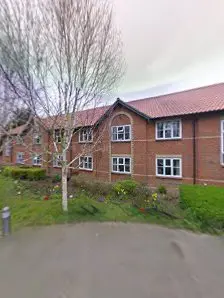
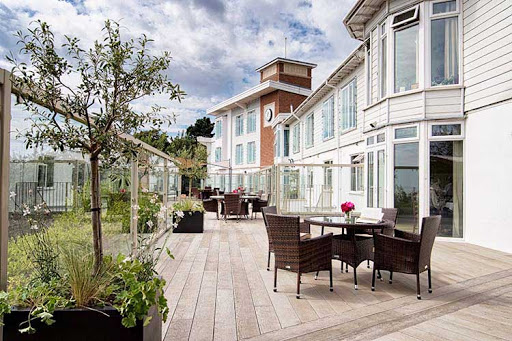
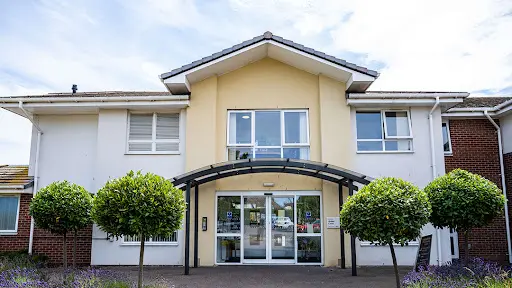
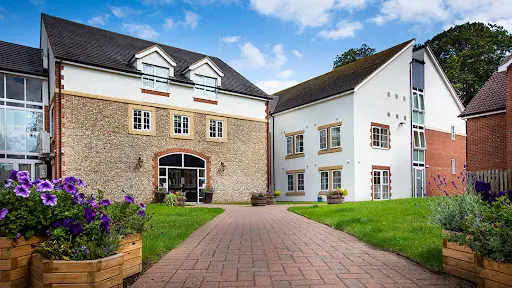
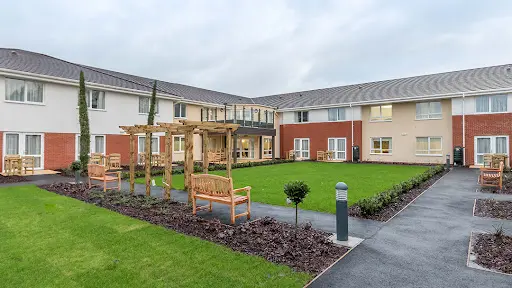
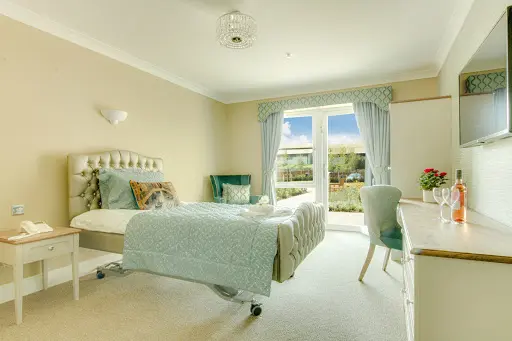
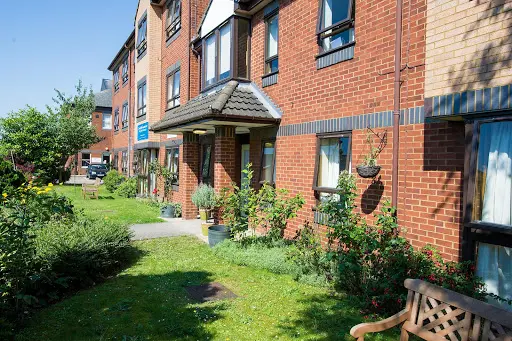
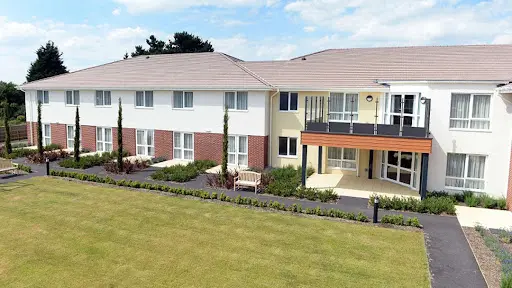
The seafront location brings more than just views. Families talk about seeing their relatives brighten when they can watch the water or sit outside. The building stays clean and fresh-smelling according to multiple visitors, with secure spaces that still feel open rather than restrictive.
“For families seeking respite care or considering permanent residence, the combination of seaside location and community engagement offers something worth exploring firsthand.”
DCC does not edit or curate content in this tab. For independently curated information, see The Evidence and DCC Verdict.