Glastonbury Court Care Home – Care UK
At a Glance
The information you need to decide whether this home warrants a closer look.
Nursing homes
Staff warmth score
of reviewers answered yes
Good to know
- Registered beds80
- SpecialismsCaring for adults over 65 yrs, Caring for adults under 65 yrs, Dementia, Mental health conditions, Physical disabilities
- Last inspected2020-01-11
Save Glastonbury Court Care Home – Care UK to your shortlist
Keep a running list, add visit notes, and compare homes side-by-side. Free account — it takes a minute.
STAGE 4 — RESEARCHING CARE HOMES
Visit homes. Compare them side by side. Choose with confidence.
Most of us will view care homes the way we view houses, impression, atmosphere, the feeling in the corridor. We go home, try to remember what we saw, and make a permanent decision from a blurred memory.

The DCC shortlist gives every home you visit a structured record: the same twelve questions, answered the same way, every time. When you’re ready to choose, pull any two homes side by side and compare them directly. Same criteria, same evidence, your notes and your scores.
The Evidence
What the review data, the inspection reports, and the dementia-care evidence base tell us about this home.
What families say
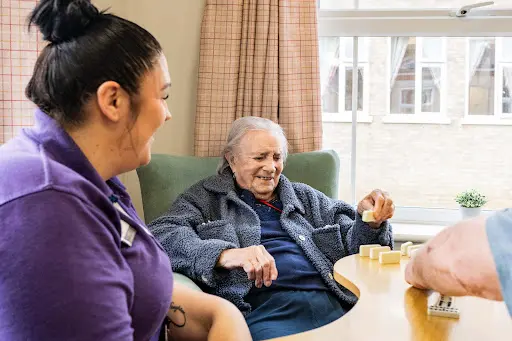
The warmth here comes through in the everyday moments. Visitors mention how staff stop to chat, remember their names, and make time for proper conversations. During the hardest times, when families are facing end-of-life care, the team provides gentle support that helps everyone feel less alone.
The eight family priority themes
- Staff warmth72
- Compassion & dignity72
- Cleanliness68
- Activities & engagement88
- Food quality65
- Healthcare72
- Management & leadership88
- Resident happiness75
What inspectors found
Inspected 2020-01-11
Is this home safe?
Is the care effective?
The Effective domain was rated Good at the February 2022 inspection. This domain covers staff training, care planning, healthcare access, and nutrition. Dementia care is listed as a specialism, which implies that specialist training is in place, but the published report does not describe training content, completion rates, or specific examples of effective care delivery. Food quality and GP access are not described in the available text.Is this home caring?
The Caring domain was rated Good at the February 2022 inspection. This domain covers staff warmth, dignity, respect, and how well residents' independence is supported. No specific inspector observations, such as staff using preferred names, knocking before entering, or responding to distress, are recorded in the available published text. No resident or relative quotes are included in the published findings.Is the home responsive?
The Responsive domain was rated Outstanding at the February 2022 inspection, the highest possible rating and the standout result for this home. This domain covers how well the home tailors activities, care, and daily life to individuals. It also includes complaints handling and end-of-life care planning. An Outstanding rating here means inspectors found specific, strong evidence of individualised responsiveness, but the published text does not describe the specific activities, approaches, or examples that earned this rating.Is the home well-led?
The Well-led domain was rated Outstanding at the February 2022 inspection, matching the Responsive domain as the home's strongest result. This domain covers management visibility, governance, staff culture, and accountability. A named registered manager, Ana Cristina Mihai, and a nominated individual, Rachel Louise Harvey, are both registered with the regulator. An Outstanding Well-led rating means inspectors found specific evidence of strong, person-centred leadership and a culture in which staff are supported and can speak up. The published text does not describe specific governance examples.
Source: CQC inspection report →
What the evidence base says
The home welcomes residents with various needs, including those living with dementia, mental health conditions, and physical disabilities. They care for both younger adults under 65 and older residents. For those living with dementia, the home provides specialised support and has even hosted educational events to help families better understand the condition. The team understands how to create a supportive environment that maintains dignity while managing the challenges dementia can bring. All areas worth probing directly during a visit.
The DCC Verdict
Our editorial view, built from the three lenses: what families tell us, what inspectors record, and how the home sits against good dementia-care practice.
DCC Family Score
Glastonbury Court earned an Outstanding rating overall, driven by exceptional scores in responsiveness and leadership. The inspection text provided is limited in specific observational detail, so several theme scores reflect the domain ratings rather than direct evidence from the report body.
Homes in East typically score 68–82.The three-lens summary
What families tell us
The warmth here comes through in the everyday moments. Visitors mention how staff stop to chat, remember their names, and make time for proper conversations. During the hardest times, when families are facing end-of-life care, the team provides gentle support that helps everyone feel less alone.
What inspectors have recorded
Staff here are consistently described as approachable and caring, with families feeling they can raise concerns or ask questions easily. While one family did report a troubling experience with certain staff members during a difficult period, the overwhelming feedback describes a team that genuinely cares about residents' wellbeing and dignity.
How it sits against good practice
Sometimes the smallest details — a clean room, a friendly face, a moment of genuine care — make all the difference when you're trusting others with someone you love.
Worth a visit
Glastonbury Court on Glastonbury Road in Bury St Edmunds was rated Outstanding at its last inspection in February 2022, an improvement on its previous Good rating. The home, run by Care UK Community Partnerships Ltd, supports up to 80 people with a wide range of needs including dementia, mental health conditions, and physical disabilities. The Outstanding ratings for Responsive and Well-led are the highest a home can receive, and they signal a service that takes individuality seriously and has strong, accountable leadership in place. The main limitation of this report is that the published text is brief and does not include specific observations, quotes from residents or relatives, or detailed descriptions of care in practice. The ratings are credible, but you should use a visit to fill the gaps. In particular, ask about night staffing ratios for an 80-bed nursing home, how often your parent's care plan would be reviewed with your input, and whether one-to-one activity is available for people who cannot join group sessions.
The three questions to ask when you visitSave this home. Compare it against your shortlist.
Let our analysis show you how Glastonbury Court Care Home – Care UK measures up against the other homes you’re considering. Free account.
In Their Own Words
How Glastonbury Court Care Home – Care UK describes itself — collected from its own website. DCC has not edited or independently verified the content in this tab.
Compassionate care in a spotlessly clean environment where families feel heard
Glastonbury Court – Expert Care in Bury St Edmunds
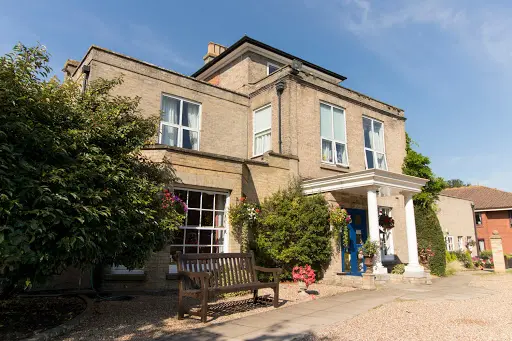
When you're searching for the right care home, you want somewhere that gets the balance right between professional standards and genuine warmth. Glastonbury Court in Bury St Edmunds offers exactly that kind of environment. Families consistently describe finding clean, well-maintained surroundings where staff take time to know residents as individuals.
Who they care for
The home welcomes residents with various needs, including those living with dementia, mental health conditions, and physical disabilities. They care for both younger adults under 65 and older residents.
For those living with dementia, the home provides specialised support and has even hosted educational events to help families better understand the condition. The team understands how to create a supportive environment that maintains dignity while managing the challenges dementia can bring.
“Sometimes the smallest details — a clean room, a friendly face, a moment of genuine care — make all the difference when you're trusting others with someone you love.”
DCC does not edit or curate content in this tab. For independently curated information, see The Evidence and DCC Verdict.
The DCC Verdict
Our editorial view, built from the three lenses: what families tell us, what inspectors record, and how the home sits against good dementia-care practice.
DCC Family Score
Glastonbury Court earned an Outstanding rating overall, driven by exceptional scores in responsiveness and leadership. The inspection text provided is limited in specific observational detail, so several theme scores reflect the domain ratings rather than direct evidence from the report body.
Homes in East typically score 68–82.The three-lens summary
What families tell us
The warmth here comes through in the everyday moments. Visitors mention how staff stop to chat, remember their names, and make time for proper conversations. During the hardest times, when families are facing end-of-life care, the team provides gentle support that helps everyone feel less alone.
What inspectors have recorded
Staff here are consistently described as approachable and caring, with families feeling they can raise concerns or ask questions easily. While one family did report a troubling experience with certain staff members during a difficult period, the overwhelming feedback describes a team that genuinely cares about residents' wellbeing and dignity.
How it sits against good practice
Sometimes the smallest details — a clean room, a friendly face, a moment of genuine care — make all the difference when you're trusting others with someone you love.
Worth a visit
Glastonbury Court on Glastonbury Road in Bury St Edmunds was rated Outstanding at its last inspection in February 2022, an improvement on its previous Good rating. The home, run by Care UK Community Partnerships Ltd, supports up to 80 people with a wide range of needs including dementia, mental health conditions, and physical disabilities. The Outstanding ratings for Responsive and Well-led are the highest a home can receive, and they signal a service that takes individuality seriously and has strong, accountable leadership in place. The main limitation of this report is that the published text is brief and does not include specific observations, quotes from residents or relatives, or detailed descriptions of care in practice. The ratings are credible, but you should use a visit to fill the gaps. In particular, ask about night staffing ratios for an 80-bed nursing home, how often your parent's care plan would be reviewed with your input, and whether one-to-one activity is available for people who cannot join group sessions.
The three questions to ask when you visitSave this home. Compare it against your shortlist.
Let our analysis show you how Glastonbury Court Care Home – Care UK measures up against the other homes you’re considering. Free account.
In Their Own Words
How Glastonbury Court Care Home – Care UK describes itself — collected from its own website. DCC has not edited or independently verified the content in this tab.
Compassionate care in a spotlessly clean environment where families feel heard
Glastonbury Court – Expert Care in Bury St Edmunds
When you're searching for the right care home, you want somewhere that gets the balance right between professional standards and genuine warmth. Glastonbury Court in Bury St Edmunds offers exactly that kind of environment. Families consistently describe finding clean, well-maintained surroundings where staff take time to know residents as individuals.
Who they care for
The home welcomes residents with various needs, including those living with dementia, mental health conditions, and physical disabilities. They care for both younger adults under 65 and older residents.
For those living with dementia, the home provides specialised support and has even hosted educational events to help families better understand the condition. The team understands how to create a supportive environment that maintains dignity while managing the challenges dementia can bring.
Management & ethos
Staff here are consistently described as approachable and caring, with families feeling they can raise concerns or ask questions easily. While one family did report a troubling experience with certain staff members during a difficult period, the overwhelming feedback describes a team that genuinely cares about residents' wellbeing and dignity.
The home & environment
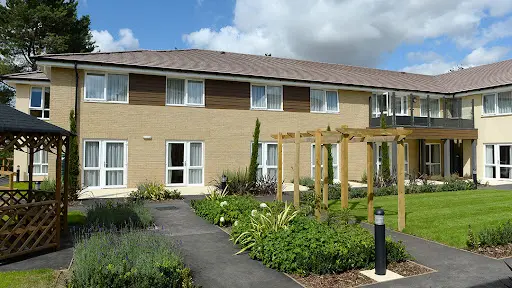
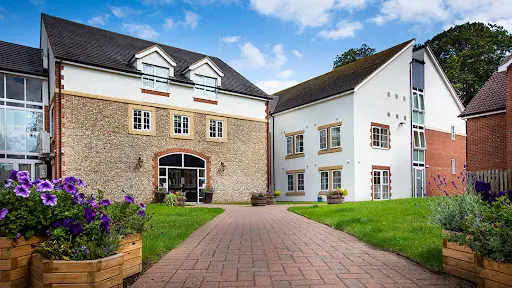
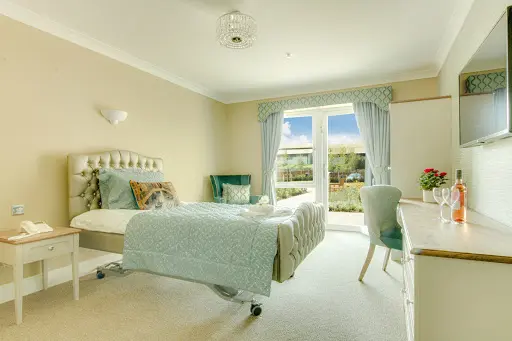
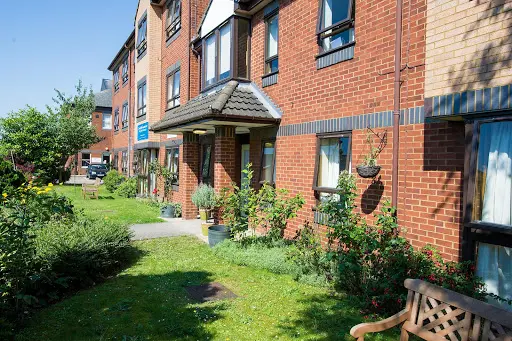
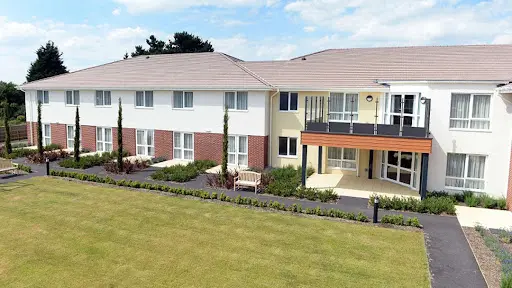
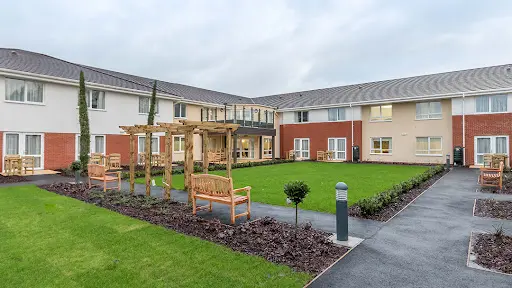
You'll find the home is kept spotlessly clean throughout — something families mention time and again. The rooms and communal areas are well-maintained and comfortable. There's a programme of activities to keep residents engaged, from social events to quieter pursuits that suit different energy levels and interests.
“Sometimes the smallest details — a clean room, a friendly face, a moment of genuine care — make all the difference when you're trusting others with someone you love.”
DCC does not edit or curate content in this tab. For independently curated information, see The Evidence and DCC Verdict.