Shaftesbury House Residential Care Home – Sanctuary Care
At a Glance
The information you need to decide whether this home warrants a closer look.
Residential homes
Staff warmth score
of reviewers answered yes
Good to know
- Registered beds27
- SpecialismsCaring for adults over 65 yrs, Dementia, Physical disabilities, Sensory impairment
- Last inspected2022-08-23
Save Shaftesbury House Residential Care Home – Sanctuary Care to your shortlist
Keep a running list, add visit notes, and compare homes side-by-side. Free account — it takes a minute.
STAGE 4 — RESEARCHING CARE HOMES
Visit homes. Compare them side by side. Choose with confidence.
Most of us will view care homes the way we view houses, impression, atmosphere, the feeling in the corridor. We go home, try to remember what we saw, and make a permanent decision from a blurred memory.

The DCC shortlist gives every home you visit a structured record: the same twelve questions, answered the same way, every time. When you’re ready to choose, pull any two homes side by side and compare them directly. Same criteria, same evidence, your notes and your scores.
The Evidence
What the review data, the inspection reports, and the dementia-care evidence base tell us about this home.
What families say
The atmosphere strikes visitors as calm and welcoming, with residents appearing happy in their daily routines. Staff take time to learn what makes each person tick — their sense of humour, their worries, their preferred way of spending an afternoon. Families particularly value how staff keep them connected through regular updates about their loved one's day.
The eight family priority themes
- Staff warmth72
- Compassion & dignity72
- Cleanliness68
- Activities & engagement60
- Food quality60
- Healthcare68
- Management & leadership75
- Resident happiness68
What inspectors found
Inspected 2022-08-23
Is this home safe?
Is the care effective?
The effective domain was rated Good at the July 2022 inspection. This domain covers care planning, staff training, healthcare access, and nutrition. The home lists dementia as a specialism, which means inspectors would have considered whether dementia-specific training and care approaches were in place. No specific detail about training content, care plan personalisation, or GP access frequency is recorded in the published summary.Is this home caring?
The caring domain was rated Good at the July 2022 inspection. This domain is assessed through inspector observations of staff interactions, privacy and dignity practices, and whether residents are treated as individuals. No specific observations, quotes from residents or families, or descriptions of particular interactions are included in the published summary. The Good rating indicates inspectors were satisfied with what they observed.Is the home responsive?
The responsive domain was rated Good at the July 2022 inspection. This domain covers how well the home adapts to individual needs, the quality and variety of activities, and how the home handles complaints and end-of-life care. The home is registered to support people living with dementia and those with physical disabilities and sensory impairments, which requires responsive, individualised approaches. No specific activity descriptions, individual engagement examples, or complaint-handling details are recorded in the published summary.Is the home well-led?
The well-led domain was rated Good at the July 2022 inspection, having previously been rated Requires Improvement. The registered manager is named as Miss Michelle Elizabeth Booth, with Mrs Louise Palmer as the nominated individual representing the provider, Sanctuary Care Limited. An improvement in the well-led domain after a previous weaker rating is a positive sign that leadership has stabilised and addressed earlier concerns. No specific detail about management visibility, staff culture, or governance processes is recorded in the published summary.
Source: CQC inspection report →
What the evidence base says
The home provides specialist support for people with dementia, sensory impairments and physical disabilities, caring for adults over 65. For residents with dementia, the team's approach centres on really getting to know each person — understanding their individual needs and finding ways to keep them engaged and comfortable throughout their day. All areas worth probing directly during a visit.
The DCC Verdict
Our editorial view, built from the three lenses: what families tell us, what inspectors record, and how the home sits against good dementia-care practice.
DCC Family Score
Shaftesbury House has improved from Requires Improvement to Good across all five domains, which is a meaningful step forward. However, the published inspection report contains limited specific detail, so scores reflect confirmed improvement rather than richly evidenced excellence.
Homes in East typically score 68–82.The three-lens summary
What families tell us
The atmosphere strikes visitors as calm and welcoming, with residents appearing happy in their daily routines. Staff take time to learn what makes each person tick — their sense of humour, their worries, their preferred way of spending an afternoon. Families particularly value how staff keep them connected through regular updates about their loved one's day.
What inspectors have recorded
Staff appear engaged and available when families need them, taking time to address concerns properly. While most families find the team responsive and present, one family member has raised concerns about staffing levels affecting care during busier periods — something worth discussing when you visit.
How it sits against good practice
Getting a feel for how a home operates at different times can tell you a lot about whether it's the right fit for your family.
Worth a visit
Shaftesbury House Residential Care Home, at 5 Cowper Street in Ipswich, was rated Good at its most recent inspection in July 2022, with that rating confirmed as still current following a review in July 2023. This is a meaningful improvement from a previous rating of Requires Improvement, and all five domains, covering safety, effectiveness, caring, responsiveness, and leadership, were rated Good. The home is registered to support up to 27 people, including those living with dementia, physical disabilities, and sensory impairments, and is run by Sanctuary Care Limited. The main limitation of this report is that the published inspection summary is brief and does not include specific observations, resident or family quotes, or detailed findings for individual domains. That means you should treat the Good rating as a confirmed baseline rather than a richly evidenced picture. On your visit, ask to see the actual staffing rota for the past week (counting permanent versus agency names, especially on nights), ask what one-to-one activity looks like for a resident with advanced dementia who cannot join group sessions, and observe whether staff move without hurry and address residents by their preferred names. These three things will tell you more than the inspection report alone.
The three questions to ask when you visitSave this home. Compare it against your shortlist.
Let our analysis show you how Shaftesbury House Residential Care Home – Sanctuary Care measures up against the other homes you’re considering. Free account.
In Their Own Words
How Shaftesbury House Residential Care Home – Sanctuary Care describes itself — collected from its own website. DCC has not edited or independently verified the content in this tab.
Where staff know every resident's story and favourite joke
Shaftesbury House Residential Care Home – Expert Care in Ipswich
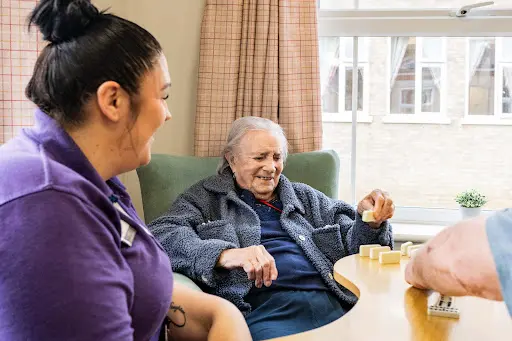
There's something reassuring about walking into Shaftesbury House Residential Care Home in East Ipswich and seeing staff sitting with residents, chatting and laughing together. Families describe a place where their loved ones feel genuinely content, though it's worth visiting at different times to see how care runs throughout the day.
Who they care for
The home provides specialist support for people with dementia, sensory impairments and physical disabilities, caring for adults over 65.
For residents with dementia, the team's approach centres on really getting to know each person — understanding their individual needs and finding ways to keep them engaged and comfortable throughout their day.
“Getting a feel for how a home operates at different times can tell you a lot about whether it's the right fit for your family.”
DCC does not edit or curate content in this tab. For independently curated information, see The Evidence and DCC Verdict.
The DCC Verdict
Our editorial view, built from the three lenses: what families tell us, what inspectors record, and how the home sits against good dementia-care practice.
DCC Family Score
Shaftesbury House has improved from Requires Improvement to Good across all five domains, which is a meaningful step forward. However, the published inspection report contains limited specific detail, so scores reflect confirmed improvement rather than richly evidenced excellence.
Homes in East typically score 68–82.The three-lens summary
What families tell us
The atmosphere strikes visitors as calm and welcoming, with residents appearing happy in their daily routines. Staff take time to learn what makes each person tick — their sense of humour, their worries, their preferred way of spending an afternoon. Families particularly value how staff keep them connected through regular updates about their loved one's day.
What inspectors have recorded
Staff appear engaged and available when families need them, taking time to address concerns properly. While most families find the team responsive and present, one family member has raised concerns about staffing levels affecting care during busier periods — something worth discussing when you visit.
How it sits against good practice
Getting a feel for how a home operates at different times can tell you a lot about whether it's the right fit for your family.
Worth a visit
Shaftesbury House Residential Care Home, at 5 Cowper Street in Ipswich, was rated Good at its most recent inspection in July 2022, with that rating confirmed as still current following a review in July 2023. This is a meaningful improvement from a previous rating of Requires Improvement, and all five domains, covering safety, effectiveness, caring, responsiveness, and leadership, were rated Good. The home is registered to support up to 27 people, including those living with dementia, physical disabilities, and sensory impairments, and is run by Sanctuary Care Limited. The main limitation of this report is that the published inspection summary is brief and does not include specific observations, resident or family quotes, or detailed findings for individual domains. That means you should treat the Good rating as a confirmed baseline rather than a richly evidenced picture. On your visit, ask to see the actual staffing rota for the past week (counting permanent versus agency names, especially on nights), ask what one-to-one activity looks like for a resident with advanced dementia who cannot join group sessions, and observe whether staff move without hurry and address residents by their preferred names. These three things will tell you more than the inspection report alone.
The three questions to ask when you visitSave this home. Compare it against your shortlist.
Let our analysis show you how Shaftesbury House Residential Care Home – Sanctuary Care measures up against the other homes you’re considering. Free account.
In Their Own Words
How Shaftesbury House Residential Care Home – Sanctuary Care describes itself — collected from its own website. DCC has not edited or independently verified the content in this tab.
Where staff know every resident's story and favourite joke
Shaftesbury House Residential Care Home – Expert Care in Ipswich
There's something reassuring about walking into Shaftesbury House Residential Care Home in East Ipswich and seeing staff sitting with residents, chatting and laughing together. Families describe a place where their loved ones feel genuinely content, though it's worth visiting at different times to see how care runs throughout the day.
Who they care for
The home provides specialist support for people with dementia, sensory impairments and physical disabilities, caring for adults over 65.
For residents with dementia, the team's approach centres on really getting to know each person — understanding their individual needs and finding ways to keep them engaged and comfortable throughout their day.
Management & ethos
Staff appear engaged and available when families need them, taking time to address concerns properly. While most families find the team responsive and present, one family member has raised concerns about staffing levels affecting care during busier periods — something worth discussing when you visit.
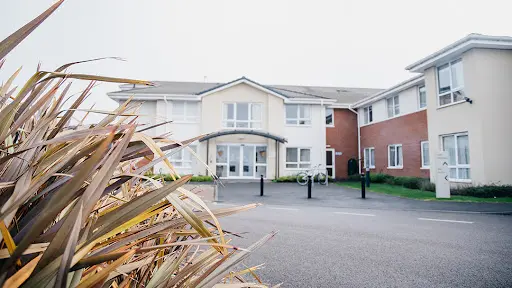
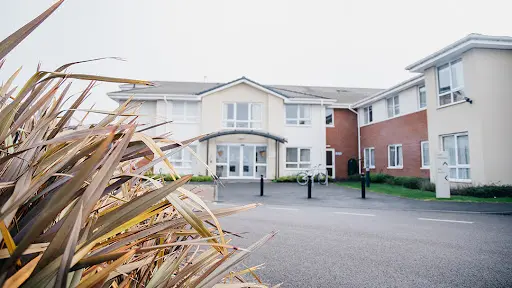
The home & environment
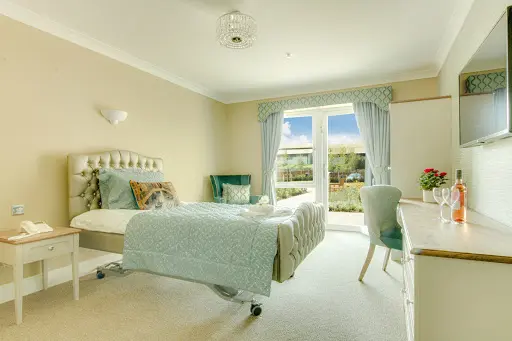
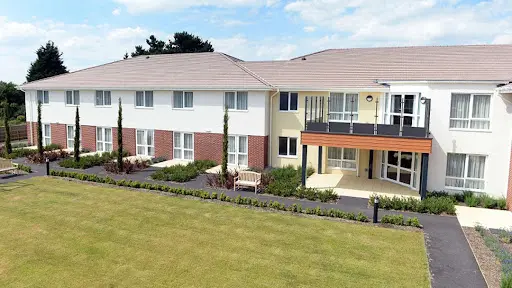
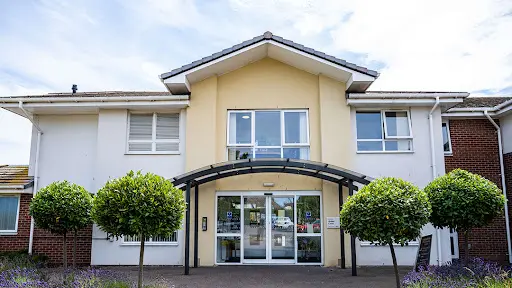
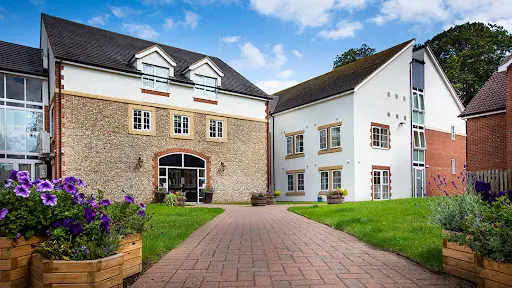
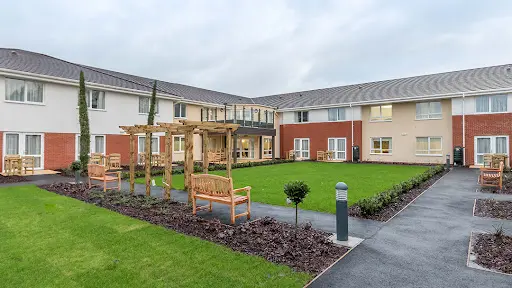
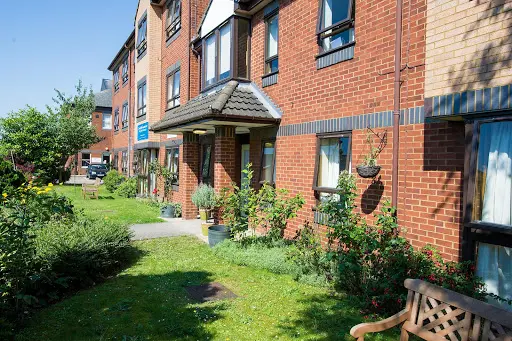
The home maintains high standards of cleanliness, with tidy rooms and well-kept communal spaces that families appreciate. There's mention of cats wandering the corridors, bringing comfort and companionship to residents who enjoy their presence.
“Getting a feel for how a home operates at different times can tell you a lot about whether it's the right fit for your family.”
DCC does not edit or curate content in this tab. For independently curated information, see The Evidence and DCC Verdict.