Harlow Hall Care Home – Hartford Care
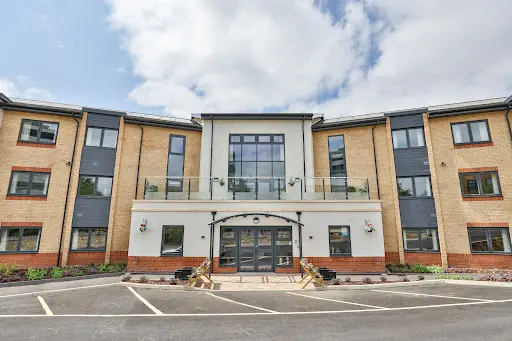
At a Glance
The information you need to decide whether this home warrants a closer look.
Residential homes
Staff warmth score
of reviewers answered yes
Good to know
- Registered beds66
- SpecialismsCaring for adults over 65 yrs, Caring for adults under 65 yrs, Dementia, Physical disabilities, Sensory impairment
- Last inspected2025-02-27
Save Harlow Hall Care Home – Hartford Care to your shortlist
Keep a running list, add visit notes, and compare homes side-by-side. Free account — it takes a minute.
STAGE 4 — RESEARCHING CARE HOMES
Visit homes. Compare them side by side. Choose with confidence.
Most of us will view care homes the way we view houses, impression, atmosphere, the feeling in the corridor. We go home, try to remember what we saw, and make a permanent decision from a blurred memory.

The DCC shortlist gives every home you visit a structured record: the same twelve questions, answered the same way, every time. When you’re ready to choose, pull any two homes side by side and compare them directly. Same criteria, same evidence, your notes and your scores.
The Evidence
What the review data, the inspection reports, and the dementia-care evidence base tell us about this home.
What families say
Some families mention feeling welcomed when they first arrive, with staff greeting visitors warmly at the door. The home runs an activities programme, and staff encourage residents to join in when they're feeling reluctant to participate.
The eight family priority themes
- Staff warmth72
- Compassion & dignity72
- Cleanliness70
- Activities & engagement65
- Food quality65
- Healthcare70
- Management & leadership72
- Resident happiness70
What inspectors found
Inspected 2025-02-27 Report published 2025-02-27
Is this home safe?
Is the care effective?
The inspection rated this domain Good. The home holds dementia, physical disabilities, and sensory impairments as registered specialisms, which requires the service to demonstrate appropriate care planning and staff competence in those areas. The published report does not include specific findings about care plan quality, dementia training content, GP access, medicines management, or food provision.Is this home caring?
The inspection rated this domain Good. No specific observations about staff interactions, dignity practices, or residents' emotional wellbeing are recorded in the published text. A Good Caring rating indicates inspectors did not find evidence of poor practice, but the published report offers no direct testimony or observable detail to draw on.Is the home responsive?
The inspection rated this domain Good. The home is registered to support people with dementia, physical disabilities, and sensory impairments across two age groups, which in principle requires a responsive and tailored approach. The published report does not include any detail about the activity programme, individual engagement, complaint handling, or end-of-life care.Is the home well-led?
The inspection rated this domain Good. Mrs Lisa White is the named Registered Manager and Mr Chris Ahenkorah is the Nominated Individual. The home is operated by Hartford Care (9) Ltd. Beyond the identification of these named individuals, the published report does not include detail about management visibility, staff culture, governance processes, or how the home responds to feedback and incidents.
Source: CQC inspection report →
What the evidence base says
The home supports people with dementia, physical disabilities, and sensory impairments. It accepts both younger adults under 65 and older adults. Dementia care is a registered specialism at this home, but families can have very different experiences of the support provided. Some describe comprehensive help during the move into the home, though it is worth asking detailed questions about staffing ratios, how care plans are written and reviewed, and what dementia training all staff have completed. All areas worth probing directly during a visit.
The DCC Verdict
Our editorial view, built from the three lenses: what families tell us, what inspectors record, and how the home sits against good dementia-care practice.
DCC Family Score
Harlow Hall received a Good rating across all five inspection domains at its assessment in February 2025, which is a positive baseline. However, the published inspection text contains limited specific detail, observations, or direct testimony, so scores reflect confirmed compliance rather than richly evidenced excellence.
Homes in South East typically score 68–82.The three-lens summary
What families tell us
Some families mention feeling welcomed when they first arrive, with staff greeting visitors warmly at the door. The home runs an activities programme, and staff encourage residents to join in when they're feeling reluctant to participate.
What inspectors have recorded
Experiences with communication seem to vary between families. Some report that management documents their concerns carefully and provides regular updates about their relative's health and wellbeing. However, other families have raised serious concerns about care standards, medication management and staffing levels that warrant careful consideration.
How it sits against good practice
Visiting in person and asking specific questions about care routines and staffing will help you understand whether Harlow Hall can meet your loved one's particular needs.
Worth a visit
Harlow Hall, at 1 Ordnance Road in Aldershot, was assessed in February 2025 and rated Good across all five inspection domains: Safe, Effective, Caring, Responsive, and Well-led. The home is a 66-bed service registered to support people with dementia, physical disabilities, and sensory impairments, including adults under 65. A named registered manager is in post, and the home is run by Hartford Care (9) Ltd. A Good rating across every domain is a sound starting point and places Harlow Hall in the upper half of inspected homes nationally. The main limitation is that the published inspection report contains very little specific detail: no direct inspector observations, no resident or family quotes, and no narrative evidence about daily life at the home. A Good rating tells you the home met the threshold; it does not tell you how it feels to live there. Before making a decision, visit during the day and at a mealtime, ask the manager to show you last week's actual staffing rota (counting permanent versus agency names, particularly on night shifts), and ask how the home tailors activity for someone with advanced dementia who cannot join a group session.
The three questions to ask when you visitSave this home. Compare it against your shortlist.
Let our analysis show you how Harlow Hall Care Home – Hartford Care measures up against the other homes you’re considering. Free account.
In Their Own Words
How Harlow Hall Care Home – Hartford Care describes itself — collected from its own website. DCC has not edited or independently verified the content in this tab.
Modern Aldershot care home supporting residents with complex needs
Dedicated residential home Support in Aldershot
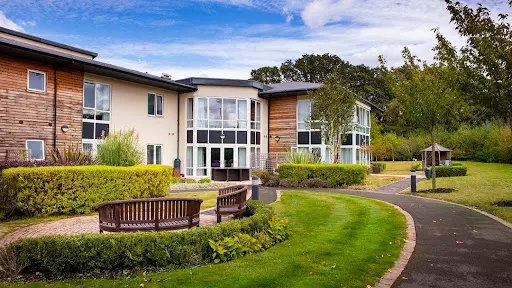
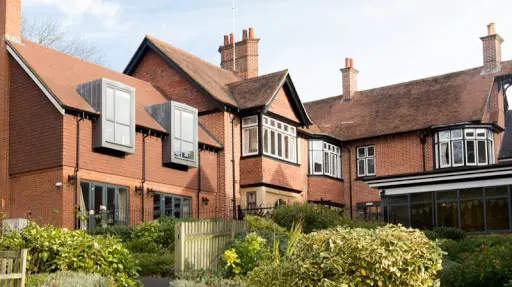
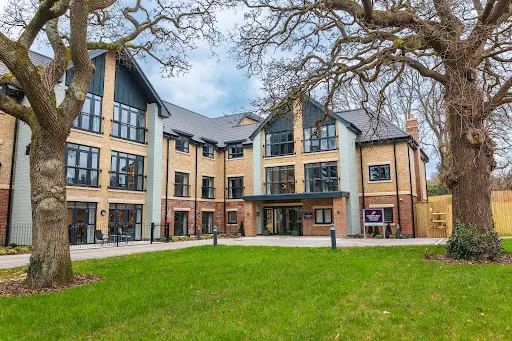
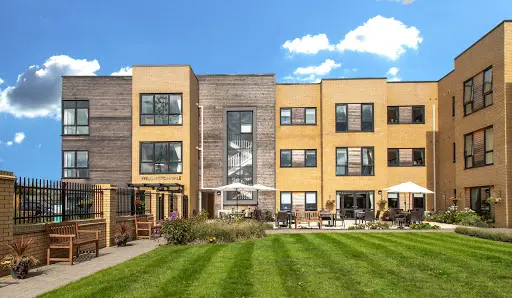
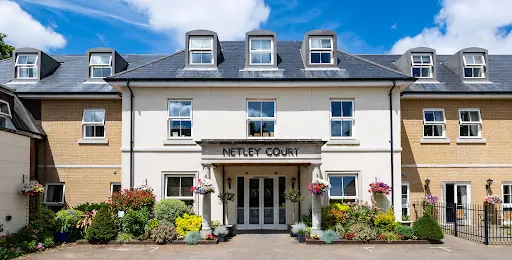
Harlow Hall in Aldershot provides residential care for people with dementia, physical disabilities and sensory impairments. The care home welcomes both younger adults under 65 and older residents who need specialist support. Visitors often comment on the modern facilities and décor throughout the building.
Who they care for
The home supports people with dementia, physical disabilities, and sensory impairments. It accepts both younger adults under 65 and older adults.
Dementia care is a registered specialism at this home, but families can have very different experiences of the support provided. Some describe comprehensive help during the move into the home, though it is worth asking detailed questions about staffing ratios, how care plans are written and reviewed, and what dementia training all staff have completed.
“Visiting in person and asking specific questions about care routines and staffing will help you understand whether Harlow Hall can meet your loved one's particular needs.”
DCC does not edit or curate content in this tab. For independently curated information, see The Evidence and DCC Verdict.
The DCC Verdict
Our editorial view, built from the three lenses: what families tell us, what inspectors record, and how the home sits against good dementia-care practice.
DCC Family Score
Harlow Hall received a Good rating across all five inspection domains at its assessment in February 2025, which is a positive baseline. However, the published inspection text contains limited specific detail, observations, or direct testimony, so scores reflect confirmed compliance rather than richly evidenced excellence.
Homes in South East typically score 68–82.The three-lens summary
What families tell us
Some families mention feeling welcomed when they first arrive, with staff greeting visitors warmly at the door. The home runs an activities programme, and staff encourage residents to join in when they're feeling reluctant to participate.
What inspectors have recorded
Experiences with communication seem to vary between families. Some report that management documents their concerns carefully and provides regular updates about their relative's health and wellbeing. However, other families have raised serious concerns about care standards, medication management and staffing levels that warrant careful consideration.
How it sits against good practice
Visiting in person and asking specific questions about care routines and staffing will help you understand whether Harlow Hall can meet your loved one's particular needs.
Worth a visit
Harlow Hall, at 1 Ordnance Road in Aldershot, was assessed in February 2025 and rated Good across all five inspection domains: Safe, Effective, Caring, Responsive, and Well-led. The home is a 66-bed service registered to support people with dementia, physical disabilities, and sensory impairments, including adults under 65. A named registered manager is in post, and the home is run by Hartford Care (9) Ltd. A Good rating across every domain is a sound starting point and places Harlow Hall in the upper half of inspected homes nationally. The main limitation is that the published inspection report contains very little specific detail: no direct inspector observations, no resident or family quotes, and no narrative evidence about daily life at the home. A Good rating tells you the home met the threshold; it does not tell you how it feels to live there. Before making a decision, visit during the day and at a mealtime, ask the manager to show you last week's actual staffing rota (counting permanent versus agency names, particularly on night shifts), and ask how the home tailors activity for someone with advanced dementia who cannot join a group session.
The three questions to ask when you visitSave this home. Compare it against your shortlist.
Let our analysis show you how Harlow Hall Care Home – Hartford Care measures up against the other homes you’re considering. Free account.
In Their Own Words
How Harlow Hall Care Home – Hartford Care describes itself — collected from its own website. DCC has not edited or independently verified the content in this tab.
Modern Aldershot care home supporting residents with complex needs
Dedicated residential home Support in Aldershot
Harlow Hall in Aldershot provides residential care for people with dementia, physical disabilities and sensory impairments. The care home welcomes both younger adults under 65 and older residents who need specialist support. Visitors often comment on the modern facilities and décor throughout the building.
Who they care for
The home supports people with dementia, physical disabilities, and sensory impairments. It accepts both younger adults under 65 and older adults.
Dementia care is a registered specialism at this home, but families can have very different experiences of the support provided. Some describe comprehensive help during the move into the home, though it is worth asking detailed questions about staffing ratios, how care plans are written and reviewed, and what dementia training all staff have completed.
Management & ethos
Experiences with communication seem to vary between families. Some report that management documents their concerns carefully and provides regular updates about their relative's health and wellbeing. However, other families have raised serious concerns about care standards, medication management and staffing levels that warrant careful consideration.
The home & environment
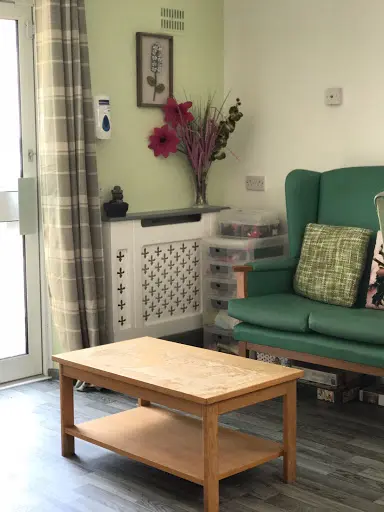
The building itself gets positive mentions from visitors who describe clean, well-maintained spaces. The home appears to put effort into keeping communal areas and bedrooms nicely decorated and fresh.
“Visiting in person and asking specific questions about care routines and staffing will help you understand whether Harlow Hall can meet your loved one's particular needs.”
DCC does not edit or curate content in this tab. For independently curated information, see The Evidence and DCC Verdict.