Barchester – Chestnut Gardens Care Home

At a Glance
The information you need to decide whether this home warrants a closer look.
Residential homes
Staff warmth score
of reviewers answered yes
Good to know
- Registered beds72
- SpecialismsCaring for adults over 65 yrs, Caring for adults under 65 yrs, Dementia
- Last inspected2024-08-29
Save Barchester – Chestnut Gardens Care Home to your shortlist
Keep a running list, add visit notes, and compare homes side-by-side. Free account — it takes a minute.
STAGE 4 — RESEARCHING CARE HOMES
Visit homes. Compare them side by side. Choose with confidence.
Most of us will view care homes the way we view houses, impression, atmosphere, the feeling in the corridor. We go home, try to remember what we saw, and make a permanent decision from a blurred memory.

The DCC shortlist gives every home you visit a structured record: the same twelve questions, answered the same way, every time. When you’re ready to choose, pull any two homes side by side and compare them directly. Same criteria, same evidence, your notes and your scores.
The Evidence
What the review data, the inspection reports, and the dementia-care evidence base tell us about this home.
What families say
Families consistently mention how quickly their loved ones settle in, with care assistants who respond promptly when needed and take time to really get to know each resident. The atmosphere feels warm and purposeful, with residents actively participating in daily activities rather than just passing time. Whether someone arrives for respite care or a longer stay, the team works hard to make the transition as smooth as possible.
The eight family priority themes
- Staff warmth62
- Compassion & dignity62
- Cleanliness62
- Activities & engagement60
- Food quality55
- Healthcare62
- Management & leadership65
- Resident happiness60
What inspectors found
Inspected 2024-08-29 Report published 2024-08-29
Is this home safe?
Is the care effective?
The home was rated Good for effectiveness at the August 2024 inspection. The home is registered as a dementia specialism provider and accepts adults both under and over 65. The published findings do not include specific detail on care plan quality, GP access arrangements, medication management, or the content of dementia training. The Good rating indicates no major concerns were found in these areas.Is this home caring?
The home was rated Good for caring at the August 2024 inspection. No specific quotes from people who live at the home or their relatives were included in the published findings. The Good rating in this domain indicates inspectors did not find evidence of poor practice in dignity, respect, or compassion during the inspection visit. No specific inspector observations of staff interactions are available in the published text.Is the home responsive?
The home was rated Good for responsiveness at the August 2024 inspection. The home lists dementia as a specialism, which implies some tailoring of activities and care to individual need. The published inspection findings do not include specific detail on the activities programme, individual engagement for people who cannot join groups, or end-of-life care arrangements. No examples of person-centred responses to individual preferences are recorded in the available text.Is the home well-led?
The home was rated Good for leadership at the August 2024 inspection. A named registered manager, Mrs Gayane Selimyan, is confirmed in post. The nominated individual is Mr Dominic Jude Kay. The home is operated by Barchester Healthcare Homes Limited, a large national provider. The published findings do not include specific detail on manager visibility, staff culture, governance processes, or how the home responds to concerns raised by families.
Source: CQC inspection report →
What the evidence base says
The home welcomes adults both under and over 65, with particular expertise in dementia care. They also offer on-site physiotherapy services alongside regular exercise classes. For people living with dementia, the structured daily activities help maintain routine and engagement. The team clearly understands the importance of mental stimulation, weaving meaningful activities throughout each day rather than treating them as occasional events. All areas worth probing directly during a visit.
The DCC Verdict
Our editorial view, built from the three lenses: what families tell us, what inspectors record, and how the home sits against good dementia-care practice.
DCC Family Score
Chestnut Gardens Care Home was rated Good across all five inspection domains, which is a positive baseline, but the published findings contain limited narrative detail, so scores reflect a Good rating without the specific observations, quotes, or direct evidence that would push them higher.
Homes in London typically score 68–82.The three-lens summary
What families tell us
Families consistently mention how quickly their loved ones settle in, with care assistants who respond promptly when needed and take time to really get to know each resident. The atmosphere feels warm and purposeful, with residents actively participating in daily activities rather than just passing time. Whether someone arrives for respite care or a longer stay, the team works hard to make the transition as smooth as possible.
What inspectors have recorded
Communication seems to be a real strength here, with families feeling well-informed throughout their journey. The management team handles the complex bits — from hospital liaisons to admission paperwork — while keeping families in the loop. When the occasional hiccup does arise, staff address it quickly before it becomes a bigger issue.
How it sits against good practice
Sometimes the best recommendation is seeing residents genuinely engaged in their day, whether that's arranging flowers or chatting over a well-prepared meal.
Worth a visit
Chestnut Gardens Care Home, on Foxley Lane in Purley, was rated Good across all five inspection domains at its most recent assessment in August 2024. The home is run by Barchester Healthcare and has a named registered manager in post. A Good rating across every domain is a meaningful baseline: it means inspectors found no significant concerns about safety, care quality, staffing, or leadership during this visit. The limitation here is that the published inspection findings contain very little narrative detail, which means it is not possible to assess how the Good rating was earned in practice. Before choosing this home for your parent, visit in person, ideally at a mealtime or during an activity session, and ask the manager directly about night staffing ratios, dementia training for all care staff, and how families are kept informed when something changes.
The three questions to ask when you visitSave this home. Compare it against your shortlist.
Let our analysis show you how Barchester – Chestnut Gardens Care Home measures up against the other homes you’re considering. Free account.
In Their Own Words
How Barchester – Chestnut Gardens Care Home describes itself — collected from its own website. DCC has not edited or independently verified the content in this tab.
Where genuine care meets everyday moments of joy
Chestnut Gardens Care Home – Your Trusted residential home
Finding the right care home can feel overwhelming, but families visiting Chestnut Gardens Care Home in Purley often describe a weight lifting from their shoulders. This recently-built home has quickly become known for its thoughtful approach to daily life, where residents enjoy everything from flower arranging to cinema afternoons. The care team here seems to understand that moving into residential care is a major transition for everyone involved.
Who they care for
The home welcomes adults both under and over 65, with particular expertise in dementia care. They also offer on-site physiotherapy services alongside regular exercise classes.
For people living with dementia, the structured daily activities help maintain routine and engagement. The team clearly understands the importance of mental stimulation, weaving meaningful activities throughout each day rather than treating them as occasional events.
“Sometimes the best recommendation is seeing residents genuinely engaged in their day, whether that's arranging flowers or chatting over a well-prepared meal.”
DCC does not edit or curate content in this tab. For independently curated information, see The Evidence and DCC Verdict.
The DCC Verdict
Our editorial view, built from the three lenses: what families tell us, what inspectors record, and how the home sits against good dementia-care practice.
DCC Family Score
Chestnut Gardens Care Home was rated Good across all five inspection domains, which is a positive baseline, but the published findings contain limited narrative detail, so scores reflect a Good rating without the specific observations, quotes, or direct evidence that would push them higher.
Homes in London typically score 68–82.The three-lens summary
What families tell us
Families consistently mention how quickly their loved ones settle in, with care assistants who respond promptly when needed and take time to really get to know each resident. The atmosphere feels warm and purposeful, with residents actively participating in daily activities rather than just passing time. Whether someone arrives for respite care or a longer stay, the team works hard to make the transition as smooth as possible.
What inspectors have recorded
Communication seems to be a real strength here, with families feeling well-informed throughout their journey. The management team handles the complex bits — from hospital liaisons to admission paperwork — while keeping families in the loop. When the occasional hiccup does arise, staff address it quickly before it becomes a bigger issue.
How it sits against good practice
Sometimes the best recommendation is seeing residents genuinely engaged in their day, whether that's arranging flowers or chatting over a well-prepared meal.
Worth a visit
Chestnut Gardens Care Home, on Foxley Lane in Purley, was rated Good across all five inspection domains at its most recent assessment in August 2024. The home is run by Barchester Healthcare and has a named registered manager in post. A Good rating across every domain is a meaningful baseline: it means inspectors found no significant concerns about safety, care quality, staffing, or leadership during this visit. The limitation here is that the published inspection findings contain very little narrative detail, which means it is not possible to assess how the Good rating was earned in practice. Before choosing this home for your parent, visit in person, ideally at a mealtime or during an activity session, and ask the manager directly about night staffing ratios, dementia training for all care staff, and how families are kept informed when something changes.
The three questions to ask when you visitSave this home. Compare it against your shortlist.
Let our analysis show you how Barchester – Chestnut Gardens Care Home measures up against the other homes you’re considering. Free account.
In Their Own Words
How Barchester – Chestnut Gardens Care Home describes itself — collected from its own website. DCC has not edited or independently verified the content in this tab.
Where genuine care meets everyday moments of joy
Chestnut Gardens Care Home – Your Trusted residential home
Finding the right care home can feel overwhelming, but families visiting Chestnut Gardens Care Home in Purley often describe a weight lifting from their shoulders. This recently-built home has quickly become known for its thoughtful approach to daily life, where residents enjoy everything from flower arranging to cinema afternoons. The care team here seems to understand that moving into residential care is a major transition for everyone involved.
Who they care for
The home welcomes adults both under and over 65, with particular expertise in dementia care. They also offer on-site physiotherapy services alongside regular exercise classes.
For people living with dementia, the structured daily activities help maintain routine and engagement. The team clearly understands the importance of mental stimulation, weaving meaningful activities throughout each day rather than treating them as occasional events.
Management & ethos
Communication seems to be a real strength here, with families feeling well-informed throughout their journey. The management team handles the complex bits — from hospital liaisons to admission paperwork — while keeping families in the loop. When the occasional hiccup does arise, staff address it quickly before it becomes a bigger issue.
The home & environment
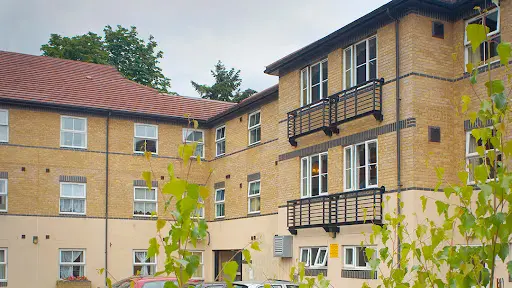
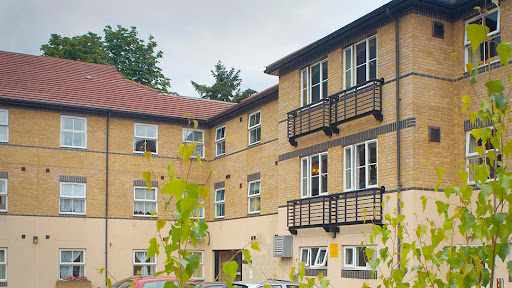
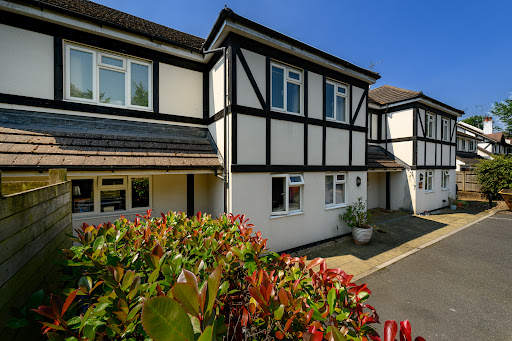
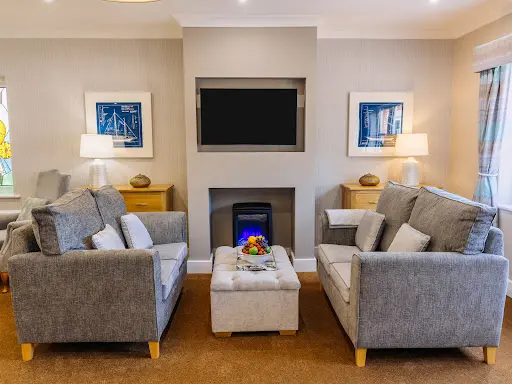
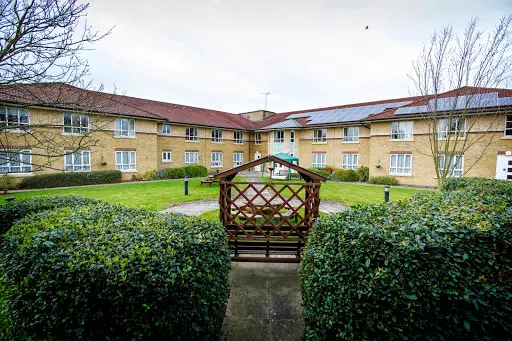
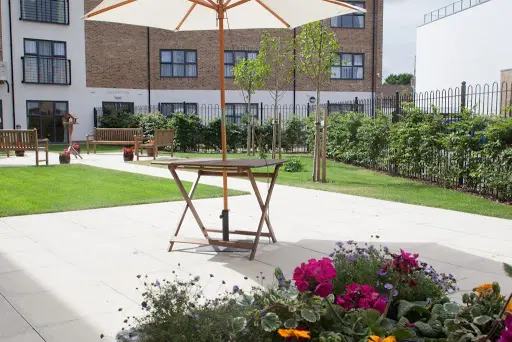
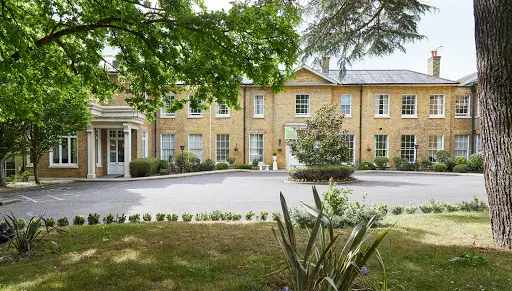
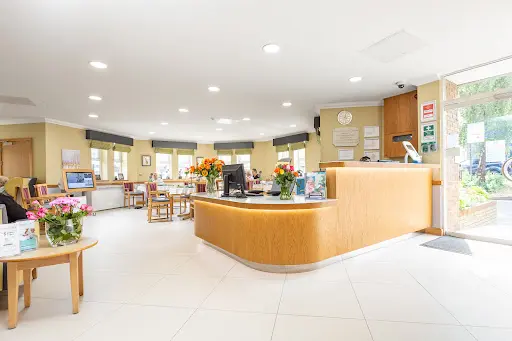
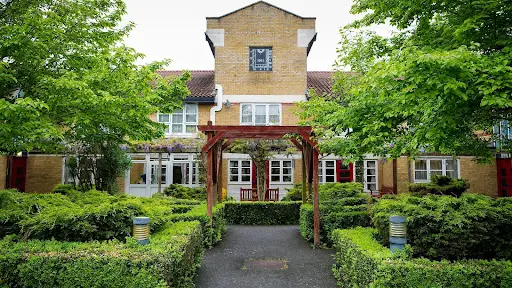
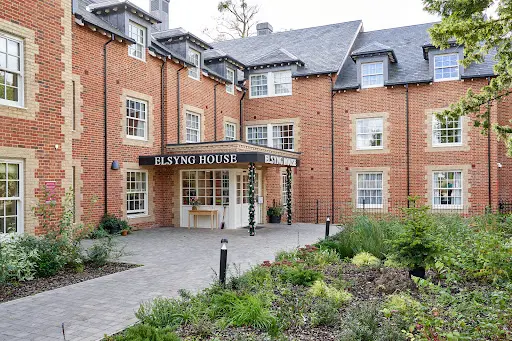
The home itself is only two years old, and it shows in the bright, well-maintained spaces and modern amenities. Meals come fresh from the on-site kitchen, where the cooks clearly take pride in offering variety and catering to special occasions. The minibus opens up possibilities for outings, while the maintained grounds provide peaceful spots for those who prefer to stay close to home.
“Sometimes the best recommendation is seeing residents genuinely engaged in their day, whether that's arranging flowers or chatting over a well-prepared meal.”
DCC does not edit or curate content in this tab. For independently curated information, see The Evidence and DCC Verdict.